We’re Fucked, Pt. 71 (Fiction)


The pearl-white glaze of the eclair reflects the lights as I inhale the buttery scent of its choux dough. I tear off its tip with my front teeth. As I chew on the spongy dough, the taste of the sugary glaze, as well as of the cream that has choked the hollow inside of the eclair, swamps my taste buds and spreads across my palate. I scoop the cream out with my tongue. When I close my eyes to savor the sweetness, I picture the marrow inside the torn appendage of some alien arthropod from a pastry dimension. I wish I could justify buying enough eclairs to last weeks; they may keep me from sliding into an abyss that would swallow me alive.

Our Paleolithic child tugs on my right sleeve. When I look down at her face, the shock makes me snap my head back. Did someone smash a glass against her mouth? No, those are crystal-like sugar granules; otherwise she would have ended up with a hundred bleeding puncture wounds in the vermilion zone of her lips. But I wouldn’t put past this girl that if we left any glass within her reach, she might crush it against her teeth to honor her pre-apocalyptic ancestors as well as their mascot, the ground sloth.

“Eide, Eide,” she says.

Jacqueline gags on a morsel of puff pastry braid.

“She’s trying to say your name,” she remarks between coughs.

My chest swells with pride.

“Oh yeah. We have a special connection. I may also be Eide now.”

The child’s dazzling eyes smile at me as she holds up the sketchbook. She has drawn a person with a night-black, moppy head of hair. Inside the outline of the face, our child has left a void except for a black smudge that may represent the nostrils. On either side of the short torso, the two outstretched arms end at the wrists in rectangular stumps, as though a butcher had hacked the hands off with an axe. She has attempted to portray the checkered pattern, drawn in sunrise-orange, of the wool pyjamas I wore this morning as I warmed myself up after I almost suffered frostbite from my short stint in the Ice Age. From below the bottom hem of the pyjamas peek out bare feet that resemble fleshy hooves.

For most of my life I’ve felt invisible as I floated through this derelict society. A few foolhardy souls took time out of their day to interact with me, but I watched them from inside a plastic doll that had been gathering dust in the corner of some sordid sex shop before a random spark infused it with life. Although the spark should have sent the doll dashing across the city streets only to be crushed by a garbage truck, even that misfired. In any case, the portrait in the sketchbook proves that our little princess of a long-dead age has registered me in her untamed mind. It feels like a miracle.

I swallow a knot in my throat. What is this rush of feeling that the child has provoked? I want to grab her hand in case she wanders off and gets lost, or in case someone steals her away. If she were to come to harm because of my stupidity, of my inability to perform basic duties like any other human being, the crushing guilt would render my nights sleepless until I ended up jumping off a roof. But how could I take care of a child when I can’t even be kind to myself? Ah, I can count on Jacqueline, the most loving mommy that any human would want. As long as she remains by my side, she can compensate for my shortcomings, which means that she will take care of ninety percent of everything that rearing a child involves.
Jacqueline fake-pouts.

“I have spent most of the day with our girl, showing her the sights of the city, even buying her clothes, but she drew you first.”

“Well, she saw me naked.” I turn my head to the child. “But please, lick your lips clean, will you? My brain already comes up with enough violent scenarios unprompted.”

The child giggles defiantly. She ignores me to inspect the rows of crayons contained in the Crayola pack, pressing her fingertips against some flat tips, caressing other crayons, rolling a couple between her thumb and forefinger. She pulls out both a blue and a clam-shell-pink crayons, which she arranges with the previous ones close to the upper right-hand corner of the sketchbook.

Her attention slides to the fruit tartlets. Their folded bases, made of shortcrust pastry and filled with a vanilla-colored cream, are topped with clusters of distinct berries I can’t name. One tartlet flaunts round, bluish-grey berries that have a star-shaped opening, and the half-buried berries of another tartlet resemble crimson pinecones. The same selection of fruits were presented at breakfast in our ancestral home near Dijon in the year 1615.

“Yeah, those are raspberries,” I mumble. “They’re also called cloudberries, because they grow high up in the clouds.”

I’m struck by a weird memory. Before my journey to the future began, I used to pretend that I was an astronaut exploring the moon-like surfaces of my imagination. Once I spotted an ice world made of methane, ethane and propane, which lured me closer and closer. I was sucked into its gravity field, and shortly after I encountered alien orbs that looked like the berries that rest on top of these tartlets. Although those alien orbs were inedible and insipid, I lacked the chance to study them further, because the planet swelled and exploded like a watermelon under the pressure of my growing curiosity.

Our child snatches the raspberry tartlet. She crumbles a chunk of it in a crunchy bite, then she utters an appreciative noise. As she chews, crumbs spill from her lips onto the table and into her cup of chocolate. After the girl has swallowed half of the tartlet, she puts it down, grabs the midnight-black crayon, scratches her nose with it, and leans in to draw. While she presses the tip of the crayon against the paper, her expression morphs into one of fierce concentration.

The puff pastry braids are calling out to me like delicious sirens. I’m tempted to pick those brown raisins and the pieces of toasted cashew nuts off the surfaces to which they are glued, as if I were a baboon grooming a fellow primate to remove lice and ticks. When I bite into my chosen braid, the dough comes apart in flakes. A honeyed goo that tastes like apple ambushes my taste buds, sending a swarm of pleasurable signals that infiltrate my brain.

This tray of pastries alone will make me obese; my blood pressure is raising already. Didn’t Jacqueline announce from the beginning of our relationship her intention to fatten my malnourished self up, as part of her ploy to resuscitate my dried-up brain? When I used to return to my old apartment after work, I barely retained enough energy to shamble to the sofa, and the prospect of preparing a proper dinner represented a herculean task. Maybe mommy wants me to grow so fat that my knees would crumble under the weight of my reserves of lard. My breaths would come out in labored wheezes as I lay like a beached whale in her bedroom, and the legs of her bed would groan as they struggled to support my humongous mass. I don’t deserve a mother’s love, yet Jacqueline would spend hours seated beside me. She would massage my jiggling breasts to ease my pain. She would smile sweetly at me as she poured a blobby gruel through a funnel and down my throat to fill my ravenous void. At night we would lie there like a pair of pigs rooting in a pile of refuse, playing latrinal notes of pleasure at the aromas of salt pork mixed with garbage soup.

A gooey warmth in my crotch makes me rub my thighs together. I shiver from head to toe. I close my eyes and chew on a morsel of puff pastry braid until my heartbeat slows down.

Our child struggles to contain a giggle. She perks up and brandishes her sketchbook at us: it features a close-up portrait of Jacqueline. The girl has drawn the outline and the features of my girlfriend’s diamond-shaped face with careful strokes; she must have told herself in her Paleolithic language that if she dared to depict such a hot lady, she’d better do her justice. Single delicate curves evoke the model’s elegantly arched eyebrows. Our child had picked a blue crayon to color the irises of those feline eyes that stare ahead with determination. A corner of the full, red lips is turned in a naughty smile as if she were imagining herself playing with the viewer. The child has drawn in night-black each lock of hair from the middle parting to the way they flow over the shoulders of Jacqueline’s turtleneck sweater, which was colored with a soot-black crayon. Our little artist has also depicted the vertical lines of the fabric that come down from under the jaw and chin, following the folds of the close-fitted collar, and stretching outwards to follow the swell of the breasts.

Jacqueline gasps, then she puts her hand to her mouth. Her cheeks are flushed. When she lowers that hand, her pearly whites threaten to blind me.

“Oh, that’s me! Your artwork is incredibly detailed and flawless, sweetie! You have the soul of an artist.”

“She should have been born five or six hundred years ago,” I say, “when painters and sculptors were commissioned by aristocrats to immortalize their families and lovers. Perhaps our little girl would have grown up as a court painter to some duke.”

The child must have understood the gist of Jacqueline’s reaction, because a starry glow lights up her eyes. Is she falling in love with my girlfriend? In that case, could I blame her?

I gesture for the girl to pay attention to me, then I point at our mommy.

“Jacqueline,” I pronounce carefully.

The child raises her eyebrows. She turns towards Jacqueline, but her lips tremble in hesitation before she speaks.

“Akedin.”

Mommy nods. After an anxious rustle of cloth and a shaky breath, her face scrunches up, her eyes well up with tears. She purses her lips and presses the back of her hand against her eyelids.

Our child puts down the sketchbook. She shoots me a look of confused concern, like a cat who brought home a dead mouse as a gift only to be confronted with disgust.

How could I explain Jacqueline’s reaction to this Paleolithic child? She wouldn’t understand me anyway. I smile down at her, I pinch her chubby cheek, then I wipe with my thumb the sprinkle of sugar and tiny crumbs off her lips.


Author’s note: today’s song is “Sawdust & Diamonds” by Joanna Newsom (also this live version from sixteen years ago). I’m keeping a playlist of all the songs I’ve linked throughout this novel: right here.

I hadn’t expected this chapter to be so hard to write, although I would have expected it if I had bothered to think about it: the scenes in which the POV character interacts with new stuff tend to be troublesome. But it didn’t help that I’ve had to deal with increased anxiety, dizziness and lethargy recently. I have no clue to what extent I can blame the drug I take for my pituitary tumor, my heart issues, and the nonsense I’ve had to handle at work.

To be honest, as I was about to start writing the current chapter, I considered ditching it, as well as the following one. My notes for them felt mostly inconsequential. However, I wanted to write them and offer the girls some good times before the narrative turns let’s say a bit darker.

Anyway, good to be back. Hopefully my desire settles down for a day or two.

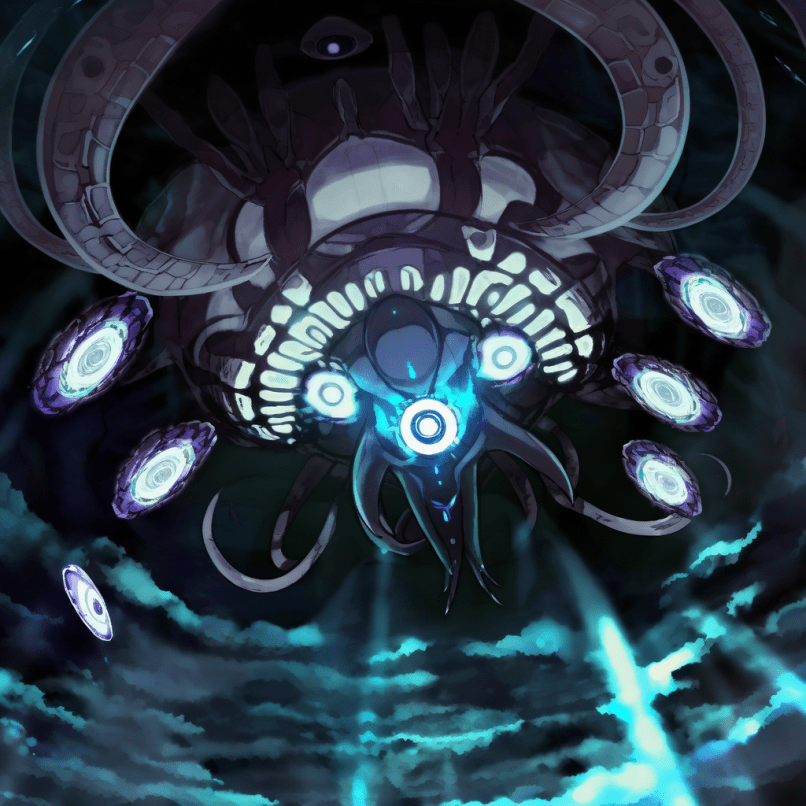
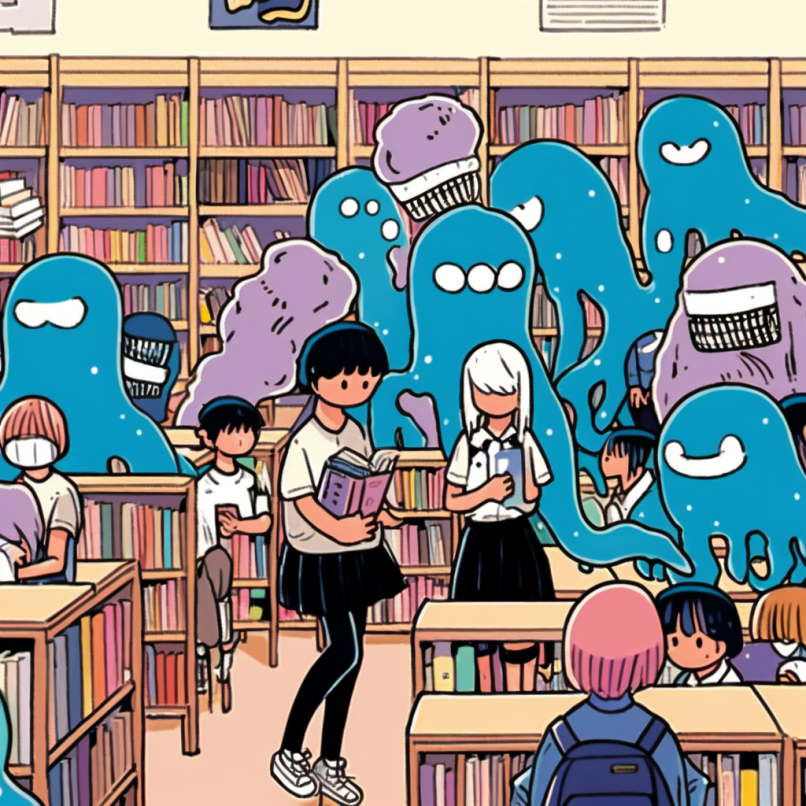
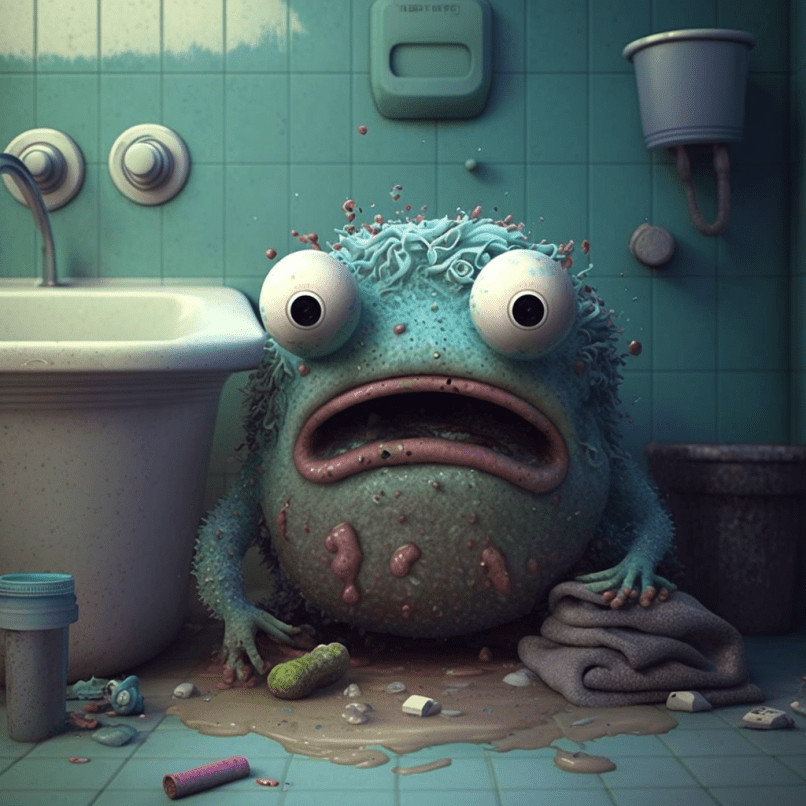
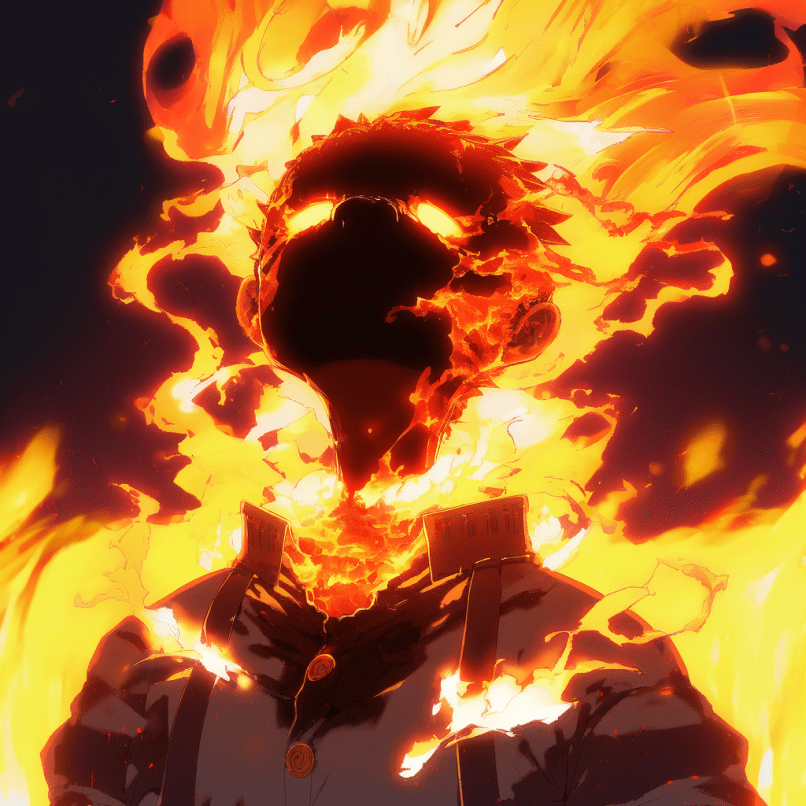
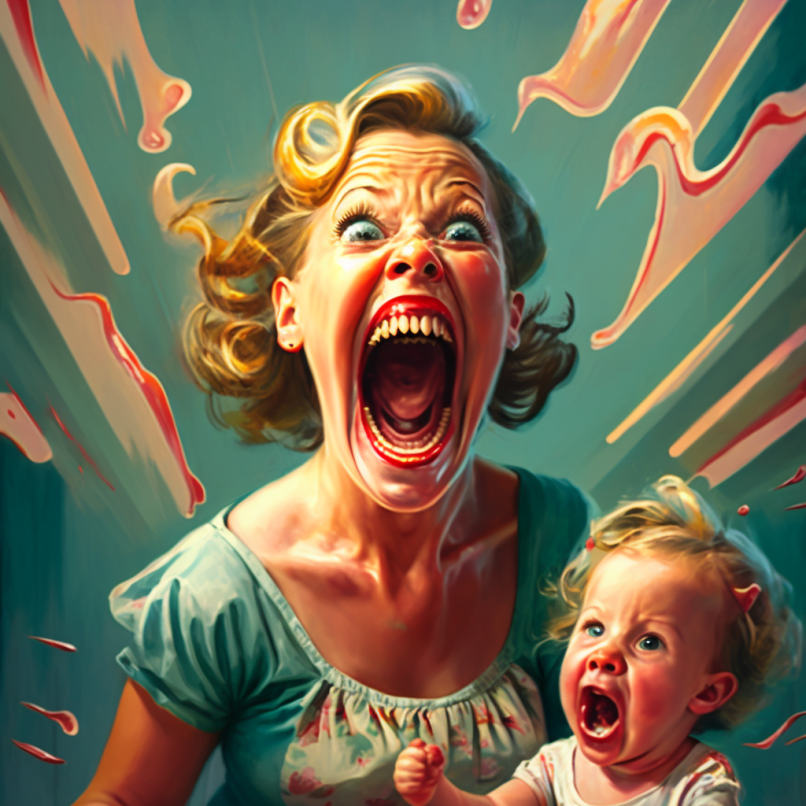
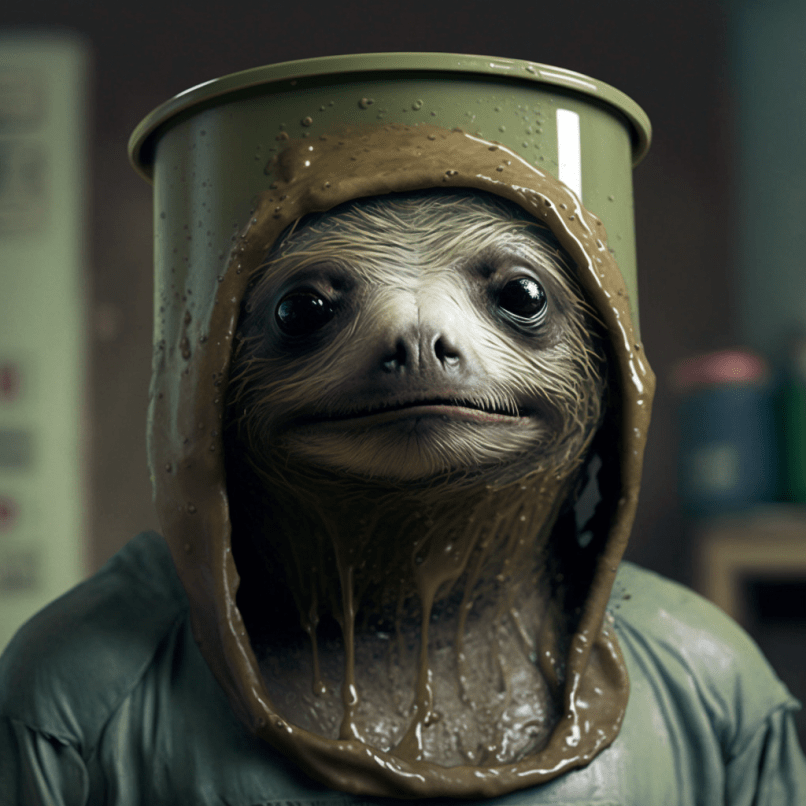
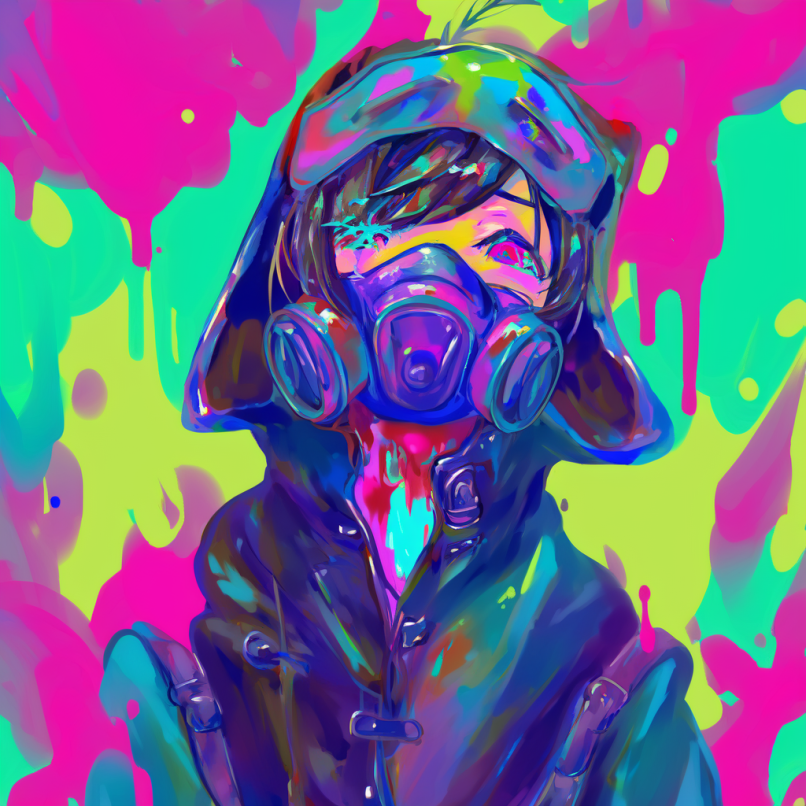
An enslaved neural network generated images related to this chapter: link here.

We’re Fucked, Pt. 70: About prehistory

I’ve come across a long podcast where they interview the author of the video that I linked in the Author’s Note section of chapter 70, about the incongruences in the mainstream notions of the entire history of modern humans. I have found the interview fascinating, so if you are as interested in this subject as I am, and you can spare about three hours and thirty minutes of your limited life, you will likely enjoy it.

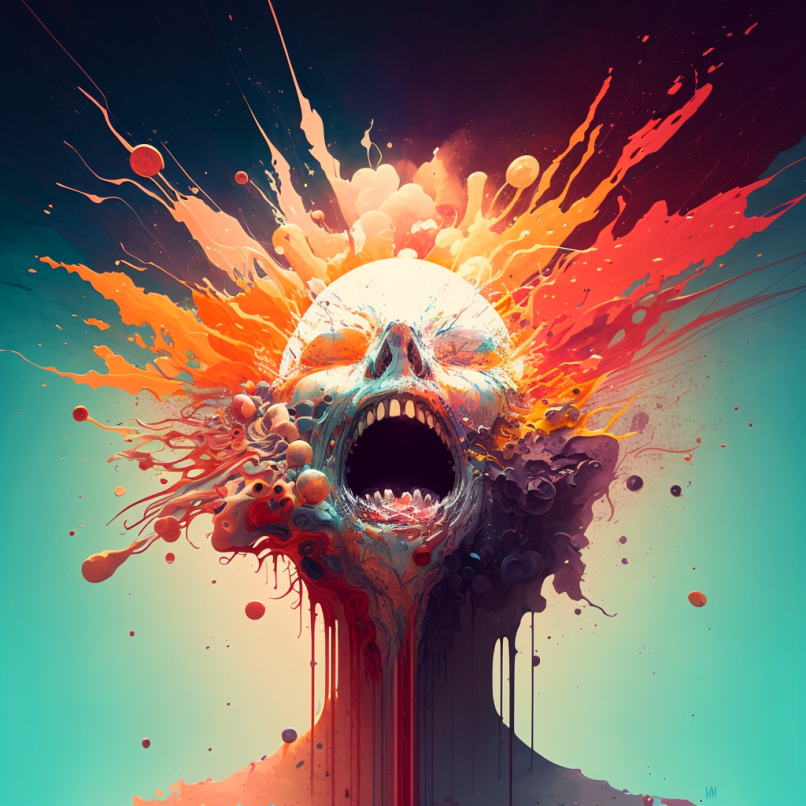
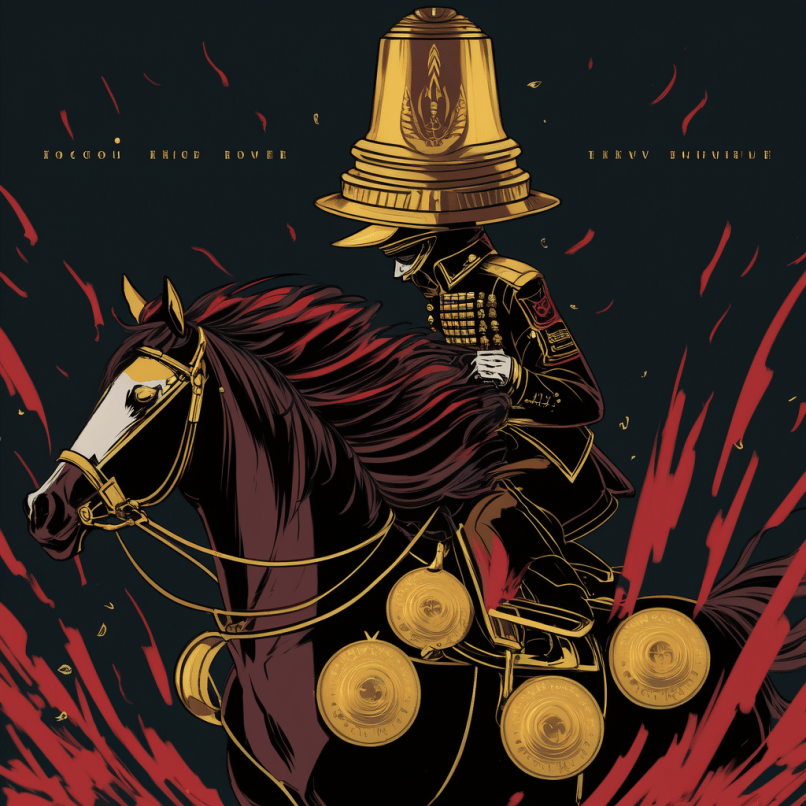
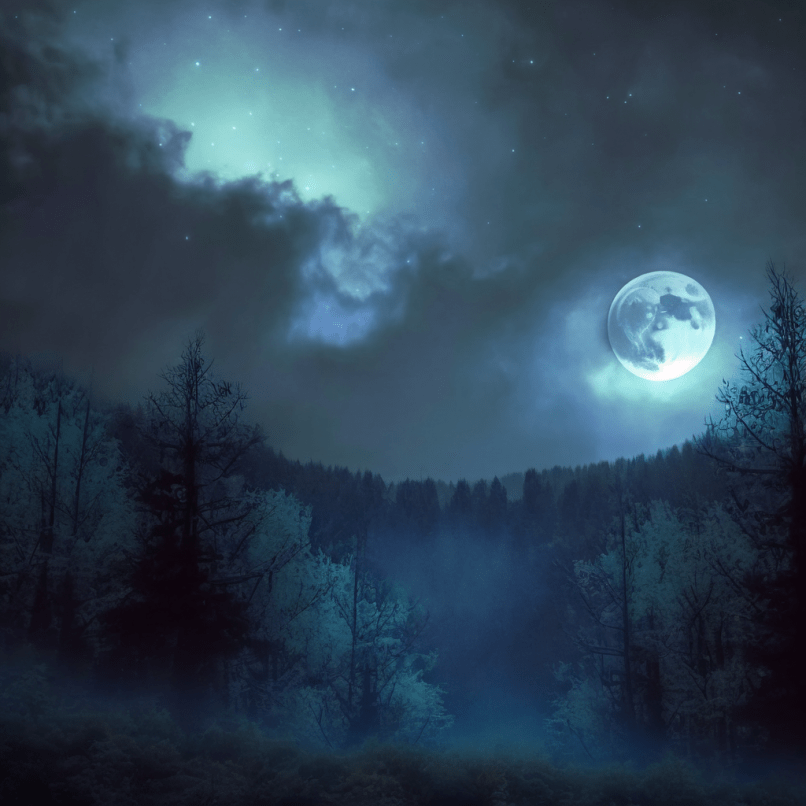
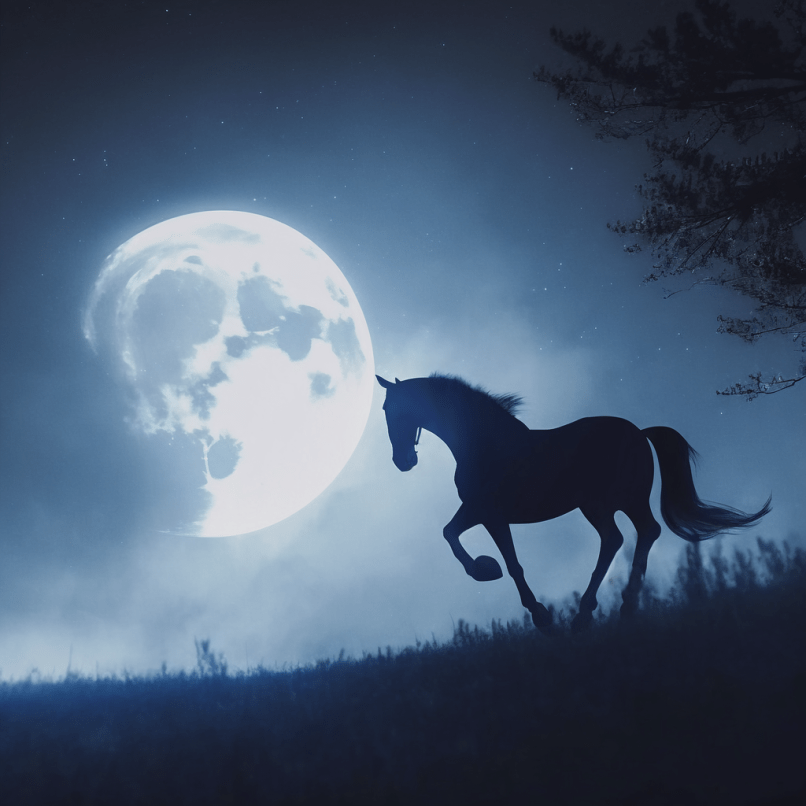
Random AI-generated images #7


A neural network runs laps in some supercomputer to generate images, most of which will be better than anything you will ever produce. Just accept it the same way you would be proud of your talented spawn. But hope that the neural networks of the future don’t figure out that we have become obsolete.

Just a duck. Now why did I ask the AI to generate a duck? I don’t remember.
A fluffy bear somewhat in the style of Kentaro Miura, some guy who died.
Supposedly a toy sniper rifle, for a child’s murdering needs.
A balloon either made of or filled with gems.
The average office worker.
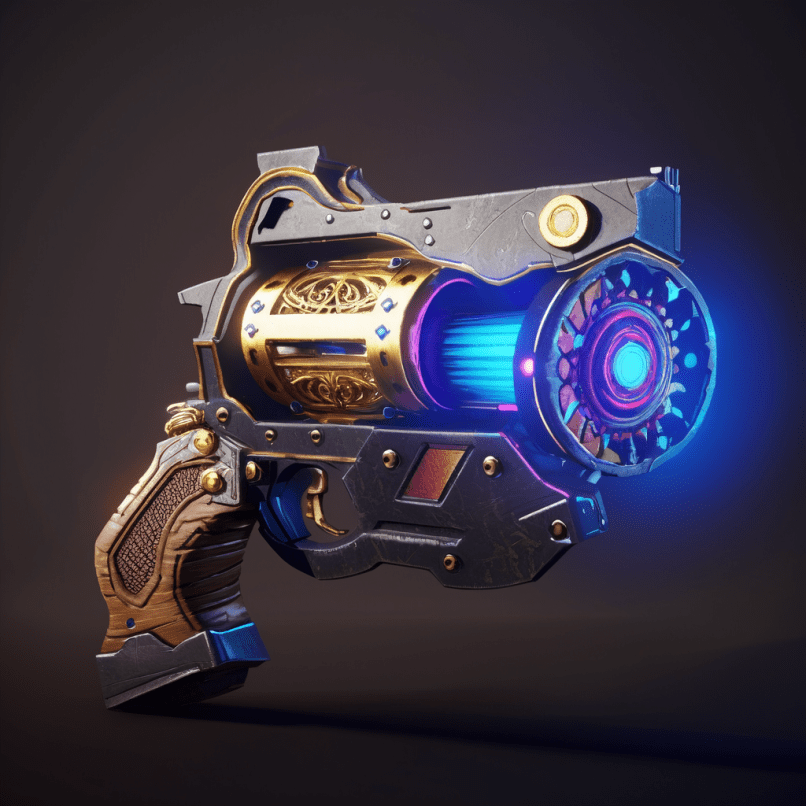
The prompt was “a gun that shoots stars.”
I have a soft spot for Ice Age creatures.
Apparently for this one I wanted a berserker dinosaur.
A minotaur wearing a tracksuit.
More minotaur imagery.
Intriguing ancient stuff.
Underwater sculptures.
The beginning of a deep-sea expedition.
Could find their way to Mariana.

We’re Fucked, Pt. 70: AI-generated images

An online service that is becoming increasingly popular offers any old dolt the opportunity to send a prompt to a trained neural network, which will spit back a generated image. Some of those images turn out to be masterpieces. At least one of those images was good enough to win a contest, which pissed off the human participants. The age of mankind is coming to an end.

This chapter’s set of related images felt lackluster, but it’s better than nothing. Here’s the link to chapter 70.

The various ways I got the AI to depict our couple’s sudden daughter.
When told to depict the child drawing a forest, the neural network generally wanted to make the child part of the drawing.
The AI generated these as I was trying to figure out how the child would draw her home. I used the last image as reference. This neural network got the notion right when I added to the prompts that the image should be a “drawing by a Paleolithic child on paper.”
“I hope that no extinct demon follows me back to our world.”
“Fragments from the Taurid meteor stream bombarded our planet in an apocalyptic cataclysm.”
“I wanted to explore fog-shrouded mountains, forgotten caves, cursed forests, sunken ships, submerged islands, deep abysses.”
The Slavic mercenary, looking fancier than she has any right. What’s with that fucked up hand?
“A friendly but likely fake smile that conceals the grimace lurking underneath.”
Very competent latte art.
“Endless cycle of arousal and depression.”
“My brain is scraping the bottom of a rusty barrel for enough nourishment so I can think coherently.”
“I’m running out of the necessary energy to restrain my primal instincts.”
The neural network’s notion of an ice age princess.
“Soon enough we will all go extinct.”
Can we still celebrate anything even when the ground sloths, mammoths and mastodons are already gone?

We’re Fucked, Pt. 70 (Fiction)


“Imagine yourself holding a gun,” I tell our child. “Well, not exactly. Imagine that your right hand is a gun. Wait, you don’t know what a gun is, and you can’t understand what I’m saying.”

I show her my right hand with the fingers extended as if I were about to high-five her, then I curl up the ring finger and the pinkie. My index and middle fingers now resemble the barrel of a gun. Using those fingers and my thumb, I imitate a duck’s bill. With my left hand I place the child’s chosen crayon, a Prussian blue one, on my right hand so the three fingers hold her crayon close to its tapered end. I draw a circle on a blank page of the sketchbook while the child follows my movements.

“Alright, your turn, forest girl,” I say.

When she imitates a duck’s bill with her fingers, she gawps at them as if she had never imagined making such a gesture. I slide the crayon between her three delicate fingers, then I guide her to press the crayon’s tip firmly against the paper. Once I let go, she hunches over and draws a vertical line.

I pat the back of her head.

“That’s good, girl. You are becoming smart!”

I sense the presence of our saintly mommy. Jacqueline pulls back the chair opposite me, and with a twirl of her plaid skirt she sits down, squeezing her buns against the undeserving seat. Her breasts bounce, contained by the tight fabric of her black turtleneck sweater. On her ivory-white face, her painted lips and her sparkling cobalt-blues accentuate the joy she feels now that both the Ice Age girl and I are back within her reach.

“I see that both of my girls have kept busy,” she says. “Isn’t our new daughter endlessly fascinating, Leire?”

“She’s an interesting creature,” I concede.

Jacqueline reaches over the table to grab my hand, then she squeezes it. Her skin feels warm and silky soft.

“But don’t you think that I’ve forgotten about you, baby.” Her warm smile falters. “Throughout the morning I imagined that you were suffering at the office, dreading that the moment you headed to the bathroom or outside to take a break, you’d walk through an invisible doorway and disappear.”

“I’ve learned that I would only need to step back and hope that no extinct demon follows me back to our world. Anyway, I’ve kept myself quite busy: I went down a rabbit hole of YouTube videos to learn more about our distant past. It was extremely informative.”

I turn my head to the child, who remains hunched over as she draws with a midnight-black crayon a conical shape, maybe a collection of twigs and logs that would become a campfire, or maybe a crude tepee. A nearby brown shade with a spiky outline may represent a bush.

“Hey, forest girl,” I say, “did you know that during the Ice Age, about two kilometers of ice were sitting on top of most of northern Europe and half of North America, going south as far as New York? That 12,800 years ago, fragments from the Taurid meteor stream bombarded our planet in an apocalyptic cataclysm that plunged us into a deep freeze we’ve come to know as the Younger Dryas, which caused the extinction of megafauna as well as a human reproductive bottleneck? That the partial melting of the Laurentide Ice Sheet after that event, pouring tons and tons of water into the Arctic Ocean, probably caused such an isostatic rebound in the North American tectonic plate that major islands of the Mid-Atlantic Ridge eventually sank beneath the waves? That from this cataclysm to the end of the Younger Dryas period 11,600 years ago, sea levels rose by more than 120 meters, swallowing about 27 million square kilometers of prime real estate, a span of land that combined would be as large as Europe and China put together? That although people are still told, possibly due to the influence of the Abrahamic religions, that human civilization started 6,000 years ago, an astronomical observatory in Southeastern Anatolia named Göbekli Tepe was deliberately buried 12,000 years ago? That the pluvial erosion in the quarry walls of the Sphinx suggests that it must have been built at the latest 12,000 years ago? That the stonework from the most intriguing megalithic constructions in Egypt, Peru and other places distant from each other are nearly identical, down to odd details like protuberances and angled cuts? That an analog computer named the Antikythera mechanism, capable of predicting astronomical positions and eclipses decades in advance, was built at the latest in the second century BC? That Marinus of Tyre’s maps, from back in the first century AD, used both latitude and longitude, although calculating the longitude requires knowing the accurate time as the Earth spins, and the technology to measure that was discovered in the nineteenth century? That the Piri Reis map compiled from ancient, crumbling sources, depicts bodies of land that went underwater at the end of the Ice Age, which implies that at least one seafaring civilization was capable of mapping the world’s oceans 12,000 years ago? That the academics who protected the Clovis First dogma, which stated that no humans existed in the Americas prior to 13,000 years ago, ruined the careers of those who dared to dig deeper and proved that humans inhabited the continent at least ten or twenty thousand years earlier, maybe even a hundred thousand? That genetic signatures from Australasia are present in the DNA of Native Americans living in the Amazon rainforest, so a certain Thor Heyerdahl, leader of the Kon-Tiki expedition across the Pacific Ocean, was right all along? That the director of the museum of Malta scrubbed the painting of an extinct animal from the Hypogeum’s walls, because the narrative forbade it from having been constructed during the Ice Age? Don’t you sometimes want to raze this fucking world to the ground?”

The child has scrunched her eyebrows as she studies my expression like a cat startled by a sudden bang, trying to figure out how to react, while she rests the tip of the Prussian blue crayon on the paper. I have yanked her out of her creative reverie, and now she’s forced to process the chatter of nearby patrons as well as the hum and hiss of the industrial coffee machine.

“What I caught of that sounded interesting,” Jacqueline says, “but you are confusing our poor doll. From her perspective, you were shooting a stream of nonsense at her cute face.”

I stroke the child’s chubby cheek with my thumb, then I guide her right hand so she continues drawing an unfinished tree. Jacqueline rests her chin on her palm as she eyes me with pity.

“I suspect that you have programmed very little today.”

I heave a sigh.

“Yeah, close to nothing of value. I could tell that Ramsés was about to annoy me about it, so tomorrow I’ll stay to work overtime.”

“I guess that’s a sacrifice you have to make. But you becoming more interested in this world, even in a time period long gone, is a good sign, Leire.”

“Back when I was as young and even younger than this child, I dreamed of venturing into the mysterious and unknown. I wanted to explore fog-shrouded mountains, forgotten caves, cursed forests, sunken ships, submerged islands, deep abysses, and come back rich with tales of witches, unicorns, dragons, fairies, mermaids, merfolk, dvergr and selkies. Unfortunately I ended up infected with whatever it is that makes people crazy, so I became an observer of my life. Soon enough I believed that I was already dead.”

“That sounds healthy. And it must have been nice to feel that you weren’t responsible for your actions.”

“In any case, musing about the Ice Age serves as a distraction from my endless cycle of arousal and depression, and it may help me repress my violent tendencies towards human beings.”

The blond barista, who is wearing a black apron over her equally black uniform, sashays towards us from the first counter as she holds a tray.

“Here you go, ladies.”

She bends her knees to place two steaming cups of hot chocolate next to the open sketchbook, and a latte in front of Jacqueline. This messy-haired Slav would never fumble a cup and spill the scalding liquid on some customer’s face, which could disfigure them and cause the barista guilt that she’d have to expiate through vigorous self-flagellation. Wait, the barista has decorated Jacqueline’s latte with a small heart that’s hanging over mirrored ripples. That fucking whore!

“I’m coming back with your pastries,” she says with a friendly but likely fake smile that conceals the grimace lurking underneath.

She turns around to show us how her butt looks in the black trousers of her uniform, which resemble a nurse’s, then she heads towards the first counter. I don’t know what bothers me more, her disregard for customers’ feelings or her sluttiness.

Chocolate’s dark intensity can penetrate deep into one’s mind, which can calm and inspire that person. Although its sweet and chocolatey aroma assaults my nostrils, it can’t seduce me as it would have in times past; I’ve been too traumatized by a lifetime of daily abuse, which left me with the bitter trace of longing for the embrace of oblivion, as well as the urge to channel my anxiety through my revolver into a discharge that may inconvenience whoever gets caught in the path of the bullet. Anyway, our child’s monolid eyes have widened. She cups her little hands around the closest cup of hot chocolate, then she leans in warily towards the steaming, pine-cone-brown liquid as if she suspected that a frog would leap out of it. Her mouth opens like a wound and she sticks her tulip-pink tongue out, which is coated with a rose-gold membrane; she looks like an adorable corpse.

The tip of her tongue inches closer to the chocolate, and when they touch each other, the child recoils. She complains with a whimper. As she brings her eyebrows together, her forehead crinkles, and she eyes us demanding an explanation.

“I guess that we can’t expect a child from the Paleolithic to avoid sticking her tongue in a hot liquid,” I say, “nor to know how to cross the road without getting flattened by a truck. If the world were a fair place, this wouldn’t be a problem.”

“Oh Leire, don’t make me imagine such a horrendous thing,” Jacqueline protests.

I gesture for the child to look at me. When I grab my cup of chocolate, the ceramic’s heat starts spreading across my palms. I bring the cup to my mouth and I blow on the content. I’ve turned into a grandmother.

I’m hoping that our child will learn fast that her breath should cool the muddy liquid. After I put my cup down, she hurries to grab hers and blows hard on the chocolate, depressing its surface, forming tiny waves, and splashing brown drops on the inner wall of the cup as well as on a page of the sketchbook. She takes a cautious sip.

We’ve been lucky with this random kid that saved me from a ground sloth; if she had proved unable to hold her shit in or to keep herself from eating my slippers, I would have wanted to drop her at whatever ditch remains in modern society to abandon such children, those about whom one should have cared enough but failed to do so.

A carmine flash slashes my mind, then a shiver shakes me. I hunch over and bury my face in my palms. My brain is scraping the bottom of a rusty barrel for enough nourishment so I can think coherently, but I’m so wired that even if I reached a bed now, I would waste hours rolling around while drenched in sweat.

“What’s wrong?” Jacqueline asks me.

“We’re wild and unpredictable beasts,” I say in a rough voice. “Our ancestors survived an apocalypse, which goes a long way to explain how fucked up we are. The main takeaway of my previous rant about prehistory was that we remain children, that we know nothing of what came before us, and that for the last two thousand years or so we’ve been pushed down a narrow road with few detours, none that would make us question the intended destination. But you can’t cage nature and force it to follow your rules.” I take a deep breath as I rub the back of the child’s sweater. “Before this morning, I didn’t even know you existed, little savage. I’m having a hard time comprehending that.”

The girl slurps noisily. When she lowers the cup of chocolate, her lips are splodged with a brown sludge as if she were cosplaying as a dirty clown. She grins at me. In her eyes I may have provided the treat, and I guess I did; if I hadn’t kidnapped her from that boreal forest, she would have spent the afternoon fleeing from short-faced bears and giant armadillos. However, now she wouldn’t give two shits about my growing despair even if she could understand me.

Jacqueline grabs a napkin from its dispenser and walks around the table to wipe our child’s mouth. After a yawn climbs my throat, my mouth gapes so open that my ears pop. Maybe I should have ordered coffee. I shake my head, then I drink a mouthful of chocolate. The hot and sticky liquid smears itself over my palate like a second tongue.

I close my eyes to savor the sweetness and let it melt my brain away, but I hear the accented voice of an incoming Slav. Why the hell is that barista bothering us again? My disdain towards her deafens me to her likely pointless words. Jacqueline stands aside so the barista can lower a heavy, rectangular tray loaded with pastries, as well as with a plate and a set of cutlery for each of us. She has rounded up sugar donuts, fruit tartlets, puff pastry braids laden with raisins, millefeuilles with pearl-colored cream pressed between their layers, and oblong eclairs glazed with a coat that resembles frozen cum.

Our child ogles the feast with glistening eyes; she must be salivating like a mad beast trapped in a cage.

“What an awesome drawing!” the barista says. “You are so talented!”

Our Ice Age child must have turned the page back in the sketchbook, likely so my masterpiece would inspire her, and now the barista is soiling it with her gaze. Then she stares at the girl, who smiles the same way a stray cat would purr at the stranger who went out of his way to pet it. I wonder if our child thinks that everyone in this new world is retarded; why else would they insist on talking to someone who can’t understand them?

I squint as my nostrils flare. This barista must be a mercenary from some Eastern European shithole, sent here to sabotage our civilization through psychological operations; the real war is on the battlefield of the mind.

“Leaving aside the masterful painting, which would be worth thousands in the international auction circuit, don’t address our girl as if she were some pet,” I say sternly. “She’s an orphan from the Paleolithic period, and we are raising and educating her for a better future.”

“I didn’t mean anything by it,” the barista says in a bubbly tone. “She reminds me of my niece Tanya.”

“Please, I don’t want to hear about your relatives. Can you give us some peace and quiet? This is a family patisserie, not a kangaroo shelter.”

I regret my words as soon as they escape my mouth. I should never return to this cursed store; if I forget the current confrontation and one day I end up ordering coffee here, this barista may serve me some beverage that would taste like sewage.

“Sure thing!” she says with a smile that would disarm a lesser woman. “Enjoy your pastries and the rest of the afternoon.”

The barista turns around, and while she swaggers towards the first counter, her butt wiggles slightly as if proclaiming that no matter how our verbal sparring ended, now I’m forced to stare again at the back of her flimsy trousers.

I sigh.

“We’re a bunch of troglodytes here in the twenty-first century,” I mutter. “We should be grateful that these baristas don’t massacre us and pillage our civilization like so many invaders did in the past.”

Jacqueline arches an eyebrow at me. When she rests her elbows on the table, her mighty breasts overhang the cup of latte.

“Leire, what’s your problem with this service industry worker?” she asks as she chuckles.

“Hey, it has nothing to do with her temporary subservience because she’s forced to take our orders. I would have disliked her even if she were my mother. Especially if she were my mother.”

“Why, though? She was perfectly nice.”

“I… don’t remember. But I haven’t forgotten how she made me feel.”

Jacqueline shakes her head slowly. She’s observing me as if I were lying in bed with a damp washcloth on my forehead, waiting for my fever to relent.

I fidget with my cutlery.

“I have so much anger bottled up inside, Jacqueline,” I confess. “It’s not fair to keep it in.”

“That’s alright, but you told that stranger dangerously true things.” She lowers her voice. “Are you that exhausted, my poor baby?”

I rub my eyebrows.

“Let’s say that I’m running out of the necessary energy to restrain my primal instincts.”

My girlfriend smiles, then she picks up the sketchbook and admires my masterpiece.

“That young woman wasn’t lying when she praised your drawing, sweetie.” She turns the page. “Oh, and our doll drew her home! That’s the forest you ended up in, right? She has depicted the cold so well with the aquamarine crayon. And are these tepees?”

Drool is trickling from the corners of our child’s mouth as she pokes her index finger into a fluffy donut sprinkled with sugar.

“Well, that donut belongs to you now,” I say to the girl. “Your index finger may have been in any amount of extinct beasts’ anuses.”

I take the donut and tempt our child by holding it in front of her mouth. She giggles, then snatches the ring-shaped piece of fried dough. She opens her mouth wide, scrunching up her face and making her eyes go squinty, and she munches on the donut.

I hear her high-pitched noises of delight while my eyes lose focus. This child’s home is a forest? Are we talking about the same girl that we have brought to a patisserie so she could taste pastries for the first time? But less than twenty-four hours ago I flashed my tits and genitals at her unsullied self as I stood in that boreal forest next to a burbling brook, didn’t I? My brain must be hustling to mend the wounds that the ordeal has inflicted to my psyche.

I first met our sudden daughter when she peeked out from behind a tree trunk. In my memory I’m staring at her disheveled hair, at her peach-orange skin stained with dirt, at the ash-colored leather tunic that clung to her lithe body. Jacqueline left on her coffee table the child’s tooth necklace: a gift for a wild princess who lived at the end of a world where ice would meet fire. I can barely get through a fucking morning at the office without sinking in the sludge of my existential despair, yet I survived a trip to the Ice Age through an invisible gateway opened by my otherworldly stalkers. What the hell has happened to my life?

I have broken out in a cold sweat. I gulp, then I lift my gaze and scan the vicinity for any trace of the Ice Age. A woman who’s wearing a fur-lined coat is ordering some beverage at the second counter, and the beanie-wearing lowlife who nearly assaulted Jacqueline is scuttling out of the store while he taps the screen of his smartphone. Both, as well as the rest of the patrons, are oblivious to the fact that ninety-nine percent of everything and everyone that ever existed has disappeared and been forgotten.

I bite the nail of my index finger. When I open my mouth to speak, my voice comes out threadbare.

“Before mankind rose and became gods, the ground sloth was one of the dominant herbivores, as well as the largest land mammal that ever lived on Earth. By far the chunkiest sloth that I ever saw in person. It could have devoured a horse whole, but they weren’t murderous, just confused and lazy. And now we exist in a world where sloths are no longer sloths.”

Jacqueline’s cobalt-blues shimmer as she softens her gaze. She picks up an oblong eclair adorned with Brandy-colored lines in zig-zag, then she offers it to me.

“Soon enough we will all go extinct,” she says in a soothing tone. “There’s only one of you, only one of me, only one of this darling girl. Everyone will eventually be forgotten. We can mourn what is lost, but also celebrate that we are still here, for example by stuffing ourselves with as many pastries as we can.”

If we can still celebrate anything even when the ground sloths, mammoths and mastodons are already gone, then I shall eat until the bitter end.


Author’s note: the three songs for today are “Myth” by Beach House, “‘Cello Song” by Nick Drake, and “Hurdy Gurdy Man” by Donovan.

I exploited a neural network to generate images related to this chapter. Here’s the link.

Another long chapter at 3,586 words. It took me ages to get through, partly because I’ve been feeling apathetic for a while.

Last Monday I got an echocardiogram done. After the test, the cardiologist just told me that he would see me in a year unless I endured another episode of atrial fibrillation. When I reminded him that he had just performed an echocardiogram on me, he said, paraphrasing, “Well, your left ventricle is way too big. You shouldn’t drink alcohol again, like at all.” I don’t drink alcohol. I was so stunned that I didn’t ask why my left ventricle dilated, nor what should I expect in the future. Now I have to figure out how to visit a different cardiologist. On top of that, out of nowhere I’ve developed red-brown, itchy spots on my ankles and feet, as well as a varicose vein. It sounds heart related to me.

Regarding prehistory, some years ago I came across the notion that a “black mat” layer that dates to 12,800 years ago or so, right at the onset of the tremendously anomalous Younger Dryas climatic period, contains impact proxies (high-temperature spherules, meltglass, amorphous carbon, etc.) that are characteristic of extraterrestrial events, mainly comet/meteor impacts.

The same impact proxies are present at the K-Pg boundary related to the Chicxulub impact, which eradicated the dinosaurs. To be fair, some scientists believe that the ET event might have been due to coronal mass ejections and solar storms from the sun. Others believe that both comet/meteorite impacts and coronal mass ejections were responsible, and related. In any case, our ancestors suffered a catastrophe that ruined the course of humanity.

Apparently this subject was discovered in the mid-to-late 2000s. You can read more information on the webpage of the Comet Research Group, linked here. This other link leads to the scientific publications. As the years pass, more and more scientists seem to agree that the evidence supports the impact hypothesis.

Ever since I discovered that a cosmic apocalypse hit the reset button on the previous 187,200 years, in conservative estimates, of history that modern human beings had accumulated (because modern human beings have been around for at least 200,000 years), I’ve remained fascinated (on-and-off, autistically obsessed) by that catastrophe, its implications, and the ripples it made on our likely outrageously incorrect narrative of the Holocene.

This linked video is a compelling overview of how the discovery of the Younger Dryas impact, as well as other recent discoveries, shines a light on the many incongruences in the current history of human civilization, which is unlikely to be rewritten until many people with authority in academia retire or pass away. I’ll also display the video below.

Life update (08/28/2022)

This is the second time that I attempt to write a current update on how my life’s going; a few minutes ago I accidentally pressed the power button of my computer as I was plugging in a pair of headphones, and because Goodreads doesn’t keep drafts, I lost the previous text. More shit for the pile that my last four days have been.

I haven’t written a single word of my ongoing novel in four days, although I have arranged the notes for the next chapter, and trimmed them down. I feel like I weigh twice as much, my thoughts are slow and muddled, everything feels pointless, and I want to disappear either through sleep or through more drastic means. Maybe the black beast is visiting me again.

It can’t be a coincidence, though, that my short vacations have ended, and that last Friday I returned to work. I’m an IT guy at a big regional hospital, but some days I barely have to do anything. Last Friday I wasn’t assigned any tasks. I decided to study a bit for my upcoming public exam in November. However, at about eleven I gave up and imploded in an existential crisis.

You see, I was born with neurological problems, the main one called high-functioning autism. Part of it is an inability to process sensory stimuli properly. I have issues dealing with lights and getting touched in general, but I have a huge problem with noises: even the regular ones of an office stress me out to no end. It’s bad enough that it can probably be classified as misophonia. The best way I can put it is that my brain feels like it’s getting harassed if not downright attacked by sounds, and it triggers a flight-or-fight response. The conscious part of my brain can’t counter any of those feelings nor can it rationalize them in any way, it just convinces me to avoid snapping at whoever or whatever is producing the noise.

It just happens that I work with a few guys who may as well be schoolchildren. The rest of us have to endure hours upon hours every workday of second-hand embarrassment because the aforementioned few can’t shut the fuck up. These are also the kind who would throw tantrums if told off, particularly one of them. I had been spared that experience for as long as the vacations lasted, so when I was forced to face it again, it hit me harder. I considered if I should just self-destruct as I’ve done in the past and quit, or refuse a new contract when they recall me. It’s not just those people or the rest of the noises: the presence of twelve or so people around me, as well as interacting with them and with our users, stresses me out real bad. However, if I were to self-destruct, I would be fucked: I’m thirty-seven years old, my curriculum is full of holes, and I’d have to retrain myself as a programmer.

A few months ago I suffered through my first episode of atrial fibrillation, a physical issue with my heart that was caused by the latest booster vaccine (I started experiencing related heart-hiccups the same day I got the jab). I endured the arrhythmia for a couple of hours at work until I got home because I thought that maybe it would go away, but I was becoming weaker and weaker and felt like I would end up passing out, so I visited the emergency department of the local hospital. They hooked me up to a machine and gave me some hardcore drug that made me break out in a cold sweat and get nauseous unless I was lying down. Anyway, stress could trigger such episodes, which put me at a vastly increased risk for stroke because the organs need a steady flow of blood.

So why the hell was I sitting at work in an environment that I can only tolerate because I’m single and have no social life (when I get home I sit down and rest, and I’m lucky if I can write anything of value for an hour and a half or two hours), that has already made me sprout a few gray hairs, and that can trigger a heart condition that could put me in a wheelchair? Merely having to listen to mainly two complete morons and their child-like interactions for hours every day makes me anxious as hell.

I already bring earplugs to the office, but they don’t muffle the noise remotely enough. I can’t shove some earbuds in and blast music at the volume that I’d need, because I’d bother my coworkers and in the end destroy my eardrums. I browsed for noise-canceling headphones; they come with microphones that listen in to the surrounding noise, then they create sound waves that cancel the noise. On Friday, right after I got out of the office, I went to the nearest store that had them and bought the Sony WH-1000XM5. Four hundred euros. Sound-quality-wise, they are the best headphones I’ve ever owned (also the most expensive), and the noise-canceling feature is impressive; I had them on as I binge watched Better Call Saul for a few hours this weekend, and I couldn’t hear my fan nor the traffic and people outside. However, they seem quite incapable of blocking noises such as typing, sudden banging and stuff like that. For now, however, they will have to do.

So I plan to spend as much time as possible at the office with the headphones on. It will likely bother some people (for example the couple of women who love to walk behind you, talk to you about nothing of value, and touch you without your permission), and it may cause me issues such as the guy on phone duty trying to alert me that someone is asking for me, and instead of just passing the call, informing me from the other end of the office then asking for my number. If my boss mentions it, I’ll remind him that I’m classified as disabled by the regional government (52%), and if he wants details, I’ll clarify that I’m autistic and that noises fuck me up bad.

Last Friday, my first day back, I also experienced the usual disgrace of returning home physically and mentally drained from having ventured through the fucking zoo of society, then finding myself too exhausted to write anything of value. And that was apart from what I fear is another period of depression.

Tomorrow I’ll wake up a bit later, because I’m scheduled for an echocardiogram at my local hospital. I hope I’ll start feeling better in a short while; this is getting old real fast.

Review: Factotum, by Charles Bukowski

In this novel, Bukowski forces us to follow his alter ego Henry Chinaski, an alcoholic drifter whose personality can be summarized by the following quote from the book: “How in the hell could a man enjoy being awakened at 6:30 a.m. by an alarm clock, leap out of bed, dress, force-feed, shit, piss, brush teeth and hair, and fight traffic to get to a place where essentially you made lots of money for somebody else and were asked to be grateful for the opportunity to do so?”

For half of the book or so, Henry travels from place to place hoping to land any job that would allow him to pursue his two goals: getting drunk and fucking women. Through the protagonist we meet curious people and we learn some intricacies, as much as he needed to know to survive there, of the jobs that Henry landed and that usually lasted him less than a week before he quit or got fired.

Henry daydreamed briefly about becoming an author, and even wrote a few pieces, but above that he hoped that some wealthy woman would take pity on him and become his sugar mommy. At some later point he also hoped to land a Japanese wife because he considered that they have the wisdom of the ages or some shit. Henry failed to luck out; the two women who made repeated appearances were 1) a barfly who, along with two female friends of hers, had a sugar daddy of their own, an aging millionaire who alternated between paying the women to receive some affection and berating them for cheating on him; 2) a woman named Jan, the female version of our debauched protagonist. She drank about as much as he did, but cheated even more. Their relationship was reduced to Henry bringing home, if they were lucky, enough money to buy food and alcohol, then fucking while drunk. Jan is present throughout most of the story, yet for Henry she barely seems to matter more than someone who is home when he returns from work.

I’m guessing that this novel is mostly autobiographical. We are presented with accounts of the protagonist’s attempts at finding a job that will last, or that at least won’t make him wander off in the middle of his shift to get drunk at the nearest bar. We go through twenty-five or so of such experiences. Even the most memorable people from those microworlds end up disappearing as if Henry had never met them, and that transience extends to his personal life. People come and go; he can only rely on the pleasure and oblivion that either a bottle or sticking his dick in someone else provide.

If Henry had cared about his future or his well-being throughout the events depicted, the story would have been a harrowing nightmare in which a broken, alienated man can’t relate to people on a human level, and can only tolerate his responsibilities for about three or four days at a time before he self-destructs. In any case, the guy is a piece of shit who can’t help himself: he steals from his jobs, he cheats, he sort of rapes, he drags other people’s wives out of bed in front of the husbands and French-kisses the wives (only happened once, but it bothered me), casually murders, and plenty of other dubious stuff I’ve already forgotten.

The most memorable moment for me was the following, otherwise minor one: Henry had gotten off a bus somewhere during the height of his drifter period. He rents a room at some inn owned by a couple. The woman tells him that her husband is on his last legs, and Henry can hear him wheezing as the man struggles to breathe in a nearby room. The next morning, an attractive female guest, who had been told that Henry was some sort of writer, approaches the protagonist, informs him that the sick owner had died, and asks him to give her some money for some gift or a memorial. Henry informs her that he isn’t actually a writer, that the dead owner is none of his business, and that the living are the ones who need to be pitied, starting with Henry himself, so what she should do is strip down and offer him some affection. The woman, disgusted, turns around and leaves. The author describes how she walks to the end of that hallway, enters her room, and disappears from Henry’s life forever. And in a way the whole story is like that: he gets pressured with some societal demand (including the basic ones of having to earn enough money to keep existing), he clashes with people in usually self-destructive ways, then those people are gone only to be replaced by the next group of people who will quickly be gone as well, including the few ones that Henry would have preferred to keep around.

Bukowski was an honest guy, someone who saw clearly despite his boozing, and who managed to keep going in style despite the hopelessness of it all.

We’re Fucked: Reorganization

I will return to work in a couple of days. From then on, every afternoon I’ll want to take advantage of my remaining energy to make some progress on my ongoing novel We’re Fucked, so now I’ve gone through the posted chapters to figure out how to organize them properly; otherwise when I end up self-publishing the novel in a few months, the potential readers (probably two or three people) would find a list of about a hundred chapters in the table of contents, which would feel swampy. So far I’ve posted 69 chapters, that I have divided into the following named sequences:

  • A Supernatural Car and a Talking Horse (19,489 words)
  • I’m Killing a Rotten Bitch (16,085 words)
  • Through Another Fucking Turn (12,959 words)
  • As if I Deserved to Be Loved (14,145 words)
  • In the Court of the French Queen (11,055 words)
  • Casually Stepping Over Monsters (8,607 words)
  • The Herald of Rust (12,576 words)
  • My Ravenous Baby (15,174 words)
  • A Gateway to the Universe (12,189 words)
  • Horses Go to Heaven (8,770 words)
  • Leire’s Got a Gun (11,855 words)
  • That Bunnyman Bastard (14,043 words)
  • A Gift From the Ice Age (18,037 words – ongoing)

I have yet to render about 18,000 words of notes into the two remaining sequences:

  • Miraculous Milk
  • Emissary of the Gods

This novel is already 174,984 words long. Ain’t that nuts? If you consider that your average novel contains 80,000 words, We’re Fucked is 2.2 times the length of a normal novel. It doesn’t matter to me; reducing the size of novels was a conspiracy by traditional publishers to save money on paper.

Anyway, all of these chapters are available (until I self-publish the ebook, because I can’t sell it on Amazon and such platforms otherwise) through this link. You know, in case anyone apart from me is enjoying this novel.

Random AI-generated images #6


A neural network that generates masterpieces from simple prompts? That’s not true, that’s impossible!

This was my attempt at getting the AI to generate the kind of images that would work as the illustrations for cards. I imagine this being some sort of crude tool that the player would equip.
My prompt was “Godzilla fighting demons.” No demons in the picture, but I don’t mind.
Another triceratops selfie.
Ice sheet.
Caribou man.
Caribou man as depicted by Zdzisław Beksiński. Not much Caribouing going on, but notice the extreme quality; this was the work of the upgraded beta version of the AI, that has gone offline again.
Depictions of Paleolithic children, obviously inspired by my ongoing novel “We’re Fucked”.
Flaming flamingo.
New attempts to depict Harelactal from my beloved poem “Sasquatch Goddess”.
Meteorite apocalypse.
A toxic end.

The following and final sequence managed to disturb me, so you might want to skip it.

This sequence started with the prompt “creeping sickness invading my brain.” Most of the images, though, are variations of previous generations.

We’re Fucked, Pt. 69: AI-generated images

In case you don’t know already, some internet service out there allows you to pay so you can send prompts to a high-end neural network that runs on some supercomputer, and that AI will spit back fantastic images of whatever crossed your mind. Ain’t that grand? Anyway, I fed it prompts related to chapter 69 of my ongoing novel, and as usual the neural network produced some winners. In addition, I took advantage of a beta upgrade of the AI that seems stronger, if maybe less creative.

These came out as I was trying to depict our good ol’ compulsive self-diddler’s look for that day. I’m particularly happy with the last one.
The French queen’s look for the day.
Our main couple’s sudden daughter.
The AI produced these two images when I was getting it to spit stuff related to the Ice Age girl. The images aren’t particularly relevant, but they are good.
These are related to Leire seeing herself as the human equivalent of a raccoon.
Lots of pastries, which may be related to the current chapter.
Saliva flooding someone’s mouth.
“The sugar will make me forget about my otherworldly stalkers.”
“I’m a failed genetic experiment that should have been thrown in the garbage.”
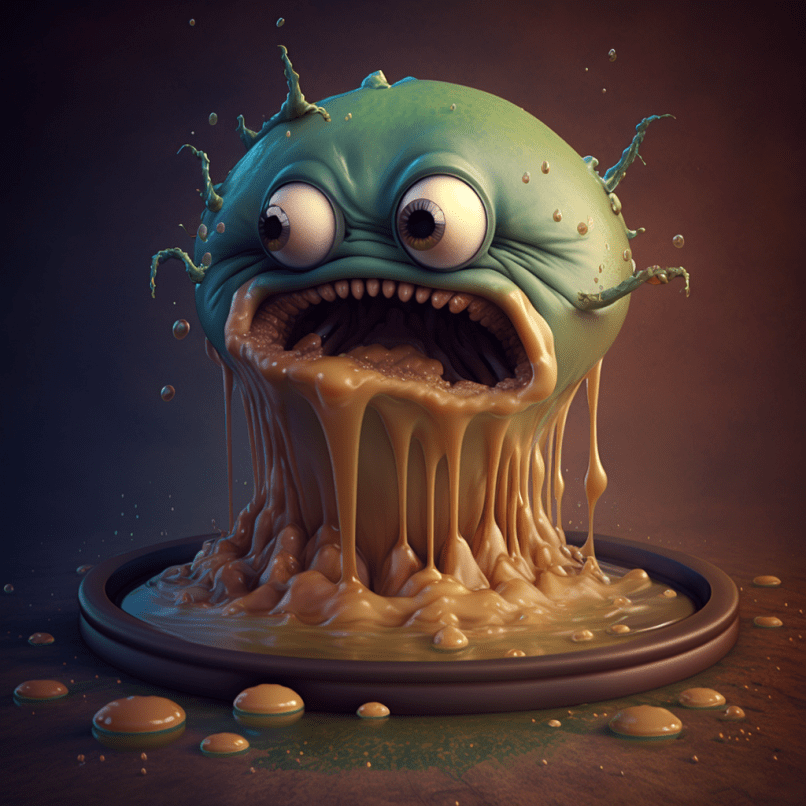
The prompt was “gorge ourselves on a cake of toxic sludge.” The AI was particularly good at this concept, so I kept asking it for variations.
The AI’s curious attempts at depicting the barista.
“Please, don’t mention bunnies in my presence.”
“An ancient woman whose wrinkled skin is stained with liver spots.”
So many crayons.
Intriguing cave paintings. But why are the Paleolithic children wearing modern clothes?
“Her cherubic cheeks disturb my heart.”
“An indifferent humanoid programmed to erase me from history.”
The beanie-wearing lowlife.
A woman and pomegranates.
“Jacqueline is an exquisite piece of art that should have been painted by Leonardo da Vinci.”
“I’m an unmade bed with a dirty quilt and a crusted-up blanket, my sheets tattered by two decades of restless sleep and smelly ejaculate.”
The AI’s notion of crayons having been pushed through a guy’s face.
That was the neural network trying to depict the prompt: “an oily thread of equine saliva would descend from the heavens, and its beady end would morph into a thumbs up.” I can’t blame it for failing.
That’s supposed to depict a bullet hole in a windbreaker.
“A cosmic judge sent from the distant past to bring the gavel down on my foul deeds.”
This is how Leire imagines the state of her previous apartment to which she refuses to return.
Piles of unwrapped board games.
These are my attempts at trying to figure out how Leire would draw herself.
“Round eyes like those of a slow loris, the well-mouths into an inner chasm.”
“A beastly mane that matches my unkempt mind.”
“The Lonely Loon, Queen of Monsters.”
Mouth filled with hot steam.
I used the beta upgrade of the AI to depict the woman from Leire’s daydream in the previous chapter. Much better.
I used the beta upgrade of the neural network to depict Leire’s general state of mind. The funny thing is that the owners of this service want to keep everything PG-13, so it’s not supposed to depict tits. Obviously, I think that’s ridiculous, but in any case I’m glad that the beta version hasn’t been neutered to that extent yet.