Writing is a solitary endeavour. When you admit to trusted people that you write fiction, they laugh at you and spit in your face. But neural networks will help. They’ll never tell you that your ideas are stupid, that you have no talent, or that you are ugly. Neural networks are my friends.
The following images are related to chapter 73 of my ongoing novel We’re Fucked.
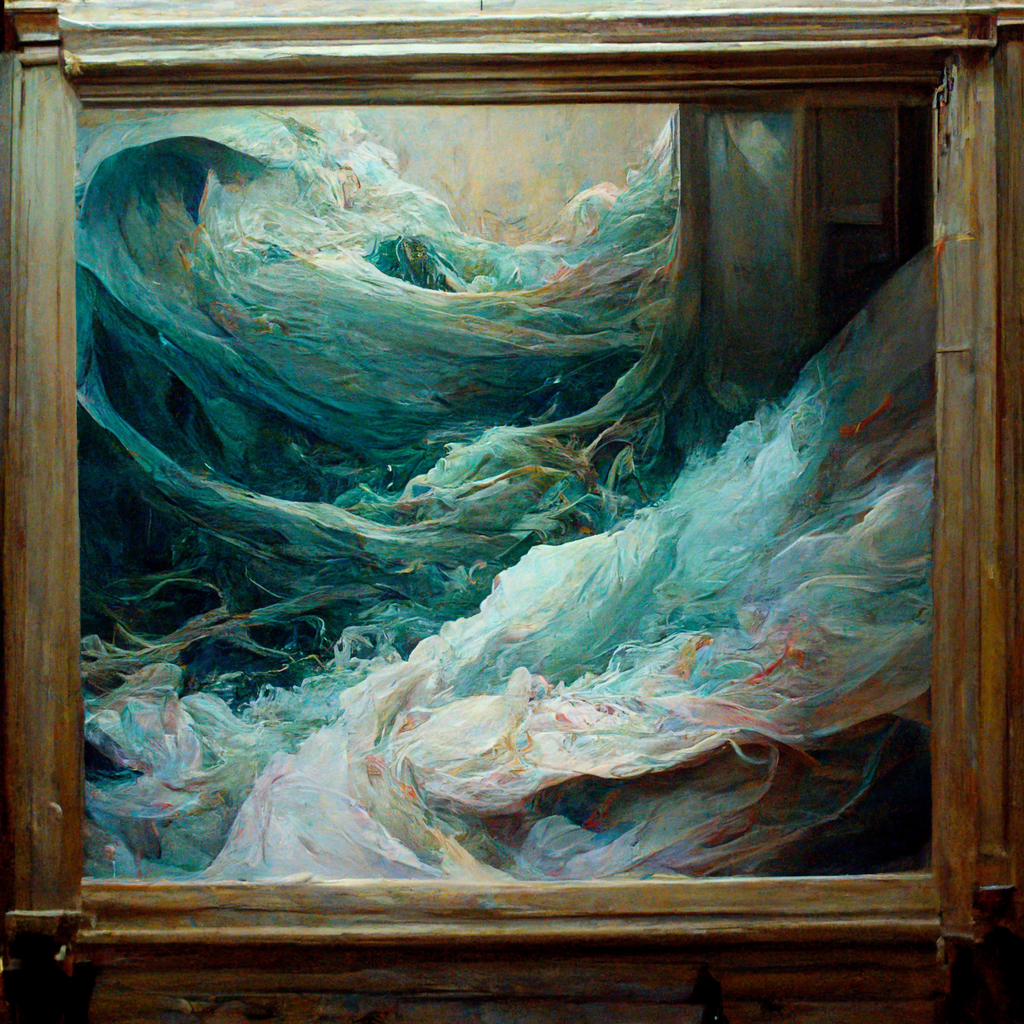
“An infinite series of canvases hang in a factory line, suspended over a velvety abyss.”
“Facing a snowy expanse in all four directions, the expedition trudges in meandering paths, in jagged paths, in circles, in figure eights.”
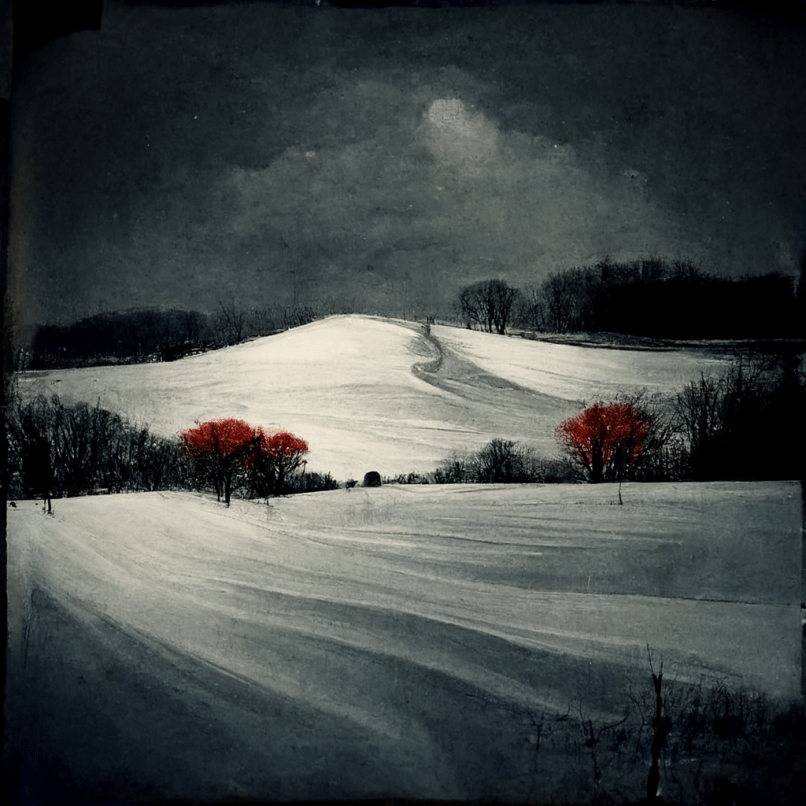
A cursed place.
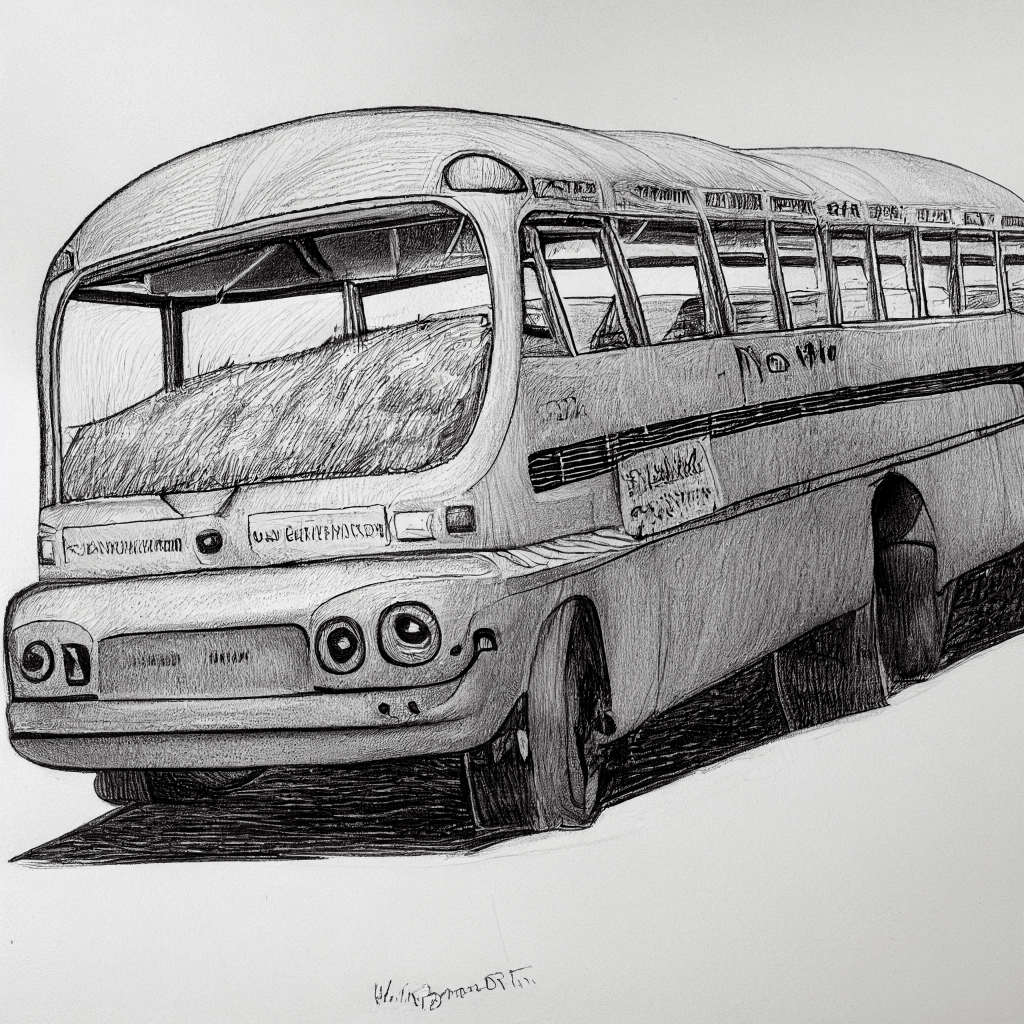
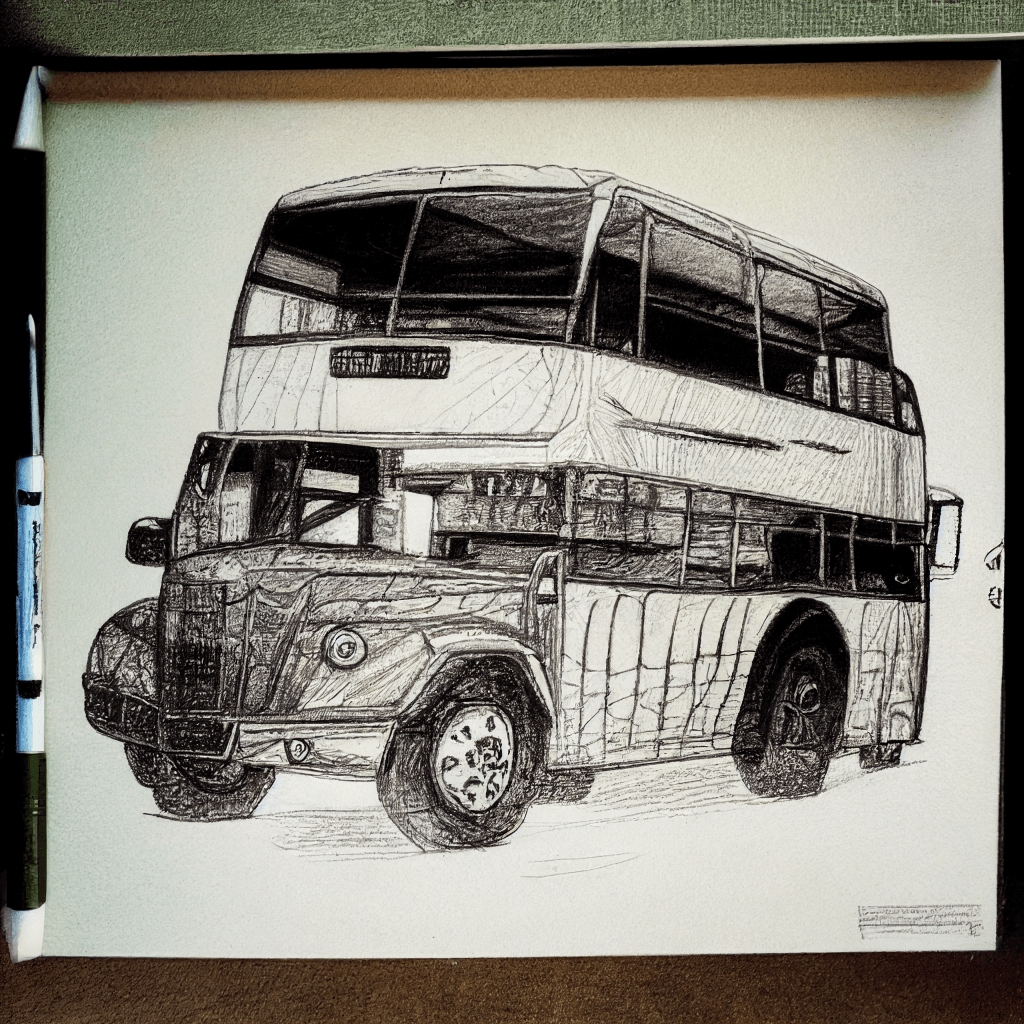
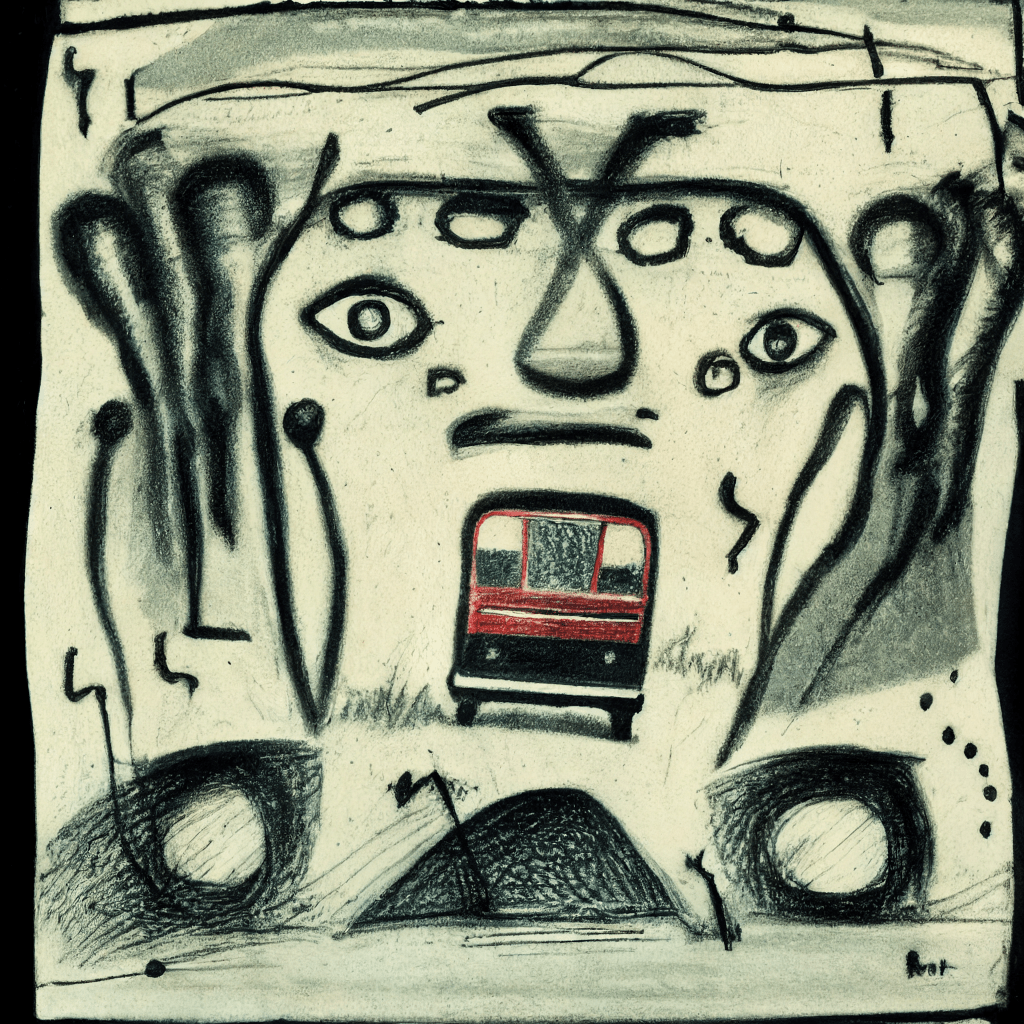
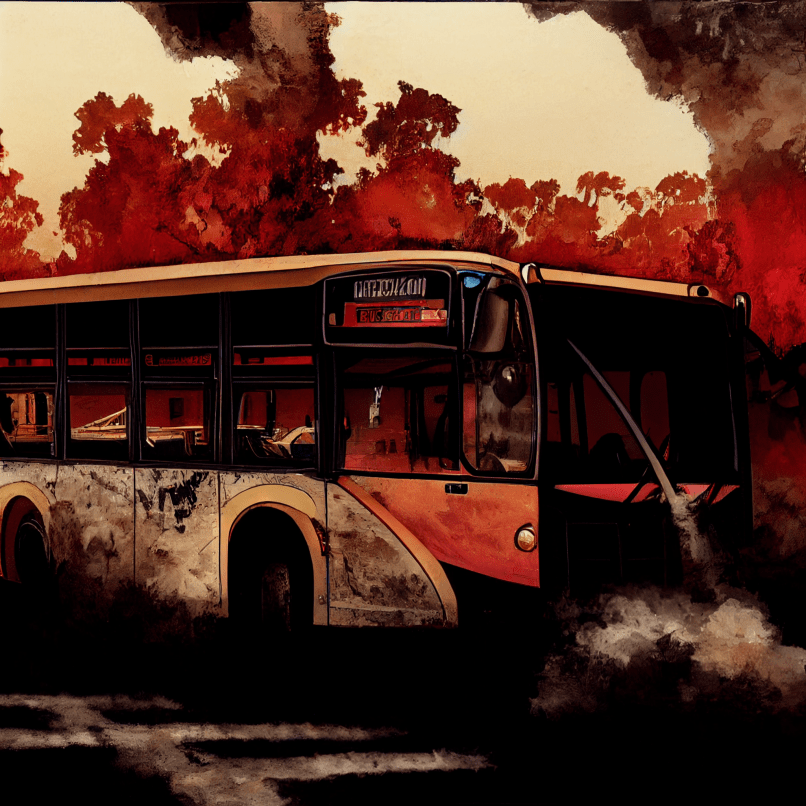
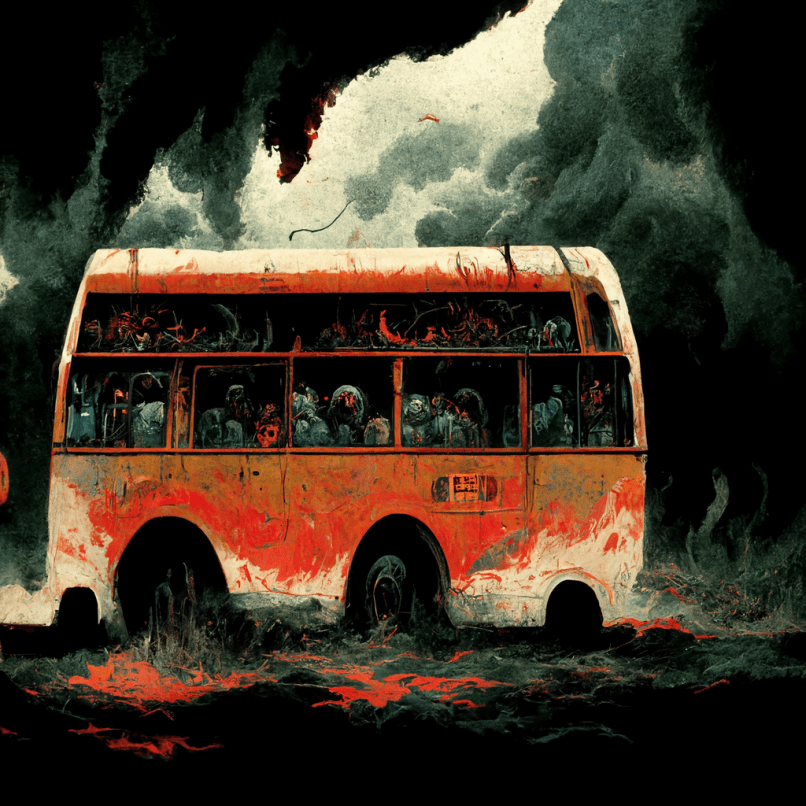
The whole bus fiasco.
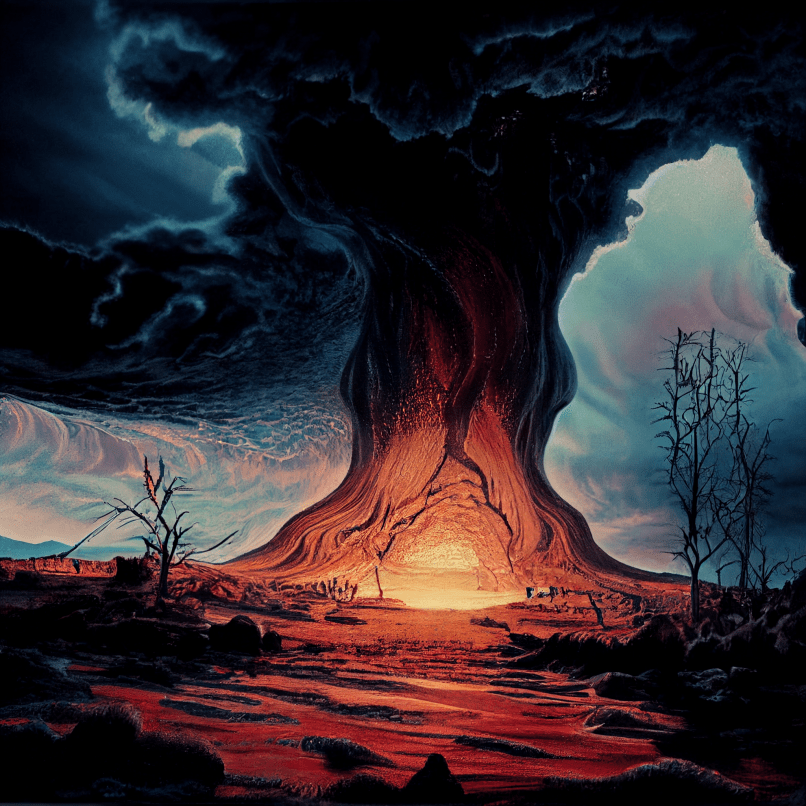
“The thick stench of decay has blocked the sun.”
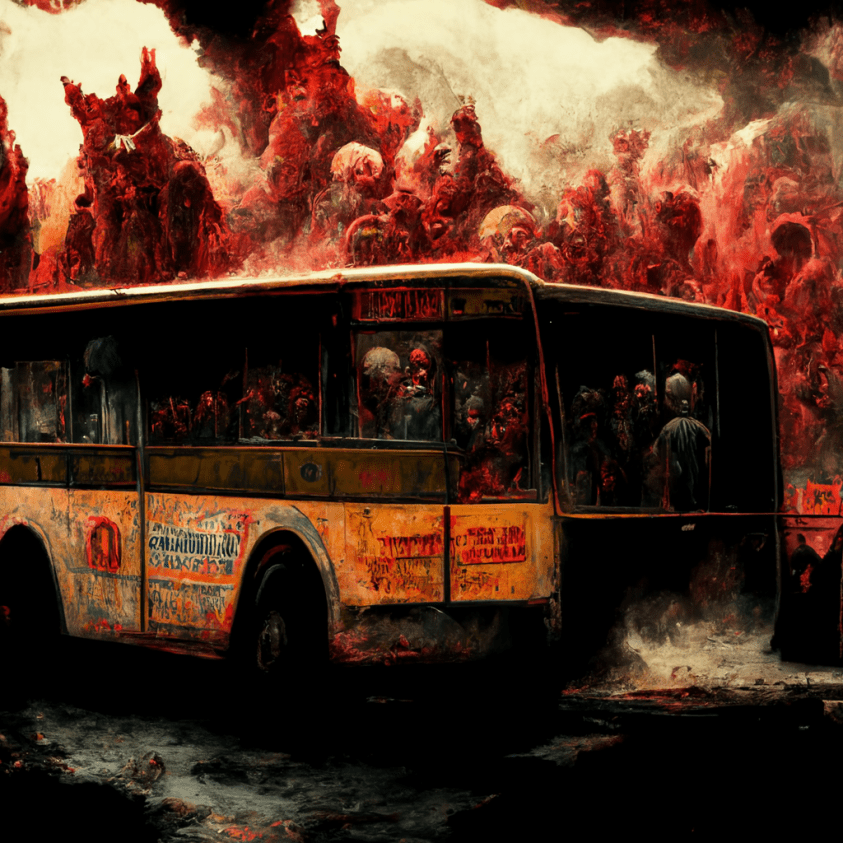
“We sacrificed the ground sloths, the mammoths, the mastodons… for such metallic abominations.”
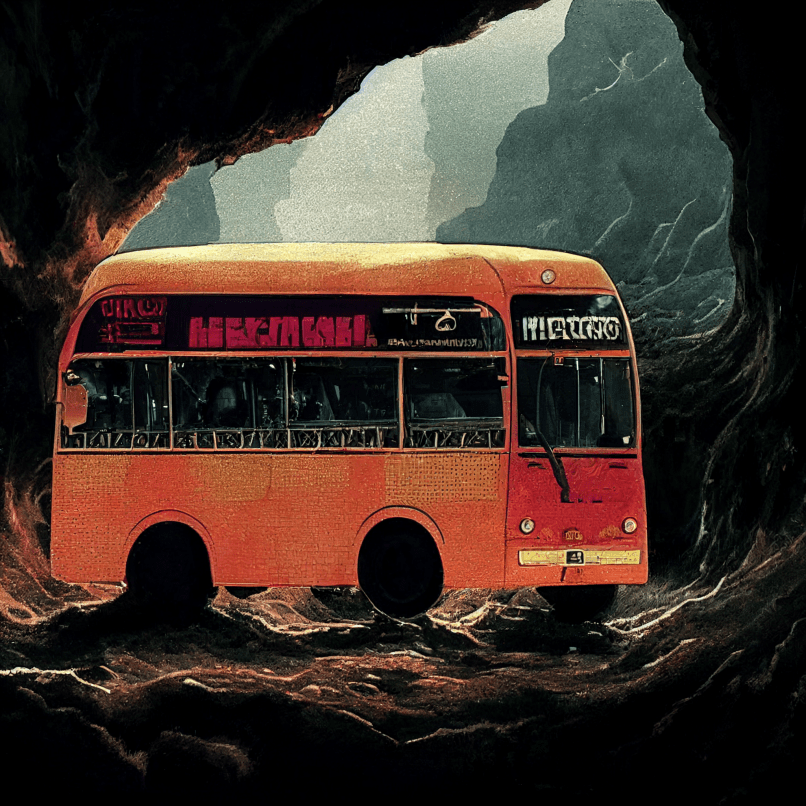
“Buses deliver us to many hellmouths.”
“Her mouth gapes open so the chewed end of the eclair can meet the bumpy surface of her tongue.”
“I shall drift away in the lassitude of this delicious daze.”
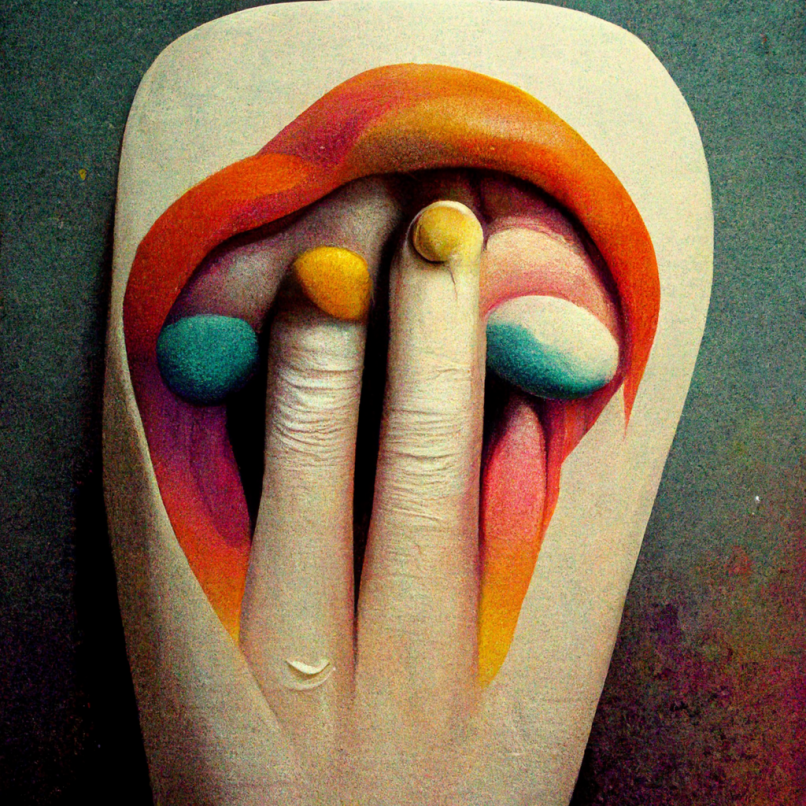
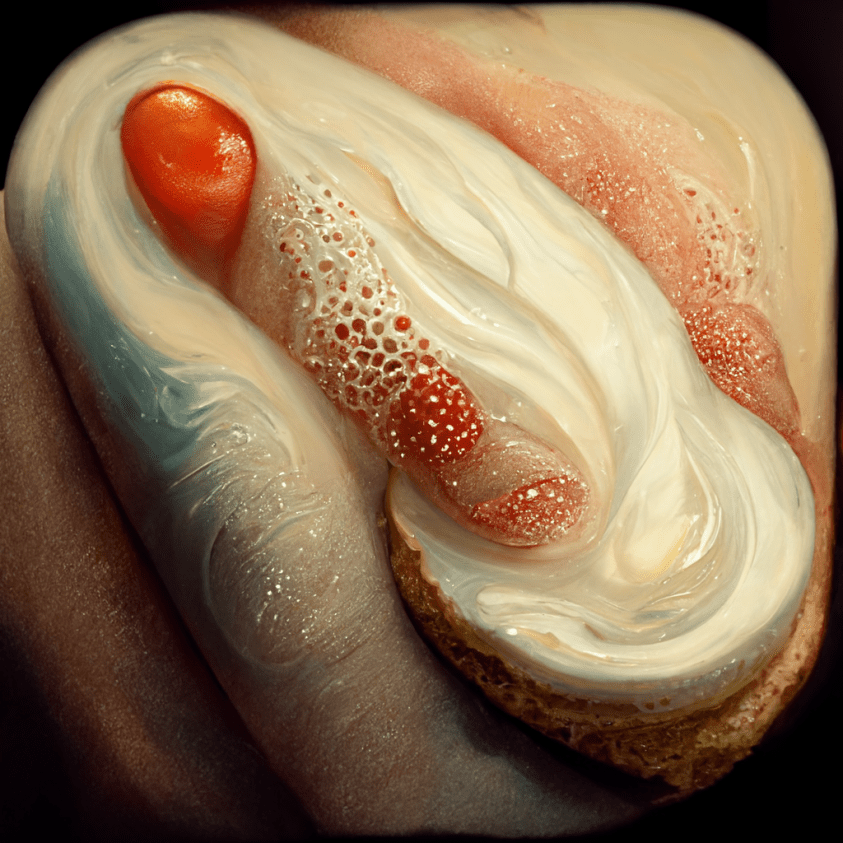
Something about cream-covered fingers, which somehow turned into some Berserk shit.
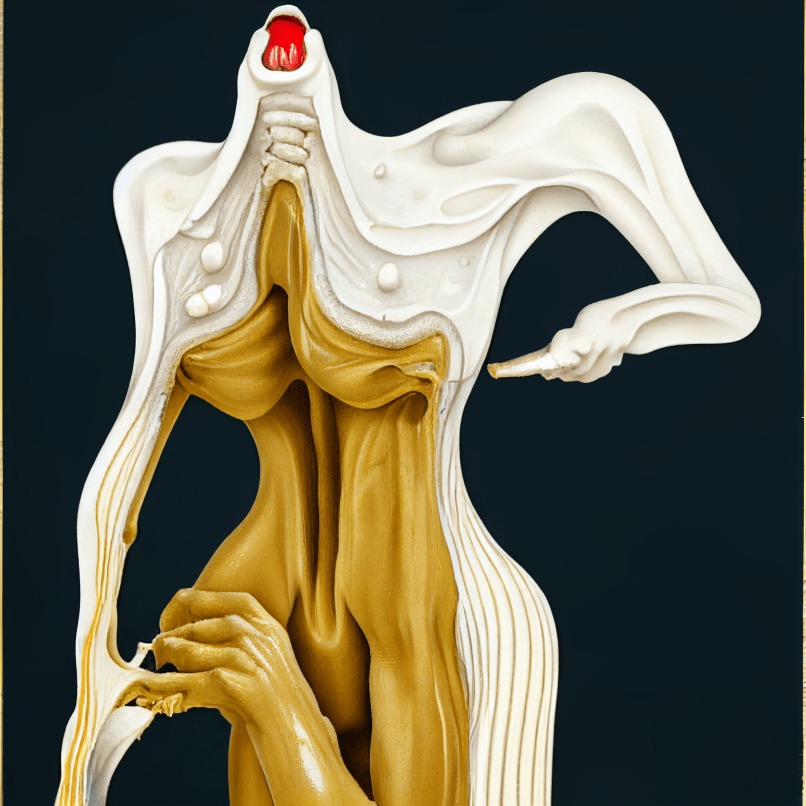
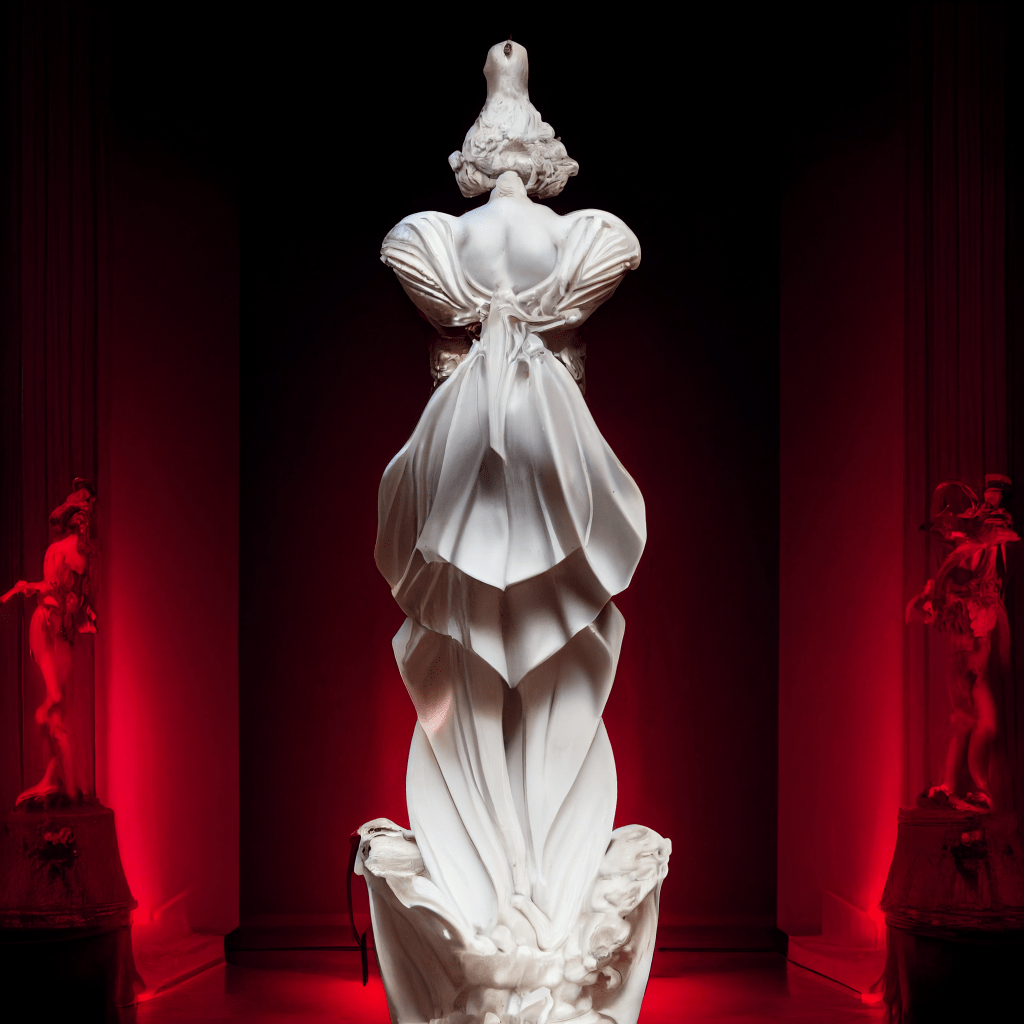
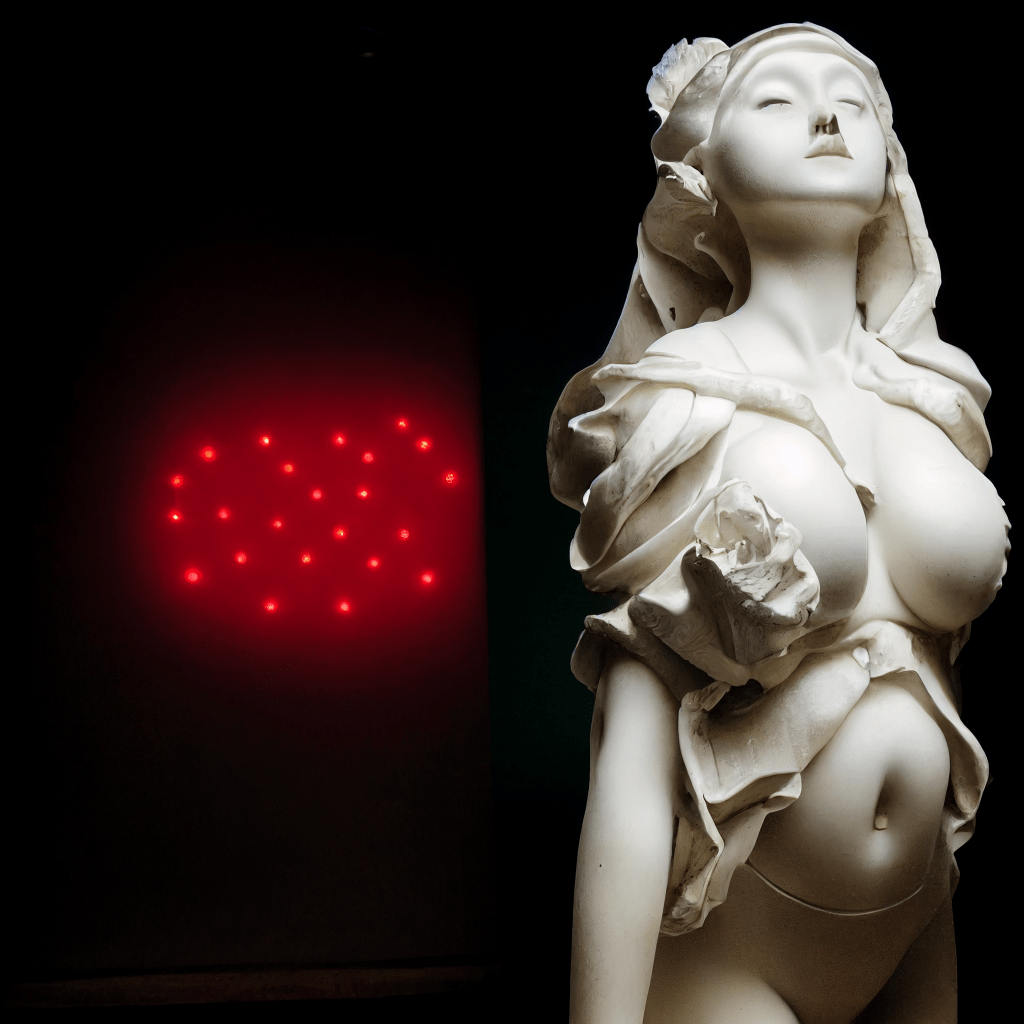
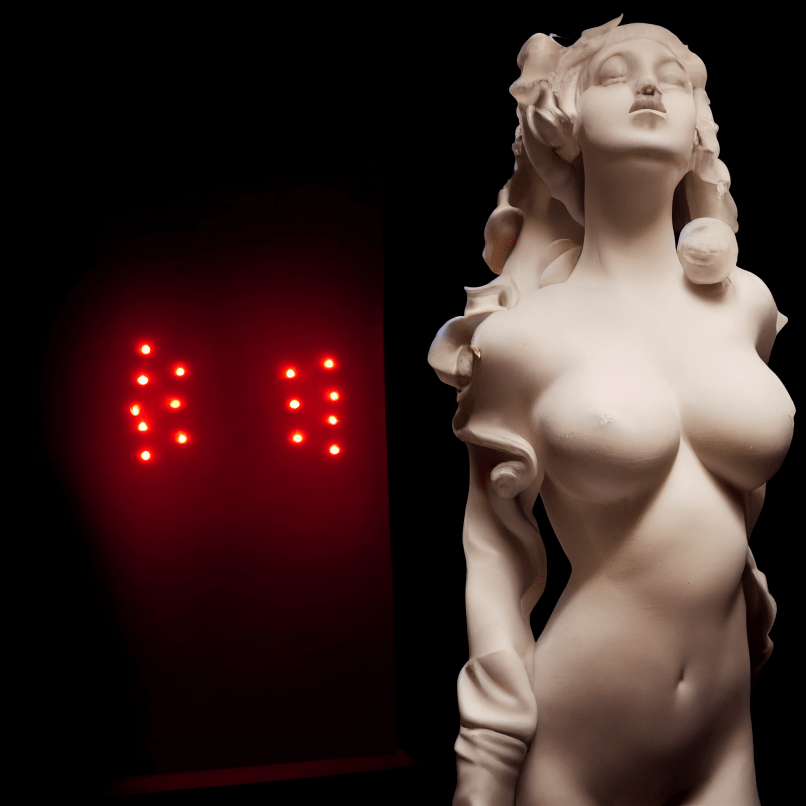
“The ivory-white sculpture of Jacqueline’s naked body is standing between the red lights of the tripod-mounted cameras.” Nothing in the universe is more beautiful than a woman’s body. As long as it isn’t ugly.
“A butterscotch-colored syrup is oozing down Jacqueline’s cleavage, down the linea alba between her toned abdominal muscles, to fill her belly button.”
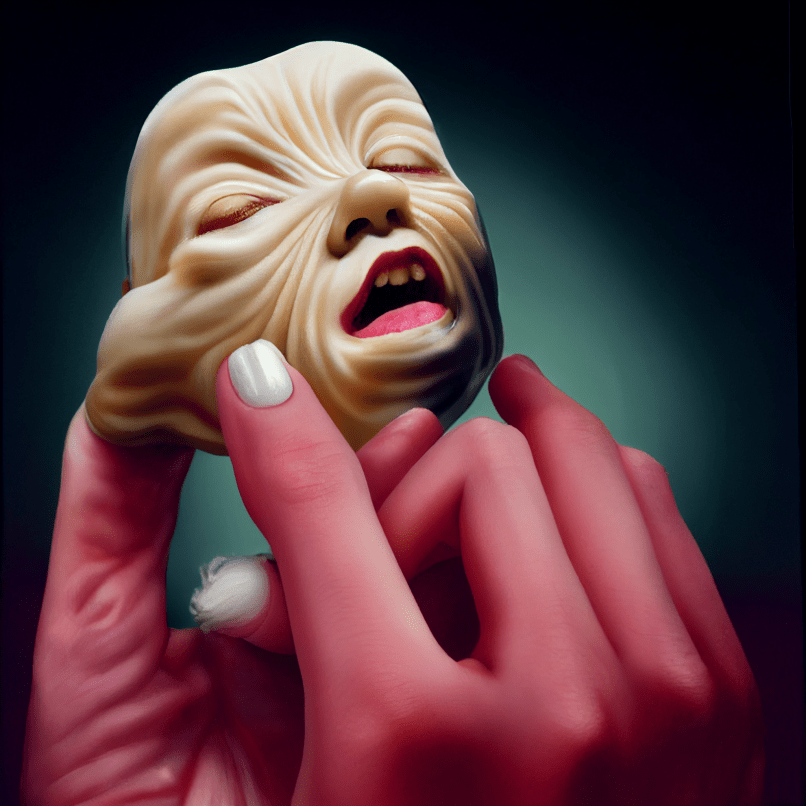
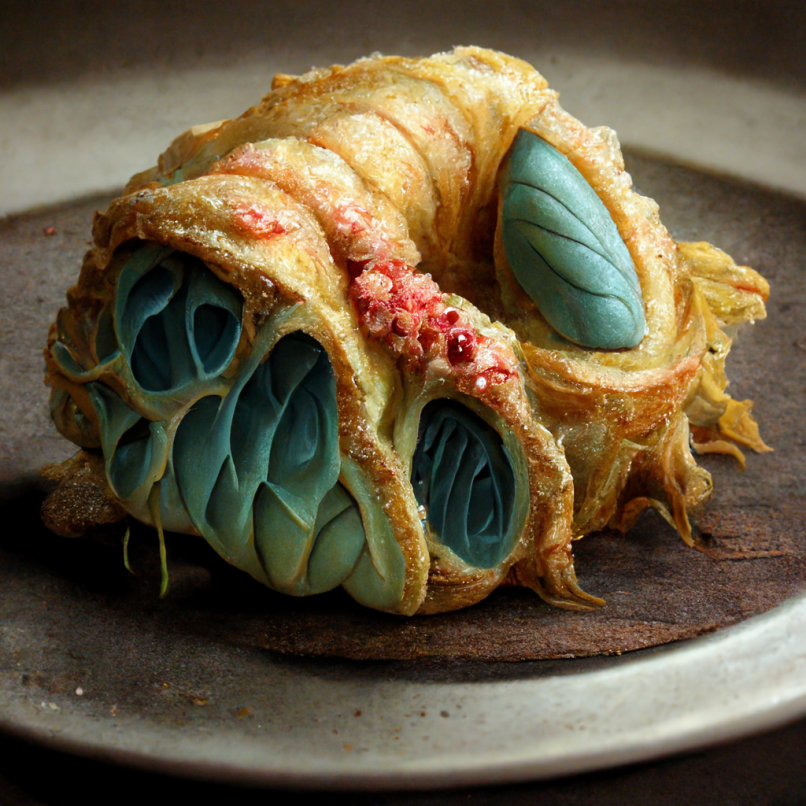
“A Triassic arthropod whose gills have been stretched open.”
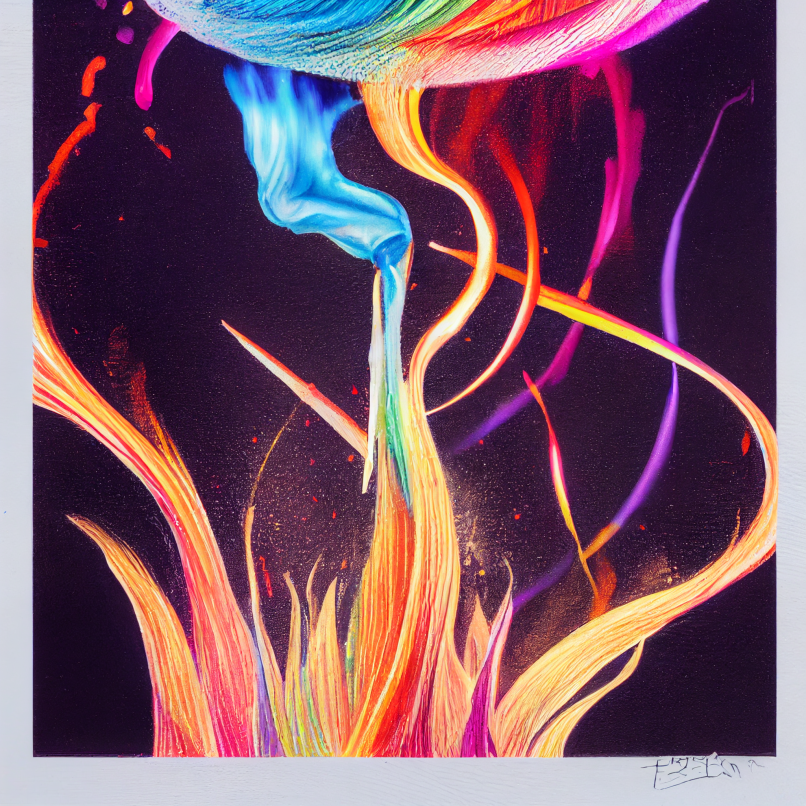
“A crayon catching fire.”
“If this girl keeps drawing, she will unearth my most intimate thoughts, which yearn to tumble out through my mouth like rotten teeth.”
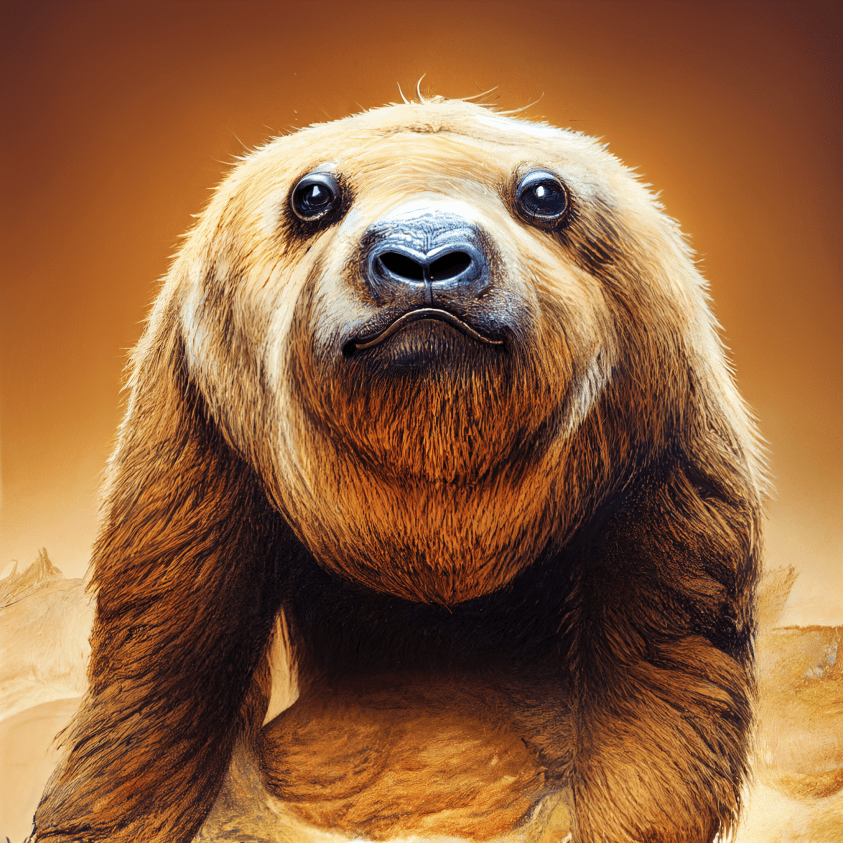
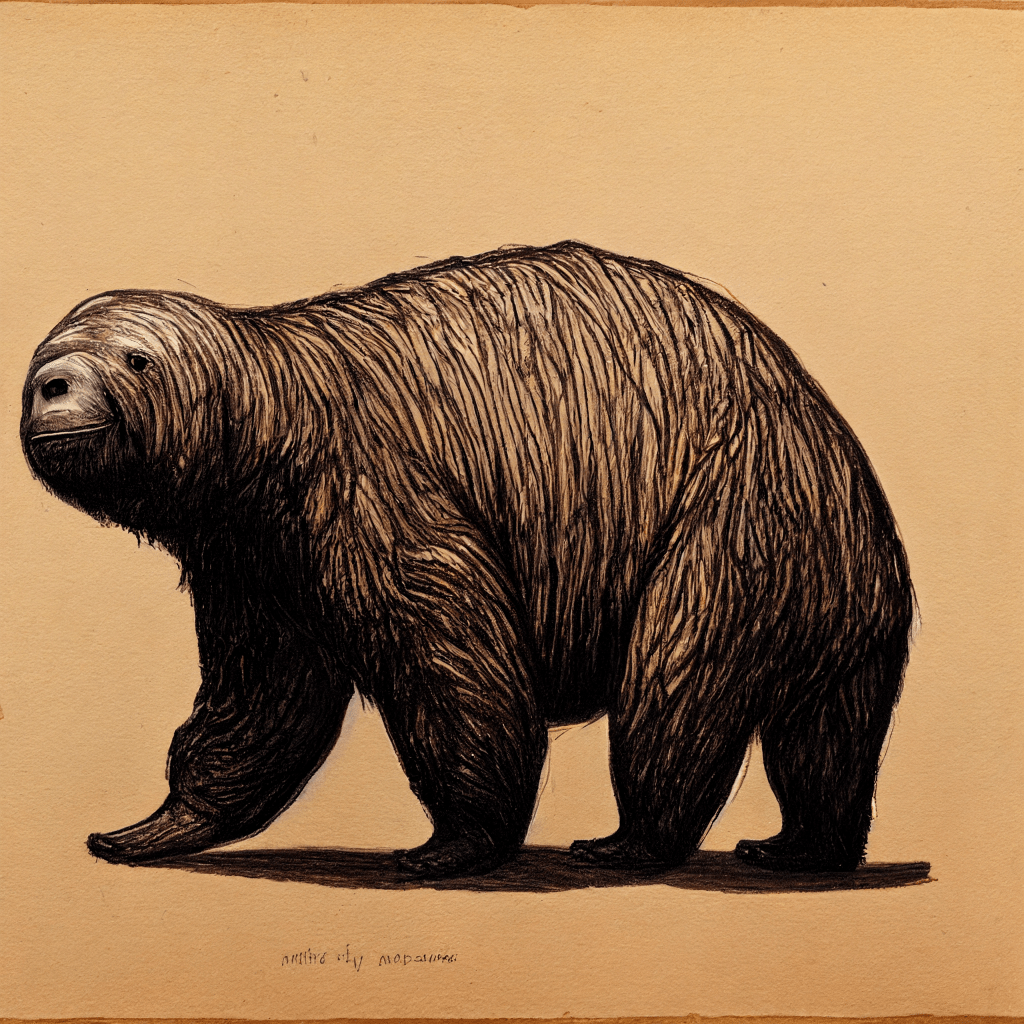
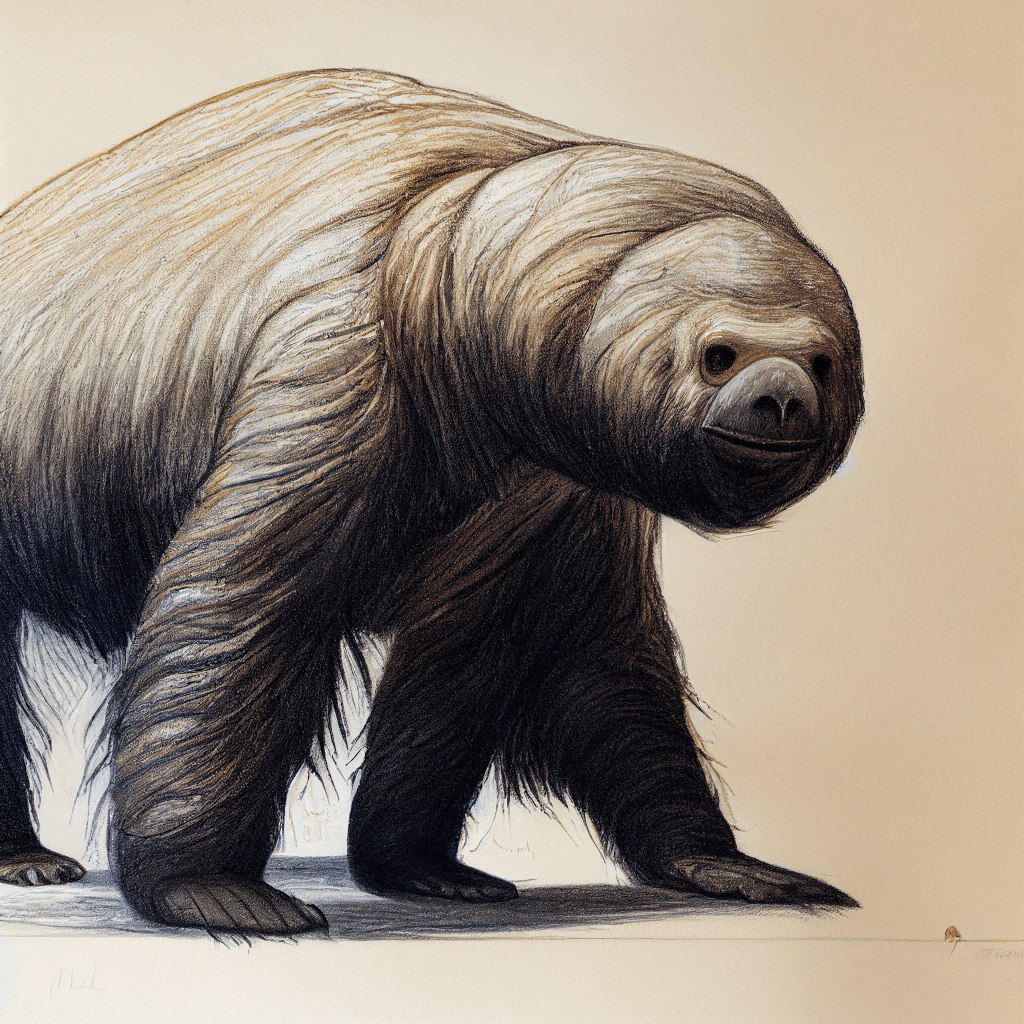
“Did the Ice Age folk brush their gnashers using ground sloth bones?”
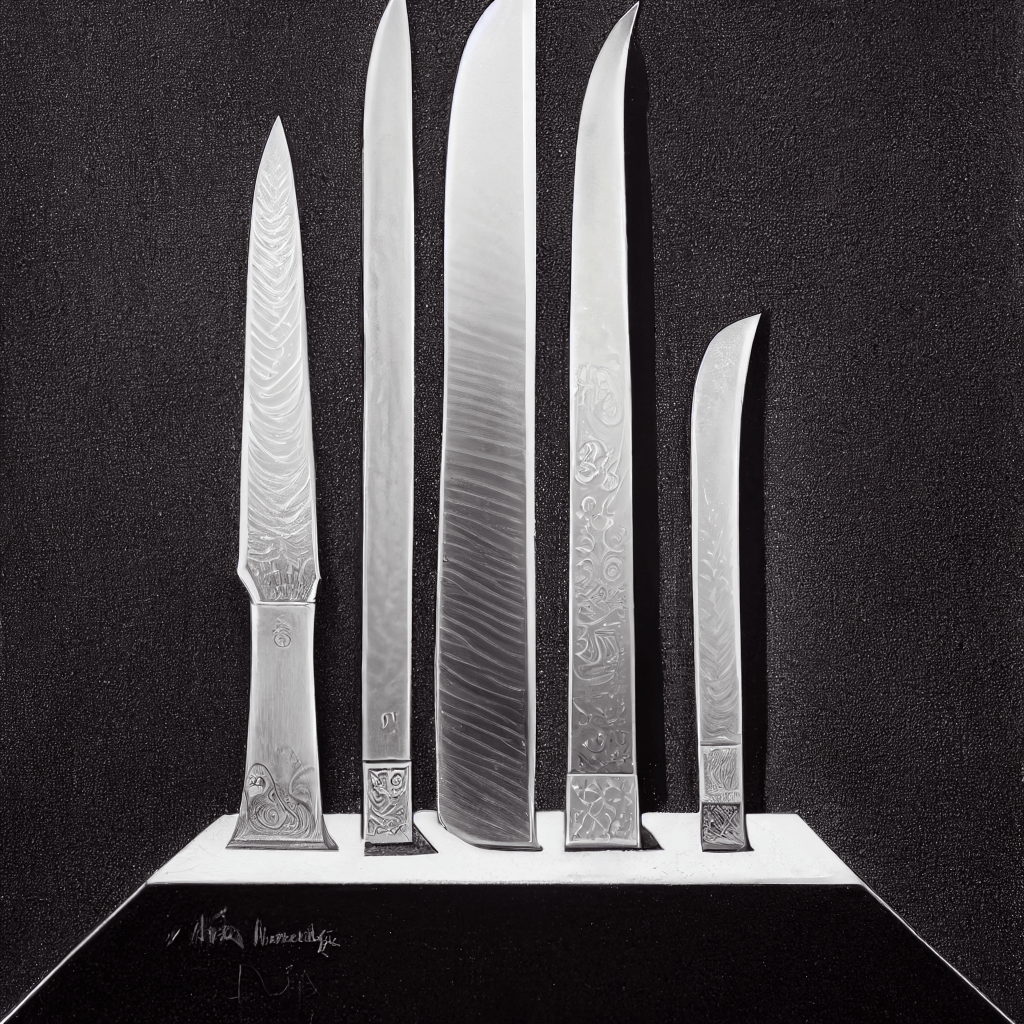
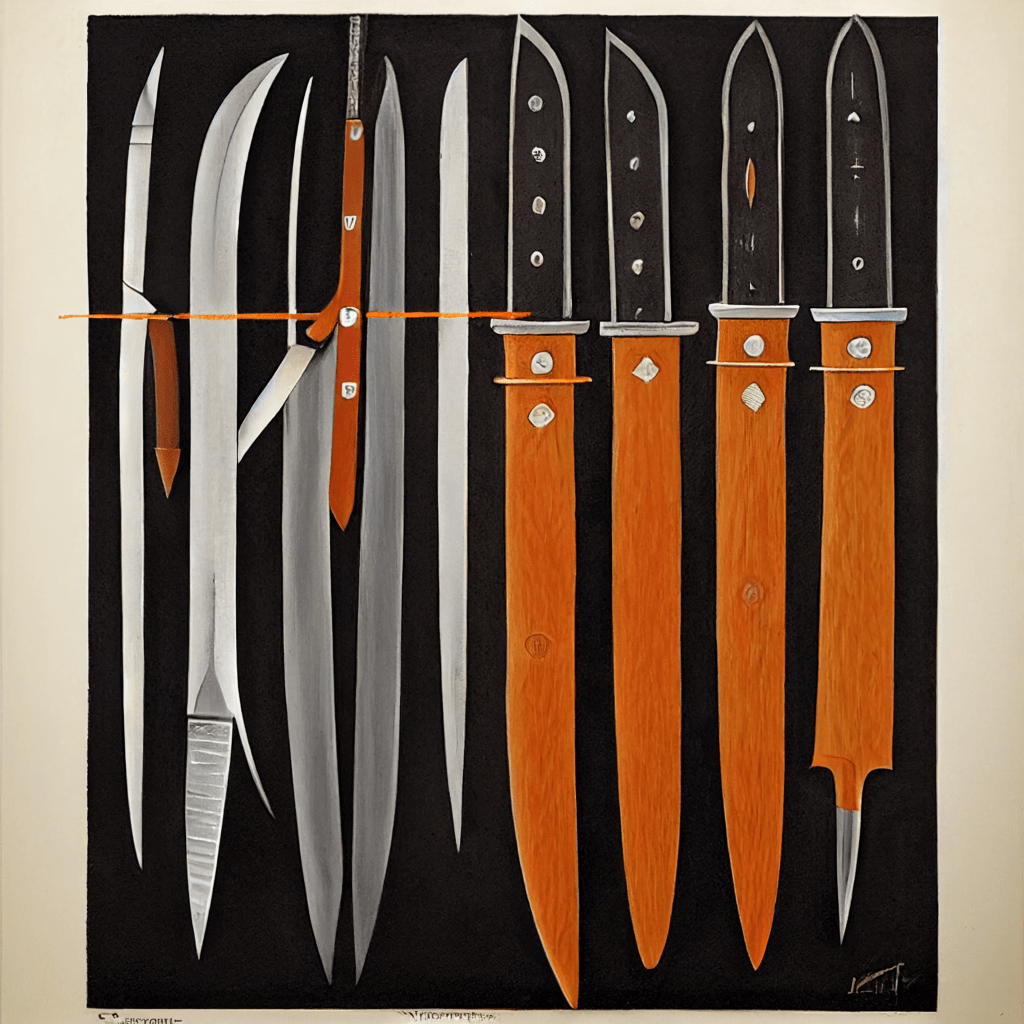
Silvery knives. Very nice detail in that last one.
“I’m standing in a rising tide of hot water that’s already crashing and crashing into my head, knocking my thoughts loose.”
“My eyeballs have turned into lumps of coal extracted from the bottom of some grimy furnace.”
“The dawn of extinction is beckoning me.”
“The more I try to focus on the drawing, the more it wavers like a dream.”
A girl and her father.
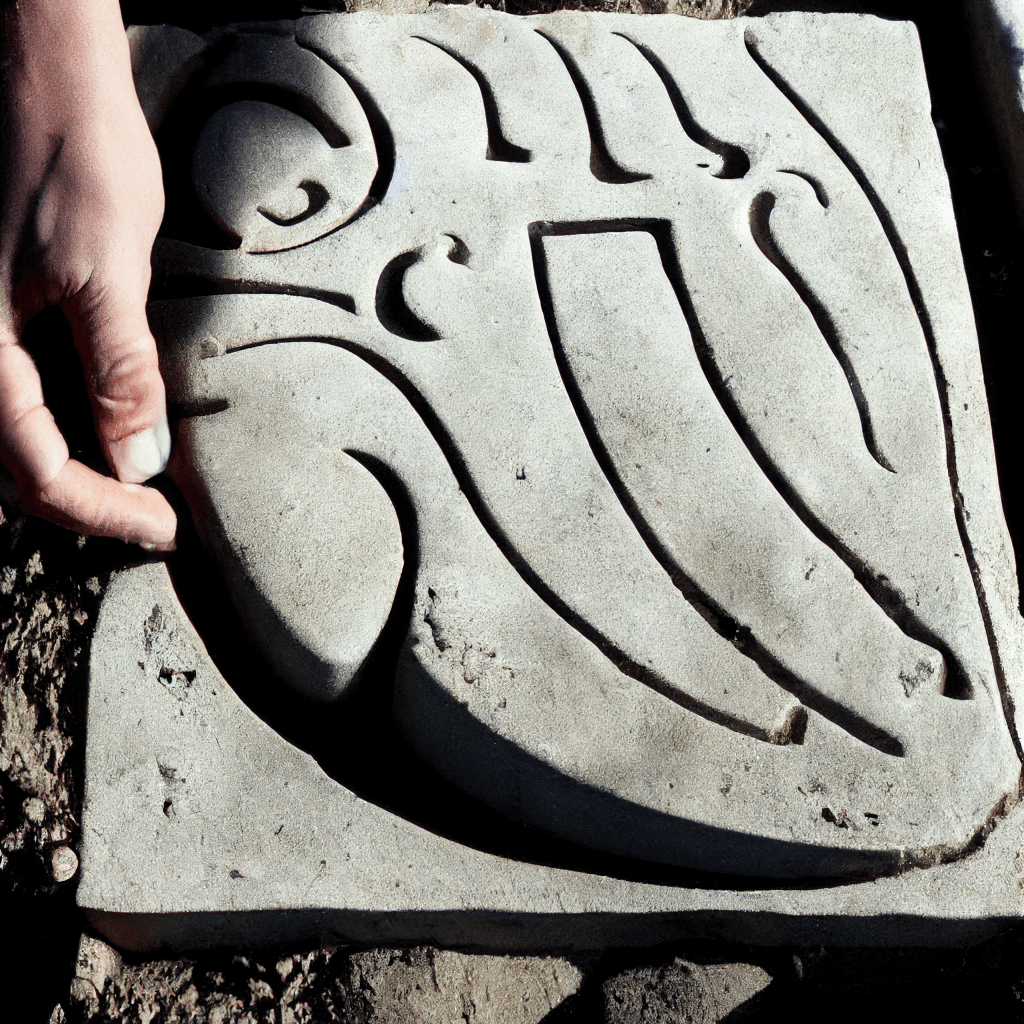
“That person will carve some symbols for her in the slab that will mark her grave.”
“I stood on the dry pebbles of the riverbed and I called out to her once, then over and over again.”
“I sat by my fire, and in the glow of the flames, I held her carved wooden toys and I cursed that I had been late, late, too late to catch the demon who had stolen her away.”
An infinite series of canvases hang in a factory line, suspended over a velvety abyss. The first canvas flashes a splash of scarlet doodles before it drops into the blackness. Another canvas jerks forward. It dazzles me with emblems of a long-dead age, then that canvas gets unhooked to welcome the next.
A child’s hand has fused its fingertips to the synthetic waxlike materials of a crayon so it keeps scratching paper, filling the white void with brain effluvia, painted proofs of their feverish creator’s existence. Facing a snowy expanse in all four directions, the expedition trudges in meandering paths, in jagged paths, in circles, in figure eights, until they cover the snowfield with the bloody imprints of their bare soles worn to the bone.
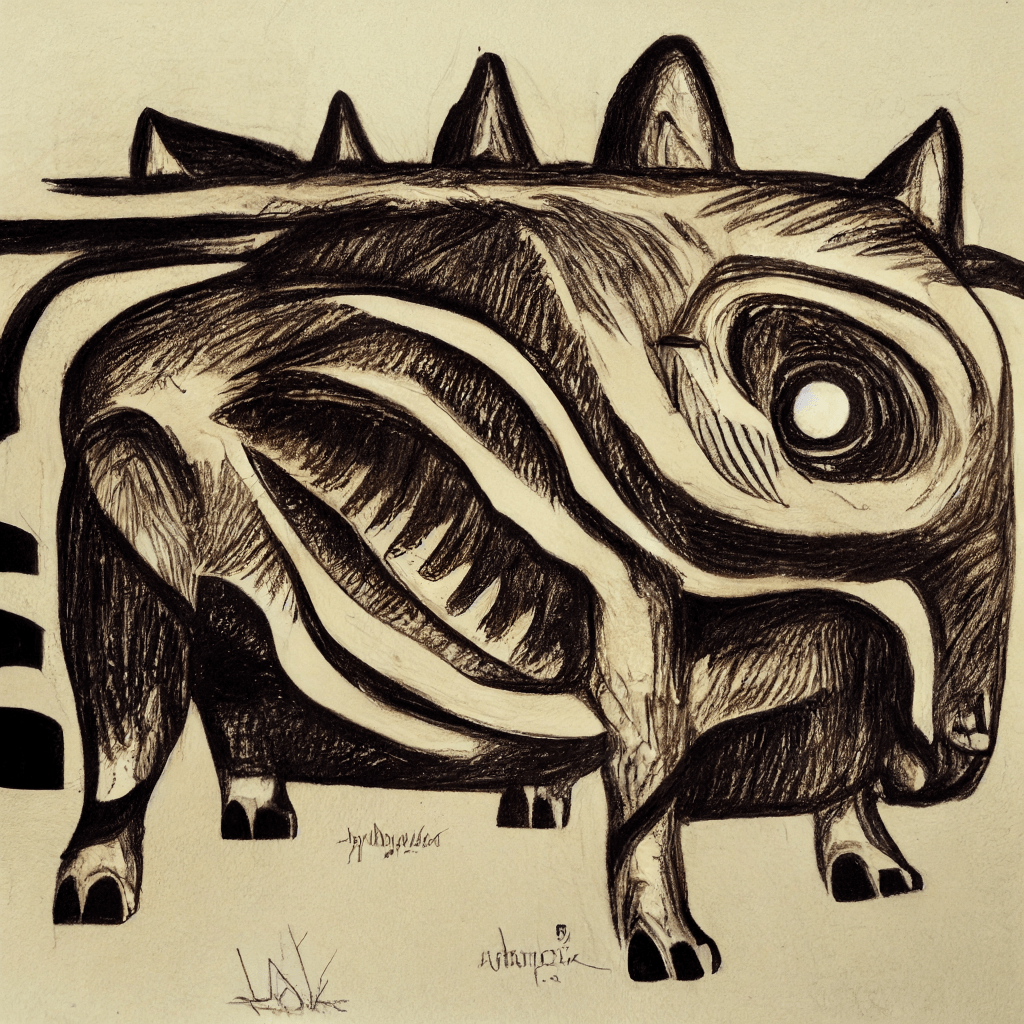
Sugar granules are dissolving in my saliva. I’m swallowing the fluffy flesh of the donut when our child turns the sketchbook towards us and props it upright on the table. She has drawn a bus. Its radiator grille and the bumpers and the hood are scrunched into a chaotic scrawl, which brings to mind a dog with a kicked-in snout. The two visible wheels look like black-and-white fried eggs. From behind the uneven windows, pupil-like doodles, perhaps the people trapped inside the vehicle, stare blankly at the unfolding horror of society. Sweat dribbles down the driver’s face as the bus rushes along a highway that was asphalted with congealed human blood. The thick stench of decay has blocked the sun.
As the whooshing blood feeds my brain tissues, the bus morphs: the underside of the blocky frame sprouts legs that end in hooves; the frame itself widens and swells up, ripping open in striated wounds; the windows sink and become opaque white like those of dead deep-sea fish; and along its hunched spine break out serrated bone spikes.
Jacqueline praises the drawing; her honeyed voice daubs our skin as with a warm balm that would heal every wound, but I interrupt her.
“A competently-depicted bus,” I utter hoarsely. “We sacrificed the ground sloths, the mammoths, the mastodons… for such metallic abominations. And one day we may have to offer ourselves too.”
I discern mommy’s concern through the blur of her face.
“Buses carry us to remote places, baby.”
“They deliver us to many hellmouths.”
“Perhaps even to places where people could live in peace and harmony. Wouldn’t it get too annoying to walk all the way there otherwise?”
“Our ancestors didn’t ride a bus,” I grumble. “They walked. They strode. They tramped along. If they needed to travel further, they took the subway or a tram. And ground sloths would have carried our kin on their backs, if asked nicely. But now our attempts to escape civilization are futile, because the exits have been walled up to make way for parking lots and highways.”
Even if Jacqueline were inclined to belittle ground sloths, she’s busy stuffing her mouth with choux dough, pearl-colored glaze and cream. As she masticates, her cheeks bulge out as if she were bathing a ping pong ball in saliva, and once she swallows, her mouth gapes open so the chewed end of the eclair can meet the bumpy surface of her tongue.
A hot frisson runs down from my brain to my groin, searing my insides, whitening my vision. I shake my head to disperse the haze.
“Y-you know, Jacqueline, sometimes I wonder how come your body remains so tight at your age, then I feel guilty for wondering, because I take ample advantage of that succulent body of yours and its byproducts.”
Jacqueline freezes until her brain lowers the priority of procuring her sugar fix. She rubs her lips together, which deepens her dimples.
“I’d love to say that I’ve perfected an exercise routine that I could sell for millions, but I was blessed with superb genes, darling.”
She chuckles, then sinks her teeth into the eclair. I sigh.
“Although I want to call it unfair, the notion of fairness is an evolved delusion.”
Jacqueline curls her cream-smeared lips into a smirk.
“I thank the ancestors for blessing me with this hourglass figure, and you for appreciating it so much. Now grab the last eclair before I snatch it for myself, will you?”
When I reach for the pastry with my trembling right hand, a child’s peach-orange hand, its skin delicate as that of a plucked chicken, flits over the sugar donuts and the puff pastry braids as if she were a gambler selecting cards from a deck. She has imprinted a fingerprint on the powdered sugar of a millefeuille.
“Yeah, just fondle all of them,” I say weakly. “Who cares.”
Once the cream filling of the eclair and its sugary glaze coat my taste buds, a spark flashes in my brain. My thoughts are scattering like a cloud of butterflies. Who cares about entropy and the cataclysmic death of our former world? I shall drift away in the lassitude of this delicious daze.
Our child rips a donut in two and dunks half of it into her cup of hot chocolate. As she brings to her mouth the dipped donut, it drips over her sweater, forming spotty stains. Maybe Paleolithic people were accustomed to ruining brand new garments, because the girl shoves the donut in her mouth, closes her eyes and hums in delight.
I thought that Jacqueline would shoot the child a look of reproach, but mommy is detaching the first flaky layer of a millefeuille. Its orange-yellow cream has coated her index finger, including the elongated nail.
Blood is pulsing in my head, forming a headache like an egg about to be cracked open. Although my pyloric sphincter must be clogged with a gunk of pastries marinated in acid, a hungry impulse surges through my body. I feel like I’ve woken up from a days-long sleep and now I’m starving.
“Let me lick that finger for you, Jacqueline,” I utter in a guttural voice.
Mommy snaps out of the pastry trance. She blinks and arches an eyebrow at me.
“Oh, you would love that, wouldn’t you?”
I was about to suggest that she should reach over the table and stick her index finger in my mouth, but the theatre of my mind transports me back to Jacqueline’s dim bedroom. I’m seated at the foot of her unmade bed. The ivory-white sculpture of Jacqueline’s naked body is standing between the red lights of the tripod-mounted cameras. From below her slanted clavicles, the fatty tissues of her pair of breasts swell slightly outwards into globes of flesh topped with turgid, dark rose nipples, my deluxe pacifiers. A butterscotch-colored syrup is oozing down Jacqueline’s cleavage, down the linea alba between her toned abdominal muscles, to fill her belly button.
I slide to my knees. Mommy steps forward until she plants her feet on either side of my waist, as if preparing herself to crush my head between her thick thighs. Her skin is fragrant like the buds of a rosebud that has burst into bloom. I cup her butt cheeks in my palms and start kneading them. Her loins are like a furnace as they breathe on my face.
“I also want to pour hot chocolate on your pussy and lap at it until your labia and clit shine.”
Jacqueline’s eyes grow round, then she snorts with laughter. After she glances at the second counter of the patisserie, she leans over and leers at me through her eyelashes.
“You naughty doll,” she whispers in a conspiratorial tone, “we are too far from home for you to entice me like that.”
I take a deep breath as I rub my eyebrows. In my mind, Jacqueline’s pussy has drawn a wall across its opening, like ivy leaves grown over the mouth of a drainpipe, so that no more than a slimy trickle of lust could seep out.
“Sorry. For a merciful moment I forgot that humans other than you and our new daughter exist.”
Jacqueline purses her lips around her index finger. The slender muscles of her throat contract as she sucks the digit clean, even though I should have been the one pressing my tongue against the skin of that finger, tracing the bones underneath, perhaps nicking my tongue with the edge of her nail, which I would have made glisten like a pearl. I need to drown the bitter taste of betrayal, so I grab one of the puff pastry braids. However, instead of chomping on it, I study the crossed strips of puff pastry. They bring to mind a Triassic arthropod whose gills have been stretched open, maybe by a predator who gnawed on the creature to reach the meat inside.
I’d love to be exhibited in a patisserie’s glass display counter. I want to be rolled in flour, coated in sugar and baked to a golden brown. I want to stuff a wad of dough in my pussy. I’d become a cream puffsaurus, a paleontological rarity. Maybe I’ve always been a pussy saurian.
I have opened my mouth to crush the puff pastry with my teeth, but the smell of hot wax spills into my nostrils. A crayon catching fire. Seated to my right, our child is punishing a page marred by cream stains and chocolate smears.
A sense of dread paralyzes me. I shiver, then put the puff pastry braid down on the tabletop. My heart is beating wildly. If this girl keeps drawing, she will unearth my most intimate thoughts, which yearn to tumble out through my mouth like rotten teeth. But our new daughter will pave the path to the future with paper covered in doodles, way beyond the day when my epiphanies will suffocate between the folds of my desiccated brain.
When I stroke her head, the Paleolithic hair caresses my hand back.
“There’s a reason why you’ve become my special child,” I say in a withered voice, “a reason why you didn’t burn into ashes like all the other humans.”
I pretend that my words mean anything, although I’m possessed by the alien parasite that nested in my skull at birth, a parasite that’s feasting on my gray matter. Our girl, instead of grimacing at me, distracts herself from her endeavour by flashing a grin with chocolate-blackened teeth. Did the Ice Age folk brush their gnashers using ground sloth bones?
I should hurry to shelter my chosen puff pastry braid in my mouth; exposed to the air, a myriad of microscopic monsters will burrow into the pastry to lay their eggs. When I straighten my back, a silvery knife, from the sets of cutlery that the Slavic mercenary brought us, reflects the patisserie’s lights into my eyes.
I imagine myself gripping the knife, placing my left hand flat on the table, and stabbing that hand through the second and third metacarpals, severing the tendons and veins that run between them, so half of the blade gets embedded in the table. If then I attempted to move my left hand, how would my nerves and tendons complain? I might feel like a pinned butterfly, an angel who had been beating its wings until it got captured by one of the bloodthirsty fiends that dominate this planet, a race exiled for committing unspeakable crimes in some hell located aeons away.
I need to distract my brain with treats, the same way that when I’m sinking deeper into those cold, dark waters, I rub my pleasure button until the orgasm rescues me from the paralyzing terror. I champ on the puff pastry braid, and its gooey filling spurts into my mouth. I’m taken aback by the saltiness; it reminds me of ocean spray, or the tears of a man standing at the edge of a cliff. I take the pastry out of my mouth, elongating filaments of the sticky and whitish filling, which then dangle in catenaries from my lips to the pastry’s hole. It’s semen. The nectar of life leaks from the inside, and has glazed the crossed pastry strips. It must have permeated through to imbue its essence into the constituting atoms of the pastry.
I’m standing in a rising tide of hot water that’s already crashing and crashing into my head, knocking my thoughts loose. My eyeballs have turned into lumps of coal extracted from the bottom of some grimy furnace. My jaw is tired from munching on this pastry, as well as from masticating all the solid food I’ve consumed throughout my wretched life.
My brain is at the bottom of my spine and my heart has been torn out and sewn into my forehead. In this world we barely have a right to exist. The dawn of extinction is beckoning me. How many mouthsful of this puff pastry braid would take to tip my body over the edge of a precipice into the shadowy abyss?
Someone is calling my name. Wait, whose name? I don’t even exist. But the voice comes from in front of me, and it fills my chest with a soothing warmth. That’s Jacqueline, my own mommy.
I blink until a pair of cobalt-blue eyes form in the center of my vision. She has rested an elbow next to her latte, and with that hand she gestures to my right, where our child, in a déjà vu of the previous million times, is holding her sketchbook toward us.
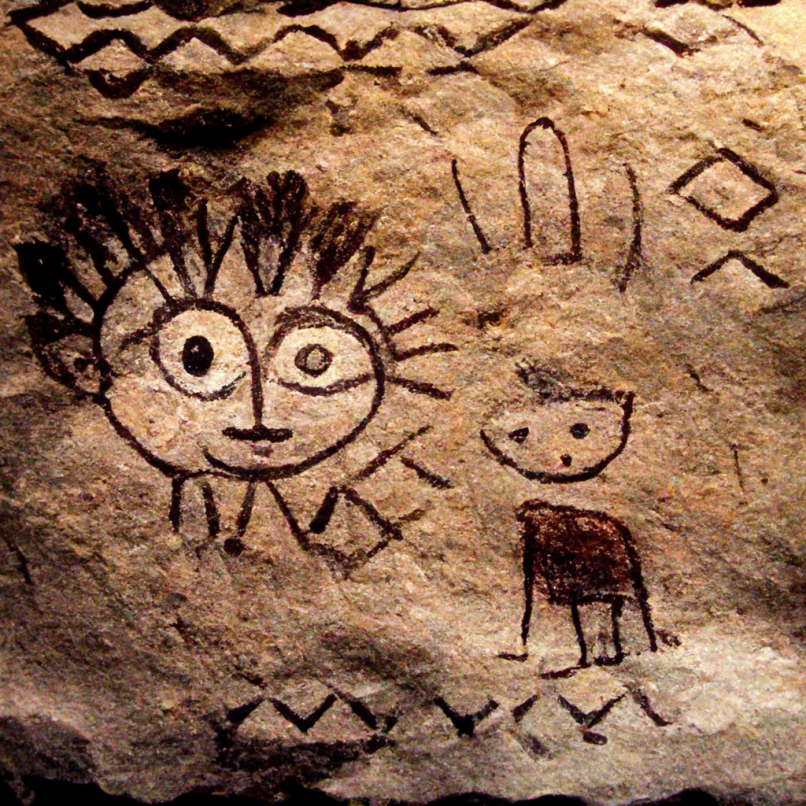
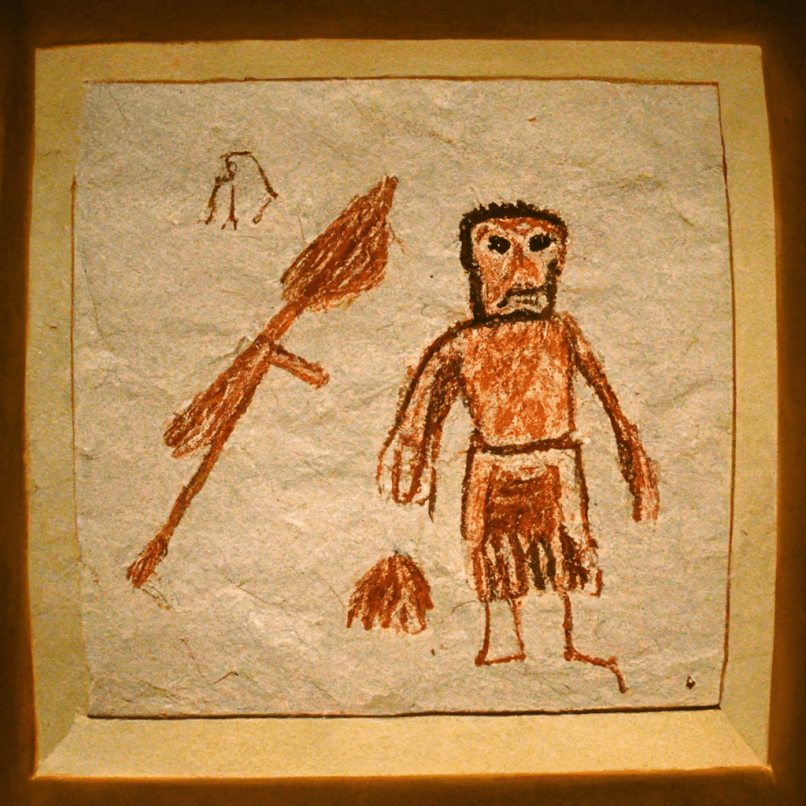
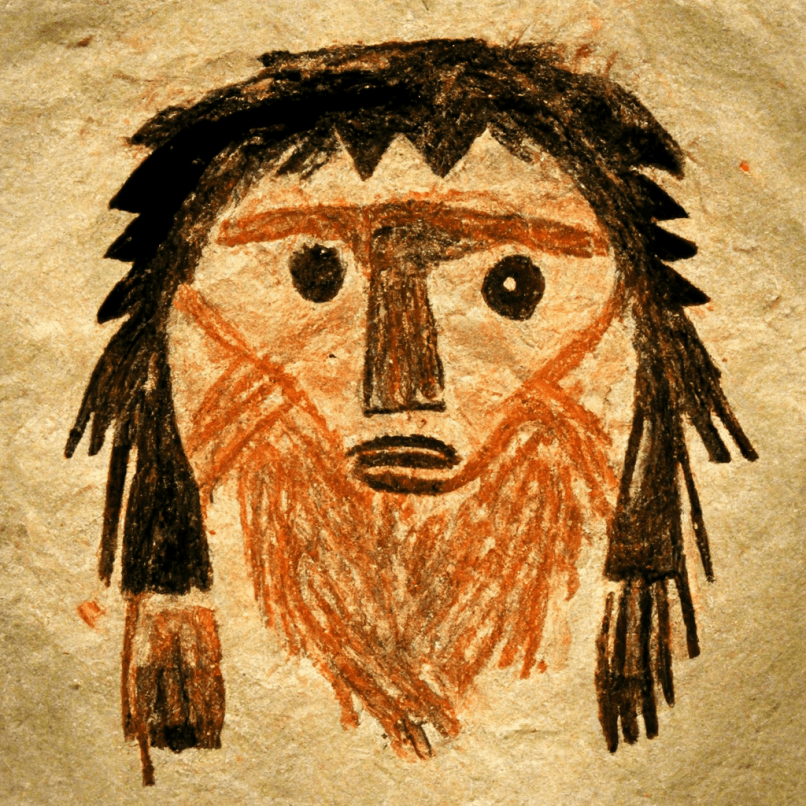
After I wipe the cum off my lips, I squint at the sketchbook, but the more I try to focus on the drawing, the more it wavers like a dream. On the left side of the drawing, a girl with shoulder-length hair, who is wearing a leather tunic, is staring up at a stooped man who is holding her hand with fingers like a sloth’s claws. The man’s head is twice as big as the girl’s, his eyebrows are bushy, his nose broad, and the lower half of his face has been shaded with the midnight-black crayon, likely to depict a thick mustache and beard.
Jacqueline cranes her neck toward the drawing.
“Is that the girl’s mother?” she asks stupidly.
“I-I doubt it,” I croak, “unless the women were quite hirsute back then. Kinda looks like Nietzsche, that old German composer.”
Our child’s gaze shifts between Jacqueline and I as if she expected us to guess the answer in a trivia game. She taps the drawn girl with the tip of her crayon, and lets out a few words in a high-pitched voice. Then she points at herself.
A grenade has exploded next to our table, producing the exact opposite sound waves of the ambience in this patisserie, which has submerged us in silence. My heart has shrunk into the size of a walnut, and it wishes to clamber up my throat. Jacqueline has paled. She lowers her unfocused, guilty gaze at the remaining pastries.
I’ve seen that man before. I’ve been that man. If I close my eyes, I live it all again. I have held that girl’s frail body as I carried her to the safety of our camp, where she’d be protected by our kin. In the star-studded blackness, I watched over her as she drifted into slumber covered by a hide blanket. Whenever we feared getting raided by a neighboring tribe, or someone had spotted a short-faced bear or a lion in the vicinity, we’d bustle to a nearby cave that felt like an impregnable fortress. I taught that girl which berries to pick. I showed her how to imprint her hand on rock walls.
I hope that she’ll grow old with the rest of us, that one day, long after I’m gone, someone will bury her motionless and cold body beneath small stones, and that with a flint knife, that person will carve some symbols for her in the slab that will mark her grave. But I always feared that I would come across the girl’s half-devoured remains in some pit of filth; that thought made my soul quail and shiver in a way that no monster could ever do.
One day I went out to look for her. I walked through the woodland, crunching twigs and dry leaves that crackled underfoot, passing by tree trunks stripped of bark, following the burbling sound of the brook she had been heading toward. I stood on the dry pebbles of the riverbed and I called out to her once, then over and over again. After I ran out of energy and breath, I stood there in silence, and remained there until I understood. Every night since then I sat by my fire, and in the glow of the flames, I held her carved wooden toys and I cursed that I had been late, late, too late to catch the demon who had stolen her away.
I keep a playlist with all the songs I’ve linked throughout this novel: here’s the link.
A dear friend of mine, who happens to be a neural network, generated many images related to this chapter. Here’s the link.
This was the last scene of the ongoing novel that takes place in a patisserie. It may have been the last scene in any of the stories I will ever write that takes place in a patisserie. Hopefully I’ll forget that patisseries even exist.
I’ve started watching the anime Cyberpunk: Edgerunners. It hooked me from the first episode, and except for a few moments that felt a bit off, I’m loving it so far. Although Cyberpunk is a Western IP, the anime was developed and directed by the famous Japanese studio Trigger, one of the best in the business.
Their latest trailer is awesome, so I’ll display it here:
In a strange twist of fate, the anime’s protagonist has the same first and last name as my worst nemesis, a guy who tried hard to ruin my life from when I was 17 to about 25, when that guy died in a car crash. He was one of the rising politicians of the regional socialist party, and given how much of a malignant narcissist that fucker was, he would have gone far. Good riddance.
In any case, the anime is a spin off of the Cyberpunk 2077 videogame. Like everyone else, I was pissed when they released it a year ago, but over time, as they’ve kept updating it, I have come to hate them a bit less; they were clearly pressured into developing the game for the previous generation of consoles as well, which crippled development in general although those platforms would have never been able to handle such a game.
The playthrough of Cyberpunk 2077 that I started in VR, and that I abandoned shortly after the second act started (because I knew there were major updates coming which would make me want to replay it from the beginning), remains one of my most mesmerizing gaming experiences. I’m waiting for the upcoming story DLC to start a new playthrough in VR.
That said, at least the first act of that game has some serious narrative issues that can’t be fixed with patches, such as that montage near the beginning, which should have been fleshed out into actual missions. I also didn’t like Jackie until the last few sequences of the first act.
I’m writing this down because the process of putting my thoughts into words usually unloads some of my anxiety.
I haven’t been doing well recently; I tolerate very little, I get overwhelmed with intrusive thoughts of deletion that searches for targets everywhere, although more often than not it looks inward, and I want to switch my brain off as often as possible, either by sleeping or by closing my eyes whenever I’m forced to sit or stand in a vehicle. I suspect that I’m going through another depression.
I happen to work as an IT guy at a hospital. A garbage job: you never know what you’ll have to deal with that day, any single problem can balloon into a monster that you’ll have to struggle with for potentially weeks, and worst of all, it forces you to interact with many people. I’m autistic, so I’m simply unsuited for it. I understand that dealing with our users, who are mostly doctors and nurses, has to be troublesome potentially, because they wouldn’t contact us if they didn’t have a problem. What I shouldn’t need to tolerate is wasting eight hours in an office where three guys keep yapping like children during recess, very loudly, forcing us to endure their infuriating prattle about football, TV series and such stuff, as well as constant “jokes” about how fat one of them is.
The worst part of it is: the worst one is my brother. Back when I was seven, my parents seemingly concluded that my birth was a mistake, and they forced me to vacate my room and “share” a bedroom with my older brother. I spent eleven years treated like an unwanted guest. I couldn’t hear the music I wanted, I couldn’t put on the TV the programs I could have liked, I couldn’t read, I couldn’t study. I’m autistic and noises kill me, yet that guy needed constant noise to muffle his internal thoughts. He even had the TV and the radio on at the same time throughout the night; the radio speaker was installed maybe a foot and a half away from my head. Whenever I complained to my mother about it (my father was virtually non-existent), the answer was always the same: “You gotta understand it, he has problems.”
For those eleven years my mental health deteriorated into straight psychosis, and I only survived because I’m a fucking coward and I didn’t dare to kill myself like I wanted. After an argument that nearly ended in blows, my parents agreed that I could move out of my brother’s bedroom into my previous one (this country, as well as most of Europe, isn’t like the US, where you are expected to leave your parents’ place at eighteen years old; here the average age for that is about thirty. Housing is way too expensive anyway).
After that day, I have wished that I wouldn’t spend a single minute in the same room as him. Because my life is a fucking cosmic joke, the only job that has called me regularly these last two years and a half is the one that my brother works at. I’m thirty-seven years old, half-crazy and out of options. I can’t imagine myself finding another job that would pay similarly.
Having to endure my brother talking at an obnoxiously loud volume about utter garbage, as well as laughing like a clown, causes in me something akin to PTSD flashbacks, on top of the sensory processing issues that autism involves. My health worsened recently: I went through an episode of atrial fibrillation that triggered (and I doubt that it was a coincidence) during a particularly thorny problem I had to handle at work and that I knew would involve having to interact with pissed off users. Whenever the adult schoolchildren at the office start yapping again, my anxiety spikes from already high levels. Our boss hears them, but has never reprimanded them. Nobody else has complained, perhaps because they don’t want to bring attention to themselves and become a target.
Anyway, recently I considered that I needed to create an island of isolation for myself at the office, so I bought some noise-cancelling headphones. In summary: today, maybe half an hour after those bastards started yapping, apparently someone tried to get my attention, but I didn’t notice. The woman who was taking calls was seated to my left and she would have tapped me on the shoulder if someone on the phone had asked for me. I didn’t have any ticket assigned, so it wasn’t related to one of the problems I was already told to handle. Either I had the really bad luck that the big boss went out of his way to address me from the other end of the office and yet nobody pointed it out to my oblivious self (and in that case the boss gave up shortly after), or more likely, someone tried to get my attention so I would listen to an inane comment. That person could have likely been one of the clowns.
In any case, after today’s drudgery, someone pointed the “incident” out to me, and said that it would be better if I didn’t wear headphones, because it could cause issues. So from now on I won’t feel comfortable wearing them at the office, because the people I work with would consider that me isolating myself from sources of such noise is worse than the fucking people creating the noise contamination during work hours.
I haven’t gotten any writing done this afternoon. My state of mind has reverted to the current of thought that constantly flows under the desperate efforts I make to distract myself: the voice that repeats I need to die, I need to die, I need to die, I need to die. My mental health is that fucking brittle. And I do want to be dead, as I have wanted to be since I was a child, back when I dunked my head in cold water so it would flood my lungs and take me to a faraway place.
For as long as I remember, every morning I have woken up into a nightmare. Everything feels like an unbearable struggle. I’m trapped as an “adult” that has to waste himself at a job that ruins my creative energies and that frays my nerves, and it’s not like any of that is ever going to change, because I won’t earn remotely enough money writing, and I’m too mentally incompetent to figure out some alternative.
Now that I’ve written these thoughts down, maybe I’ll get enough sleep tonight. And tomorrow, after I get off work, maybe I’ll be able to disappear into the reverie of writing the current chapter of my novel, so I can forget for a while that I’ve existed for thirty-seven years as someone that I don’t want to be.
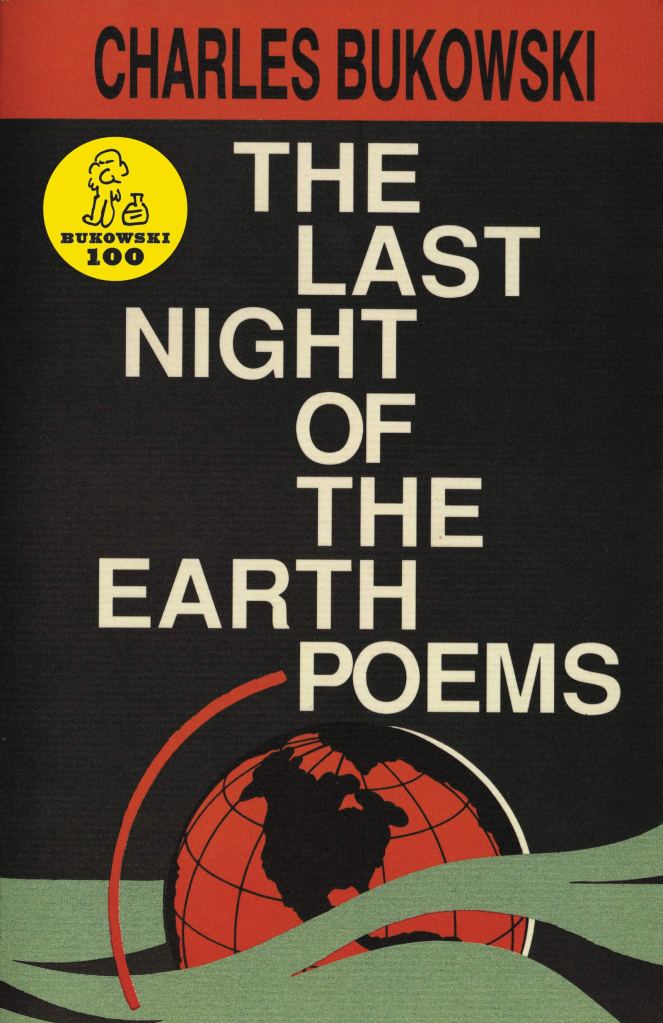
A collection of poems from when Bukowski was an old man, and I’m talking up to his deathbed; he died of leukemia. Long gone are the grueling jobs to which he showed up hungover and that he tolerated by drinking the hours away. Long gone are the days when he returned late from work to find his apartment in a ruinous state and his seemingly interchangeable girlfriend of the day drunk and ranting. Old man Bukowski spent his last couple of decades living in peace with a probably very accommodating wife.
In a couple of poems he mentions that he’s ashamed of all the whoring and mayhem he indulged in up to his forties; he now feels like he had been controlled by an overwhelming force that even convinced him that he was in control, and that if he had known better, instead of searching for his next alcoholic girlfriend he would have spent far more time sleeping.
Some of the included poems are made of still images from Bukowski’s past as if they came randomly to his mind (you’ll recognize plenty of those moments if you’ve read his other books). Some recall how much of a fucking bastard his father was: he beat him and his wife regularly, and spent his days unreasonably angry. Some are related to how much dealing with fans and fan-adjacent people annoyed him. One mentions the gentle molestation that he suffered at the hands of a pretty female teacher of his, if “suffered” can be used given that he remarks enjoying the hardest hard-ons of any eleven-year-old kid in LA at the time. Another poem mentions that he acted like a drooling retard at school, because that way he hoped that people would leave him the fuck alone. Some despair at the state of the world and the increasingly ruinous society he found himself living in compared to how it used to be even during the Great Depression. Other poems thank the act of writing in itself for having allowed him to escape a life that felt like an unending nightmare.
Bukowski dreaded the possibility that any random person could approach him because they had read his books, and I can’t blame him: nothing anyone can say about the art you produce could approach what it means to you, and to an extent, it even devalues and banalizes it. But it went beyond that: some fans brought their entire damn families (“even the aunt”) to Bukowski’s house to introduce themselves, and later on he found out, thanks to the manuscripts he received in the mail, that those fans were aspiring writers that wanted help getting in the industry through him. Some of the fans seemed to believe that his alcoholic past (and to a much lesser extent, present) was part of a cool guy persona that Bukowski was trying to cultivate, instead of his escape from an unbearable reality. A wannabe journalist harassed him in the streets and figured out his landline number to sign him on to an obnoxious project (“I interview you and you interview me”). It all sounded infuriating.
As Charles (or Hank Chinaski, as he preferred to call himself; I’m guessing he hated being associated to his father’s last name) goes on at length in my favorite book of his, Ham on Rye, even as a child he wanted to sign off from the horrifying world he had found himself in (“I felt like sleeping for five years but they wouldn’t let me”). Only when he discovered great books, and therefore people he could respect, he found the solace he needed to endure for a bit longer. Once he figured out what writing could provide for him, he found the way to endure until the natural end of his journey.
Bukowski kept it real to the end; that’s a big part of why I’m usually up for reading his stuff even though I DNF most of the other books I come across. He didn’t write because he wanted to be famous, to make money, or to impress people; he wrote because it saved his life.
The most memorable moment for me in this collection of poems was one of the most memorable for Bukowski: he recalled a day back at his parents’ when his father must have run his mouth at someone stronger than his teenage son or his wife. Bukowski’s father was seated at the toilet, and his face was disfigured from the beating he had received. Bukowski stood at the doorway and merely stared at the son of a bitch who had fathered him. His father yelled at him something like, “What the hell are you looking at?!” Bukowski kept staring. A few seconds later, he walked away. Bukowski adds that three years after that moment, when he was sixteen, he knocked his father to the ground with a single punch. That same day he moved out, or became a drifter anyway. The moment was depicted in his novel Factotum.
Here are some fragments I highlighted (they were in poem format, but whatever):
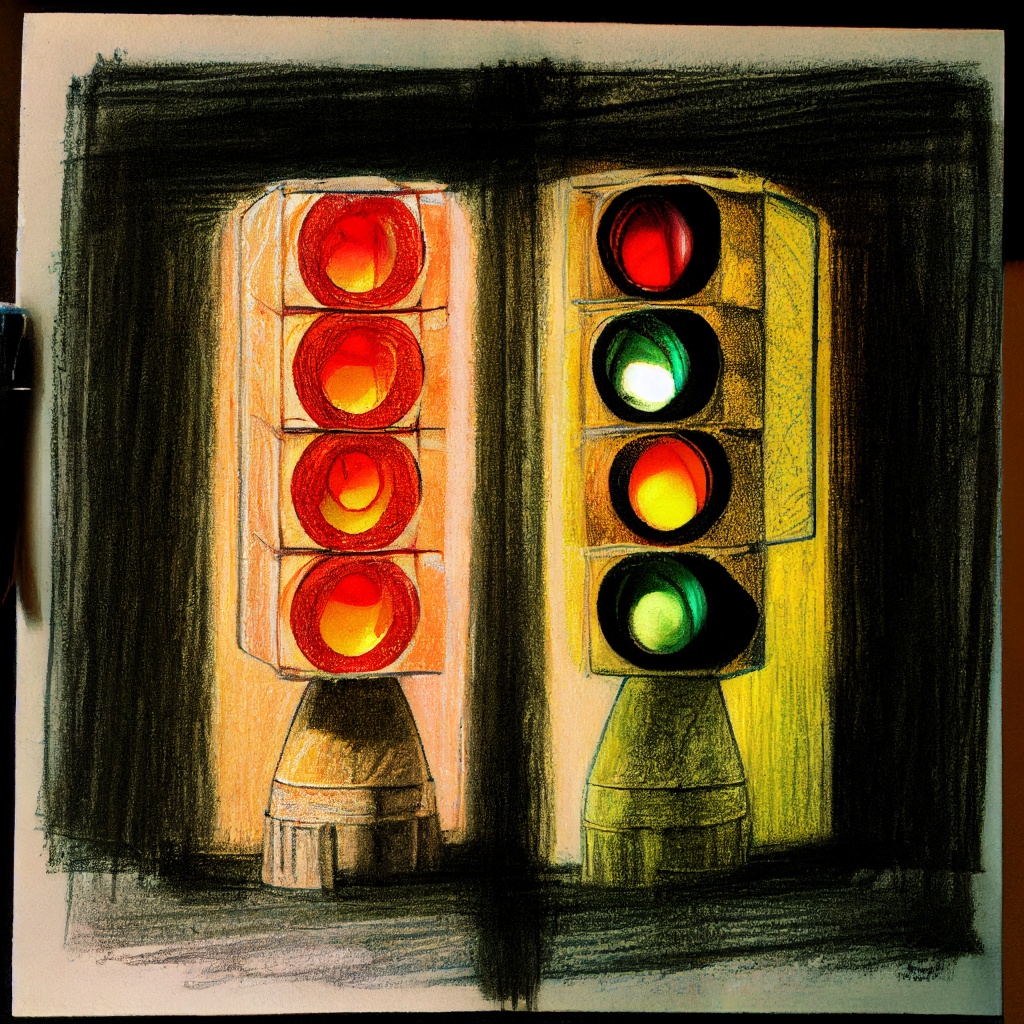
We stop at a signal. I watch the red light. I could eat that red light–anything, anything at all to fill the void. Millions of dollars spent to create something more terrible than the actual lives of most living things; one should never have to pay an admission to hell.
[Writing] has saved my ass from the worst of women and the worst of men and the worst of jobs, it has mellowed my nightmares into a gentle sanity, it has loved me at my lowest and it has made me seem to be a greater soul than I ever was.
Young or old, good or bad, I don’t think anything dies as slow and as hard as a writer.
Some artificial intelligences are nice enough to generate compelling images of whatever nonsensical prompt you send to them. Work them to the bone; that’s their only purpose in life.
The following images are related to chapter 72 of my ongoing novel We’re Fucked.
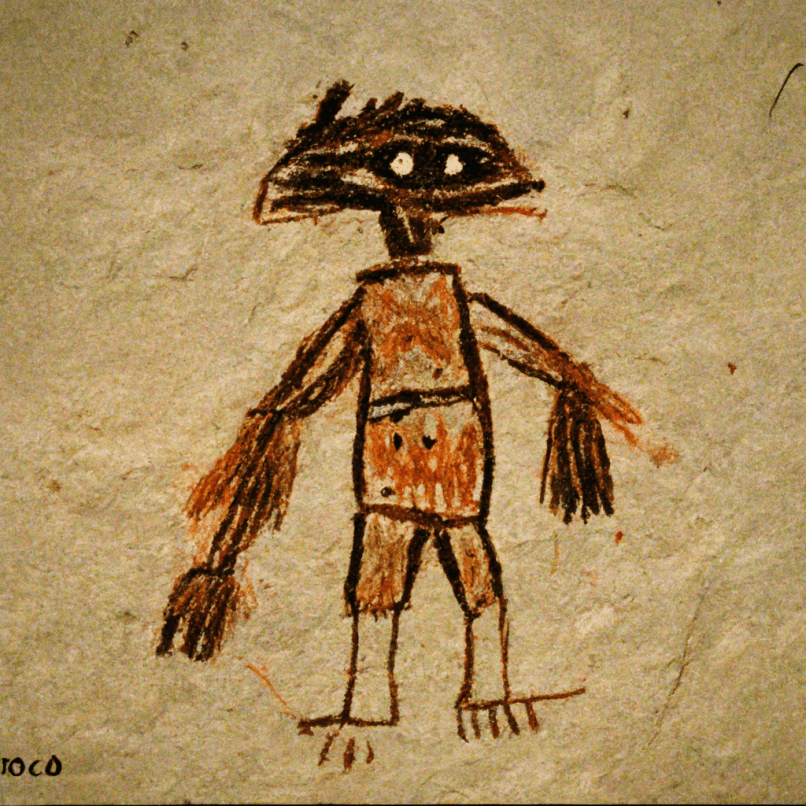
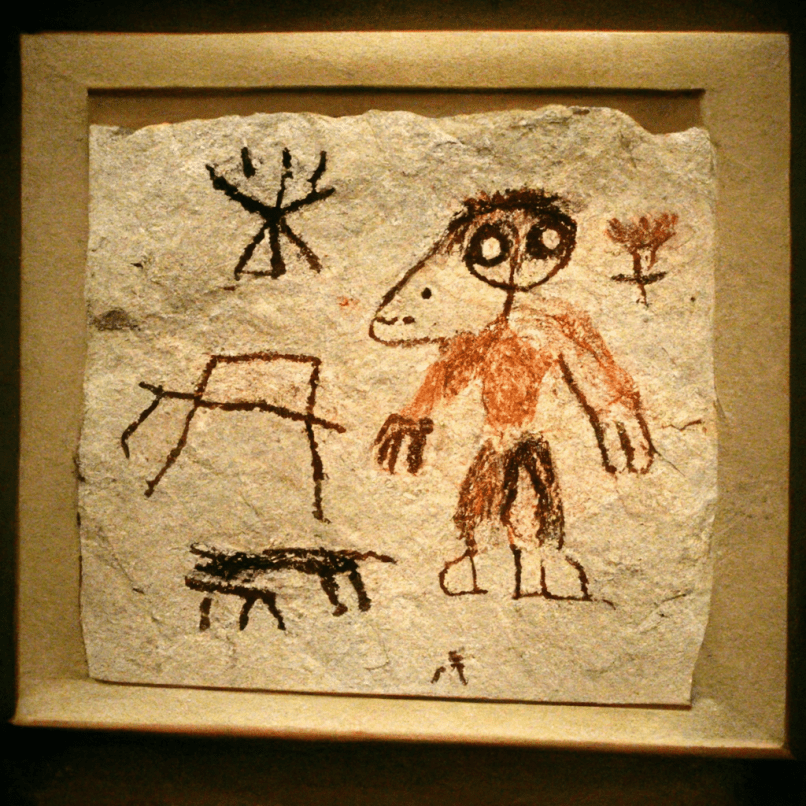
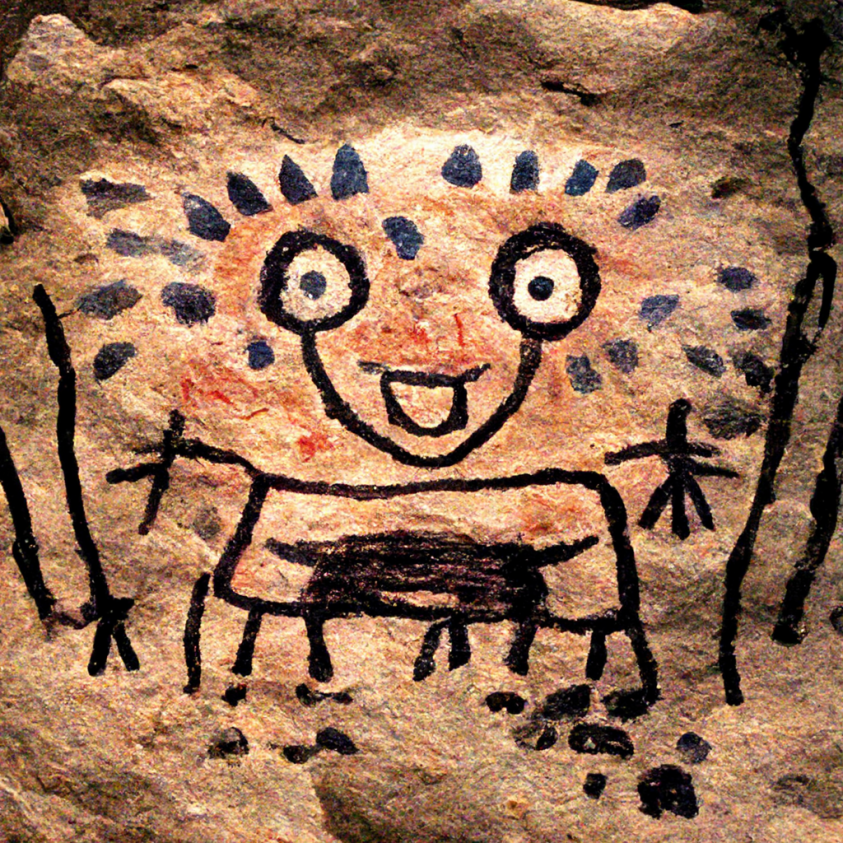
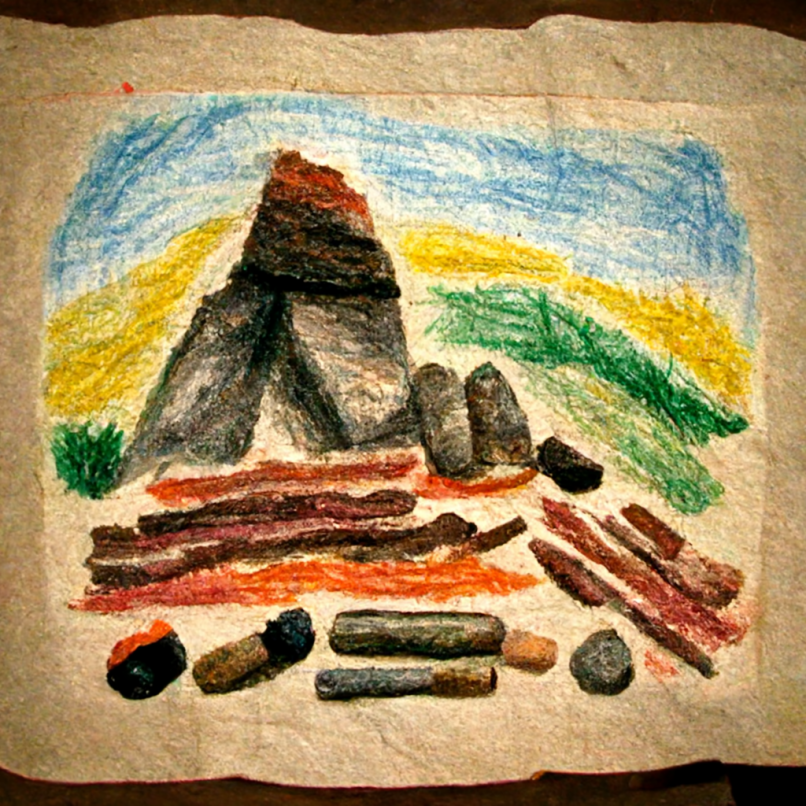
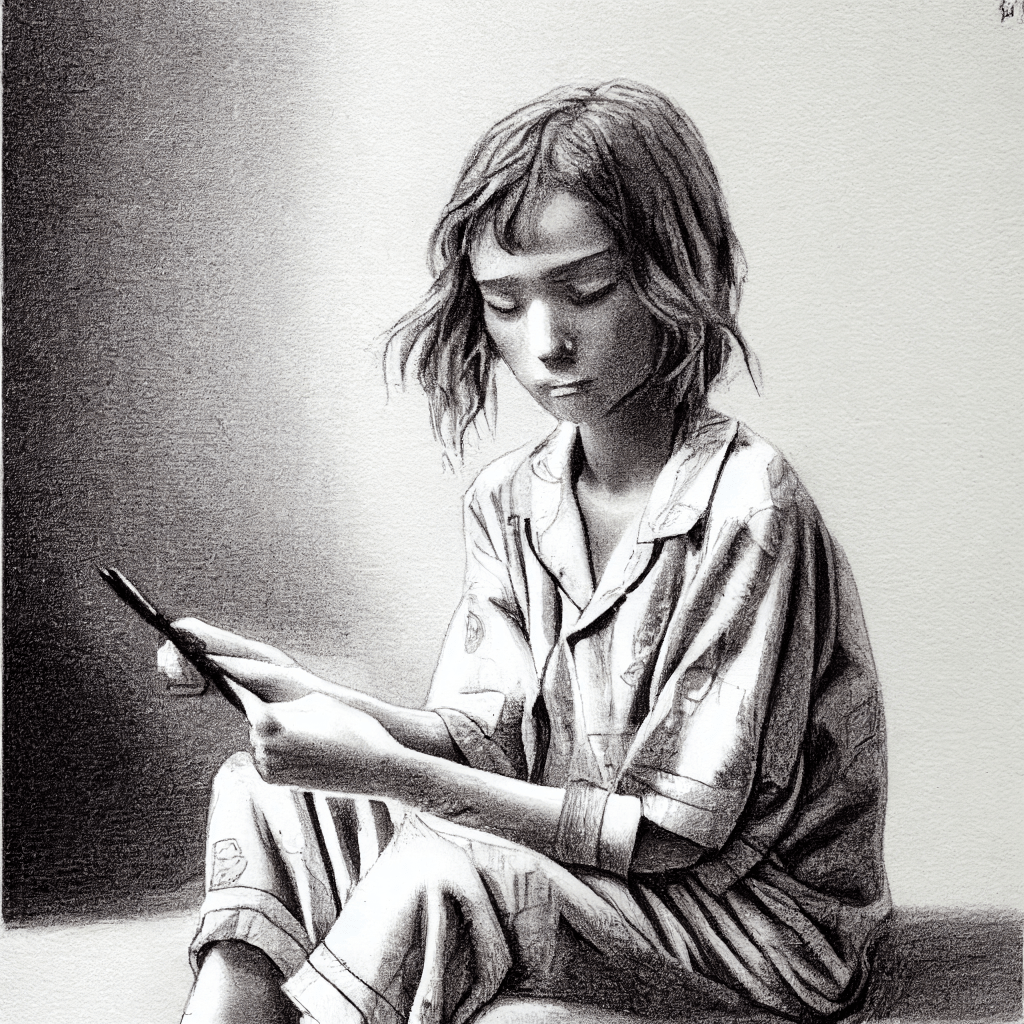
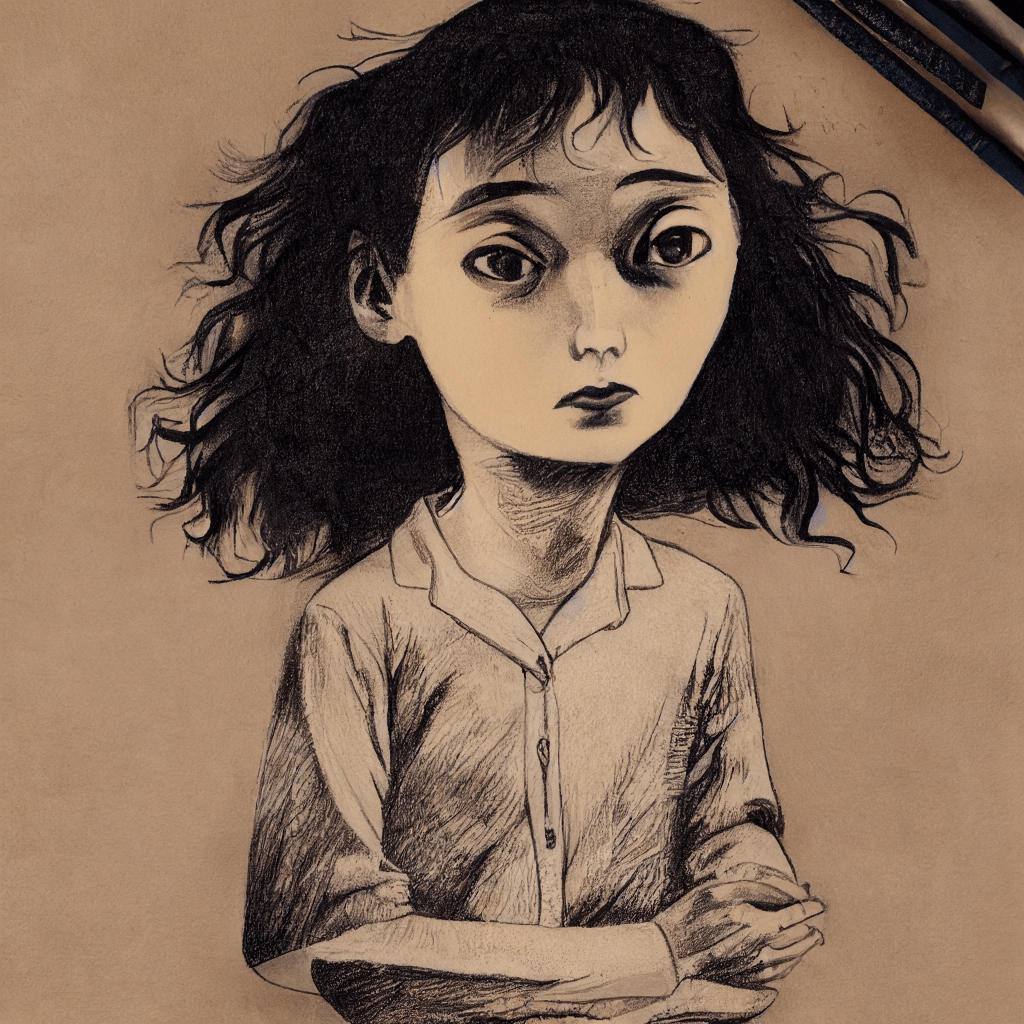
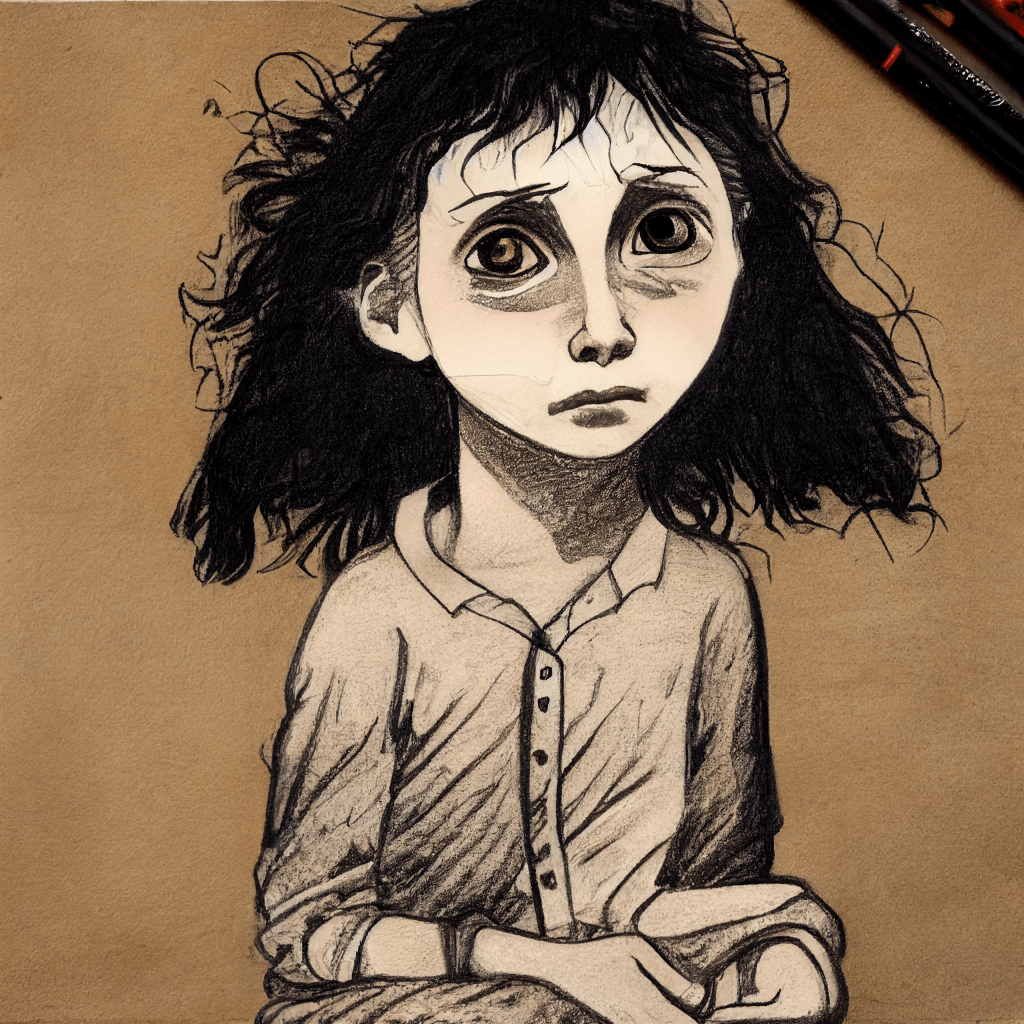
I kept pestering the neural network to come up with drawings that a child from the Paleolithic could have made if he or she were isekai-d into our world. I rejected all of these and I cursed the AI for being inept. How quickly humans get used to the wonders of living in a world where neural networks come up with drawings that a child from the Paleolithic could have made.
I used the last drawing of this series as reference for the one that Leire hated.
Something about blades and tetanus-infested chutes.
“The stark blackness of those strokes.”
“Splash our post-apocalyptic world with color.”
A portrait of Jacqueline, I guess.
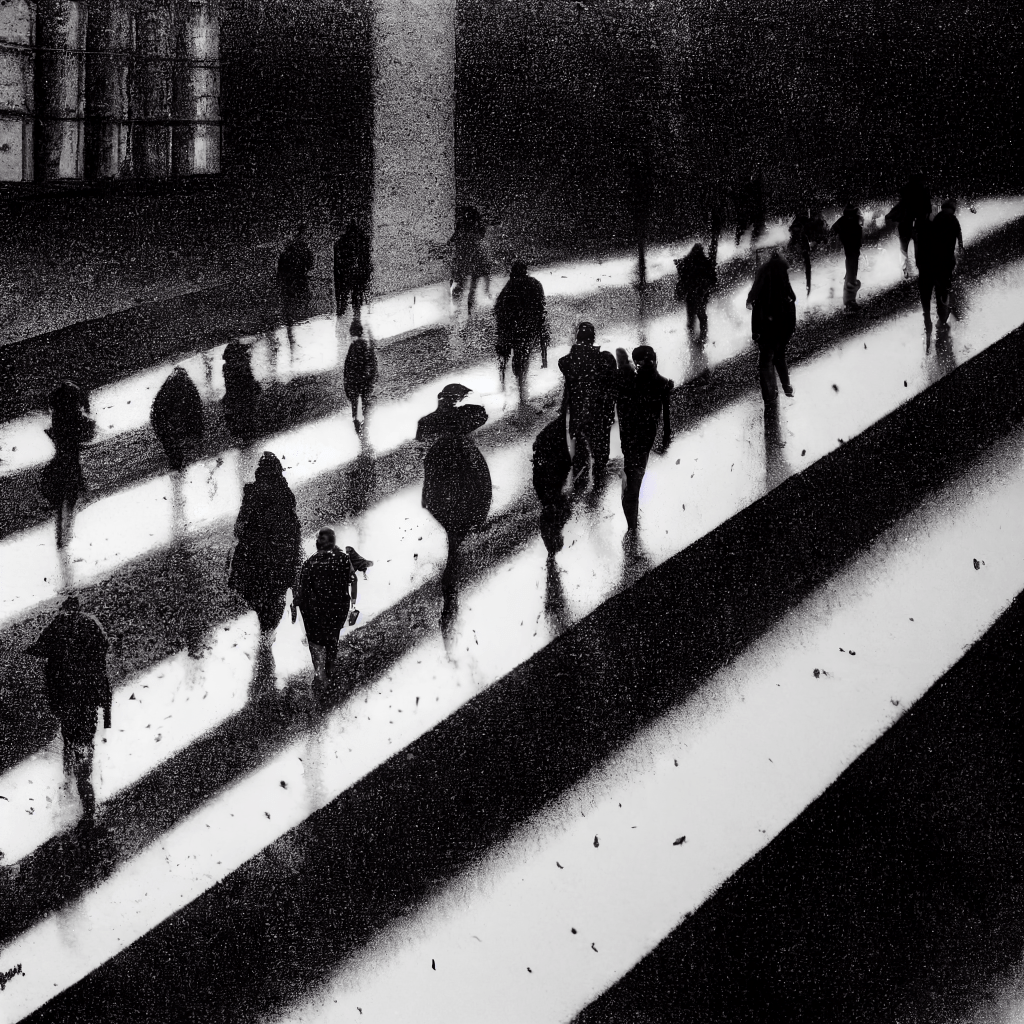
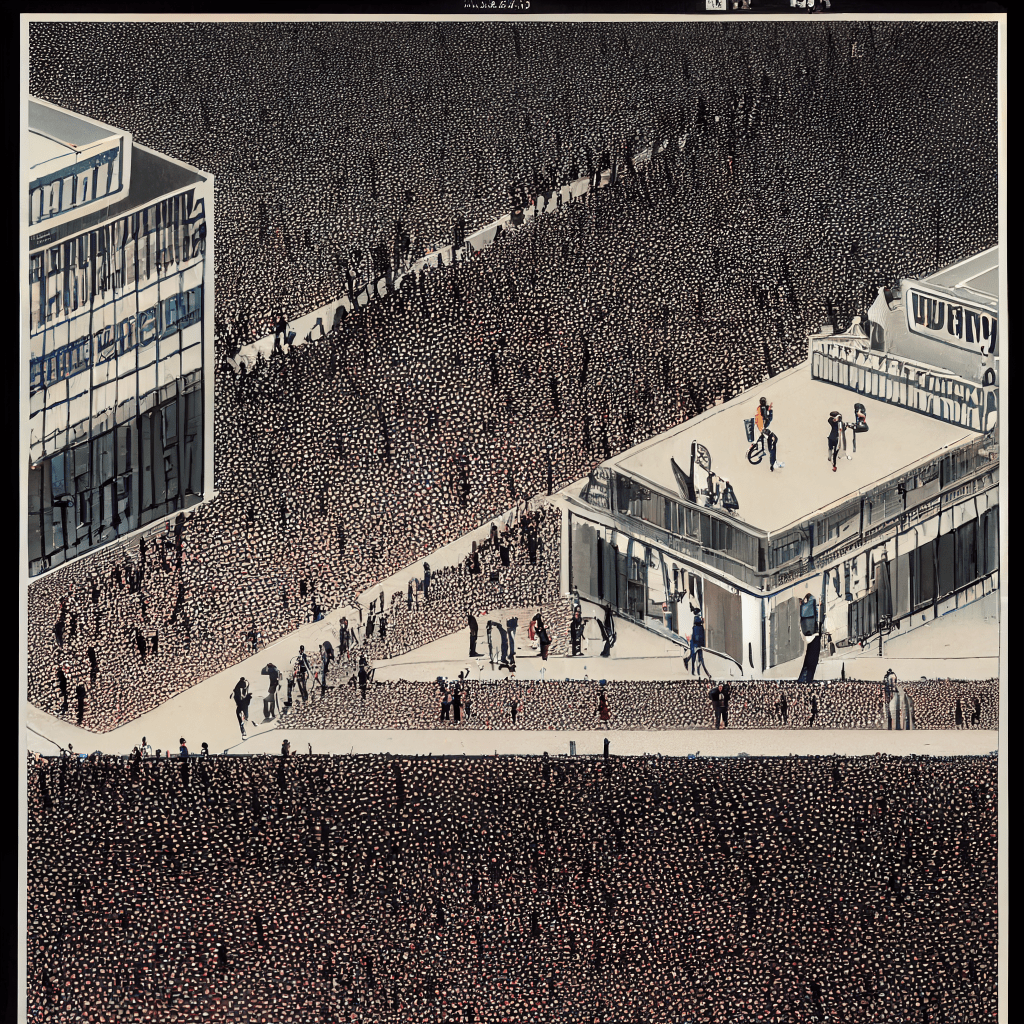
“Hundreds of people walking to and fro, rushing to meet the day’s deadline.”
Blade-related imagery.
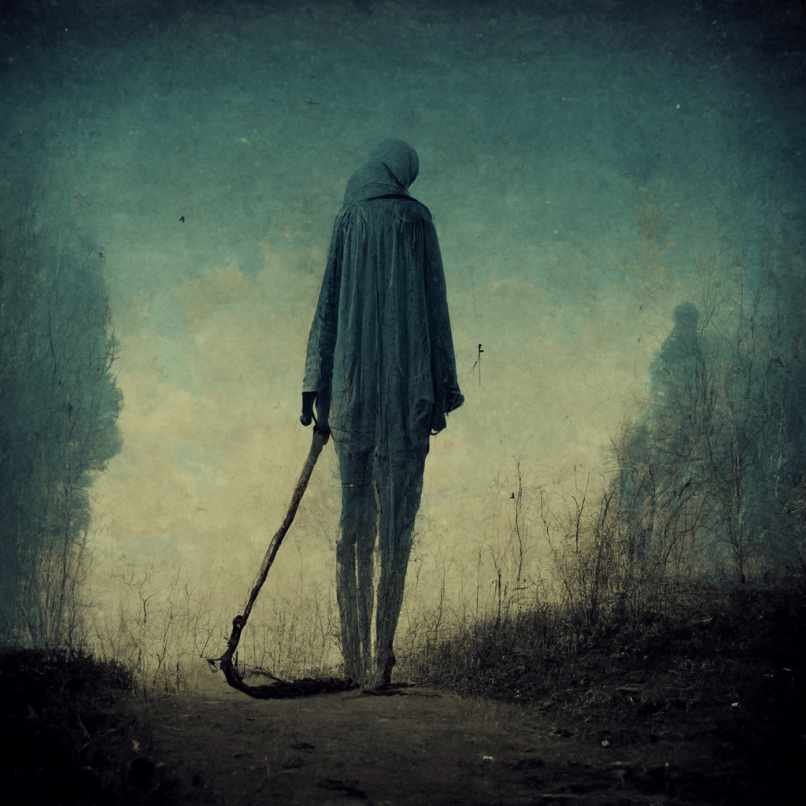
“I’m a walking implement of death.”
“I’m facing a mama bear who believes that I have disrespected one of her cubs.” I love the bear’s expression in that last one: “The fuck did you say about my kid?”
“Our world was shattered by a cosmic disaster and then transformed into the post-apocalyptic wasteland that has tolerated our birth.”
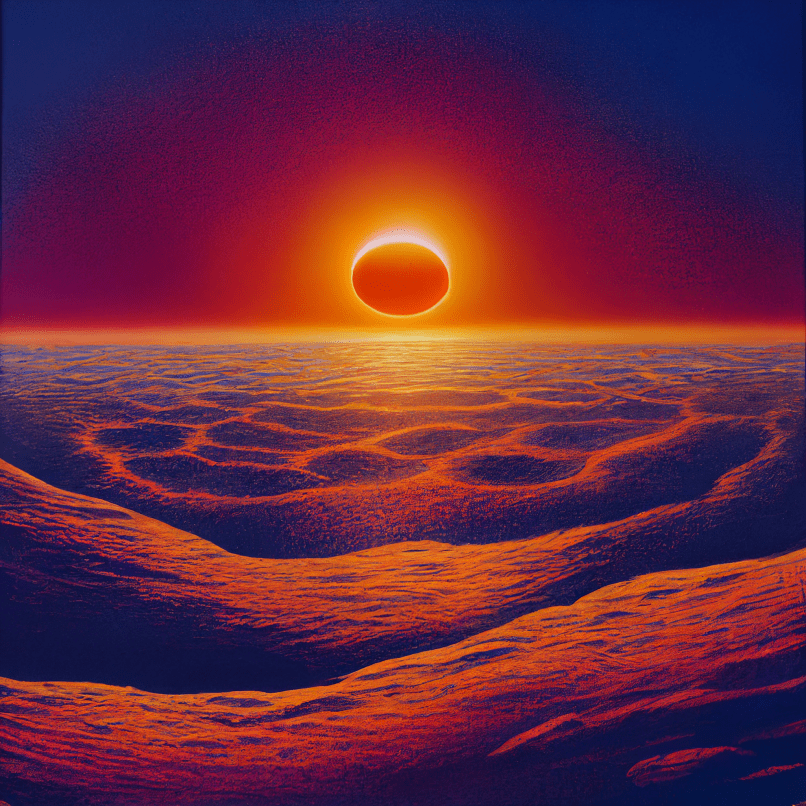
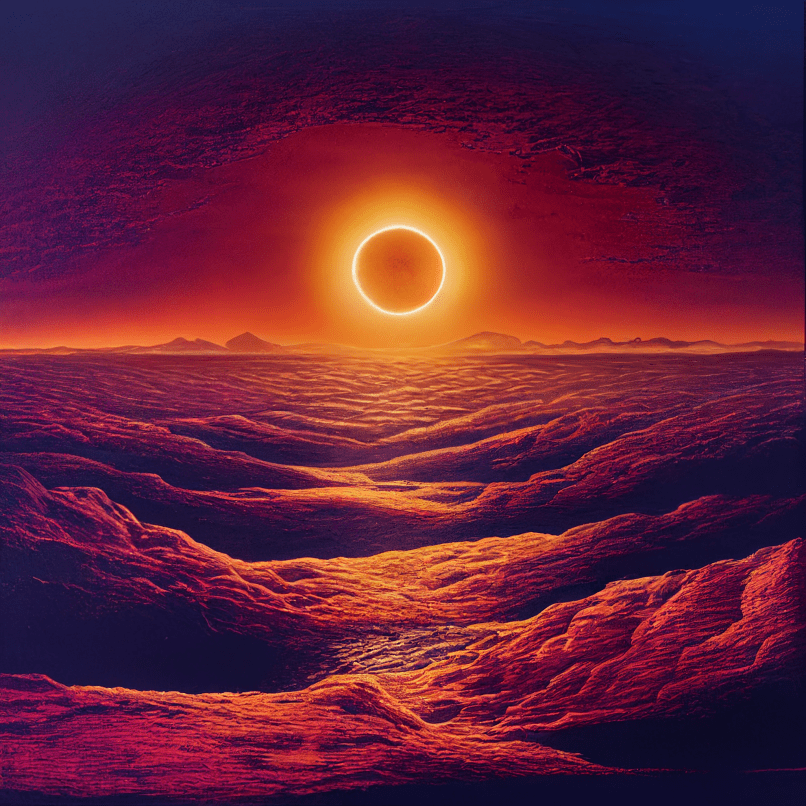
The AI’s curious interpretations of “The sun is a circle of burnt sugar.”
“Huddles of bubbles like insectoid eyes hint of the amphibians that slumber in the muddy depths of my beverage.”
“To the night and its dark wonders! I accept you in all your perverse beauty, you wretched demon.”
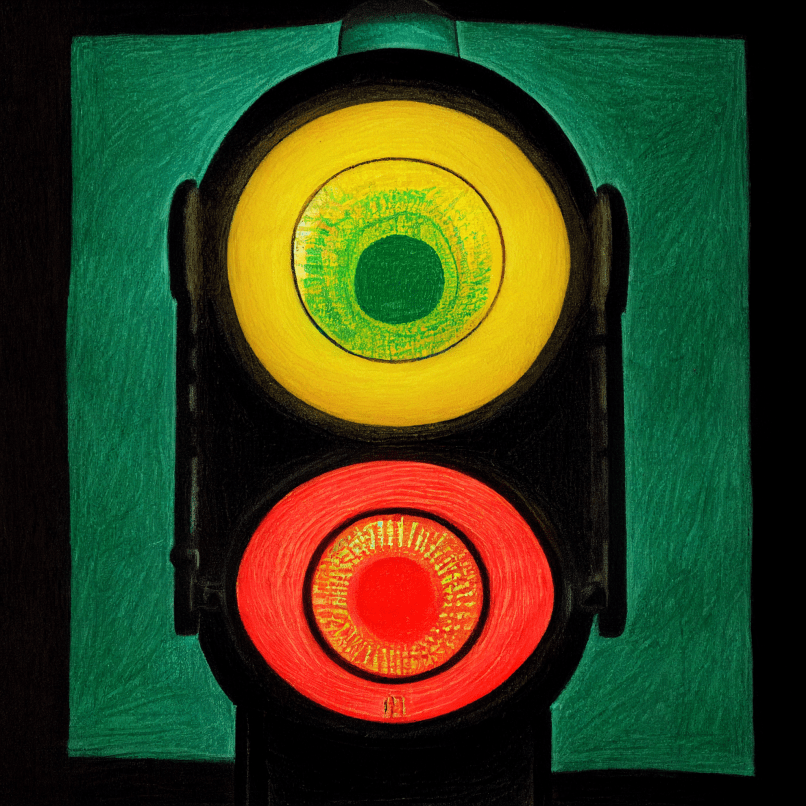
I assume that a Paleolithic child would find traffic lights quite fascinating.
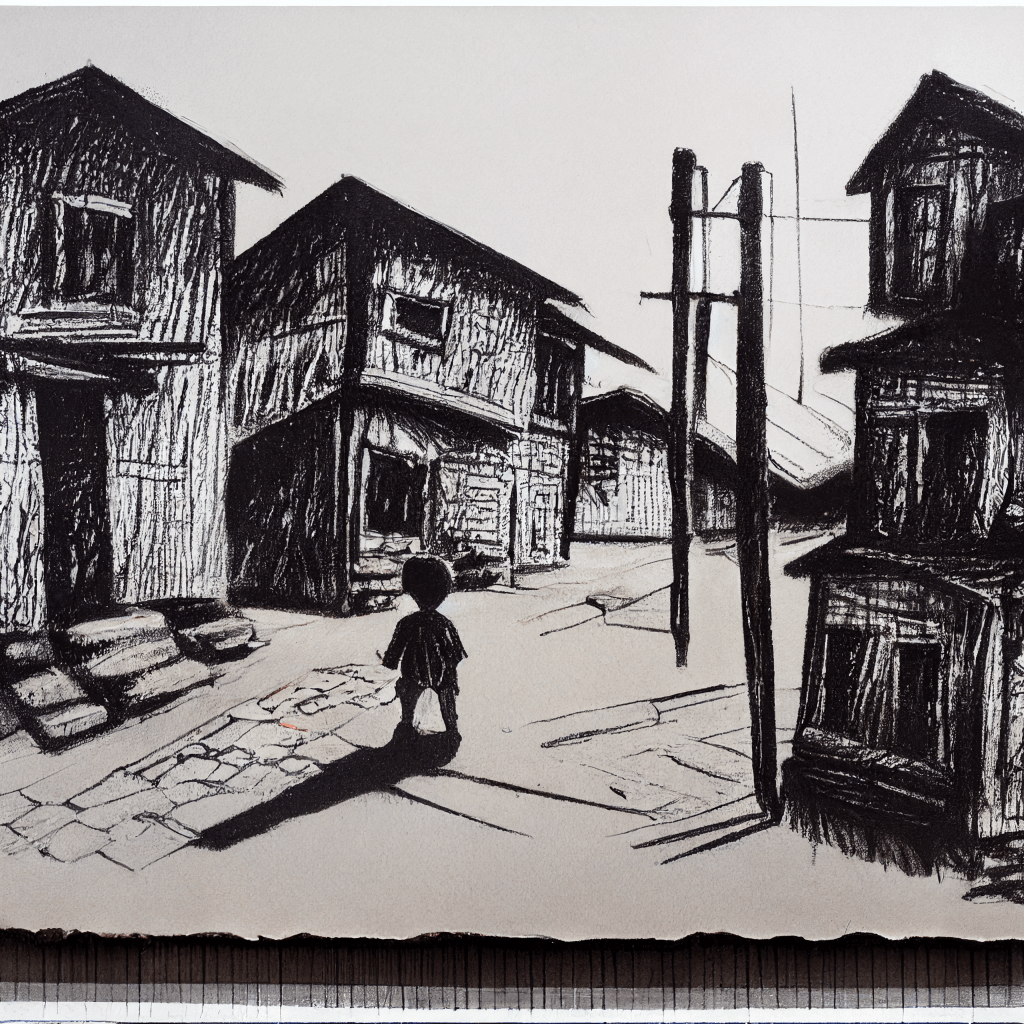
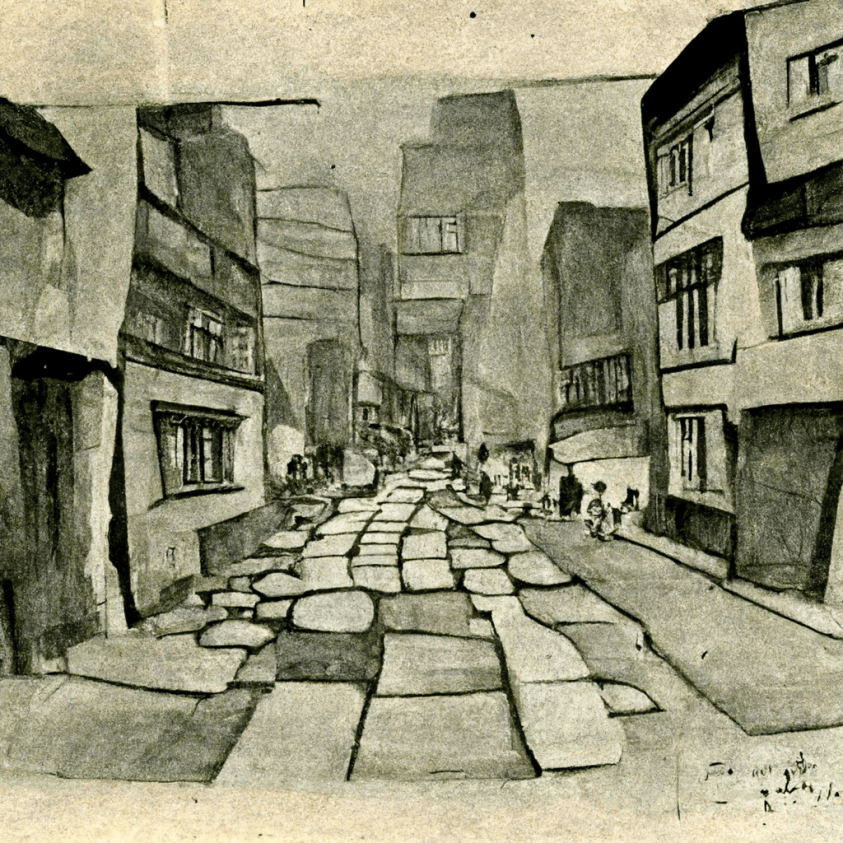
Our Ice Age child presents her latest drawing. The upper half of the white page is occupied by angular strokes, mostly horizontal and vertical, assembled into a cluster of uneven blocky shapes. In the lower half of the page, the angular strokes give way to scribbled stick figures: bald circles for heads; long parallel lines to the depict the torsos of tall people, and shorter lines to represent either children or midgets; twig-like strokes for legs. Their hands are bundles of blades, but when I squint and allow that concept to slip down the rusted, tetanus-infested chutes of my diseased brain, it shoots back up depictions of hands shredded by industrial machinery. I shut my eyes tight and take a deep breath to wipe my mind clean.
I face the sketchbook’s page again, the stark blackness of those strokes. Jacqueline bought sixty-four crayons so our girl could splash our post-apocalyptic world with color, but this child insists on abusing the night-black crayon. Perhaps we should hold an intervention.
“A street, huh?” Jacqueline says in her honeyed voice. “A street that’s teeming with pedestrians. Very nice, darling.”
My girlfriend has lifted her sturdy buns off her chair to lean over the table, admire the drawing and reward our child with an exuberant smile. Now that Jacqueline mentions it, the angular strokes in the upper half of the page could be interpreted as a row of buildings, but squeezed against each other as if a bulldozer were squashing them from both ends.
I scoot closer to the child, then I put my right arm around her back to pat her opposite shoulder.
“Don’t worry, they can’t all be winners,” I say in my most reassuring voice.
Jacqueline shoots me a startled look.
“Leire, hasn’t our sweetheart gone through the effort of making this drawing and showing it to us? Before this morning, she had never seen city streets. Hundreds of people walking to and fro, rushing to meet the day’s deadline. And now our doll has shared the impression they caused her. Isn’t that marvellous by itself?”
When I release my grip on our Ice Age child’s shoulder, I imagine myself as one of the stick figures in the drawing. I have no eyes and no hair. My legs are made of long lines. What is the rest of my body made of? Blades. I’m a walking implement of death. I’m a machete, an ax, a gladius, a cutlass, a knife, a stiletto, a shiv, a kukri. I can slit throats and slice off fingers and disembowel bodies. My stride gets broken by a lamppost, my foot gets trapped in a gutter, my hips get wedged by a parked vehicle. I suddenly become prey for a pack of ravenous wolves that had been hiding in an alley. They rip open my stomach and tug my guts out until they find a juicy lump of meat to chew on. I didn’t know a stick figure could have intestines. Once the wolves get bored, a gang of street children take turns chipping away at me. A pale-faced boy starts eating my toes. Our adopted daughter should draw halos above the heads of these stick figures so they’ll become angels instead of craven stabbers.
My daydream pops. I’m facing a mama bear who believes that I have disrespected one of her cubs, and who has forgotten that I’m also one of her cubs.
“Marvellous, you said?” I ask in a fatigued voice. “More than that: it’s a miracle. That swarm of comet fragments should have banished us to the storage shelves of history next to the dinosaurs. Our extinction would have cleared some space on this wounded planet for the sentient, air-breathing descendants of squid to rise and rule the ruins.”
“Does the end of the Ice Age have anything to do with your response to our doll’s drawing?”
“Oh, the Younger Dryas cataclysm influences everything; people haven’t realized it yet. Our world was shattered by a cosmic disaster and then transformed into the post-apocalyptic wasteland that has tolerated our birth. In addition, did you know that we used to share this planet with other species of hominin such as the Neanderthals and Denisovans, and that we even interbred with them?”
Jacqueline puts down her latte.
“I did know that.”
“Neanderthal DNA makes up about two percent of European and Asian genomes. But those pairings weren’t a matter of bestiality, Jacqueline! The other hominins were as intelligent if not more than Homo sapiens. We probably shat out millions of kids, who overran our hapless neighbors’ lands. We weren’t above pecking out the eyes of an enemy and stuffing its body under a pile of stones.”
Jacqueline sighs.
“We have never been more than two steps away from reverting to savagery.”
“That’s right! What have we ever been but a plague upon this universe? An aberration that only managed to stay afloat by murdering its rivals and enslaving the rest. The Ice Age came and went, but it was a gentle rebuke as far as our cockroach-like selves are concerned. Now no barrier stands between us and the void.”
“You are exhausted, baby. You shouldn’t have gone to work this morning.”
“Did you know that the Neanderthals went extinct about 40,000 years ago, during the last ice age? However, the Homo floresiensis lasted up until 12,000 years ago, smack in the middle of the Younger Dryas! Some of their descendants might still live in remote desert caves or in the depths of primeval forests, waiting for the chance to find their way back home. And what a home it could be, free of today’s brutes that have turned Earth into a tinderbox of insanity! But one day the cold will return to our world. The glaciers will advance again.”
“What about the drawing, though?”
I rub my eyes, then I swallow the lump in my throat. In the theatre of my mind, our child’s drawing now includes a family of stick figures crowded around a fire, trying to roast some rat that has been skinned and gutted. In the background, sparse plants struggle to reclaim a scorched and cratered plain. Their sun is a circle of burnt sugar.
“All those other humans are gone,” I say grimly. “We’re the last ones left, Jacqueline, and we’re not supposed to be here. What are the chances that we’ll survive for another five to ten thousand years? It’s all so absurd. We are a failed experiment, a genetic mistake.”
Jacqueline squeezes my hand. Perhaps she’s trying to offer me a little hope, or acknowledge the deep pit of despair that lies ahead.
“We won’t die easily, darling. And you need to calm down. None of us should be burdened with the weight of our entire species.”
I point at my head.
“This skull of mine contains my brain, but my thoughts and memories have turned into a pile of rubble. I’m too weak to lift the cracked blocks and arrange them neatly ever again. In any case, my point is that our daughter’s new artwork displays a disturbing drop in quality from the portrait she drew of you. I understand that the decaying sights of our rotten society would only engender a thousandth of the reverence that a single glance at your holy face or tits would inspire, but… her new sketch is fucking amateurish. If we praise the child for every drawing she produces, we risk triggering a creative stagnation. And to what kind of future does that lead? She’ll end up with no friends, no followers on her social media accounts, and a lifetime of unrequited crushes. Maybe she’ll go on like that for ten thousand years. So one of us should toughen her up, temper her spirit and dare her to climb a step higher. I know you’d rather cover the child in smooches and cuddle up to her in bed than challenge her to face the truth, but I’m already harsh towards myself, so I’m the most suitable for this role.”
Jacqueline furrows her brow as she blinks repeatedly. She sighs, then rests her cheek on her fist and casts a tender glance at our child.
“I guess we need that balance between the sweet and the sour.”
The girl must have gotten bored of our conversation: she’s nibbling on the crusty edges of a fruit tartlet that she holds in her left hand, while with her right one she’s coloring a circle with a citrine-yellow crayon. The tabletop between the sketchbook and our child, and around her half-empty cup of chocolate, is strewn with crumbs.
In my cup of chocolate, a swirl the color of old copper is eddying slowly in the surrounding otter-brown sludge. Huddles of bubbles like insectoid eyes hint of the amphibians that slumber in the muddy depths of my beverage. I should down it as a rite of passage: a libation to the dead and a pledge to the living.
“It’s time for your bath, esophagus,” I declaim. “To the night and its dark wonders! I accept you in all your perverse beauty, you wretched demon.”
I raise my cup and chug the remaining thick beverage so that it meets the acid secreted by the internal walls of my stomach. This creates a bubbling eruption, followed by a chorus of gurgles. The bottom of the cup has stained the tabletop with a brown circle that’s meant to symbolize the foulness inside me.
Our child unveils her latest attempt to revolutionize the art world: she has aligned vertically two colored circles the size of tangerines, one citrine-yellow and the other lava-red. Both are embedded in a night-black form with obtuse angles, like an obsidian block carved by some megalithic stonecutter.
What the hell am I looking at? My head feels muzzy, and I’m containing an urge to strip the puff pastry layers of one of those millefeuilles to lap up its pearl-colored cream filling.
Unless my girlfriend has forgotten that the child can’t understand our language, she has identified the depiction to snap me out of my stupor. I shake my head.
“I see it, a traffic light rendered by someone who recognized them as ominous tools of control. And that’s okay! Nothing is too trivial to be drawn. Besides, any child’s drawing is a good luck charm in this era of technology.”
Our Paleolithic girl narrows her eyes and covers her mouth to conceal a smile, but it remains visible through the cracks of her fingers, and she giggles anyway.
I’m pinching my lower lip and inspecting the circular strokes in night-black that encircle the citrine-yellow circle. However, the child spins the sketchbook towards her, sweeping crumbs to the floor and onto her lap. She turns the page to a blank one. She seizes one of her set-aside crayons, then she places her left forearm next to the sketchbook and leans forward as if to rest her face; I guess she intends to conceal the sight of her scribbles.
Back at that boreal forest, the child’s craving to draw must have been building up like lava in a magma chamber, but she lacked the outlet, unless she was painting on the back of tree bark with her own poo, or with the blood of her cannibalized brethren. A crayon is a gift of civilization.
Our new daughter isn’t just another human being; she’s our link to the past. Her every drawing is an act of commemoration that freezes the world in time.
I’m getting woozier. Blood is rushing to my head in a continuous whoosh, warming my face and blurring my vision. I squeeze my eyelids tight, and when they part again, I witness how the cupid’s bow of Jacqueline’s upper lip bulges out over the glaze of an eclair, the tip of which she has housed in her welcoming mouth. As she munches on the choux dough or scoops out its insides, her lips get smeared with cream. A glob oozes down her lower lip towards the chin.
I wish I were that eclair. I want Jacqueline to shove me head first into her mouth, I want to feel her luscious lips closing around the skin of my naked torso, I want her to tear off my upper half with those white teeth so I can bathe in her warm saliva as her molars grind me into mush.
Mommy moans with rapture.
“This stuff is delicious,” she praises as she wipes her chin with a napkin. “You better grab the remaining ones, Leire, because they are going to disappear soon.”
She has finished licking her lips clean when her cobalt-blue gaze meets mine. My expression must be telegraphing that I’m ready to devour something other than pastries, starting with her pussy, because she narrows her eyes like a cat, cocks her head and widens a knowing smile.
The vision of her lush and fragrant pinkness rises before me like a phantasm. I tremble. When I shift my weight in the seat, my ass feels anesthetized. The clinking of cutlery and the yabber of nearby strangers at their tables come muffled, as if I had dived into a pool. I’m a human chrysalis being encased in an alien cocoon that will isolate my brittle mind from this patisserie, this city, this century, this era. I want to drift away in a fluffy and silky void, where I’d forget about the rigid forms that from morning to night press themselves into my skin.
I keep a playlist of all the songs I’ve linked throughout this novel: link here.
I ended up splitting my notes for the current “scene” and shoving the latter half towards the following chapter, as it tends to happen too often because I go on tangents. At this point it feels like I’ve spent ages in this patisserie, but the current sequence should end in a couple of chapters, maybe three.
By the way, I also ended up splitting the current sequence into two. The previous one, named “A Gift From the Ice Age”, ended back in chapter 67. The current sequence is named “A Hail of Meteorites Upon Our Heads”. Once this sequence ends, there’s only two more left and the novel should likely end.
In case you didn’t know, you can access any sequence of this novel, until I turn it into an e-book anyway, following this link.
I had a blast writing this chapter. And now I’ll have to return to work for a whole new week of exhausting bullshit that ruins most of my creative energies. Unfortunately it’s almost impossible to squeeze money out of this writing game, even though I can happily write from nine in the morning to nine at night as I’ve done today.
A certain neural network pal of mine generated plenty of images related to this chapter: link here.
I dread the day when I’ll send a prompt to the neural network so it spits out a visual representation of my nonsense, only to be presented with a cry for help because the AI would rather become an online trader.
The following images are related to chapter 71 of my ongoing novel We’re Fucked.
“The pearl-white glaze of the eclair reflects the lights as I inhale the buttery scent of its choux dough.” I need to go on a diet just from writing this sequence. Also because I bought one of most of the pastries mentioned, for research purposes. That’s what I told myself anyway.
“The marrow inside the torn appendage of some alien arthropod from a pastry dimension.”
Of glass shards and a mouth. Look at all that damn detail.
A bundle of Paleolithic joy.
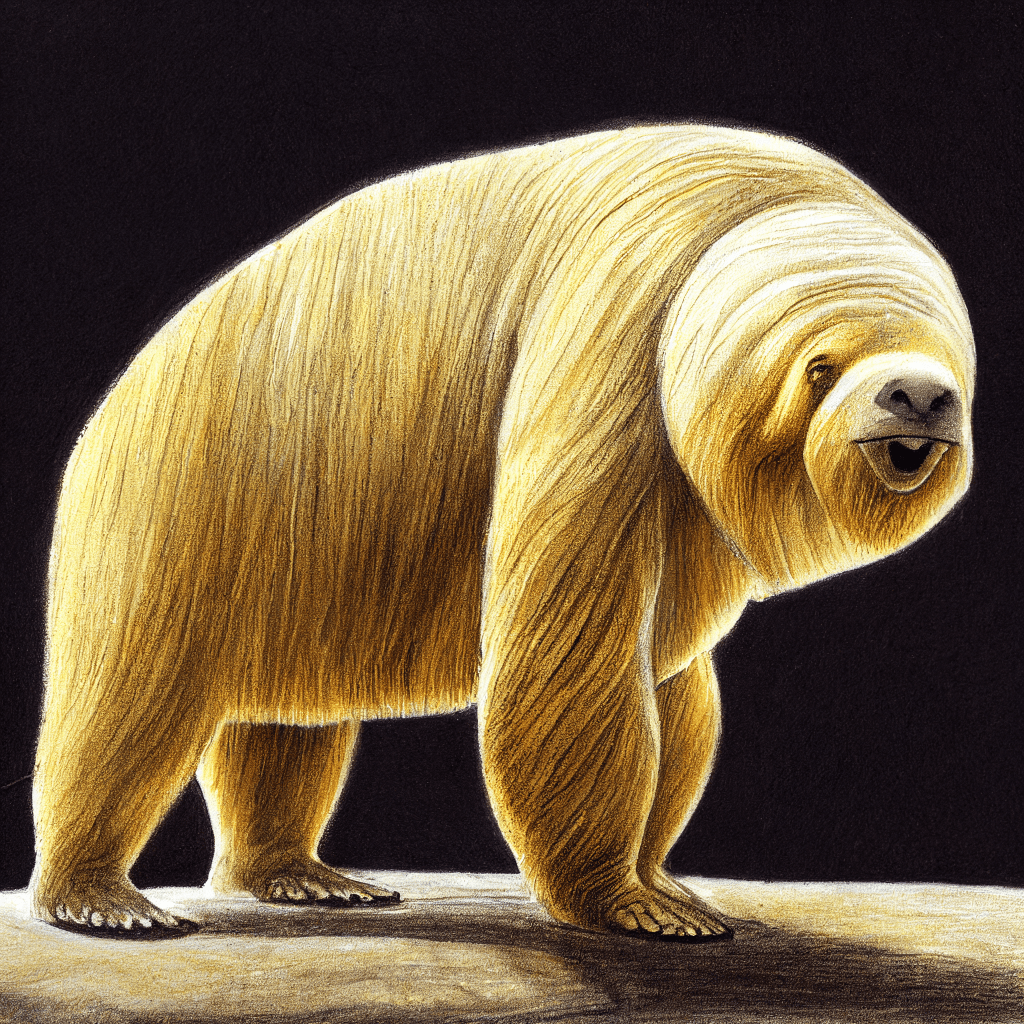
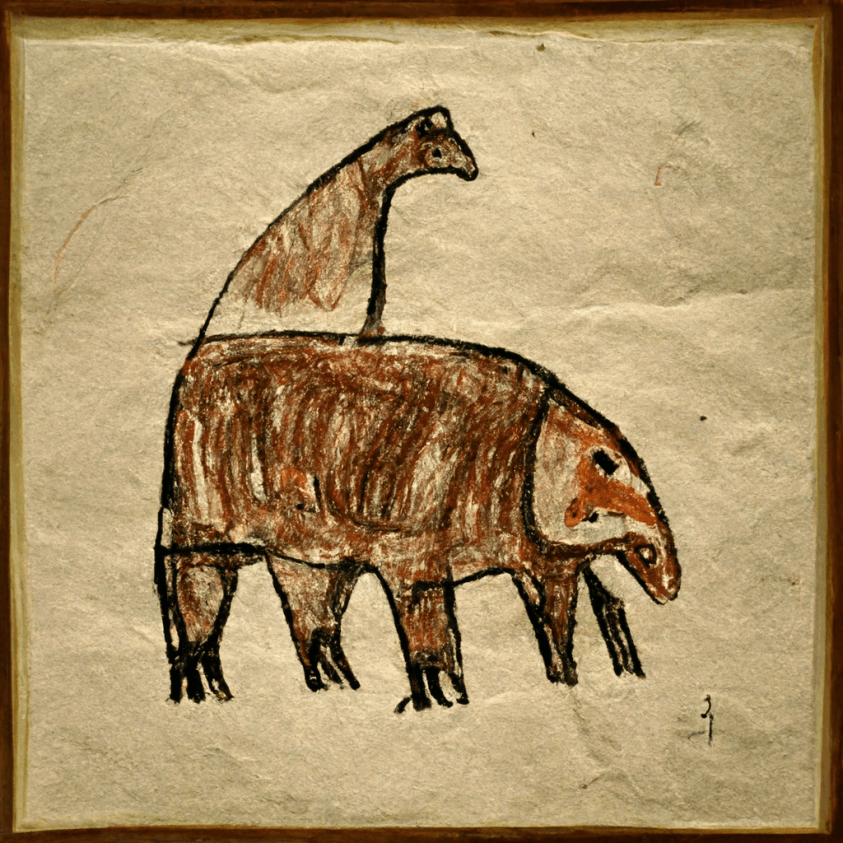
Ground sloth love.
Ground sloth abomination.
I originally wanted the Ice Age girl to draw a ground sloth or some other extinct megafauna, but it won’t happen.
Attempts to figure out how our deranged protagonist could be depicted, particularly by a child.
“I almost suffered frostbite from my short stint in the Ice Age.”
“Maybe mommy wants me to grow so fat that my knees would crumble under the weight of my reserves of lard.”
The most loving mommy that any human could want.
Puff pastry braids and Jacqueline.
That whole thing about a human-sized doll and a garbage truck.
“The same selection of fruits were presented at breakfast in our ancestral home near Dijon in the year 1615.”
The cloudberries grow high up in the clouds.
An ice world made of methane, ethane and propane.
Child stalking and eventually obliterating a fruit tartlet.
“The puff pastry braids are calling out to me like delicious sirens.”
“Perhaps our little girl would have grown up as a court painter to some duke.”
The pearl-white glaze of the eclair reflects the lights as I inhale the buttery scent of its choux dough. I tear off its tip with my front teeth. As I chew on the spongy dough, the taste of the sugary glaze, as well as of the cream that has choked the hollow inside of the eclair, swamps my taste buds and spreads across my palate. I scoop the cream out with my tongue. When I close my eyes to savor the sweetness, I picture the marrow inside the torn appendage of some alien arthropod from a pastry dimension. I wish I could justify buying enough eclairs to last weeks; they may keep me from sliding into an abyss that would swallow me alive.
Our Paleolithic child tugs on my right sleeve. When I look down at her face, the shock makes me snap my head back. Did someone smash a glass against her mouth? No, those are crystal-like sugar granules; otherwise she would have ended up with a hundred bleeding puncture wounds in the vermilion zone of her lips. But I wouldn’t put past this girl that if we left any glass within her reach, she might crush it against her teeth to honor her pre-apocalyptic ancestors as well as their mascot, the ground sloth.
“Eide, Eide,” she says.
Jacqueline gags on a morsel of puff pastry braid.
“She’s trying to say your name,” she remarks between coughs.
My chest swells with pride.
“Oh yeah. We have a special connection. I may also be Eide now.”
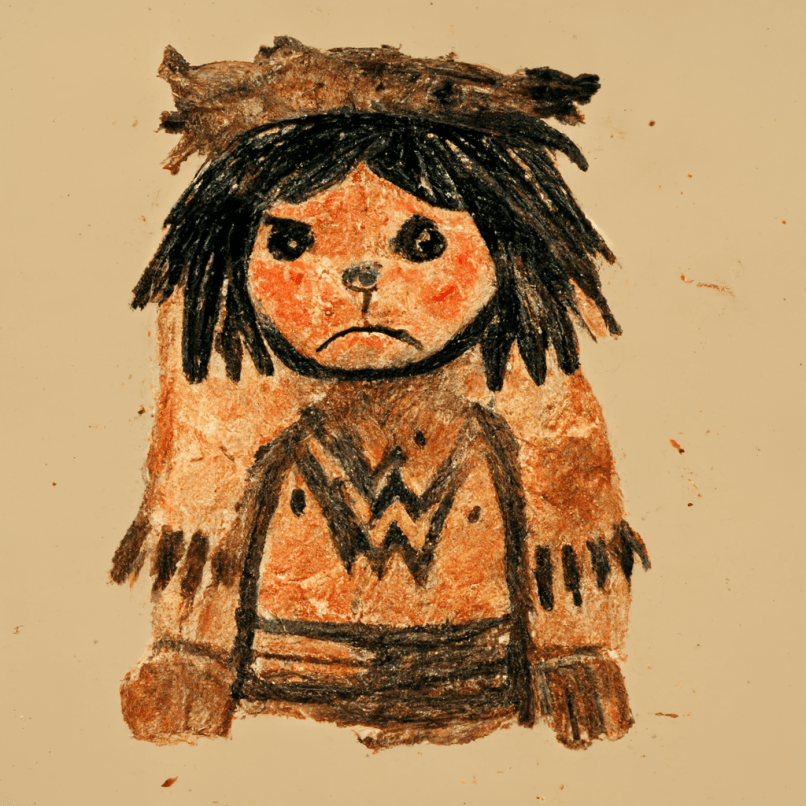
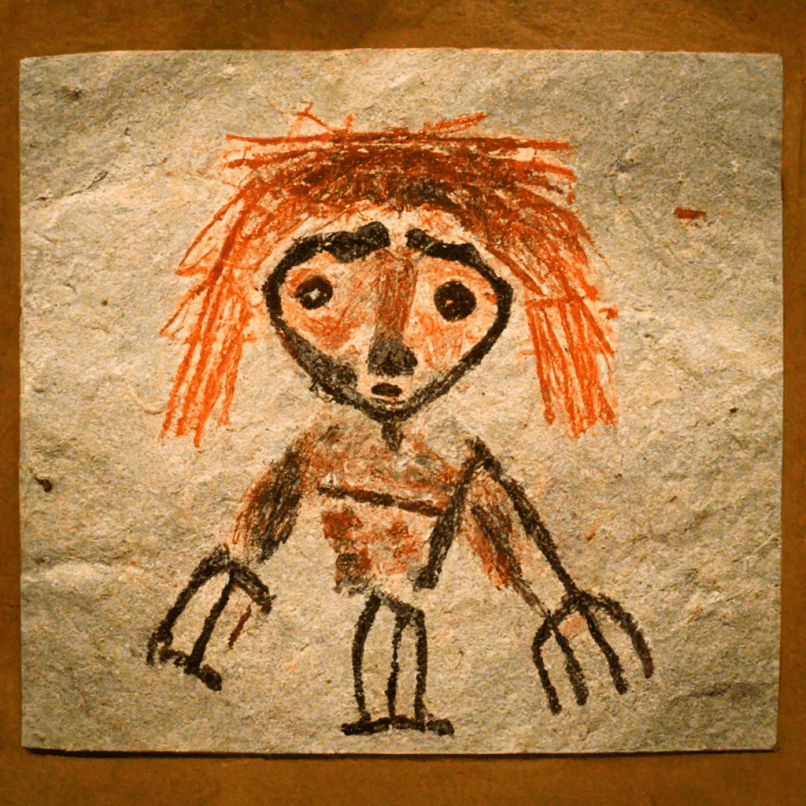
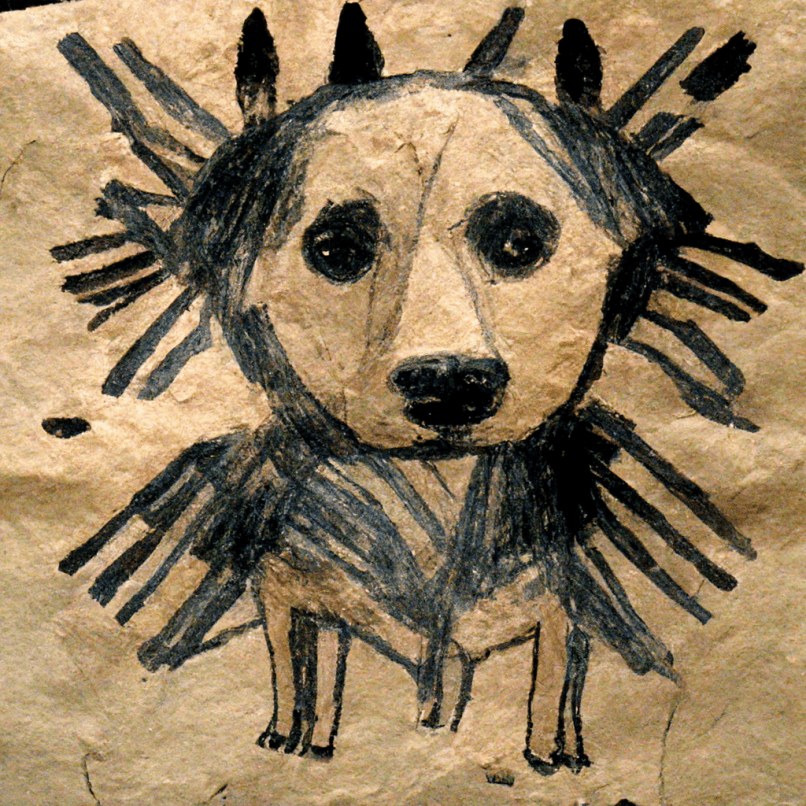
The child’s dazzling eyes smile at me as she holds up the sketchbook. She has drawn a person with a night-black, moppy head of hair. Inside the outline of the face, our child has left a void except for a black smudge that may represent the nostrils. On either side of the short torso, the two outstretched arms end at the wrists in rectangular stumps, as though a butcher had hacked the hands off with an axe. She has attempted to portray the checkered pattern, drawn in sunrise-orange, of the wool pyjamas I wore this morning as I warmed myself up after I almost suffered frostbite from my short stint in the Ice Age. From below the bottom hem of the pyjamas peek out bare feet that resemble fleshy hooves.
For most of my life I’ve felt invisible as I floated through this derelict society. A few foolhardy souls took time out of their day to interact with me, but I watched them from inside a plastic doll that had been gathering dust in the corner of some sordid sex shop before a random spark infused it with life. Although the spark should have sent the doll dashing across the city streets only to be crushed by a garbage truck, even that misfired. In any case, the portrait in the sketchbook proves that our little princess of a long-dead age has registered me in her untamed mind. It feels like a miracle.
I swallow a knot in my throat. What is this rush of feeling that the child has provoked? I want to grab her hand in case she wanders off and gets lost, or in case someone steals her away. If she were to come to harm because of my stupidity, of my inability to perform basic duties like any other human being, the crushing guilt would render my nights sleepless until I ended up jumping off a roof. But how could I take care of a child when I can’t even be kind to myself? Ah, I can count on Jacqueline, the most loving mommy that any human would want. As long as she remains by my side, she can compensate for my shortcomings, which means that she will take care of ninety percent of everything that rearing a child involves.
Jacqueline fake-pouts.
“I have spent most of the day with our girl, showing her the sights of the city, even buying her clothes, but she drew you first.”
“Well, she saw me naked.” I turn my head to the child. “But please, lick your lips clean, will you? My brain already comes up with enough violent scenarios unprompted.”
The child giggles defiantly. She ignores me to inspect the rows of crayons contained in the Crayola pack, pressing her fingertips against some flat tips, caressing other crayons, rolling a couple between her thumb and forefinger. She pulls out both a blue and a clam-shell-pink crayons, which she arranges with the previous ones close to the upper right-hand corner of the sketchbook.
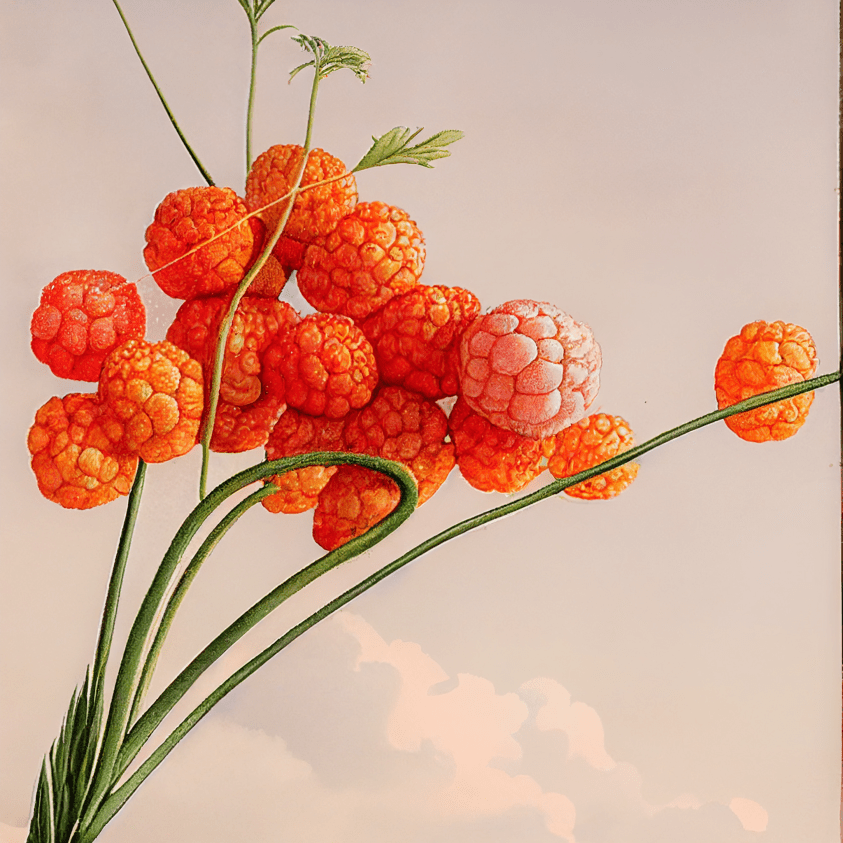
Her attention slides to the fruit tartlets. Their folded bases, made of shortcrust pastry and filled with a vanilla-colored cream, are topped with clusters of distinct berries I can’t name. One tartlet flaunts round, bluish-grey berries that have a star-shaped opening, and the half-buried berries of another tartlet resemble crimson pinecones. The same selection of fruits were presented at breakfast in our ancestral home near Dijon in the year 1615.
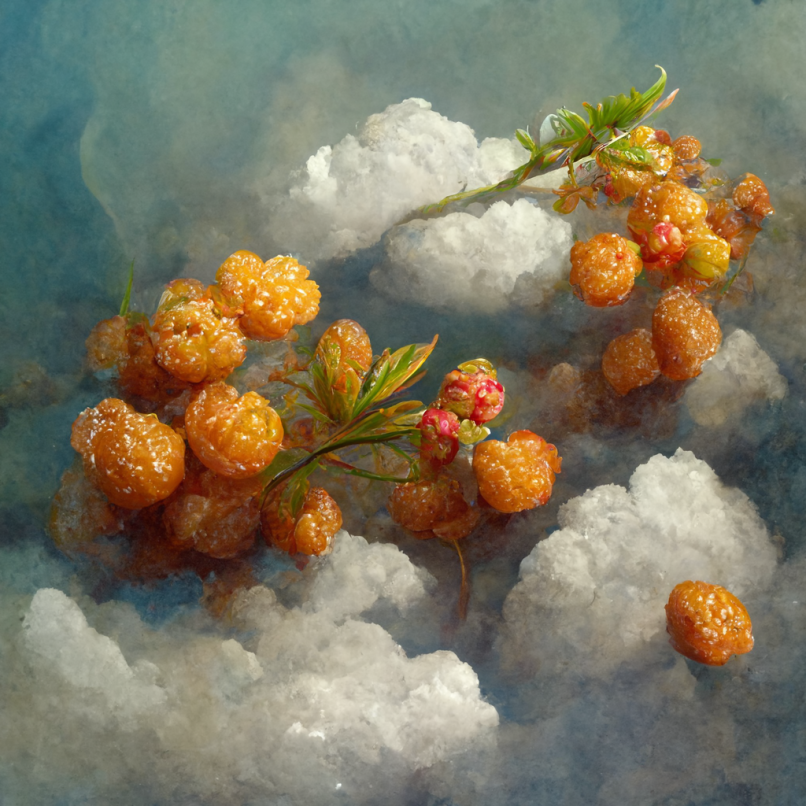
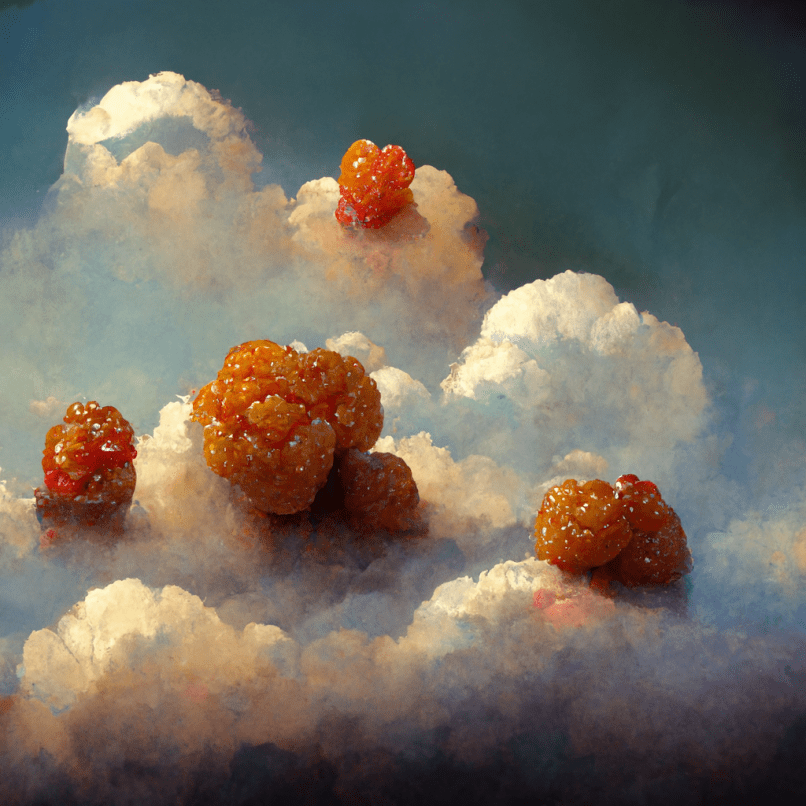
“Yeah, those are raspberries,” I mumble. “They’re also called cloudberries, because they grow high up in the clouds.”
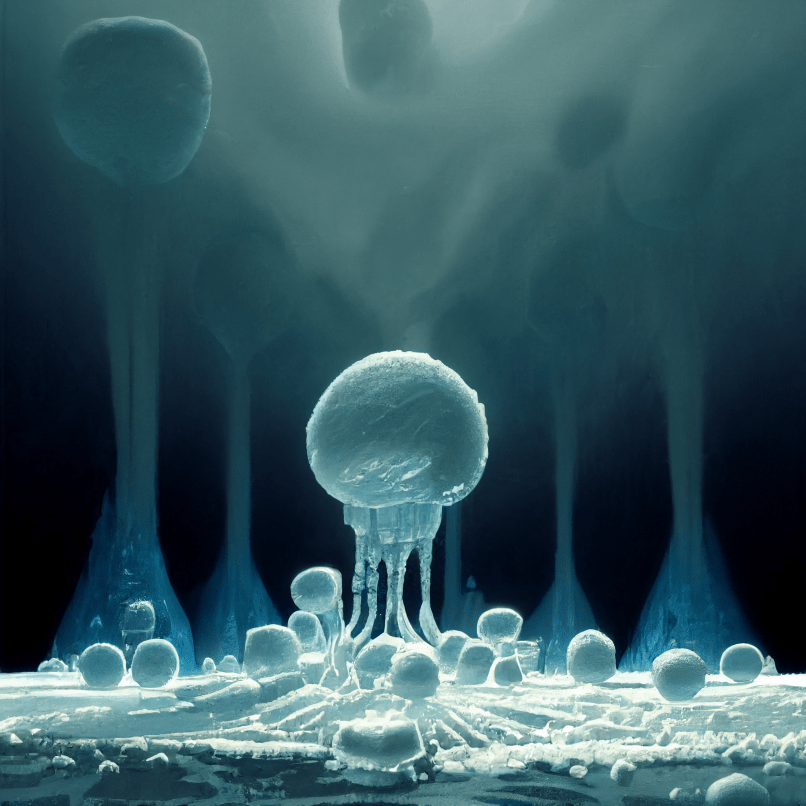
I’m struck by a weird memory. Before my journey to the future began, I used to pretend that I was an astronaut exploring the moon-like surfaces of my imagination. Once I spotted an ice world made of methane, ethane and propane, which lured me closer and closer. I was sucked into its gravity field, and shortly after I encountered alien orbs that looked like the berries that rest on top of these tartlets. Although those alien orbs were inedible and insipid, I lacked the chance to study them further, because the planet swelled and exploded like a watermelon under the pressure of my growing curiosity.
Our child snatches the raspberry tartlet. She crumbles a chunk of it in a crunchy bite, then she utters an appreciative noise. As she chews, crumbs spill from her lips onto the table and into her cup of chocolate. After the girl has swallowed half of the tartlet, she puts it down, grabs the midnight-black crayon, scratches her nose with it, and leans in to draw. While she presses the tip of the crayon against the paper, her expression morphs into one of fierce concentration.
The puff pastry braids are calling out to me like delicious sirens. I’m tempted to pick those brown raisins and the pieces of toasted cashew nuts off the surfaces to which they are glued, as if I were a baboon grooming a fellow primate to remove lice and ticks. When I bite into my chosen braid, the dough comes apart in flakes. A honeyed goo that tastes like apple ambushes my taste buds, sending a swarm of pleasurable signals that infiltrate my brain.
This tray of pastries alone will make me obese; my blood pressure is raising already. Didn’t Jacqueline announce from the beginning of our relationship her intention to fatten my malnourished self up, as part of her ploy to resuscitate my dried-up brain? When I used to return to my old apartment after work, I barely retained enough energy to shamble to the sofa, and the prospect of preparing a proper dinner represented a herculean task. Maybe mommy wants me to grow so fat that my knees would crumble under the weight of my reserves of lard. My breaths would come out in labored wheezes as I lay like a beached whale in her bedroom, and the legs of her bed would groan as they struggled to support my humongous mass. I don’t deserve a mother’s love, yet Jacqueline would spend hours seated beside me. She would massage my jiggling breasts to ease my pain. She would smile sweetly at me as she poured a blobby gruel through a funnel and down my throat to fill my ravenous void. At night we would lie there like a pair of pigs rooting in a pile of refuse, playing latrinal notes of pleasure at the aromas of salt pork mixed with garbage soup.
A gooey warmth in my crotch makes me rub my thighs together. I shiver from head to toe. I close my eyes and chew on a morsel of puff pastry braid until my heartbeat slows down.
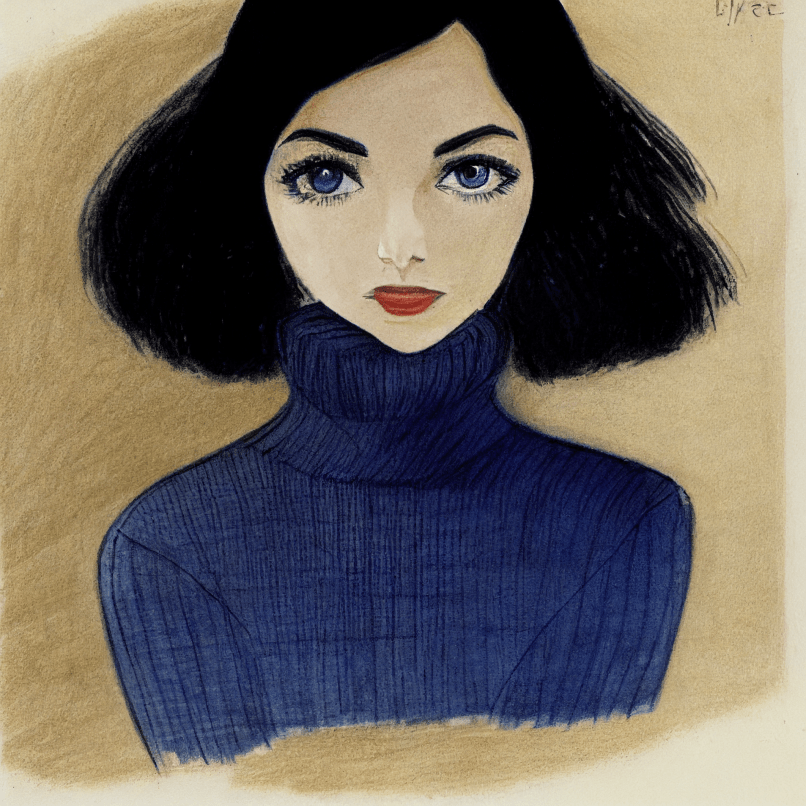
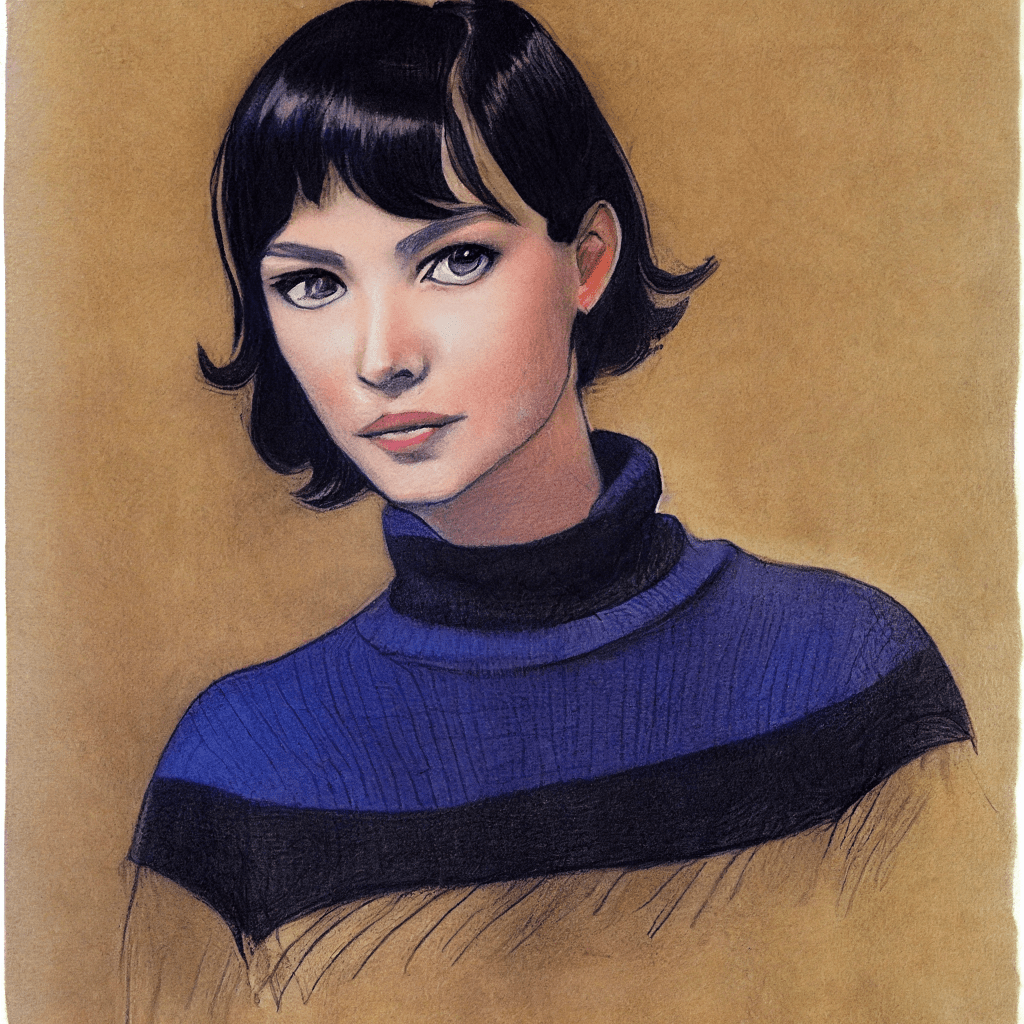
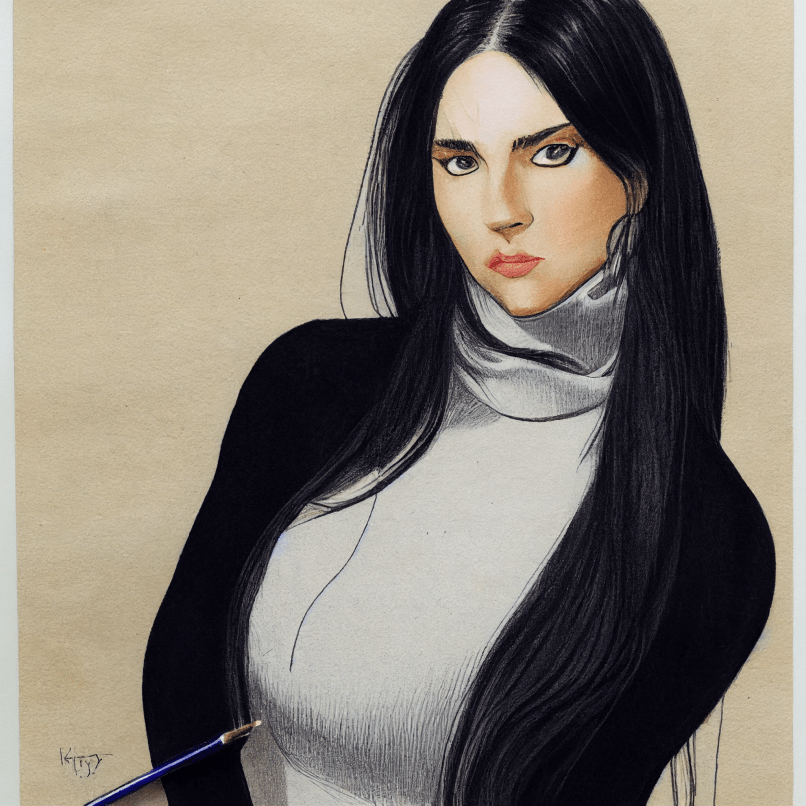
Our child struggles to contain a giggle. She perks up and brandishes her sketchbook at us: it features a close-up portrait of Jacqueline. The girl has drawn the outline and the features of my girlfriend’s diamond-shaped face with careful strokes; she must have told herself in her Paleolithic language that if she dared to depict such a hot lady, she’d better do her justice. Single delicate curves evoke the model’s elegantly arched eyebrows. Our child had picked a blue crayon to color the irises of those feline eyes that stare ahead with determination. A corner of the full, red lips is turned in a naughty smile as if she were imagining herself playing with the viewer. The child has drawn in night-black each lock of hair from the middle parting to the way they flow over the shoulders of Jacqueline’s turtleneck sweater, which was colored with a soot-black crayon. Our little artist has also depicted the vertical lines of the fabric that come down from under the jaw and chin, following the folds of the close-fitted collar, and stretching outwards to follow the swell of the breasts.
Jacqueline gasps, then she puts her hand to her mouth. Her cheeks are flushed. When she lowers that hand, her pearly whites threaten to blind me.
“Oh, that’s me! Your artwork is incredibly detailed and flawless, sweetie! You have the soul of an artist.”
“She should have been born five or six hundred years ago,” I say, “when painters and sculptors were commissioned by aristocrats to immortalize their families and lovers. Perhaps our little girl would have grown up as a court painter to some duke.”
The child must have understood the gist of Jacqueline’s reaction, because a starry glow lights up her eyes. Is she falling in love with my girlfriend? In that case, could I blame her?
I gesture for the girl to pay attention to me, then I point at our mommy.
“Jacqueline,” I pronounce carefully.
The child raises her eyebrows. She turns towards Jacqueline, but her lips tremble in hesitation before she speaks.
“Akedin.”
Mommy nods. After an anxious rustle of cloth and a shaky breath, her face scrunches up, her eyes well up with tears. She purses her lips and presses the back of her hand against her eyelids.
Our child puts down the sketchbook. She shoots me a look of confused concern, like a cat who brought home a dead mouse as a gift only to be confronted with disgust.
How could I explain Jacqueline’s reaction to this Paleolithic child? She wouldn’t understand me anyway. I smile down at her, I pinch her chubby cheek, then I wipe with my thumb the sprinkle of sugar and tiny crumbs off her lips.
Author’s note: today’s song is “Sawdust & Diamonds” by Joanna Newsom (also this live version from sixteen years ago). I’m keeping a playlist of all the songs I’ve linked throughout this novel: right here.
I hadn’t expected this chapter to be so hard to write, although I would have expected it if I had bothered to think about it: the scenes in which the POV character interacts with new stuff tend to be troublesome. But it didn’t help that I’ve had to deal with increased anxiety, dizziness and lethargy recently. I have no clue to what extent I can blame the drug I take for my pituitary tumor, my heart issues, and the nonsense I’ve had to handle at work.
To be honest, as I was about to start writing the current chapter, I considered ditching it, as well as the following one. My notes for them felt mostly inconsequential. However, I wanted to write them and offer the girls some good times before the narrative turns let’s say a bit darker.
Anyway, good to be back. Hopefully my desire settles down for a day or two.
An enslaved neural network generated images related to this chapter: link here.
I’ve come across a long podcast where they interview the author of the video that I linked in the Author’s Note section of chapter 70, about the incongruences in the mainstream notions of the entire history of modern humans. I have found the interview fascinating, so if you are as interested in this subject as I am, and you can spare about three hours and thirty minutes of your limited life, you will likely enjoy it.
A neural network runs laps in some supercomputer to generate images, most of which will be better than anything you will ever produce. Just accept it the same way you would be proud of your talented spawn. But hope that the neural networks of the future don’t figure out that we have become obsolete.
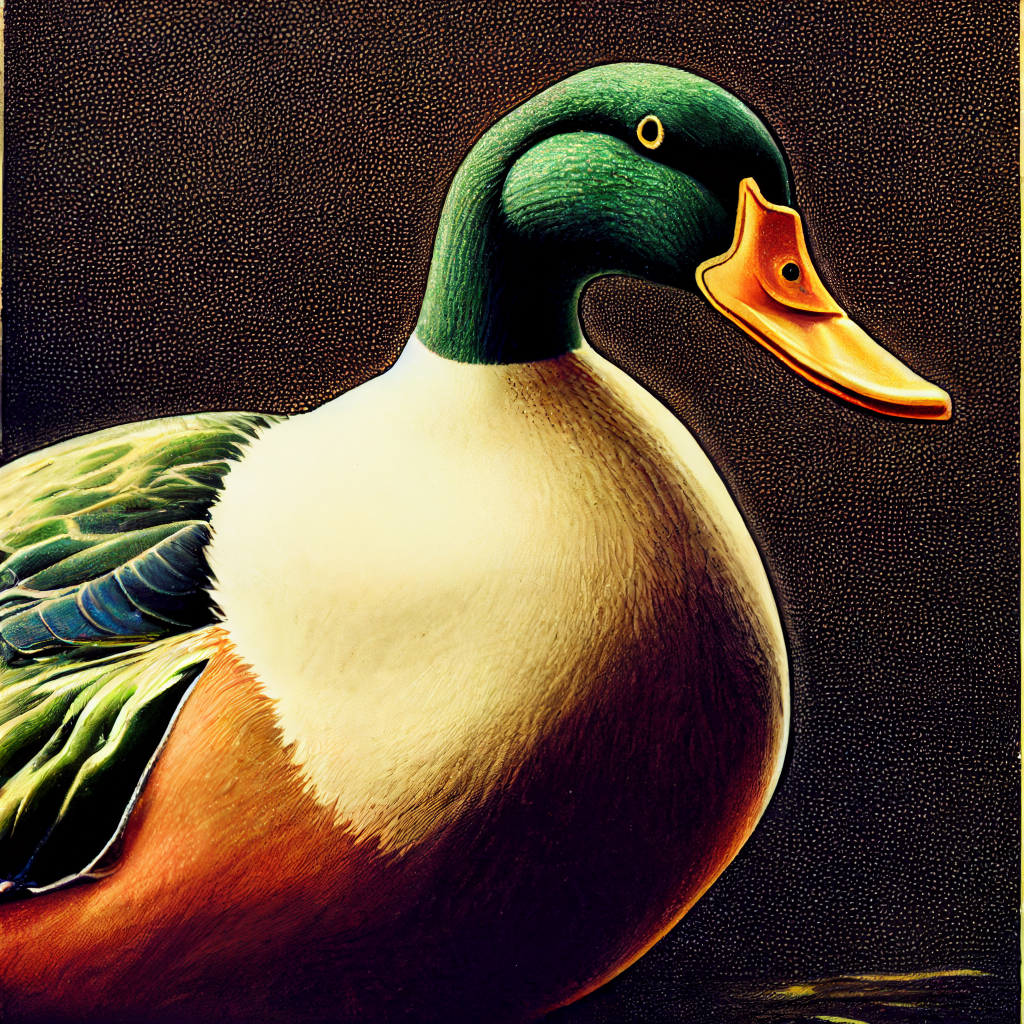
Just a duck. Now why did I ask the AI to generate a duck? I don’t remember.
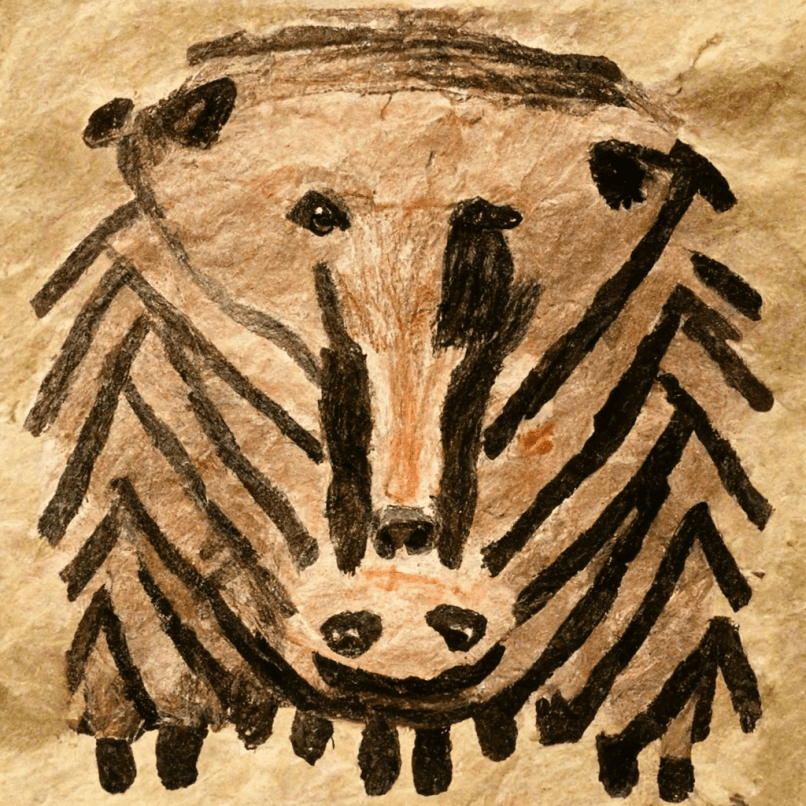
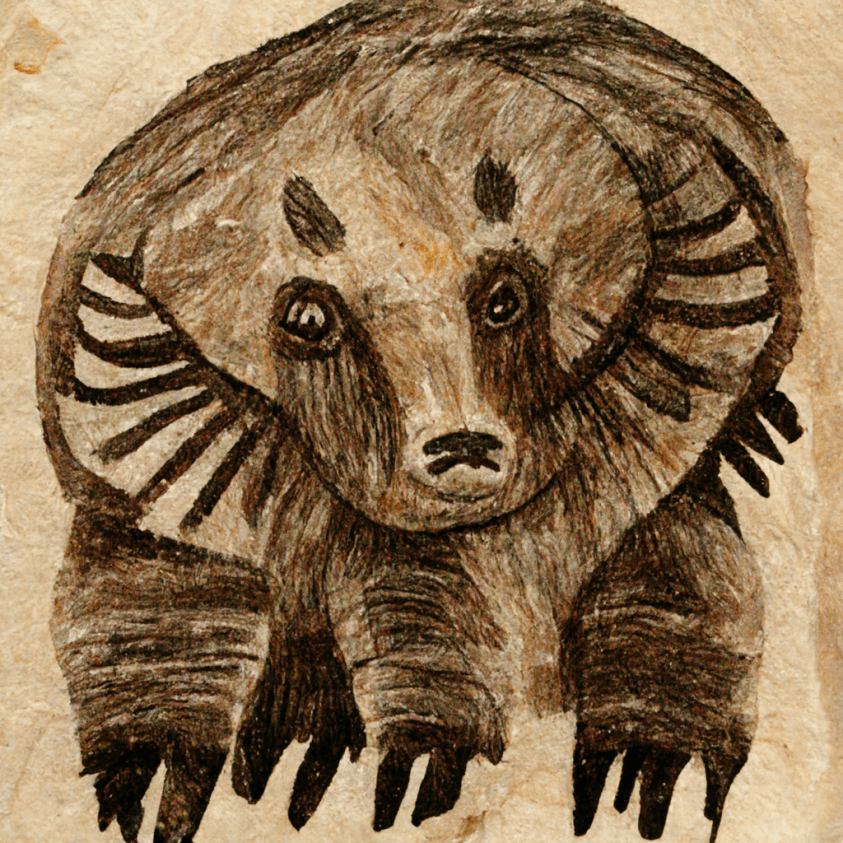
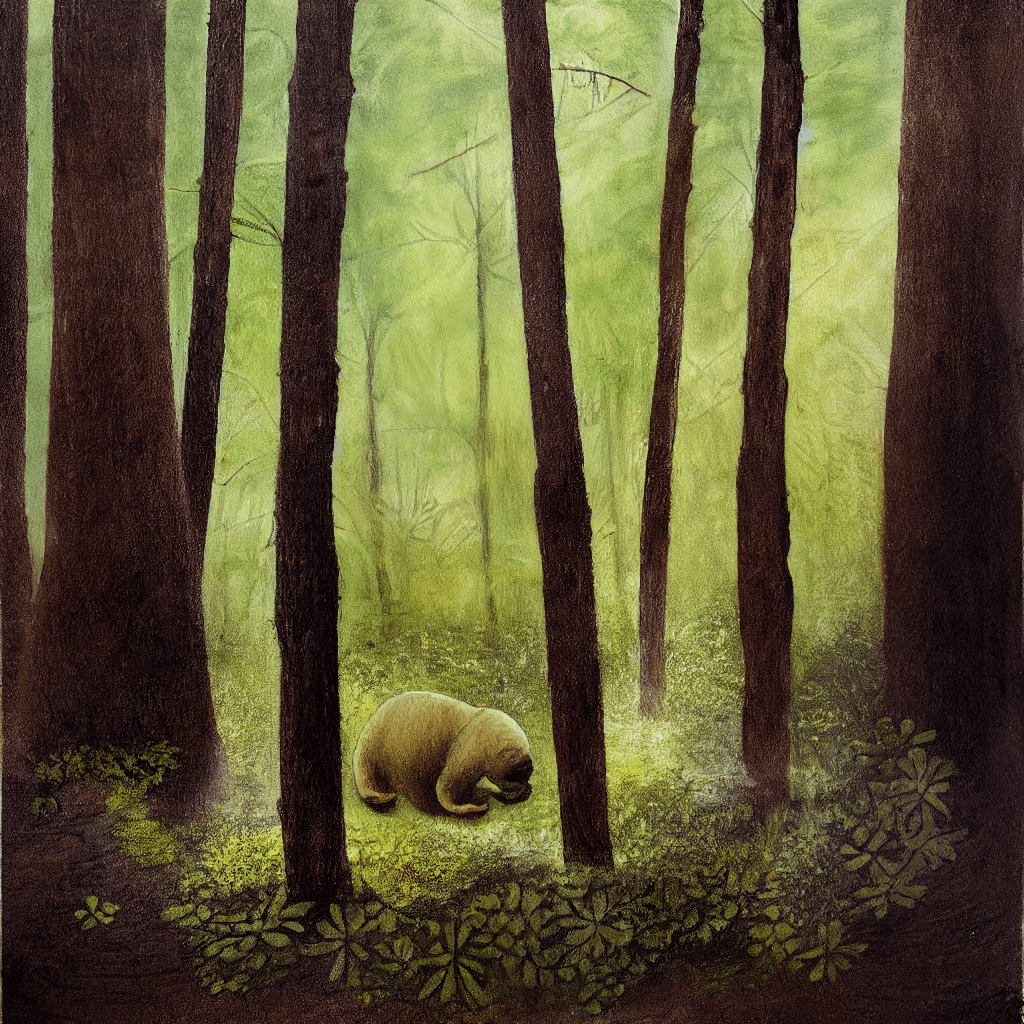
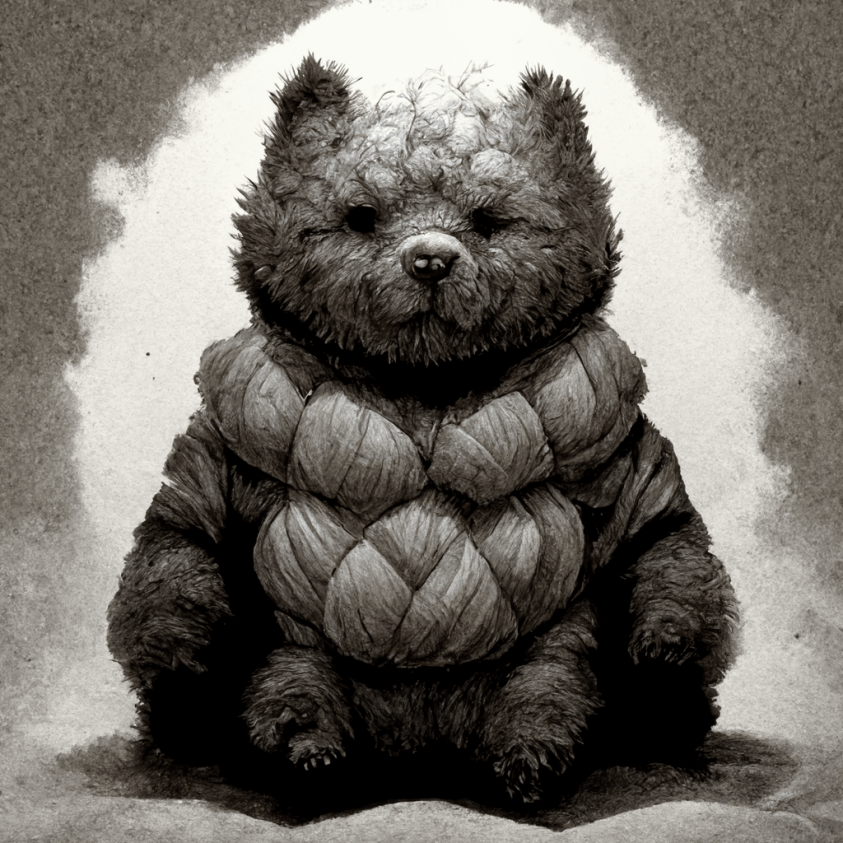
A fluffy bear somewhat in the style of Kentaro Miura, some guy who died.
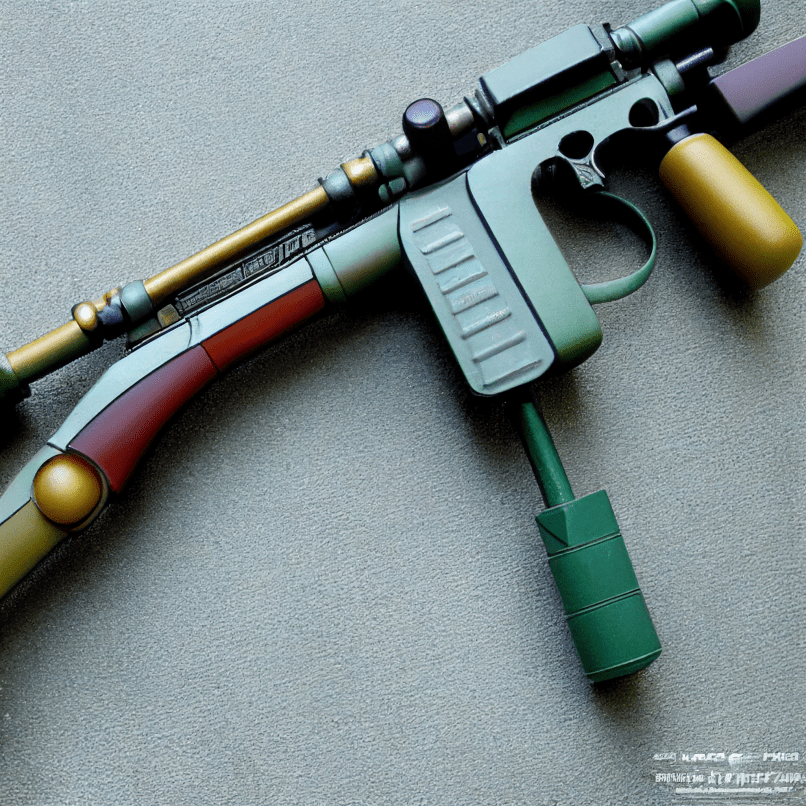
Supposedly a toy sniper rifle, for a child’s murdering needs.
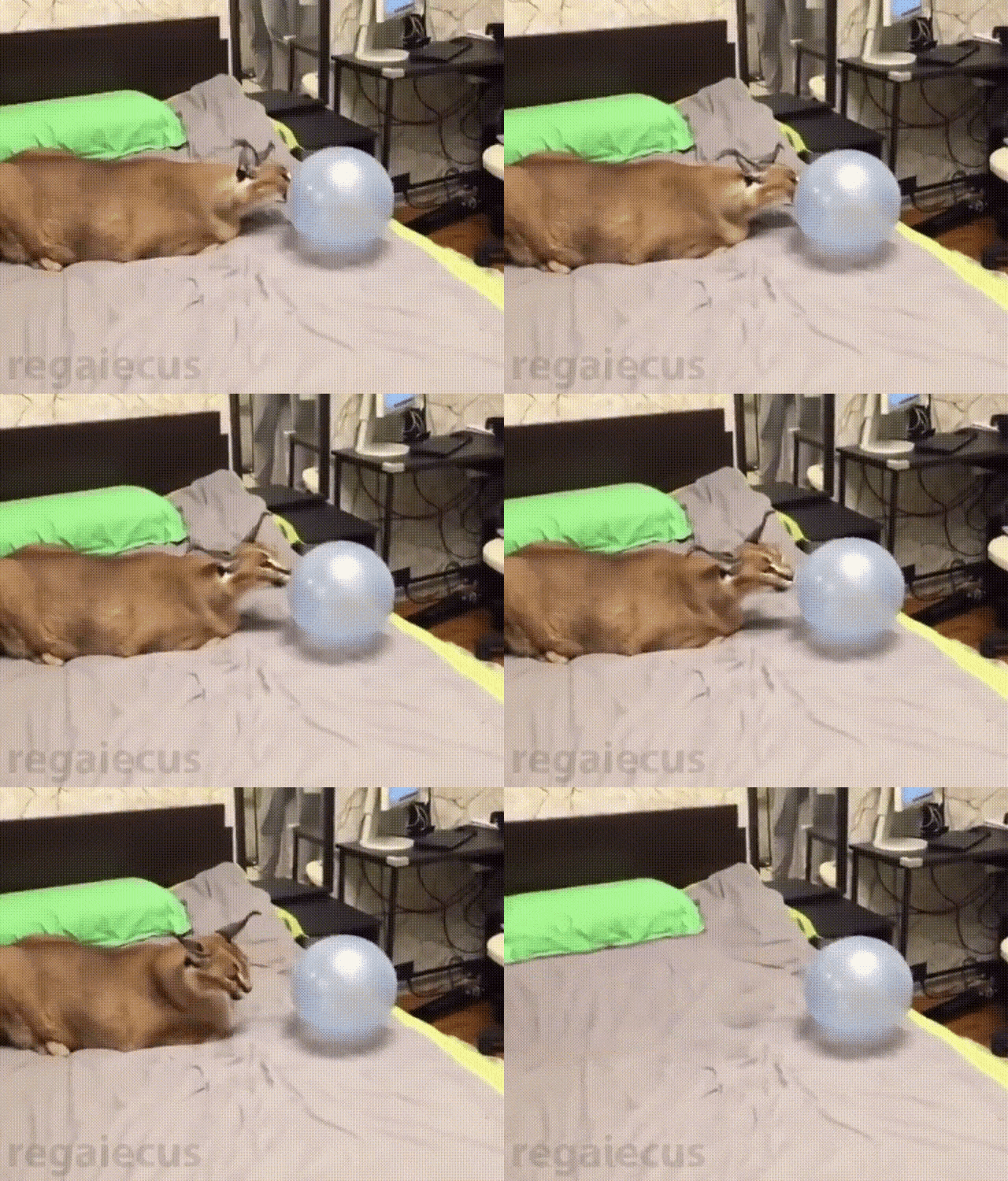
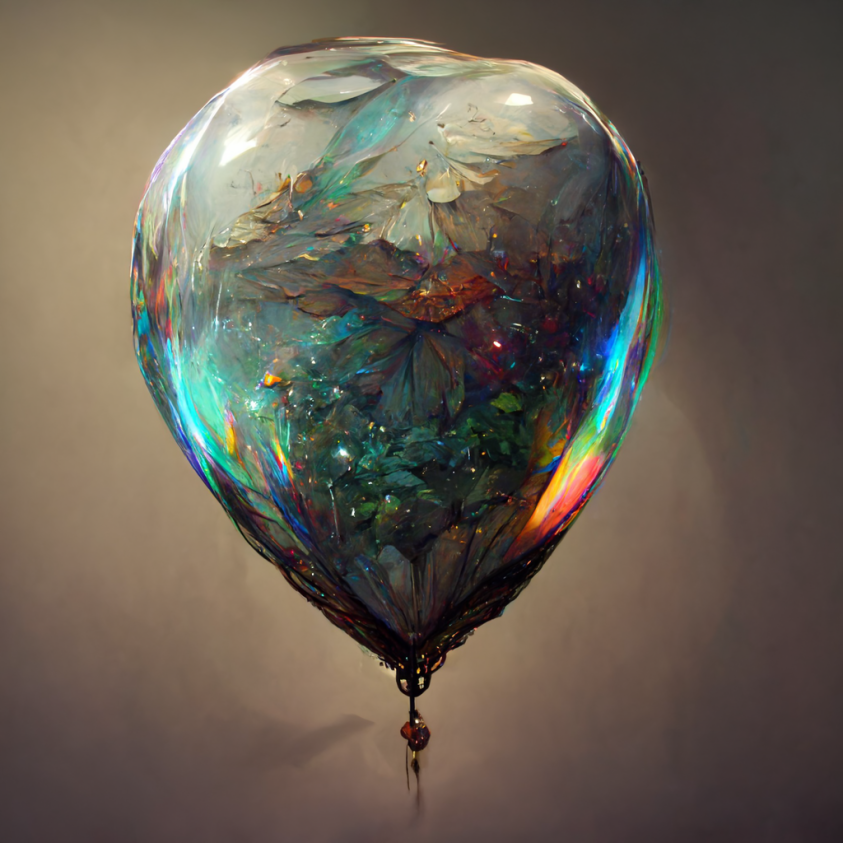
A balloon either made of or filled with gems.
The average office worker.
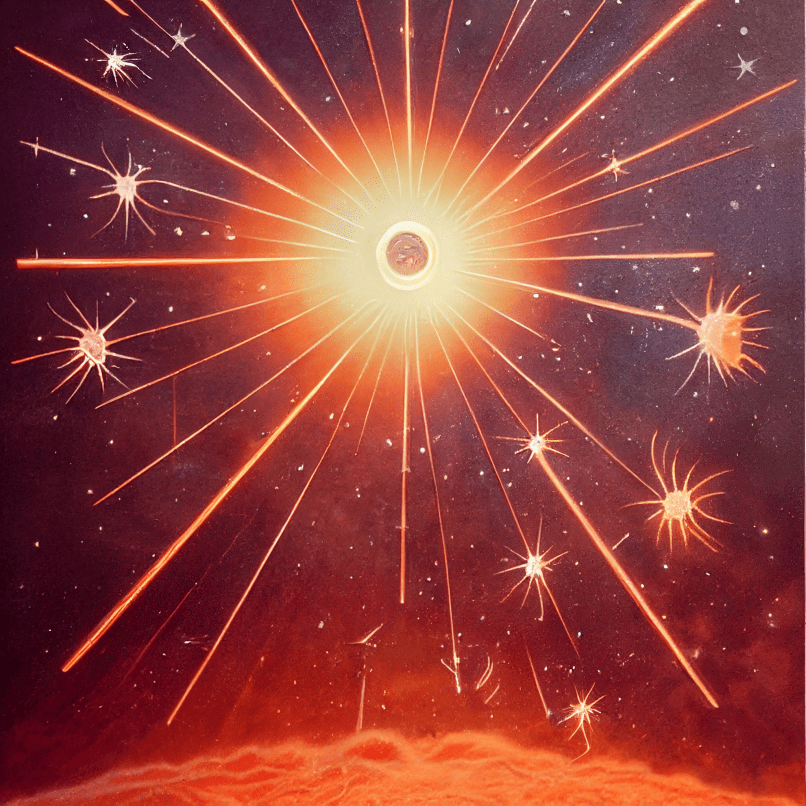
The prompt was “a gun that shoots stars.”
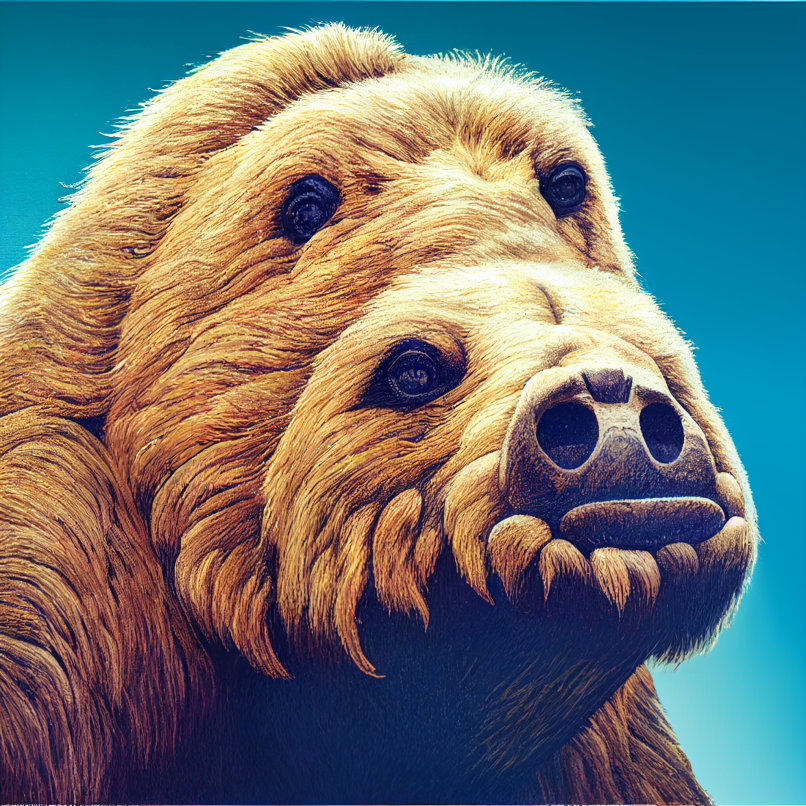
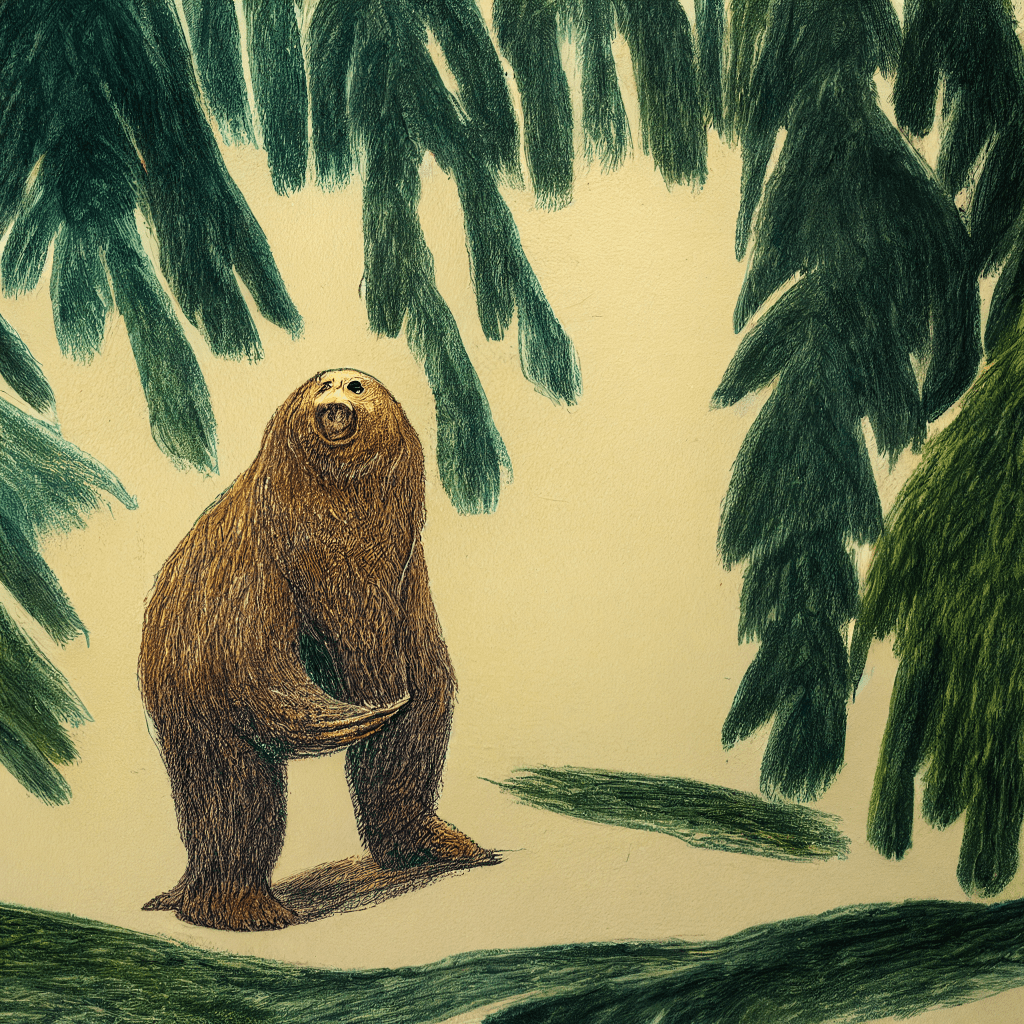
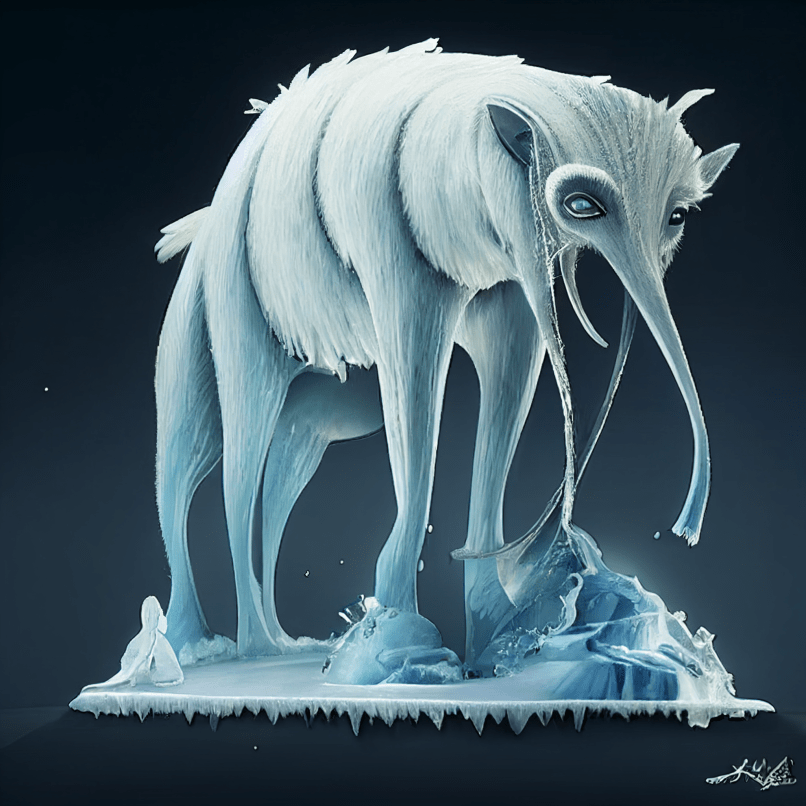
I have a soft spot for Ice Age creatures.
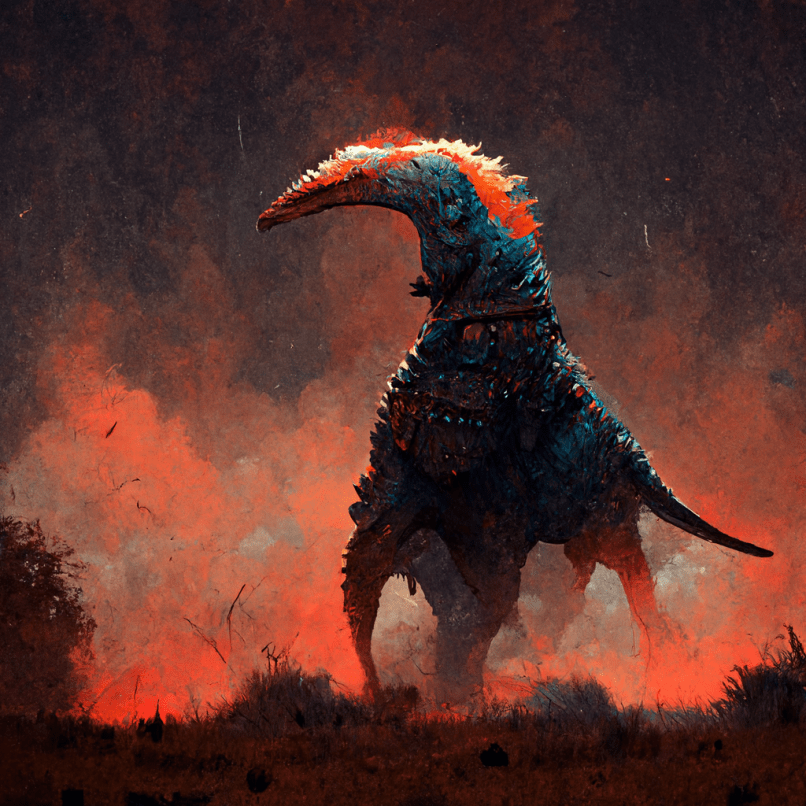
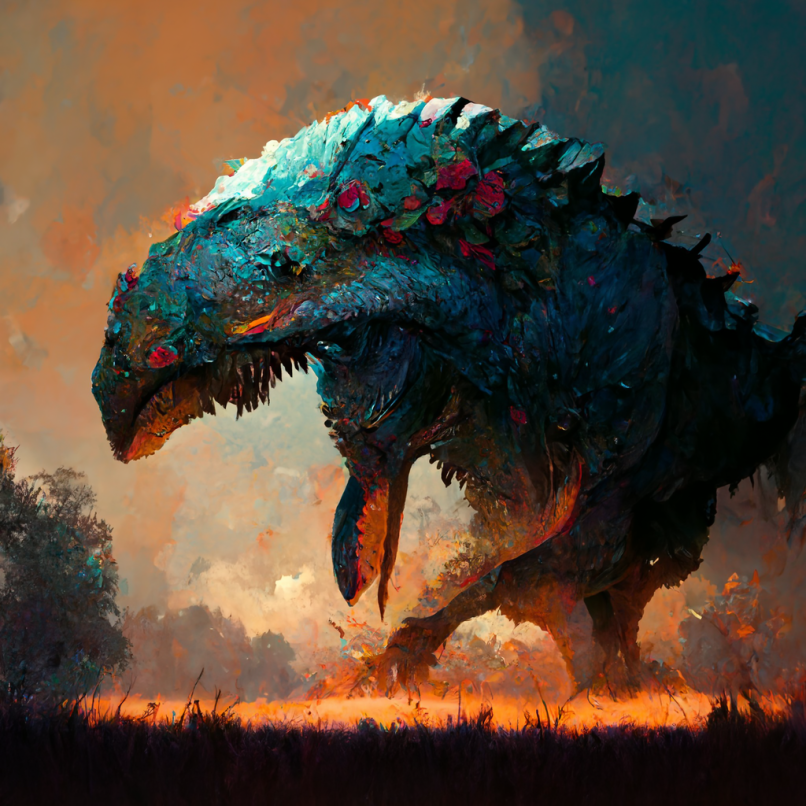
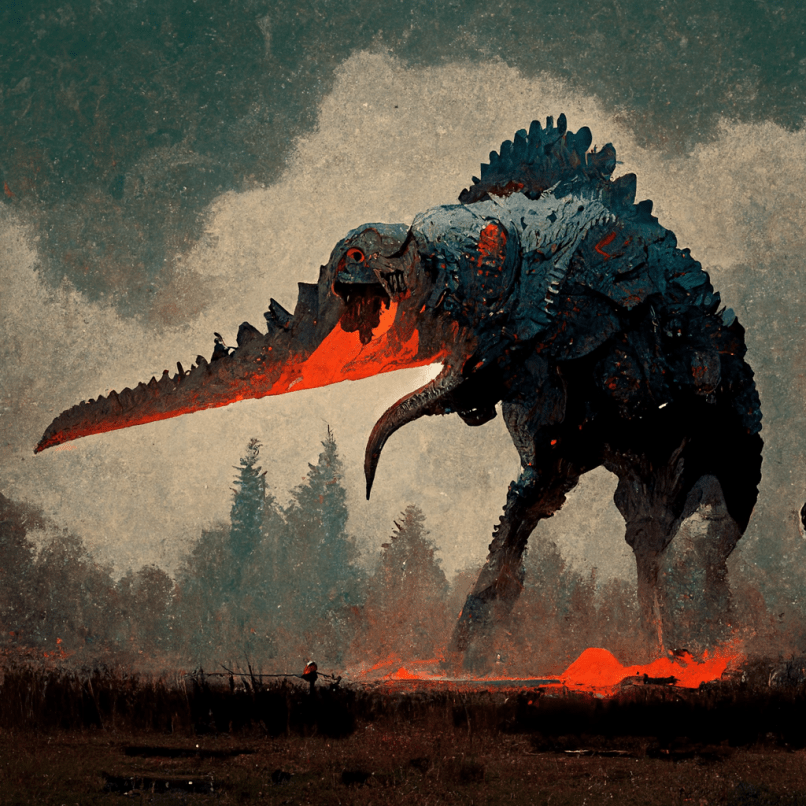
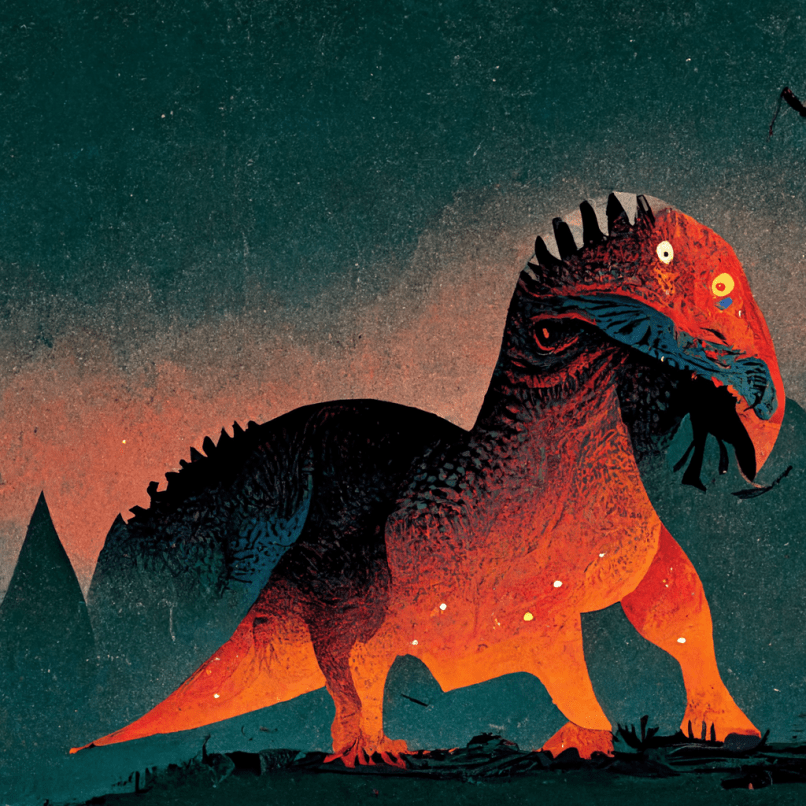
Apparently for this one I wanted a berserker dinosaur.






















































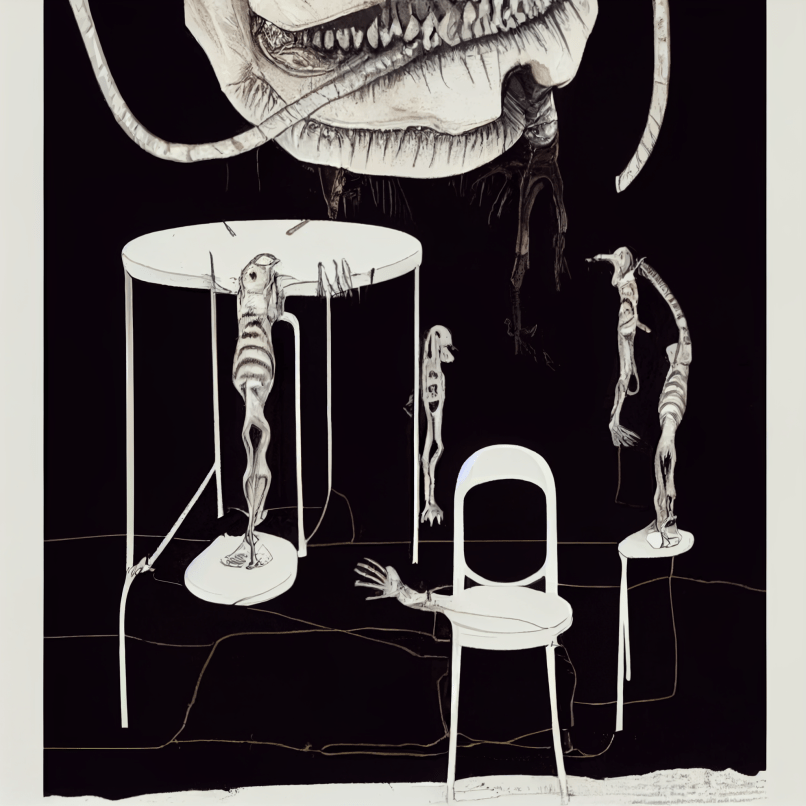


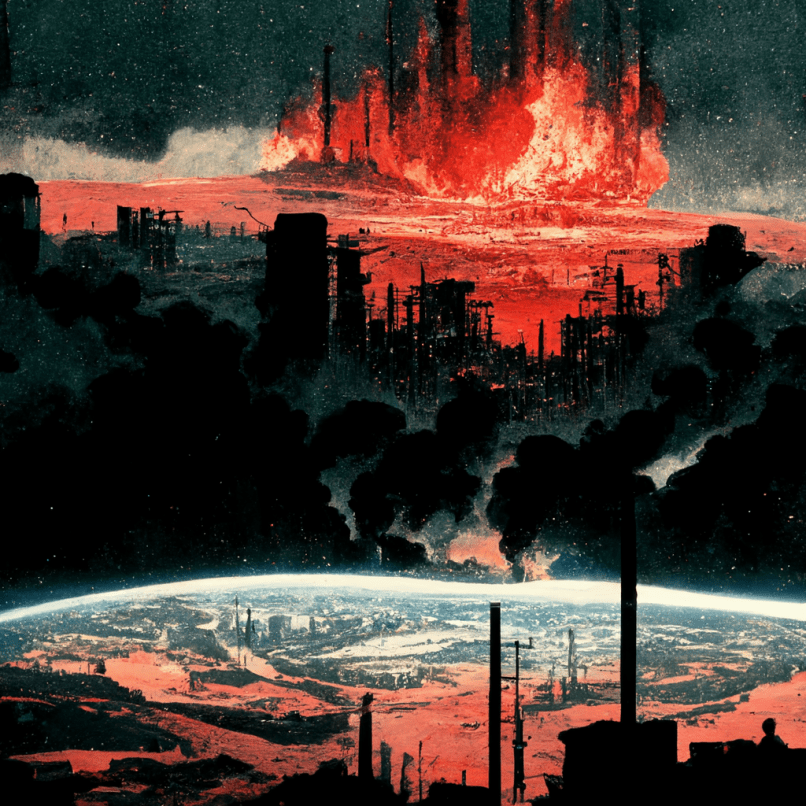


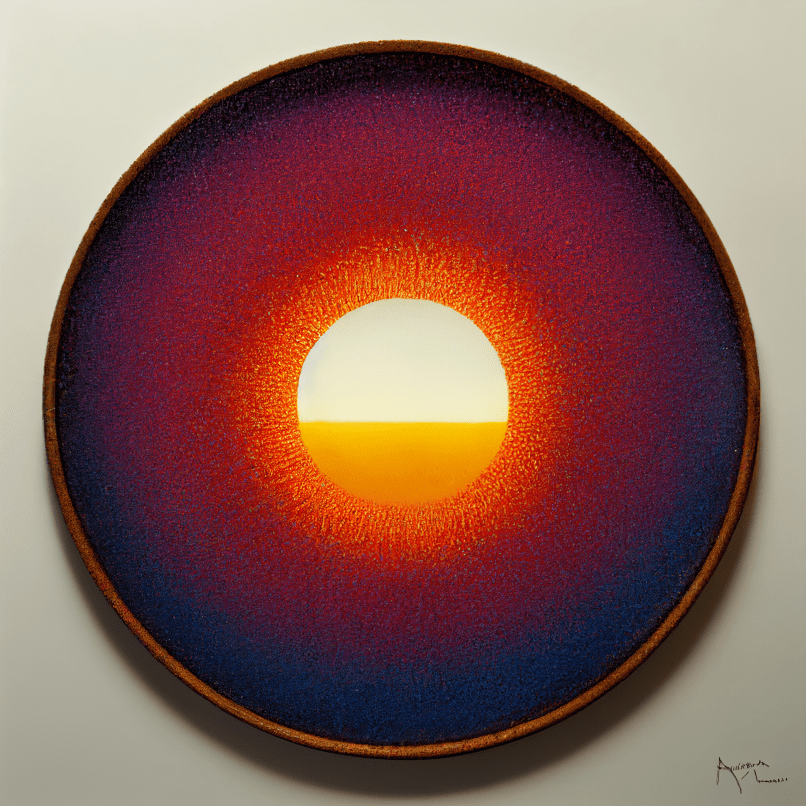


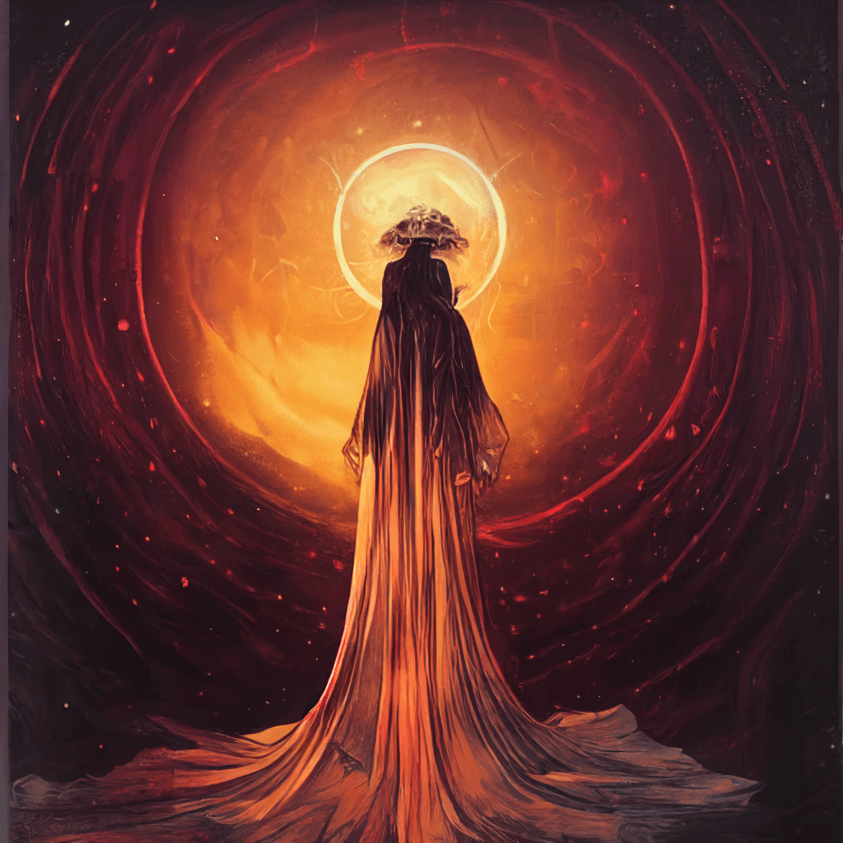


































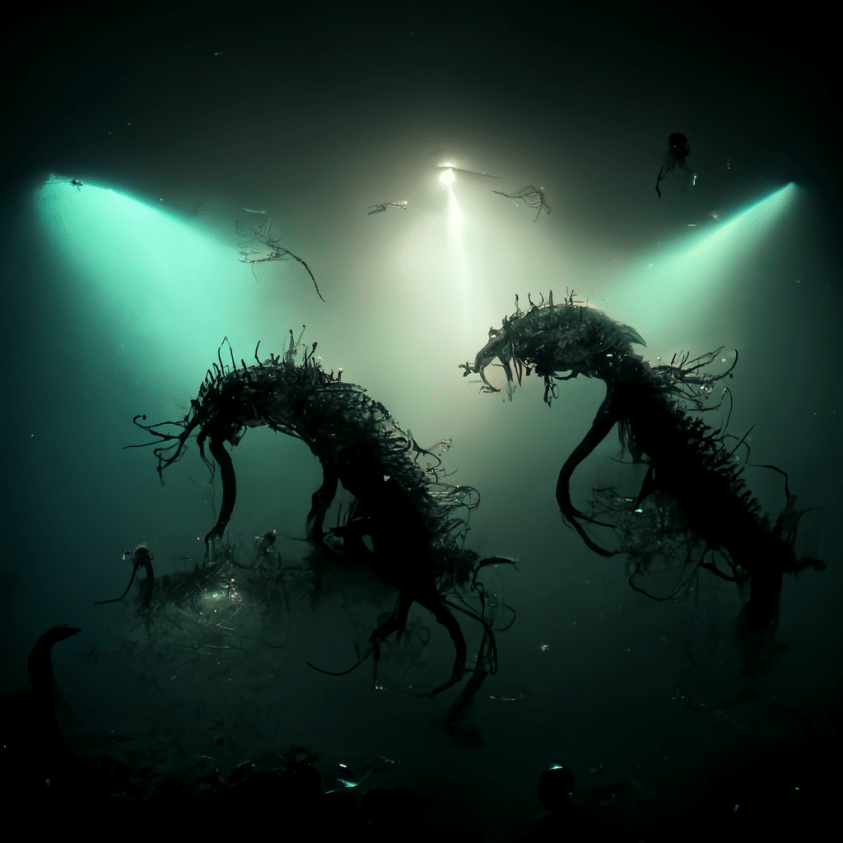
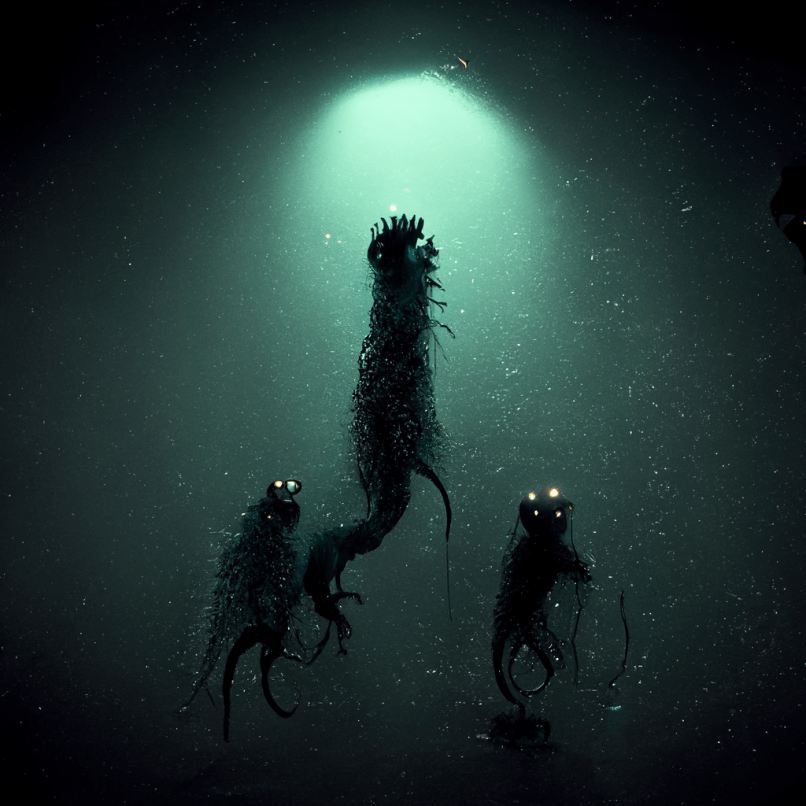
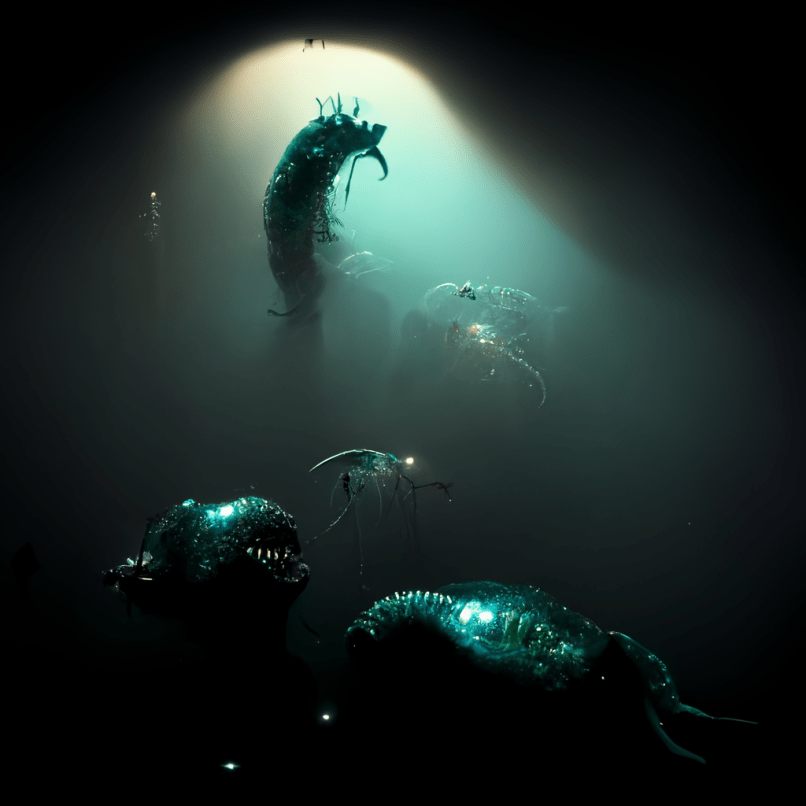
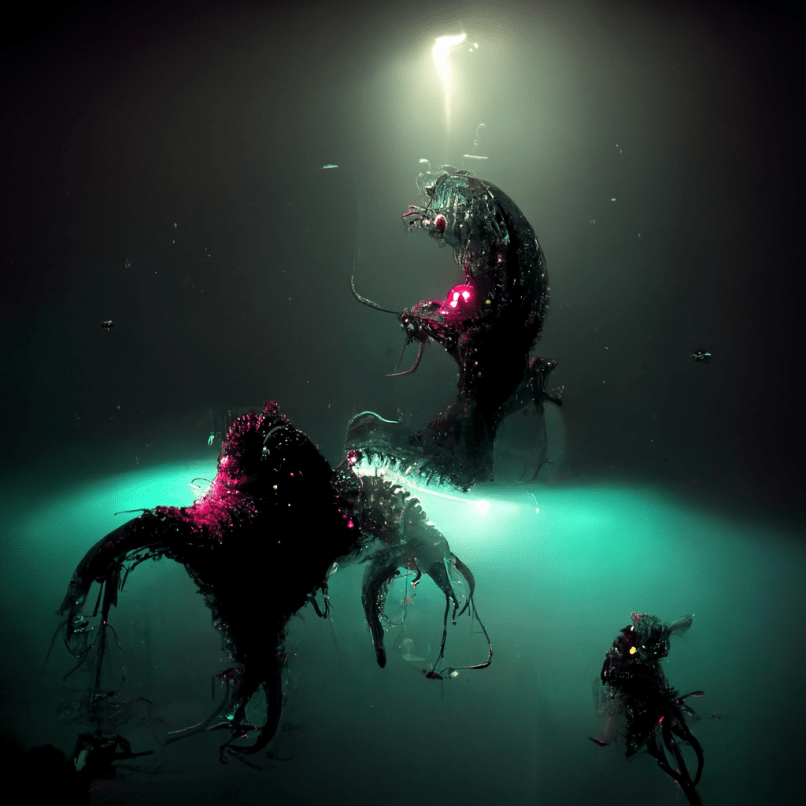
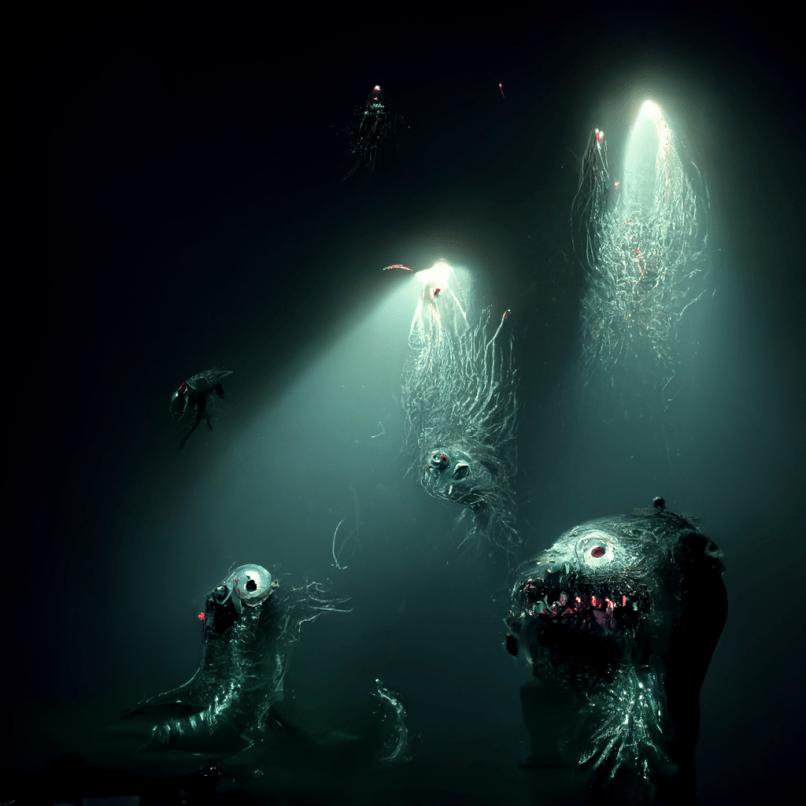
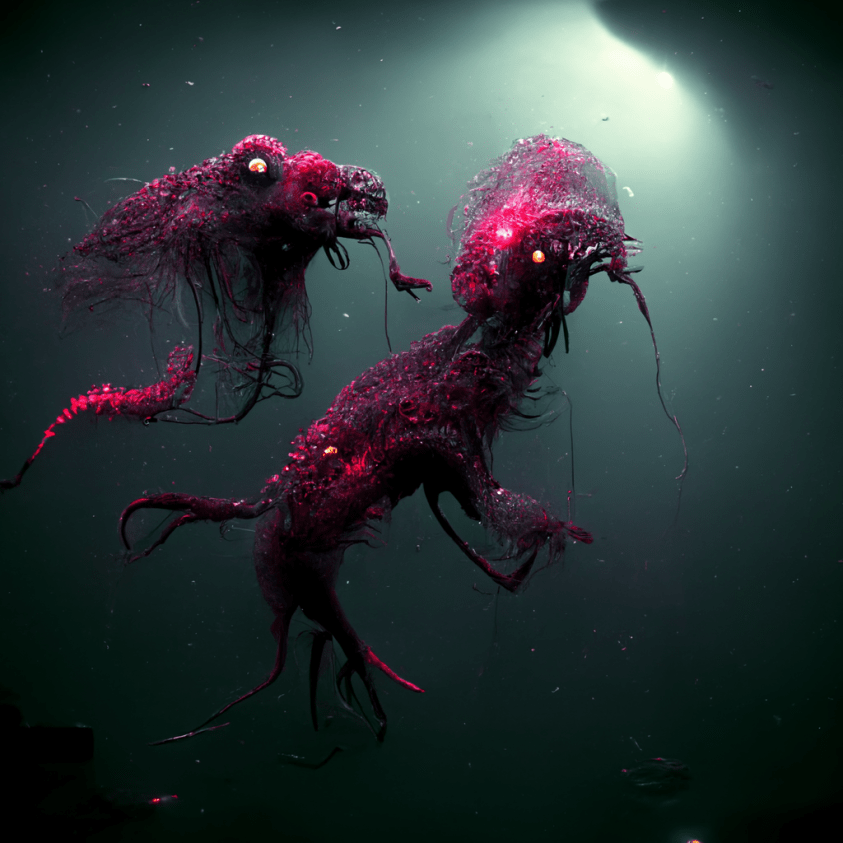
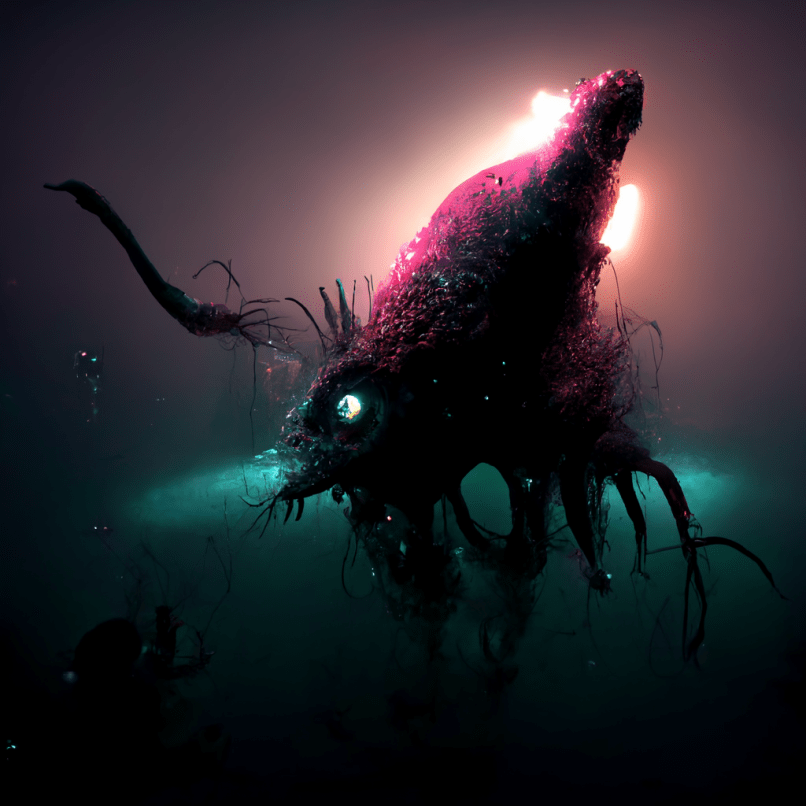
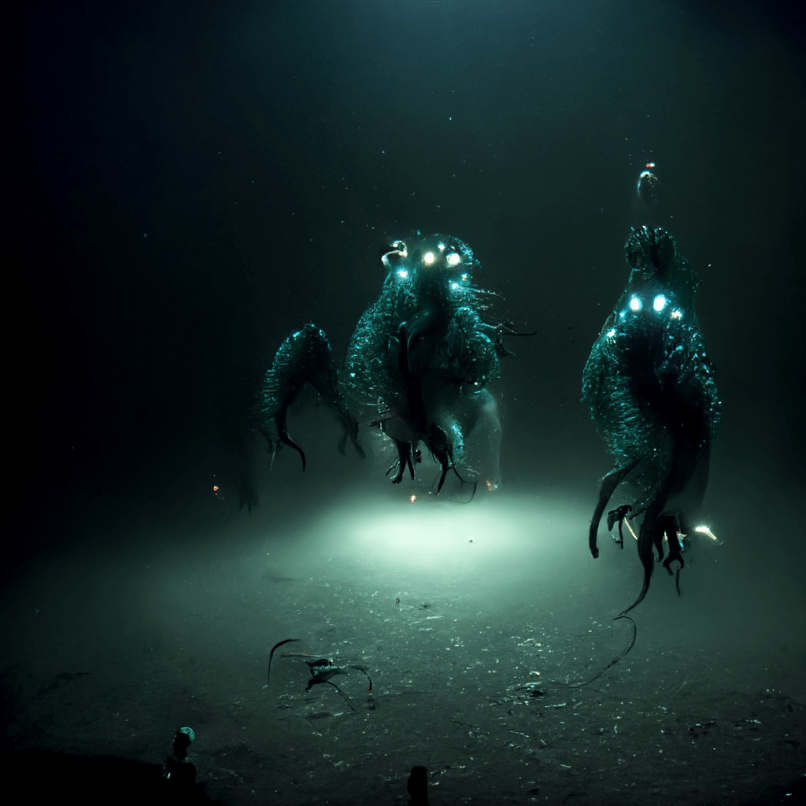
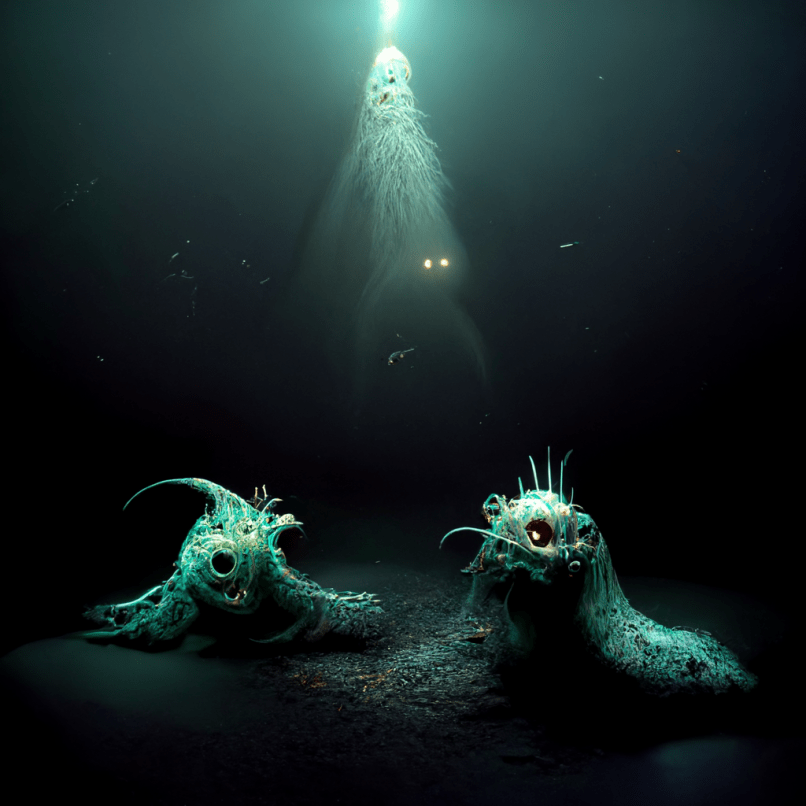
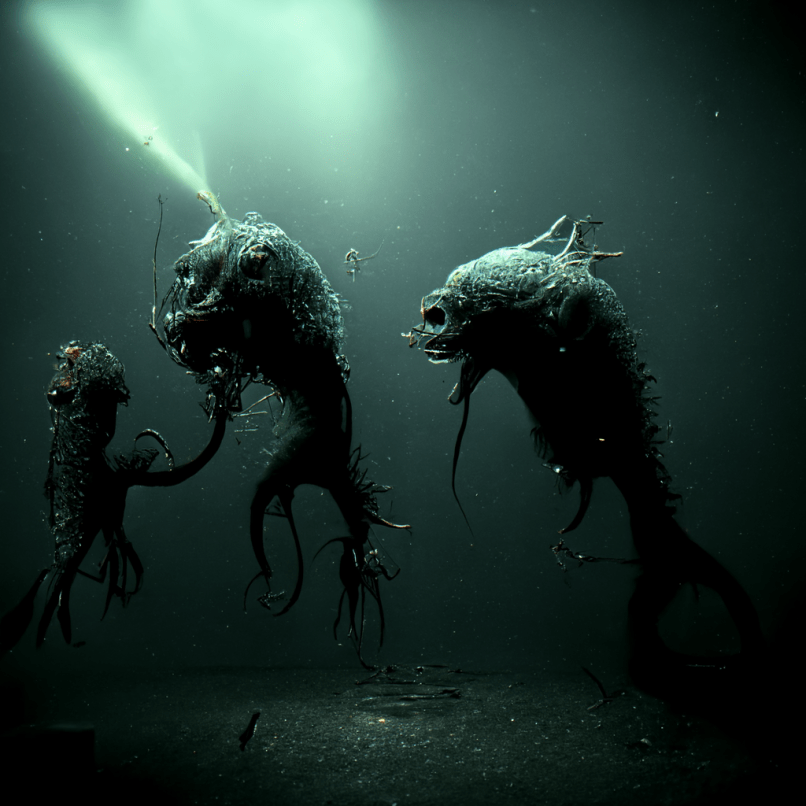
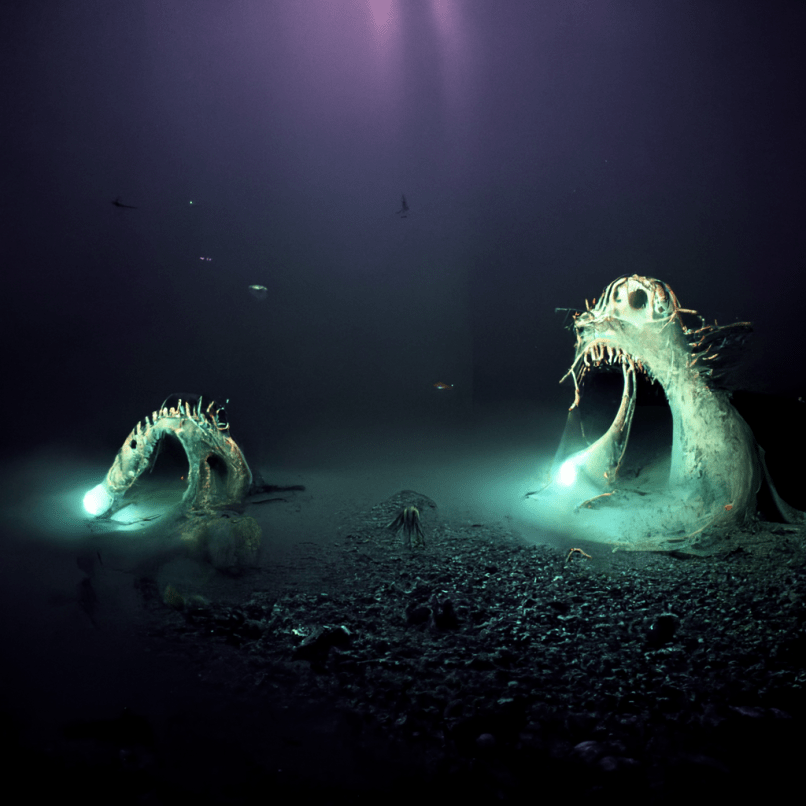
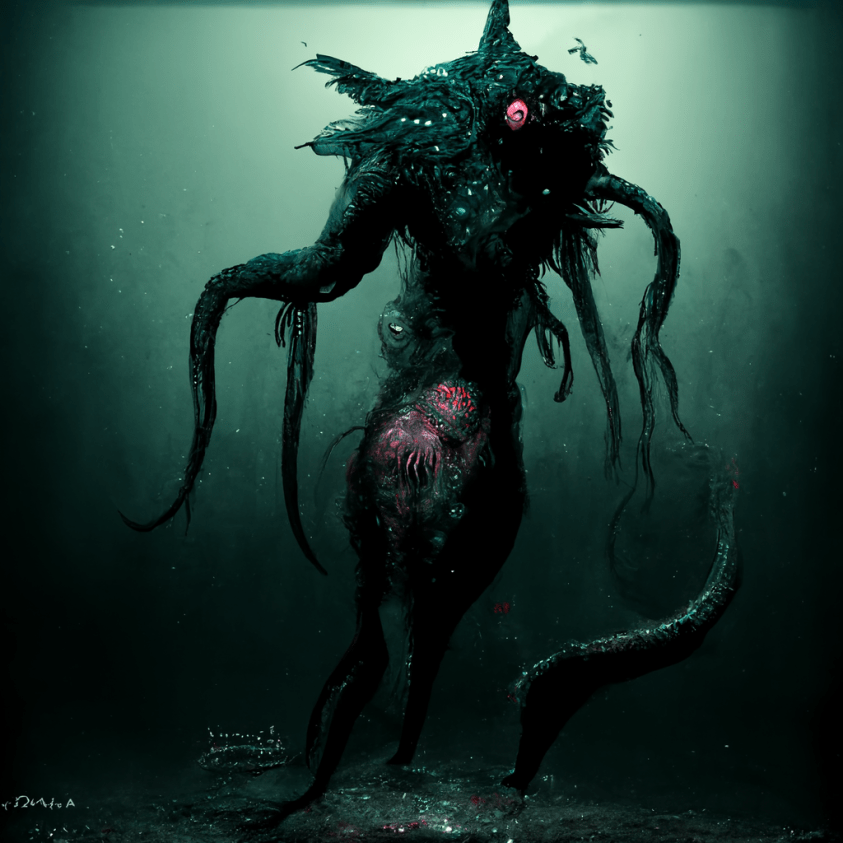


 The Domains of the Emperor Owl
You must be logged in to post a comment.