A very uneven novel. My rating ranges from three to four-and-a-half stars.
The heart beneath the breastbone pumping. The blood on its appointed rounds. Life in small places, narrow crannies. In the leaves, the toad’s pulse. The delicate cellular warfare in a waterdrop. A dextrocardiac, said the smiling doctor. Your heart’s in the right place. Weathershrunk and loveless. The skin drawn and split like an overripe fruit.
In a previous post I stated that this novel, released in 1979, took McCarthy about ten years to write. That was, however, wrong, and in fact he had been writing in since the fifties, when he lived some of the events of the story. As independent scholar Write Conscious, who has gone over McCarthy’s archives, put it, McCarthy wrote very little in the last few decades of his life. Even his latest two novels, The Passenger and Stella Maris, which I loved and still haunt me, not only were set in the seventies and eighties, but were written to a significant extent back then (or at least almost fully researched). It turned out that McCarthy put lots of his own life in his novels. In the case of his last two and quite a few others, they’re heavily inspired by the love of his life Augusta Britt, much younger than him, ending up in a mental institution due to her extensive trauma (abandoned by her family, abused in foster homes… Presumably the whole getting-whisked-away-to-Mexico-by-Cormac also added to it).
In the case of Suttree, this novel I’m reviewing, it’s based around Cormac hanging out in the unfortunately named McAnally Flats in Knoxville, as the area existed back in the fifties and no longer does so. Many of the characters of this novel were real. One of them, named J-Bone, was a great friend of McCarthy’s, and the guy’s real home address as well as phone number from back then are depicted on the text. That means that we’re often treated to strange characters whom we’re barely introduced to at all. I’m not necessarily opposed to this; I believe that writing fiction is about making your own meaning and not necessarily satisfying anyone else. But that means that in a story already quite the mess, this panoply of weirdos only makes it harder to grasp.
McCarthy was apparently a drunkard back in the day. Also at the end of his life. I can’t stand drunks. He and his friends also got in serious trouble. I can’t stand criminals. So at times I had a hard time caring about what was happening in the story. Suttree tended to side with people who clearly should have been in jail or dead, and when some of them died, I thought to myself that it was about time. Still, some of those stories were wild enough to be interesting: going into pubs and stealing people’s money from their handbags and jackets (at the Indian Rock, for example, mentioned in Stella Maris by Alicia Western; her beloved brother used to bring her there on dates), plain-old robberies, brawls, general mayhem… It was hard for me to connect with that part of the story, which is about half of it: Suttree wandering from weirdo to weirdo doing stuff I couldn’t relate to.
The most memorable male character is an innocently evil melon rapist named Gene Harrogate. We are introduced to him violating a farmer’s produce, and he ends up in jail, where he meets the protagonist. He’s a small country bumpkin with seriously nasty instincts, whom Suttree really shouldn’t have been involved with. I have a hard time believing he existed in real life, as he was the larger-than-life type. There’s a whole segment with him digging tunnels under Knoxville and blowing up shit to the extent that it caused sinkholes, and led to him nearly drowning in shit. He also almost extinguished the local population of bats. Though entertaining, ultimately he was quite pointless to the story, as I didn’t believe that Suttree would hang out with such a fiend. That said, the story is generally a mess, so not much of what happens could be say to fit properly.
Three major sequences bumped up the novel’s quality for me: the first involves Suttree’s estranged wife and son, the second a nymphet unfortunately named Wanda, and the third a prostitute named Joyce. In real life, Suttree was indeed married and had a son. As far as I know, McCarthy was an utter bastard to that wife of his: he demanded her to work to pay the bills so he could dedicate himself to his writing, and when things got even worse money-wise, he demanded of her to pick up a second job. Understandably so, McCarthy’s family-in-law wanted him dead. He ended up escaping his home life, claiming that they stifled his creativity, which they likely did, and roamed around the south of the US, eventually ending up in a motel pool in Tucson, AZ, where he met an armed thirteen-year-old blonde and blue-eyed popsy with whom he fell head-over-heels. So that’s the whole deal with a estranged wife and son present in Suttree covered.
Wanda is the daughter of a down-on-his-luck pedlar with whose family Suttree spends some time in the best sequence of the book. This girl is described as having tits as well as fuzz down there, but Suttree repeatedly refers to her as a child. So she’s probably twelve-to-fourteen years old. The intimate scenes between Suttree and this girl are some of the most haunting passages of the book. This, of course, relates to McCarthy having met around that time the love of his life, Augusta Britt, whom the aforementioned scholar Write Conscious mentioned was very likely thirteen when McCarthy started sending amorous letters to her, and fourteen when they fled together to Mexico and started banging like there was no tomorrow, which McCarthy likely believed was the case, as the FBI was investigating Britt’s disappearance from the foster system. Regarding Wanda, the whole thing ends in a very McCarthy-ish way, with nature saying, “Fuck no, I ain’t lettin’ this shit go on.” I feel that the ending of that sequence will haunt me for the rest of my days. Chance and the universe’s indifference in general determining so much in life is a common theme in McCarthy’s work (the ending of No Country for Old Men comes to mind, and I mean the sequence with the protagonist and a fifteen-year-old runaway also based on Augusta Britt, which was sadly wasted in the movie).
However, the Wanda segment, my favorite part of this story, ended up becoming the biggest hole in it for me: I don’t believe for a second that Suttree would have been able to move on nonchalantly the way he did, with no fucking mention of the whole thing afterwards and no sign that it affected him. To me it reeked of McCarthy having written that part after meeting Augusta Britt, and then shoehorning it into the novel. Apparently, according to Write Conscious, in the letters with his editor, McCarthy’s “boss” demanded explanations for why he was so insistent on including the Wanda (and Joyce) parts in the story, but McCarthy refused to take them out.
The last of the three most memorable sequences for me involved a prostitute named Joyce, who bankrolled Suttree until her whorish life caught up with her psyche. Honestly the whole thing felt somewhat random yet true, which makes me suspect that McCarthy also got involved in such shenanigans.
What ultimately elevated the novel for me was McCarthy’s godlike writing. This story contains some of the best prose I have ever read. The first six percent or so of the text is so relentlessly high-quality in terms of careful observations that it boggles my mind to imagine what it took McCarthy to get through writing it. After that, the quality decreases as if McCarthy would have preferred to shoot himself than to keep holding himself to that standard. But most of the prose remains absurdly fantastic throughout, to the extent that it makes the vast majority of published authors look like children playing at pushing words together. One writer that McCarthy was helping do line editing in the seventies said that McCarthy’s edits made the guy want to quit writing. In my case, it makes me realize there are goals far in the distance that I can push myself towards.
This isn’t a novel I could recommend to anyone, to be honest. You have to fall into it, likely because you love McCarthy’s work. I’m glad I read it, but I suspect I should have gotten through his simpler remaining novels first (like the Border Trilogy, Outer Dark, etc.)
The following are quotes from the book that I highlighted.
He closed the cover on this picturebook of the afflicted. A soft yellow dust bloomed. Put away these frozenjawed primates and their annals of ways beset and ultimate dark. What deity in the realms of dementia, what rabid god decocted out of the smoking lobes of hydrophobia could have devised a keeping place for souls so poor as is this flesh. This mawky wormbent tabernacle.
How surely are the dead beyond death. Death is what the living carry with them. A state of dread, like some uncanny foretaste of a bitter memory. But the dead do not remember and nothingness is not a curse. Far from it.
You see a man, he scratchin to make it. Think once he got it made everthing be all right. But you dont never have it made. Dont care who you are. Look up one mornin and you a old man. You aint got nothin to say to your brother. Dont know no more’n when you started.
On a wild night he went through the dark of the apple orchards downriver while a storm swept in and lightning marked him out with his empty sack. The trees reared like horses all about him in the wind and the fruit fell hard to the ground like the disordered clop of hooves. Suttree stood among the screaming leaves and called the lightning down. It cracked and boomed about and he pointed out the darkened heart within him and cried for light. If there be any art in the weathers of this earth. Or char these bones to coal. If you can, if you can. A blackened rag in the rain. He sat with his back to a tree and watched the storm move on over the city. Am I a monster, are there monsters in me?
There are no absolutes in human misery and things can always get worse.
In the distance the lights of the fairground and the ferriswheel turning like a tiny clockgear. Suttree wondered if she were ever a child at a fair dazed by the constellations of light and the hurdygurdy music of the merrygoround and the raucous calls of the barkers. Who saw in all that shoddy world a vision that child’s grace knows and never the sweat and the bad teeth and the nameless stains in the sawdust, the flies and the stale delirium and the vacant look of solitaries who go among these garish holdings seeking a thing they could not name.
As a solitary dude, all my life I have relied on music to connect with the world at large, to feel that my feelings weren’t that unique or detached from the rest of humanity. Over the years, I’ve returned to certain albums that have spoken to me in ways that can’t be fully put into words. I love discovering new albums, and perhaps that’s also the case for whoever is reading these words, so I’ll spend some of my limited time on Earth sharing some specifics about the albums that have marked me, and that in many ways changed me.
Today I’m tackling a big one for me: Joanna Newsom’s Ys, released back in 2006. I will need to think about Joanna quite a bit in the coming year, so I may as well tackle this now. Ys, her pinnacle, and as well as I’m concerned one of the pinnacles of artistry, is a baroque masterpiece of music and storytelling, produced by a songwriter at the height of her powers, who at the time danced with her subconscious unimpeded.
Joanna changed her major from music to creative writing in college; she found the constraints that teachers put into music creation too oppresive, like straitjackets. She’s a songstress of old, the kind you could imagine traveling from town to town and reweaving her careful tales to an enraptured audience. All five songs in the album are mesmerizing.
Joanna is the kind of person who would write until four in the morning, obsessing over individual words and meanings. Added to her difficulties interacting with people, authenticity, extreme sensitivity, obsession with obscure people and topics, etc., I have always suspected she’s autistic, but I’m very biased in that respect.
In addition, this version of Joanna retained her beautiful, creaky voice, before she developed vocal cord nodules and could not speak or sing for two months; afterwards, her voice changed permanently, which made her fantastic following album Have One on Me quite tragic to listen to at times.
All the songs in Ys give me chills consistently. You can use words to justify anything, but chills don’t lie. Joanna’s music is unbridled beauty. I revere her as one of the most magnificent artists to ever live.
“Emily”
This song is a love letter to Joanna’s sister, during a period of their youth in which Joanna likely got pregnant and decided to abort it in a surreptitious manner that could have caused quite the stir in the small town where they grew up. She likely refers to this event in her other song “The Sprout and the Bean.” The way she paints a picture of the whole thing, including how they were taught about nature, is awe-inspiring in the purest way. That bell at the end, the resonance of meaning and beauty, kills me every time.
There is a rusty light on the pines tonight Sun pouring wine, lord, or marrow Into the bones of the birches And the spires of the churches Jutting out from the shadows The yoke, and the axe, and the old smokestacks and the bale and the barrow And everything sloped like it was dragged from a rope In the mouth of the south below
We’ve seen those mountains kneeling, felten and grey We thought our very hearts would up and melt away From that snow in the night time Just going, and going And the stirring of wind chimes In the morning, in the morning Helps me find my way back in From the place where I have been
And, Emily, I saw you last night by the river I dreamed you were skipping little stones across the surface of the water Frowning at the angle where they were lost, and slipped under forever In a mud-cloud, mica-spangled, like the sky’d been breathing on a mirror
Anyhow, I sat by your side, by the water You taught me the names of the stars overhead that I wrote down in my ledger Though all I knew of the rote universe were those Pleiades loosed, in December I promised you I’d set them to verse so I’d always remember
That the meteorite is a source of the light And the meteor’s just what we see And the meteoroid is a stone that’s devoid of the fire that propelled it to thee
And the meteorite’s just what causes the light And the meteor’s how it’s perceived And the meteoroid’s a bone thrown from the void that lies quiet in offering to thee
The lines are fadin’ in my kingdom Though I have never known the way to border ’em in So the muddy mouths of baboons and sows, and the grouse, and the horse and the hen Grope at the gate of the looming lake that was once a tidy pen And the mail is late and the great estates are not lit from within The talk in town’s becoming downright sickening
In due time we will see the far buttes lit by a flare I’ve seen your bravery, and I will follow you there And row through the night time So healthy Gone healthy all of a sudden In search of the midwife Who could help me Who could help me Help me find my way back in And there are worries where I’ve been
And say, say, say in the lee of the bay, don’t be bothered Leave your troubles here where the tugboats shear the water from the water Flanked by furrows, curling back, like a match held up to a newspaper Emily, they’ll follow your lead by the letter And I make this claim, and I’m not ashamed to say I knew you better What they’ve seen is just a beam of your sun that banishes winter
Let us go, though we know it’s a hopeless endeavor The ties that bind, they are barbed and spined and hold us close forever Though there is nothing would help me come to grips with a sky that is gaping and yawning There is a song I woke with on my lips as you sailed your great ship towards the morning
Come on home, the poppies are all grown knee-deep by now Blossoms all have fallen, and the pollen ruins the plow Peonies nod in the breeze and while they wetly bow, with Hydrocephalitic listlessness ants mop up their brow
And everything with wings is restless, aimless, drunk and dour Butterflies and birds collide at hot, ungodly hours And my clay-colored motherlessness rangily reclines Come on home now, all my bones are dolorous with vines
Pa pointed out to me, for the hundredth time tonight The way the ladle leads to a dirt-red bullet of light Squint skyward and listen Loving him, we move within his borders Just asterisms in the stars’ set order
We could stand for a century Staring, with our heads cocked In the broad daylight at this thing Joy, landlocked In bodies that don’t keep Dumbstruck with the sweetness of being Till we don’t be Told, take this And eat this
Told, the meteorite is the source of the light And the meteor’s just what we see And the meteoroid is a stone that’s devoid of the fire that propelled it to thee
And the meteorite’s just what causes the light And the meteor’s how it’s perceived And the meteoroid’s a bone thrown from the void that lies quiet in offering to thee
“Monkey & Bear”
A story about a couple made out of a monkey and a bear who escape from servitude to strive for freedom. It just happens that freedom also involves dancing to tunes that clash with one’s self. This song is clearly based on Joanna’s relationship with her then boyfriend Bill Callahan, a passionate, tumultuous romance that saw Bill either pushing her, or Joanna feeling that he was pushing her, into paths that didn’t come naturally to the gal. The climax of the song, with Bear, clearly Joanna herself, wading into the water to disappear by sloughing off her form is one of the most beautiful expressions of communion with the subconscious that I’ve ever encountered.
Down in the green hay Where monkey and bear usually lay (lay) They woke from a stable-boy’s cry Said someone come quick The horses got loose, got grass-sick They’ll founder, fain, they’ll die
What is now known by the sorrel and the roan? By the chestnut, and the bay, and the gelding grey? It is, stay by the gate you are given And remain in your place, for your season And had the overfed dead but listened To that high-fence, horse-sense, wisdom
But Did you hear that, Bear? said Monkey, we’ll get out of here, fair and square They left the gate open wide
So, my bride, here is my hand Where is your paw? Try and understand my plan, Ursula My heart is a furnace Full of love that’s just and earnest Now you know that we must unlearn this Allegiance to a life of service And no longer answer to that heartless Hay-monger, nor be his accomplice The charlatan, with artless hustling But Ursula, we’ve got to eat something And earn our keep, while still within The borders of the land that man has girded All double-bolted and tightfisted Until we reach the open country A-steeped in milk and honey Will you keep your fancy clothes on, for me? Can you bare a little longer to wear that leash?
My love, I swear by the air I breathe Sooner or later, you’ll bare your teeth
But for now, just dance, darling C’mon, will you dance, my darling? Darling, there’s a place for us Can we go, before I turn to dust? Oh, my darling there’s a place for us
Oh darling, c’mon will you dance my darling? Though the hills are groaning with excess Like a table ceaselessly being set Oh my darling, we will get there yet
They trooped past the guards Past the coops, and the fields And the farmyards, all night till finally
The space they gained grew much farther than The stone that Bear threw To mark where they’d stop for tea
But Walk a little faster, don’t look backwards Your feast is to the East, which lies a little past the pasture And the blackbirds hear tea whistling they rise and clap And their applause caws the kettle black And we can’t have none of that Move along, Bear, there, there, that’s that
Though cast in plaster Our Ursula’s heart beat faster Than monkey’s ever will
But still, they had got to pay the bills Hadn’t they? That is what the monkey’d say So, with the courage of a clown, or a cur Or a kite, jerking tight at its tether In her dung-brown gown of fur And her jerkin of swan’s down and leather Bear would sway on her hind legs The organ would grind dregs of song For the pleasure of the children who’d shriek Throwing coins at her feet and recoiling in terror
Sing, Dance, darling C’mon, will you dance, my darling? Oh darling, there’s a place for us Can we go, before I turn to dust? Oh my darling there’s a place for us
Oh darling, c’mon, will you dance, my darling? You keep your eyes fixed on the highest hill Where you’ll ever-after eat your fill Oh my darling dear mine, if you dance Dance darling, and I’ll love you still
Deep in the night, shone a weak and miserly light Where the monkey shouldered his lamp Someone had told him the Bear’d been wandering a fair piece away From where they were camped Someone had told him the bear’d been sneaking away To the seaside caverns, to bathe And the thought troubled the monkey For he was afraid of spelunking Down in those caves, also afraid what the Village people would say if they saw the bear in that state Lolling and splashing obscenely Well, it seemed irrational, really Washing that face, washing that matted and flea-bit pelt In some sea-spit-shine old kelp dripping with brine But monkey just laughed, and he muttered When she comes back, Ursula will be bursting with pride Till I jump up saying, You’ve been rolling in muck Saying, You smell of garbage and grime
But far out, far out, by now, by now Far out, by now, Bear ploughed ‘Cause she would not drown
First the outside-legs of the bear Up and fell down, in the water, like knobby garters Then the outside-arms of the bear Fell off, as easy as if sloughed from boiled tomatoes Lowered in a genteel curtsy Bear shed the mantle of her diluvian shoulders And, with a sigh she allowed the burden of belly to drop Like an apron full of boulders
If you could hold up her threadbare coat to the light Where it’s worn translucent in places You’d see spots where Almost every night of the year Bear had been mending, suspending that baseness
Now her coat drags through the water Bagging, with a life’s-worth of hunger Limitless minnows
In the magnetic embrace, balletic and glacial Of bear’s insatiable shadow
Left there, left there When Bear left Bear
Left there, left there When bear stepped clear of bear
Sooner or later you’ll bury your teeth
“Sawdust & Diamonds”
This song is the closest Joanna has opened up about the extremely hard to express process of artistic creation, as well as her relationship with it. The whole thing feels like Joanna lost in the currents of her subconscious, grasping at beauty while guided by the resonant bell deep inside her that lets her know what’s right. This song contains some of my favorite lines of anything ever, the acknowledgement of the ancient wildness inside every human being: “I wasn’t born of a whistle / Or milked from a thistle at twilight / No; I was all horns and thorns / Sprung out fully formed, knock-kneed and upright“.
There’s a bell in my ears There’s the wide, white roar Drop a bell down the stairs Hear it fall forevermore Hear it fall, forevermore
Drop a bell off of the dock Blot it out in the sea Drowning mute as a rock; And sounding mutiny
There’s a light in the wings Hits the system of strings From the side, where they swing — See the wires, the wires, the wires And the articulation in our elbows and knees Makes us buckle; And we couple in endless increase As the audience admires
And the little white dove Made with love, made with love; Made with glue, and a glove, and some pliers
Swings a low sickle arc, from its perch in the dark: Settle down, settle down, my desire
And the moment I slept I was swept up in a terrible tremor Though no longer bereft How I shook! And I couldn’t remember And then the furthermost shake drove a murthering stake in And cleft me right down through my center And I shouldn’t say so But I knew that it was then, or never
Push me back into a tree Bind my buttons with salt And fill my long ears with bees Praying please, please, please Oh, you ought not No you ought not
And then the system of strings tugs on the tip of my wings (Cut from cardboard and old magazines): Makes me warble and rise, like a sparrow And in the place where I stood There is a circle of wood — A cord or two — which you chop And you stack in your barrow And it is terribly good to carry water and chop wood Streaked with soot, heavy-booted and wild-eyed; As I crash through the rafters And the ropes and the pulleys trail after And the holiest belfry burns sky-high
And then the slow lip of fire moves Across the prairie with precision While, somewhere, with your pliers and glue You make your first incision And in a moment of almost-unbearable vision Doubled over with the hunger of lions Hold me close, cooed the dove Who was stuffed, now, with sawdust and diamonds
I wanted to say: Why the long face? Sparrow, perch and play songs of long face Burro, buck and bray songs of long face! Sing, I will swallow your sadness, and eat your cold clay Just to lift your long face; And though it may be madness, I will take to the grave Your precious longface And though our bones they may break, and our souls separate — Why the long face? And though our bodies recoil from the grip of the soil — Why the long face?
And in the trough of the waves Which are pawing like dogs Pitch we, pale-faced and grave As I write in my log
Then I hear a noise from the hull Seven days out to sea And it is that damnable bell! And it tolls — well, I believe that it tolls It tolls for me and It tolls for me!
And though my wrists and my waist seemed so easy to break Still, my dear, I’d have walked you to the edge of the water And they will recognize all the lines of your face In the face of the daughter, of the daughter of my daughter
And darling, we will be fine; but what was yours and mine Appears to me a sandcastle That the gibbering wave takes But if it’s all just the same, then will you say my name; Say my name in the morning, so that I know when the wave breaks
I wasn’t born of a whistle Or milked from a thistle at twilight No; I was all horns and thorns Sprung out fully formed, knock-kneed and upright
So enough of this terror We deserve to know light And grow evermore lighter and lighter You would have seen me through But I could not undo that desire
“Only Skin”
This nearly seventeen minutes-long song is one of the most beautiful love songs I’ve ever heard. Clearly about her relationship with fellow songwriter Bill Callahan. Lots of vivid scenes of their relationship, more or less mythologized. Possible references to Callahan’s drug use (“But always up the mountainside you’re clambering / Groping blindly, hungry for anything / Picking through your pocket linings, well, what is this? / Scrap of sassafras, eh Sisyphus?“) as well as cheating (“With your hands in your pockets, stubbily running / To where I’m unfresh, undressed and yawning / Well, what is this craziness? This crazy talking? / You caught some small death when you were sleepwalking“). The petite mort, of course, is an orgasm. Poor Callahan; it’s all downhill from Joanna Newsom.
And there was a booming above you That night, black airplanes flew over the sea And they were lowing and shifting like Beached whales Shelled snails As you strained and you squinted to see The retreat of their hairless and blind cavalry
You froze in your sand shoal Prayed for your poor soul Sky was a bread roll, soaking in a milk-bowl And when the bread broke, fell in bricks of wet smoke My sleeping heart woke, and my waking heart spoke
And there was a silence you took to mean something Run, sing For alive you will evermore be And the plague of the greasy black engines a-skulkin’ Has gone east While you’re left to explain them to me Released from their hairless and blind cavalry
With your hands in your pockets, stubbily running To where I’m unfresh, undressed and yawning Well, what is this craziness? This crazy talking? You caught some small death when you were sleepwalking
It was a dark dream, darlin’, it’s over The firebreather is beneath the clover Beneath his breathing there is cold clay, forever A toothless hound-dog choking on a feather
But I took my fishingpole, fearing your fever Down to the swimminghole, where there grows bitter herb That blooms but one day a year by the riverside, I’d bring it here Apply it gently To the love you’ve lent me
While the river was twisting and braiding, the bait bobbed And the string sobbed, as it cut through the hustling breeze And I watched how the water was kneading so neatly Gone treacly Nearly slowed to a stop in this heat In a frenzy coiling flush along the muscles beneath
Press on me, we are restless things Webs of seaweed are swaddling And you call upon the dusk Of the musk of a squid Shot full of ink, until you sink into your crib
Rowing along, among the reeds, among the rushes I heard your song, before my heart had time to hush it! Smell of a stone fruit being cut and being opened Smell of a low and of a lazy cinder smoking
And when the fire moves away Fire moves away, son Why would you say I was the last one?
Scrape your knee, it is only skin Makes the sound of violins And when I cut your hair, and leave the birds all of the trimmings I am the happiest woman among all women
And the shallow Water Stretches as far as I can see Knee-deep, trudging along The seagull weeps “so long”
Humming a threshing song Until the night is over Hold on! Hold on! Hold your horses back from the fickle dawn
I have got some business out at the edge of town Candy weighing both of my pockets down ‘Til I can hardly stay afloat, from the weight of them And knowing how the common-folk condemn What it is I do, to you, to keep you warm Being a woman, being a woman
But always up the mountainside you’re clambering Groping blindly, hungry for anything Picking through your pocket linings, well, what is this? Scrap of sassafras, eh Sisyphus?
I see the blossoms broke and wet after the rain Little sister, he will be back again I have washed a thousand spiders down the drain Spiders ghosts hang soaked and dangelin’ Silently from all the blooming cherry trees In tiny nooses, safe from everyone Nothing but a nuisance gone now, dead and done Be a woman, be a woman
Though we felt the spray of the waves We decided to stay till the tide rose too far We weren’t afraid, ’cause we know what you are And you know that we know what you are
Awful atoll Oh, incalculable indiscreetness and sorrow Bawl, bellow Sibyl sea-cow, all done up in a bow
Toddle and roll Teeth an impalpable bit of leather While yarrow, heather and hollyhock Awkwardly molt along the shore
Are you mine? My heart? Mine anymore?
Stay with me for awhile That’s an awfully real gun I know life will lay you down As the lightning has lately done
Failing this, failing this Follow me, my sweetest friend To see what you anointed in pointing your gun there
Lay it down, nice and slow There is nowhere to go, save up Up where the light, undiluted, is weaving in a drunk dream At the sight of my baby, out back Back on the patio watching the bats bring night in While, elsewhere, estuaries of wax-white Wend, endlessly, towards seashores unmapped
Last week our picture window produced a half-word Heavy and hollow, hit by a brown bird We stood and watched her gape like a rattlesnake And paint and labour over every intake
I said a sort of prayer for some sort of rare grace Then thought I ought to take her to a higher place Said “dog nor vulture nor cat shall toy with you And though you die, bird, you will have a fine view”
Then in my hot hand She slumped her sick weight We tramped through the poison oak Heartbroke and inchoate
The dogs were snapping And you cuffed their collars While I climbed the tree-house Then how I hollered Well, she’d lain, as still as a stone, in my palm, for a lifetime or two
Then, saw the treetops, cocked her head and up and flew While, back in the world that moves, often According to the hoarding of these clues Dogs still run roughly around Little tufts of finch-down
And the cities we passed were a flickering wasteland But his hand in my hand made them hale and harmless While down in the lowlands the crops are all coming We have everything Life is thundering blissful towards death In a stampede of his fumbling green gentleness
You stopped by, I was all alive In my doorway, we shucked and jived And when you wept, I was gone See, I got gone when I got wise But I can’t with certainty say we survived
Then down, and down And down, and down And down, and deeper Stoke without sound The blameless flames You endless sleeper
Through fire below, and fire above, and fire within Sleeped through the things that couldn’t have been if you hadn’t have been
And when the fire moves away Fire moves away, son And why would you say I was the last one?
All my bones they are gone, gone, gone Take my bones, I don’t need none Cold, cold cupboard, lord, nothing to chew on Suck all day on a cherry stone
Dig a little hole, not three inches round Spit your pit in a hole in the ground Weep upon the spot for the starving of me ‘Till up grow a fine young cherry tree
Well when the bough breaks, what’ll you make for me? A little willow cabin to rest on your knee What’ll I do with a trinket such as this? Think of your woman, who’s gone to the west
But I’m starving and freezing in my measly old bed Then I’ll crawl across the salt flats to stroke your sweet head Come across the desert with no shoes on I love you truly, or I love no one
Fire moves away Fire moves away, son Why would you say That I was the last one Last one
Clear the room! There’s a fire, a fire, a fire Get going, and I’m going to be right behind you And if the love of a woman or two, dear Couldn’t move you to such heights, then all I can do Is do, my darling, right by you
“Cosmia”
Final song of the album, this one’s about the death of Joanna’s best friend, Cassie Schley-May, who was killed by a drunk driver when Joanna started touring. Apparently the moment Joanna received the call was captured in a documentary, but I haven’t dared watch it (I don’t even remember the name of the documentary now, though). This one is raw and haunting, less polished than the previous songs, because it needed to be.
In the lyrics, Joanna references a period of her teenage years that she hasn’t opened much about that I’m aware of; she fell into a deep depression and felt that the darkness of the world was pouring into her, drowning her. She used to refer to herself consistently as having no skin, defenseless against the myriad assaults of reality itself (yet another reason why I think she’s autistic). Somehow she ended up sleeping alone for a few nights in the forest, by the Yuba River, to cleanse herself of darkness, and nearly got eaten by a bear. The whole thing didn’t quite work, but bears likely became her spirit animal.
When you ate I saw your eyelashes Saw them shake like wind on rushes In the corn field when she called me Moths surround me, thought they’d drown me
And I miss your precious heart And I miss your precious heart
Dried rose petal, red brown circles Framed your eyes and stained your knuckles Dried rose petals, red brown circles Framed your eyes and stained your knuckles
And all those lonely nights down by the river Brought me bread and water, water in But though I tried so hard my little darling I couldn’t keep the night from coming in
And all those lonely nights down by the river Brought me bread and water by the kith and the kin Now in the quiet hour when I am sleepin’ I cannot keep the night from coming in
Why’ve you gone away? Gone away again I’ll sleep through the rest of my days If you’ve gone away again I’ll sleep through the rest of my days And I will sleep through the rest of my days And I’ll sleep through the rest of my days
Can you hear me? Will you listen? Don’t come near me, don’t go missing And in the lissome light of evening Help me Cosmia, I’m grieving
And all those lonely nights down by the river Brought me bread and water, water in But though I tried so hard my little darling I couldn’t keep the night from coming in
And all those lonely nights down by the river Brought me bread and water in the kith and the kin Now in the quiet hour when I am sleepin’ I cannot keep the night from comin’ in
Beneath the porch light we’ve all been circling Beat our dust hearts, singe our flour wings But in the corner, something is happening Wild Cosmia, what have you seen?
Water were your limbs, and the fire was your hair And then the moonlight caught your eye And you rose through the air Well, if you’ve seen true light, then this is my prayer Will you call me when you get there?
And I miss your precious heart And I miss your precious heart And miss, and miss, and miss And miss, and miss, and miss, and miss, and miss your heart
But release your precious heart To it’s feast for precious hearts
I first read The Passenger, along with its coda Stella Maris, perhaps a year and a half ago. I loved both, but I wasn’t consciously aware of how they had settled in my subconscious. From time to time, I remembered the most important character in those two books: a beautiful, mentally-ill genius named Alicia Western. Out of nowhere, back in December I dreamed about her, and it spurred a sudden obsession that has yet to pass. It led me to reread both books. Alicia Western feels not only unique but wholly real, as if she had truly existed. The massive weight of grief that pulls the protagonist down on The Passenger, that pulls down the reader for that matter, relates to the knowledge that an irreplaceable (pretty much a perfect person, as one of the characters put it) had been lost. Now that we know quite a bit more about McCarthy’s personal life, mainly about the love of his life, Augusta Britt, it seems to me that both of his final novels, which he had been researching or living since about 1972, render his grief, regret and general sorrow for having loved and lost Britt, whom McCarthy never managed to marry despite repeated attempts up to the end of his life.
Both books develop a forbidden love, that of Alicia Western and her biological brother Bobby. Cormac McCarthy didn’t have to go far to research how it felt to live a forbidden love. If Augusta Britt’s own words are to be believed, she first introduced herself to Cormac McCarthy at a public pool. A blonde, blue-eyed beauty (just like Alicia Western), she had a stolen gun holstered at her hip; she was sick of men in foster homes abusing her. When she approached McCarthy, he asked if she was going to shoot him. She then produced McCarthy’s first book, The Orchard Keeper, and asked him to sign it. McCarthy was surprised, because just a few thousand copies of that book had been produced for that edition (this and other details bring to question if Britt is making stuff up to protect McCarthy, whom she loved, from further scrutiny). As the YouTuber Write Conscious (who lives in the Catalina foothills “five minutes away” from where Augusta Britt lives now, although he has never met her) spoke at length in this video, Augusta Britt was likely thirteen when she met McCarthy. She was also thirteen when she started receiving amorous letters from him. She was fourteen when, after getting abused again in a foster home, McCarthy asked her if she would escape with him to Mexico. Augusta herself said that they made love shortly after settling there. Regardless of your opinion on the subject of underage sex, it’s probably illegal. The fact remains that Augusta Britt to this day claims that McCarthy saved her life, and they were friends up until his death. As you will see throughout this post, the real-life inspiration seems thinly veiled at times, which possibly makes The Passenger McCarthy’s most personal novel.
This review will contain spoilers, although referring to spoilers in this novel is a bit strange: the most important thing that happens in it, that keeps happening throughout, is Alicia Western’s suicide, the aftermath of which were are presented with right in the opening passage: she walked out of the Stella Maris sanatorium into the woods of Wisconsin and let herself freeze to death. Curiously, although she had talked at length about intending to disappear without a trace, she chose to wear a red sash around her white dress so her corpse would be easily found, which is inexplicable, and has led to plenty of online speculation. Alicia Western, a troubled math genius with a unique mind that baffled every person she came across (as one person put it, when strangers met her, they thought of her as a pretty girl, but a few minutes later they were swimming for their lives), was led into these circumstances because her brother Bobby, the love of Alicia’s life, as well as the person who should have protected her to the last of his days, crashed while racing professionally, and ended up in a coma. Alicia, believing Bobby to be brain-dead regardless of whether he would wake up or not, decided to die. But Bobby did wake up from his coma pretty much unscathed. The Passenger starts with Bobby in 1980, in a world that for him has turned into ashes, the person he loved lost forever.
Bobby, who used to be both a physicist as well as race car driver, now works as a salvage diver who opts for dangerous jobs, quite overtly hoping that one of those jobs may take the agency out of him dying. The plot kicks off when Bobby and a friend of his, while diving to explore a sunken airplane, discover a bizarre situation: even though the plane is intact, the passengers inside are dead in their seats as if they had died before the plane crashed. The plane’s black box is missing, along with one of the passengers. Bobby and his pal realize that the situation is fucked, and they want nothing to do with it. Bobby goes out of his way just once to return to the area alone, and he discovers an inflatable raft that the passenger must have used to escape the plane. Now come the realm of spoilers: this is an anti-plot novel. Bobby doesn’t want to know anything more about this event, but he keeps being hounded about it by mysterious government types, who encroach further and further upon his life for reasons we never find out about (presumably because they believe he had something to do with stealing the plane’s black box, but it seems to me that they’re just trying to get rid of witnesses regarding whatever conspiracy caused the plane crash).
With those plot elements out of the way, which is pretty much all you get in that regard, the rest of the book is an exploration, a prodding if you will, of the fringes of human knowledge and experience: mental illness, hallucinations, conspiracies, living off the grid, working in off-shore platforms, transgenderism, aliens, incest, quantum physics, the atomic bomb, life as an outlaw, death, and plenty more. It felt to me like McCarthy was expanding his mind against those nooks that don’t have solid explanations, as he was about to embark in the final mystery of them all: dying, which deprived us of one of the finest, most unique minds in the world, as well as the writer I respect the most.
Throughout the story, Bobby remains subdued, pinned down by grief and regret, to the extent that we never meet the Bobby that Alicia talks about in Stella Maris, that young man who played the mandolin at honky-tonks as Alicia pretended they were married. In virtually every scene, it feels like Bobby is preventing himself from thinking about Alicia, and whenever some image or memory slips in, it devastates him. Most of the time that any other character brings Alicia up, Bobby is moments away from leaving. Bobby mentions that the sole duty in his life was to take care of her, that he had failed miserably at it, and that he should have killed himself years ago. The rest of the book is a way for him of unburdening himself from everything and everyone he has ever known, so he can spend his remaining life in solitary confinement, paying for the crime of abandoning Alicia Western, his sister and love of his life, when she needed him the most. I can’t hurl complaints at him for his decisions, because he bears the full weight of what he’s done.
I can’t explain, except perhaps by alluding to how McCarthy imbued Alicia with all his yearnings and reverence for Augusta Britt, the fact that whenever she appeared or was mentioned in this book, I perked up and combed through every detail in case I would glean new information about her. She’s a pulsing presence, a constant heartbreak, as alive in those pages as I don’t think I’ve experienced anywhere else in fiction.
In Stella Maris, Alicia tells her therapist that she only kissed Bobby twice, but never went beyond that. However, that book makes a peculiar point: that confessing to some unsavory stuff is a way of keeping hidden details that lie far deeper, and cannot be brought to light. It was a very odd thing to say after Alicia Western confessed to loving her brother, and having told him that she wanted to marry him and bear his child. As I was rereading through The Passenger, I came across this passage:
Certain dreams gave him no peace. A nurse waiting to take the thing away. The doctor watching him. What do you want to do? I dont know. I dont know what to do. The doctor wore a surgical mask. A white cap. His glasses were steamed. What do you want to do? Has she seen it? No. Tell me what to do. You’ll have to tell us. We cant advise you. There were bloodstains on his frock. The mask he wore sucked in and out with his breathing. Wont she have to see it? I think that will have to be your decision. Bearing in mind of course that a thing once seen cannot be unseen. Does it have a brain? Rudimentary. Does it have a soul?
None of the other dream sequences were that specific regarding mundane details, nor included such dialogue. That tells me that it wasn’t a dream. And what is depicting is Alicia either having a miscarriage or an abortion. Bobby was the sole person she would have had sex with.
There’s not much else that I want to specify about the contents of the novel; they should be experienced. I will go over the many quotes that I have noted down. First of them, very early on, Alicia’s main “hallucination,” the Thalidomide Kid (whom some people online have suggested is Alicia’s subconscious fear that the child she wants to have with Bobby would be deformed), presents to her a new character, a dusty old man who ultimately only asks for the location of the bathroom. But the Kid’s words about that old man are quite telling, I’d say, now that we know McCarthy’s history with the love of his life:
He was married in that outfit. Little wifey was sixteen. Of course he’d been banging her for a couple of years so that would put her at fourteen. Finally managed to knock her up and hey, here we all are.
The following are quotes. Starting with an amazing sentence about the atomic bomb:
In that mycoidal phantom blooming in the dawn like an evil lotus and in the melting of solids not heretofore known to do so stood a truth that would silence poetry a thousand years.
I know you. I know certain days of your childhood. All but weeping with loneliness. Coming upon a certain book in the library and clutching it to you. Carrying it home. Some perfect place to read it. Under a tree perhaps. Beside a stream. Flawed youths of course. To prefer a world of paper. Rejects. But we know another truth, dont we Squire? And of course it’s true that any number of these books were penned in lieu of burning down the world–which was their author’s true desire. But the real question is are we few the last of a lineage? Will children yet to come harbor a longing for a thing they cannot even name? The legacy of the world is a fragile thing for all its power, but I know where you stand, Squire. I know that there are words spoken by men ages dead that will never leave your heart.
The world of amorous adventure these days is hardly for the fainthearted. The very names of the diseases evoke dread. What the hell is chlamydia? And who named it that? Your love is not so likely to resemble a red rose as a red red rash. You find yourself yearning for a nice oldfashioned girl with the clap. Shouldnt these lovelies be required to fly their pestilential knickers from a flagpole? Like the ensign of a plagueship? I cant of course but be curious what an analytic sort such as yourself makes of the fair sex in the first place. The slurred murmurings. The silken paw in your shorts. Beguiling eyes. Creatures soft of touch and sanguinivorous of habit. What runs so contrary to received wisdom is that it really is the male who is the aesthete while the woman is drawn to abstractions. Wealth. Power. What a man seeks is beauty, plain and simple. No other way to put it. The rustle of her clothes, her scent. The sweep of her hair across his naked stomach. Categories all but meaningless to a woman. Lost in her calculations. That the man knows not how to even name that which slaves him hardly lightens his burden.
In the spring of the year birds began to arrive on the beach from across the gulf. Weary passerines. Vireos. Kingbirds and grosbeaks. Too exhausted to move. You could pick them up out of the sand and hold them trembling in your palm. Their small hearts beating and their eyes shuttering. He walked the beach with his flashlight the whole of the night to fend away predators and toward the dawn he slept with them in the sand. That none disturb these passengers.
What if the purpose of human charity wasnt to protect the weak–which seems pretty anti-Darwinian anyway–but to preserve the mad? You have to be careful about who you do away with. It could be that some part of our understanding comes in vessels incapable of sustaining themselves.
To prepare for any struggle is largely a work of unburdening oneself. If you carry your past into battle you are riding to your death. Austerity lifts the heart and focuses the vision. Travel light. A few ideas are enough. Every remedy for loneliness only postpones it. And that day is coming in which there will be no remedy at all.
McCarthy had some things to say about the modern world. It feels to me that he wasn’t talking about the modern world of the novel.
The point, Squire, is that where they used to be confined to State institutions or to the mudrooms and attics of remote country houses they are now abroad everywhere. The government pays them to travel. To procreate, for that matter. I’ve seen entire families here that can best be explained as hallucinations. Hordes of drooling dolts lurching through the streets. Their inane gibbering. And of course no folly so deranged or pernicious as to escape their advocacy.
Do you know what I find particularly galling? It’s having to share the women with you lot. To listen to you fuckwits holding forth and to see some lissome young thing leaning forward breathlessly with that barely contained frisson with which we are all familiar the better to inhale without stint an absolute plaguebreath of bilge and bullshit as if it were the word of the prophets. It’s painful but still I suppose one has to extend a certain latitude to the little dears. They’ve so little time in which to parlay that pussy into something of substance. But it nettles. That you knucklewalkers should even be allowed to contemplate the sacred grotto as you drool and grunt and wank. Let alone actually reproduce. Well the hell with it. A pox upon you. You’re a pack of mudheaded bigots who loathe excellence on principle and though one might cordially wish you all in hell still you wont go. You and your nauseating get. Granted, if everyone I wished in hell were actually there they’d have to send to Newcastle for supplementary fuel. I’ve made ten thousand concessions to your ratfuck culture and you’ve yet to make the first to mine. It only remains for you to hold your cups to my gaping throat and toast one another’s health with my heart’s blood.
Real trouble doesnt begin in a society until boredom has become its most general feature. Boredom will drive even quietminded people down paths they’d never imagine.
The horrors of the past lose their edge, and in the doing they blind us to a world careening toward a darkness beyond the bitterest speculation. It’s sure to be interesting. When the onset of universal night is finally acknowledged as irreversible even the coldest cynic will be astonished at the celerity with which every rule and stricture shoring up this creaking edifice is abandoned and every aberrancy embraced. It should be quite a spectacle. However brief.
On the darknesses of life:
If I think about things that I just dont want to know about they’re all things that I do know about. And I’ll always know them.
You think that when there’s somethin that’s got you snakebit you can just walk off and forget it. The truth is it aint even following you. It’s waitin for you. It always will be.
We might have very different notions about the nature of the oncoming night. But as darkness descends does it matter?
The world will take your life. But above all and lastly the world does not know that you are here. You think that you understand this. But you dont. Not in your heart you dont. If you did you would be terrified.
Grief is the stuff of life. A life without grief is no life at all. But regret is a prison. Some part of you which you deeply value lies forever impaled at a crossroads you can no longer find and never forget.
In my experience people who say no matter what seldom know what what might turn out to be. They dont know how bad what might get.
You have to believe that there is good in the world. I’m goin to say that you have to believe that the work of your hands will bring it into your life. You may be wrong, but if you dont believe that then you will not have a life.
We dont move through the days, Squire. They move through us. Until the last cruel crank of the ratchet.
She knew that in the end you really cant know. You cant get hold of the world. You can only draw a picture. Whether it’s a bull on the wall of a cave or a partial differential equation it’s all the same thing.
People will go to strange lengths to avoid the suffering they have coming. The world is full of people who should have been more willing to weep.
The abyss of the past into which the world is falling. Everything vanishing as if it had never been. We would hardly wish to know ourselves again as once we were and yet we mourn the days.
Here is a story. The last of all men who stands alone in the universe while it darkens about him. Who sorrows all things with a single sorrow. Out of the pitiable and exhausted remnants of what was once his soul he’ll find nothing from which to craft the least thing godlike to guide him in these last of days.
A calamity can be erased by no amount of good. It can only be erased by a worse calamity.
I suppose in the end what we have to offer is only what we’ve lost.
The world’s truth constitutes a vision so terrifying as to beggar the prophecies of the bleakest seer who ever walked it. Once you accept that then the idea that all of this will one day be ground to powder and blown into the void becomes not a prophecy but a promise. So allow me in turn to ask you this question: When we and all of our works are gone together with every memory of them and every machine in which such memory could be encoded and stored and the earth is not even a cinder, for whom then will this be a tragedy?
On death:
I don’t know what’s going to happen. I’m not sure that I want to. Know. If I could plan my life I wouldnt want to live it. I probably dont want to live it anyway. I know that the characters in the story can be either real or imaginary and that after they are all dead it wont make any difference. If imaginary beings die an imaginary death they will be dead nonetheless. You think that you can create a history of what has been. Present artifacts. A clutch of letters. A sachet in a dressingtable drawer. But that’s not what’s at the heart of the tale. The problem is that what drives the tale will not survive the tale. As the room dims and the sound of voices fades you understand that the world and all in it will soon cease to be. You believe that it will begin again. You point to other lives. But their world was never yours.
Do you think most people want to die? No. Most is a lot. Do you? I dont know. I think there are times when you’d just like to get it over with. I think a lot of people would elect to be dead if they didnt have to die.
Several acquaintances have remarked upon my sangfroid at this turn of events but in all truth I cant see what the fuss is about. Wherever you debark was the train’s destination all along. I’ve studied much and learned little. I think that at the least one might reasonably wish for a friendly face. Someone at your bedside who does not wish you in hell. More time would change nothing and that which you are poised to relinquish forever almost certainly was never what you thought it to be in the first place.
About Alicia:
He crossed along a low wall of sawn blocks opposite the pool and sat as he had sat that summer evening years ago and watched his sister perform the role of Medea alone on the quarry floor. She was dressed in a gown she’d made from sheeting and she wore a crown of woodbine in her hair. The footlights were fruitcans packed with rags and filled with kerosene. The reflectors were foil and the black smoke rose into the summer leaves above her and set them trembling while she strode the swept stone floor in her sandals. She was thirteen. He was in his second year of graduate school at Caltech and watching her that summer evening he knew he was lost. His heart in his throat. His life no longer his.
In his dreams of her she wore at times a smile he tried to remember and she would say to him almost in a chant words he could scarcely follow. He knew that her lovely face would soon exist nowhere save in his memories and in his dreams and soon after that nowhere at all. She came in half nude trailing sarsenet or perhaps just her Grecian sheeting crossing a stone stage in the smoking footlamps or she would push back the cowl of her robe and her blonde hair would fall about her face as she bent to him where they would lay in the damp and clammy sheets and whisper to him I’d have been your shadowlane, the keeper of that house alone wherein your soul is safe. And all the while a clangor like the labor of a foundry and dark figures in silhouette about the alchemic fires, the ash and the smoke. The floor lay littered with the stillborn forms of their efforts and still they labored on, the raw half-sentient mud quivering red in the autoclave. In that dusky penetralium they press about the crucible shoving and gibbering while the deep heresiarch dark in his folded cloak urges them on in their efforts. And then what thing unspeakable is this raised dripping up through crust and calyx from what hellish marinade. He woke sweating and switched on the bedlamp and swung his feet to the floor and sat with his face in his hands. Dont be afraid for me, she had written. When has death ever harmed anyone?
For all his dedication there were times he thought the fine sweet edge of his grief was thinning. Each memory but a memory of the one before until… What? Host and sorrow to waste as one without distinction until the wretched coagulant is shoveled into the ground at last and the rain primes the stones for fresh tragedies.
What do you know of grief? You know nothing. There is no other loss. Do you understand? The world is ashes. Ashes. For her to be in pain? The least insult? The least humiliation? Do you understand? For her to die alone? Her? There is no other loss. Do you understand? No other loss. None.
Some things get better. I doubt this is one of them. People want to be reimbursed for their pain. They seldom are.
The only thing that was ever asked of me was to care for her. And I let her die. Is there anything that you’d like to add to that Mr Western? No, Your Honor. I should have killed myself years ago.
I dont know what to tell you, he wrote. Much has changed and yet everything is the same. I am the same. I always will be. I’m writing because there are things that I think you would like to know. I am writing because there are things I dont want to forget. Everything is gone from my life except you. I dont even know what that means. There are times when I cant stop crying. I’m sorry. I’ll try again tomorrow. All my love. Your brother, Bobby. He had gotten out of the habit of talking to her when he was in New Orleans because he’d find himself talking in restaurants or on the streets. Now he was talking to her again. Asking her opinion. Sometimes at night when he would try to tell her about his day he had the feeling that she already knew. Then slowly it began to fade. He knew what the truth was. The truth was that he was losing her.
When she came to the door of her room in Chicago he knew that she hadnt been out in weeks. In later years that would be the day he would remember. When all her concerns seemed to be for him. He took her to dinner at the German restaurant in Old Town and her hand on his arm at the table drained everything away and it was only later that he understood that this was the day when she was telling him what he could not understand. That she had begun to say goodbye to him.
She wanted to disappear. Well, that’s not quite right. She wanted not to have ever been here in the first place.
If all that I loved in the world is gone what difference does it make if I’m free to go to the grocery store?
When he got back to the windmill it was still dark and he climbed the stairs and sat at his little table. He sat with his forehead pressed into his hands and he sat for a long time. Finally he got out his notebook and wrote a letter to her. He wanted to tell her what was in his heart but in the end he only wrote a few words about his life on the island. Except for the last line. I miss you more than I can bear. Then he signed his name.
He’d no photograph of her. He tried to see her face but he knew he was losing her. He thought that some stranger not yet born might come upon her photo in a school album in some dusty shop and be stopped in his place by her beauty. Turn back the page. Look again into those eyes. A world at once antique and never to be.
Throughout McCarthy’s life, but particularly in the last twenty or so years, he was particularly interested in the workings of the subconscious: its role in the life of creatures, how it did its thing, etc. I believe that the title of this novel, The Passenger, along with how that word is used at times throughout the novel, alludes to the fact that we, as well as every other animal, are driven by the subconscious as much as we’d like to believe we are in charge, and that we’re merely passengers along for the ride. I’ve felt that myself intensely.
I’m certain that McCarthy knew that these two novels would be his last. They feel like goodbyes to the people he knew (many of the characters involved are inspired by actual people from his past). Goodbyes to the woman he loved from her broken youth at thirteen to her senior years at sixty-four. Thank you, Cormac, for every aching truth.
He knew that on the day of his death he would see her face and he could hope to carry that beauty into the darkness with him, the last pagan on earth, singing softly upon his pallet in an unknown tongue.
Two days ago, I had a dream about Alicia Western. Who is Alicia Western? She’s the protagonist of Cormac McCarthy’s last book, Stella Maris, a novel of sorts in transcription form. It was probably a way for McCarthy to develop that complex character, but man did it work. Alicia Western ended up haunting his companion novel The Passenger, protagonized by Alicia’s brother Bobby after he woke up from a coma. I’m not sure how McCarthy managed to pull it off, but Alicia felt like such a unique person, irreplaceable, that my savior complex is still trying to work out in dreams how to rescue her from her final decision. It’s not much of a spoiler to state that Alicia walked from the Stella Maris sanatorium into the woods of Wisconsin during winter, and let herself die. As she herself put it in Stella Maris, regarding how she originally formulated that plan:
I thought that I would go to Romania and that when I got there I would go to some small town and buy secondhand clothes in the market. Shoes. A blanket. I’d burn everything I owned. My passport. Maybe I’d just put my clothes in the trash. Change money in the street. Then I’d hike into the mountains. Stay off the road. Take no chances. Crossing the ancestral lands by foot. Maybe by night. There are bears and wolves up there. I looked it up. You could have a small fire at night. Maybe find a cave. A mountain stream. I’d have a canteen for water for when the time came that I was too weak to move about. After a while the water would taste extraordinary. It would taste like music. I’d wrap myself in the blanket at night against the cold and watch the bones take shape beneath my skin and I would pray that I might see the truth of the world before I died. Sometimes at night the animals would come to the edge of the fire and move about and their shadows would move among the trees and I would understand that when the last fire was ashes they would come and carry me away and I would be their eucharist. And that would be my life. And I would be happy.
Anyway, some time ago I programmed in Python a system to talk with characters controlled by large language models. If you’ve been reading my site, you already know this. Weeks ago I implemented an interview system that vastly improved the idiosyncrasies of the characters’ speech, although it demanded carefully curating the interview. Well, Stella Maris is already an interview. This morning at work, I pretended I had nothing better to do and curated the most relevant parts into a 14,000 words-long interview file that my app would inject into the context to produce Alicia Western’s speech. I then created the Wisconsin region and the Stella Maris sanatorium, as well as a psychotherapist character that I could embody, and sat down to have a chat with Alicia Western.
Well, let me warn you that even though I used the best AI speech writer so far, Claude 3.5 Sonnet, this experiment made me realize the limits of our current LLMs. A bit disheartening, but fun.
Here’s how I imagine Alicia looking, and then I’ll move on immediately to that convo.
Dr. Marcus Hall enters the therapist’s office to find his new patient, Alicia Western, seated on one sofa, waiting for him to arrive. He first notices her straight, strawberry-blonde hair, as well as her slender, almost anorexic figure. When Marcus sits opposite her and holds her gaze, the piercing sorrow in her stormy eyes makes him shiver. He clears his throat.
“Nice to meet you, Alicia. I’m your newly appointed therapist, as part of your treatment now that we’re… well, trying to get you to feel better.”
Alicia Western sits with her legs crossed, her thin frame seeming to sink into the sofa. Her gray eyes fix on the new therapist with an unsettling intensity, though her face remains expressionless.
“Feel better? That’s quite the euphemism. I suppose we could start with the fact that I walked into the woods to die and someone decided to interfere with that process. Now I’m on suicide watch, which sounds more dramatic than it is. Really it’s just nurses checking to make sure I haven’t managed to fashion a noose out of my bedsheets. But I should warn you – I’m not interested in discussing treatment options or medication. I know how this works. You’ll sit there with your notepad, trying to make sense of the nonsensical girl who’s in love with her comatose brother. Save us both some time and just accept that some things can’t be fixed.”
Marcus crosses his legs as he takes out his notebook.
“I spoke with your former therapist. He was… distraught about the fact that despite the progress you two were making, those conversations he deeply appreciated, he couldn’t… steer you away from suicide. What are the things you believe can’t be fixed, Alicia, those that drove you to walk into the woods in winter to die?”
Alicia Western’s fingers trace abstract patterns on the arm of the sofa as she stares past Dr. Hall, her gaze fixed on some distant point beyond the office walls.
“What drove me to the woods? Mathematics teaches us that some equations have no solution. Some problems cannot be solved. I walked into those woods because I finally understood that my life had become one of those unsolvable equations. My brother lies in a hospital bed in Italy, neither alive nor dead, like Schrödinger’s cat in its box. The doctors there wanted me to collapse that wave function, to make a decision that would define both our fates. But I couldn’t. I still can’t. The thing about loving someone the way I love Bobby – it’s not something that can be steered away from. It’s as fundamental as the axioms of geometry. You can’t argue with it, you can’t reason with it, you can’t medicate it away. The former therapist you mentioned – he thought he could help me find a different path. But there is no different path. There’s only this one, leading either to Bobby or to oblivion.”
Marcus gulps.
“Nobody can fault your determination. I can’t help but admire it. But nobody who has met you wants you to die, and I’m afraid we’ll do whatever we can to prevent that… even against your will. Do you truly wish to leave this world without having the absolute certainty that your brother, Bobby, is gone?”
Alicia Western lets out a soft, bitter laugh as she runs her fingers through her strawberry-blonde hair, her gray eyes taking on an almost metallic sheen in the afternoon light filtering through the window.
“Certainty? That’s an interesting word choice, Doctor. In mathematics, certainty comes from proof. In life, it’s far more elusive. The doctors in Italy were certain Bobby was gone, but their certainty was based on probability, statistics, electrical signals in a brain they barely understand. I’ve spent my life in pursuit of absolute truths, and I can tell you – death is the only real certainty we have. Everything else is just varying degrees of doubt. You say nobody wants me to die, but what you really mean is that my death would make you uncomfortable. It would challenge your professional certainty, your belief that every broken thing can be fixed. But some equations have no solution. Some integrals diverge to infinity. Some loves consume everything in their path, including reason, including hope. The fact that you’re determined to keep me alive doesn’t mean you can make that life worth living.”
“Let’s imagine that Bobby, against all odds, wakes up from the coma, searches for you, and finds out that some time earlier, you walked out of the back of the Stella Maris sanatorium into the wintry woods of Wisconsin, and let yourself die. That your remains were… carried away by wildlife. Do you truly think there is a zero percent chance of Bobby waking up?”
Alicia Western tilts her head slightly, her gray eyes taking on a distant, mathematical cast as she considers the probability being presented to her.
“Zero percent? No, Doctor. I’m a mathematician – or I was. I deal in certainties and impossibilities, and very little falls into either category. But you’re asking the wrong question. The probability of Bobby waking up isn’t what matters. What matters is the certainty of what I am right now – a walking paradox, a creature whose existence is predicated on an impossibility. I love my brother in a way that the world says cannot exist, should not exist. Yet it does exist, with all the immutable force of a mathematical proof. And now that same brother exists in a state of quantum uncertainty, neither alive nor dead, while I’m trapped here in this classical world where everything must be one thing or another. Do you know what it’s like to hold two mutually exclusive truths in your head at once? To know with absolute certainty that you cannot live without someone, and to know with equal certainty that they are already gone? That’s not a zero percent probability. That’s an undefined state. That’s dividing by zero.”
Marcus shifts his weight on his sofa. After he takes a couple of notes, he lifts his gaze back to Alicia.
“You can’t contemplate a life in which your brother no longer exists; I’m sure you feel it’s no longer worth living. You walked into the woods hoping to die, knowing that it would be your last night on Earth. How do you feel now?”
Alicia’s gray eyes are distant and unfocused.
“How do I feel now? Like a failed theorem. Like an error in the proof that nobody can find. The nurses who found me in the woods – they thought they were saving my life, but all they did was preserve a logical contradiction. Every morning I wake up and remember that Bobby is in that hospital bed in Italy, and my brain performs the same impossible calculation: how to exist in a world where the foundation of your existence is gone. You’re asking me to contemplate feelings, Doctor, but feelings aren’t the issue. The issue is that I’m a walking paradox. A being whose core axiom – my love for Bobby – has been invalidated, and yet I continue to exist. In mathematics, when you reach a contradiction, you have to go back, find the flaw in your reasoning. But I can’t go back. I can’t unlove him. I can’t unfeel what I feel. So I remain, caught between what is and what cannot be, like some quantum particle that refuses to collapse into a definite state.”
“You’re barricading your grief with your mindset as a former mathematician. It’s your pain I hope to get at, to lance it and let the pus pour out. Do you truly, Alicia, want to venture into the dark while leaving your brother Bobby behind?”
Alicia Western leans forward slightly, her gray eyes taking on an almost translucent quality in the winter light.
“Venture into the dark? Doctor, you’re still thinking in terms of emotional metaphors. This isn’t about grief or pain or letting anything ‘pour out.’ It’s about mathematical necessity. Let me explain it to you in terms you might understand: When Bobby crashed, it created a paradox. I exist as a function of my love for him – that’s not poetry, that’s a fundamental axiom of my being. But now he exists in an undefined state, neither alive nor dead, and I’m left as an expression that references a null value. In mathematics, when you encounter such a paradox, the entire system becomes inconsistent. Every proposition becomes simultaneously true and false. My continued existence is like trying to divide by zero – it simply cannot be. The nurses who found me in the woods thought they were preserving a life, but what they really did was perpetuate a logical impossibility. And the thing about logical impossibilities, Doctor, is that they must resolve themselves one way or another. Nature abhors a paradox even more than it abhors a vacuum.”
“Did Nature itself compel you to walk in plain clothes into the woods at night, intending to die? You feel no sense of agency regarding your decision?”
Alicia’s gray eyes are fixed on some distant point beyond the window where snow continues to fall.
“Agency? That’s like asking if a number has agency in choosing whether it’s prime or composite. Nature compels everything, Doctor. The laws of mathematics, the laws of physics – they don’t ask for our consent. When a wave function collapses, it doesn’t choose its final state. When a theorem reaches a contradiction, it doesn’t decide to become invalid. It simply is invalid. My walking into those woods wasn’t a choice any more than water chooses to freeze at zero degrees Celsius. I had become a logical impossibility – a being whose fundamental axiom of existence, my love for Bobby, had been rendered undefined. Nature doesn’t permit such contradictions to persist. They must resolve themselves. The cold of the woods was simply the most elegant solution to the equation.”
Marcus scribbles hurriedly onto his notebook.
“Alicia, imagine that Bobby woke up in Italy, retaining his brain function. Weirder things have happened. He manages to find out you’re here, through some miracle given our current decade’s technology, and calls you on the phone. What would you say?”
Alicia Western closes her eyes for a moment. When she opens them again, they have the cold clarity of winter ice.
“Say to him? You’re still trying to frame this in terms of human communication, Doctor. What would I say to a quantum superposition suddenly collapsed into consciousness? To an undefined variable that spontaneously acquired a value? The phone would ring, and his voice would be there, and the entire logical structure of my current existence would implode. It would be like dividing by zero and getting a real number – a mathematical impossibility that breaks every rule we know. And yet… and yet I know exactly what would happen. I would answer the phone, and I would tell him that I love him. That I’ve always loved him. That I tried to follow him into the dark because a world without him is a theorem without proof – elegant perhaps, but fundamentally meaningless. And then I would hang up and walk back into these woods, because even hearing his voice wouldn’t change the fundamental paradox of my existence. You can’t build a valid mathematical system on a contradiction, Doctor. No matter how beautiful the contradiction might be.”
Marcus lets out a gasp of shock.
“There no way in hell that if Bobby were alive, if he simply had to travel over here to bring you into his arms, you would try to kill yourself again.”
“You still don’t understand, Doctor. This isn’t about Bobby being alive or dead – it’s about the fundamental paradox of my existence. My love for him isn’t just an emotion, it’s the core axiom of my being. It’s like the parallel postulate in geometry – you can’t prove it, you can’t derive it, it simply is. And what I am is a creature whose foundational truth violates the laws of nature itself. Even if Bobby woke up tomorrow, even if he came here and held me in his arms, it wouldn’t change the fact that I am a walking contradiction. I love my brother in a way that cannot exist, should not exist, yet does exist. The universe doesn’t permit such paradoxes to persist. They must resolve themselves, like a quantum waveform collapsing into a definite state. Death isn’t an escape – it’s a mathematical necessity. The cold of these woods isn’t trying to kill me, Doctor. It’s trying to resolve an equation that has no solution in the real numbers.”
“Nature isn’t trying to remove you. The cold doesn’t try to resolve equations. You’re shielding yourself from the emotional truths of your life: the fact that your brother Bobby remains in an uncertain state, still in a coma, and that you can’t handle that grief. Math is incapable of solving this.”
Alicia Western’s movements become increasingly agitated as she speaks.
“You keep trying to reduce this to psychology, to simple human grief. But grief follows rules, Doctor. It has stages, patterns, resolutions. What I’m experiencing isn’t grief – it’s a fundamental violation of the axioms of existence. When Bobby crashed, he didn’t just enter a coma. He created a state of quantum indeterminacy that has rendered the entire framework of my existence invalid. You speak of emotional truths? Here’s the truth: I am a living paradox. My love for Bobby isn’t just emotion – it’s the foundational axiom upon which my entire being is constructed. And yes, it’s forbidden, impossible, wrong by every human measure. But it’s also true. Irrefutably, mathematically true. And now that Bobby exists in this undefined state, I’ve become like Schrödinger’s mathematician – simultaneously alive and dead, sane and mad, sister and lover. The cold of these woods isn’t trying to kill me, Doctor. It’s trying to collapse my wave function into a definite state. Because that’s what nature does with paradoxes – it resolves them. Whether we want it to or not.”
Marcus springs up from his sofa, tosses his notebook aside, then points accusingly at his patient.
“You said that if Bobby regained consciousness and called to tell you that he was coming, you would still walk into the woods to your death! That isn’t you! You’re either lying, or an impostor!”
Alicia Western rises from her sofa in one fluid motion, her gray eyes flashing with a cold intensity as she faces Dr. Hall.
“An impostor? No, Doctor. I’m the only real thing in this room. You’re the one trying to impose your limited understanding of human psychology onto something that transcends it. Let me be clearer: If Bobby called right now, alive and well, I would answer. I would tell him I love him. And then I would still walk into those woods because my existence has become a mathematical impossibility that must resolve itself. You see, Bobby and I are like quantum-entangled particles. Our wave functions collapsed together the moment I realized I loved him. Now he exists in superposition – neither alive nor dead – and I’ve become a walking paradox, a theorem that proves its own impossibility. The universe doesn’t tolerate such contradictions. It’s not about wanting to die, Doctor. It’s about the inevitable resolution of an equation that cannot exist in real space. You can call me a liar if you want, but mathematics doesn’t lie. It simply is.”
Marcus’s accusatory finger trembles furiously.
“You can’t reduce incestual love to quantum mechanics!”
Alicia lowers herself back into her sofa with deliberate slowness.
“You’re right, Doctor. I can’t reduce incestual love to quantum mechanics. Just as I can’t reduce the concept of zero to a mere absence, or infinity to an endless counting sequence. These are just metaphors, attempts to capture something that exists beyond ordinary human comprehension. What I feel for Bobby isn’t quantum entanglement – that was just the closest mathematical approximation I could offer to someone who speaks in the language of psychology rather than pure mathematics. The truth is far simpler and far more terrible: I am an axiom that contradicts itself. A living proof of the impossible. And nature – call it what you will, God or physics or mathematical necessity – has only one way of dealing with such contradictions. You can shake your finger at me all you want, Doctor, but you can’t deny the elegance of the solution. The cold. The woods. The final collapse of an impossible equation into null space.”
Marcus rubs his brow slowly, his expression darkened.
“I’m getting the feeling that you did die in those woods, that the wildlife scattered and devoured your remains, and that in fact aliens made a clone out of you, turning Alicia Western into this arrogant young lady who can’t face the immensity of her feelings without resorting to mathematics!”
Alicia lets out a soft, almost musical laugh.
“Aliens? Now who’s retreating into fantasy, Doctor? Though I suppose I can appreciate the metaphor – the idea that only something utterly alien could comprehend the mathematics of impossible love. But no, I’m quite real. The same Alicia who solved partial differential equations at age twelve, who saw colors in musical notes, who loved her brother with a purity that transcends your clinical categorizations. The cold didn’t kill me that night, true. But neither did it save me. I simply continue to exist as an unsolvable equation. Like the square root of negative one – necessary for certain calculations, but fundamentally imaginary. At least the aliens in your scenario would have some explanation for what I am. All I have is the cold certainty that I love Bobby in a way that breaks every rule of human existence, and yet that love is the only thing that makes me real.”
Marcus shakes his head violently, spraying saliva around. He then shoots a fierce look at Alicia.
“Your love for Bobby is perfectly fine! Who cares if you’re siblings? A little incest never hurt nobody. Is that the impossibility at the core of your being, which makes you believe you should absolutely erase yourself from this fucking universe?”
Alicia Western tilts her head slightly, a faint smile playing at the corners of her mouth.
“Fine? You think my love for Bobby is fine? Oh, Doctor, your attempt at radical acceptance would be almost touching if it weren’t so desperately naive. You’re trying to normalize the unnormalizable, to make the impossible possible through sheer force of therapeutic will. This isn’t about social taboos or moral judgments. I don’t need your permission to love my brother. What I need is for you to understand that loving him the way I do creates a mathematical singularity in the fabric of existence itself. It’s like dividing by zero – the operation isn’t wrong or right, it’s undefined. My love for Bobby isn’t impossible because it’s forbidden; it’s forbidden because it’s impossible. And yet here I am, living proof of an undefined operation. That’s why the universe keeps trying to erase me. Not because I’m bad or wrong or sick, but because I’m a walking contradiction in terms. The cold doesn’t care about incest, Doctor. It cares about maintaining the coherence of reality itself.”
Marcus crouches. He sinks his nails into his scalp as his arms tremble.
“Your incestual love creates a mathematical singularity in the fabric of existence itself?!” Marcus straightens up, his eyes bloodshot. “If Bobby woke up from his coma, flew down here like Superman, then stripped his clothes, displaying his brotherly dick, and said, ‘Alicia, goddamn it, I’m gonna fuck you right now like I should have back when you were fourteen and you kissed me by surprise in front of that honky-tonk bar.’ Are you telling me that the physical coupling…” Dr. Marcus Hall makes obscene gestures with his fingers, “would be a mathematical impossibility?!”
Alicia Western leans back in her sofa with mathematical precision, her hands folded in her lap.
“Your crude gestures and vulgar scenarios only demonstrate how fundamentally you misunderstand the nature of impossibility, Doctor. What you’re describing is merely forbidden – a social taboo, a moral transgression. But that’s just human convention. What I’m talking about exists at a deeper level of reality. Imagine a triangle whose internal angles sum to more than 180 degrees. You can draw it on paper, you can describe it in words, you can even pretend it’s ‘fine’ – but it cannot exist in Euclidean space. That’s my love for Bobby. It’s not that society forbids it; it’s that reality itself cannot contain it. The physical act you’re so eagerly pantomiming? That’s just geometry. What I feel is topology – a love that twists the very fabric of being into shapes that cannot exist in three-dimensional space. The cold knows this. The universe knows this. Only you, Doctor, seem determined to reduce an ontological impossibility to mere forbidden sex.”
“So you’re saying that your incestual love for your Bobby is confined to non-Euclidean space, so fulfilling it would be impossible? If you were lying naked in bed, your pale legs spread, Bobby over you with his cock out, if he tried to stick it in, his cock would pierce instead through the veil between dimensions, to peek into an eldritch realm?”
Alicia traces a Möbius strip in the air with her finger, her expression one of distant amusement as she regards the unraveling doctor.
“Your descent into pornographic vulgarity is fascinating, Doctor. You’ve abandoned all pretense of therapeutic discourse to wallow in the most base interpretations possible. But even in your crude metaphor, you’ve stumbled onto something true – though not in the way you imagine. Bobby’s love isn’t some otherworldly tentacle seeking forbidden flesh. The impossibility lies in the fact that when I look at him, I see myself. Not as sister and brother, but as a single mathematical entity split by some cosmic error into two incomplete parts. The universe keeps trying to correct this error – through taboo, through accident, through coma, through cold. What you’re really asking is: what happens when an equation tries to solve itself? What happens when a paradox attempts to cancel out its own contradiction? I don’t need your eldritch realms, Doctor. The truth is far more terrible – I am already there, in that impossible space where love and mathematics intersect, where sister and brother become a single undefined operation. And no amount of vulgar gesturing can reduce that to mere penetration.”
Dr. Marcus Hall, sweating profusely, sits down heavily.
“I see… You feel that Bobby’s crash, and his subsequent coma, was the universe telling you, ‘Fuck off, Alicia: there’s no way I’ll let you marry your brother.’ In your mathematics-addled brain, you’ve transformed a simple crash into fate.”
Alicia’s expression shifts from weariness to cold precision.
“Fate implies agency, Doctor. The universe has none – it simply follows its own mathematical necessities. Bobby’s crash wasn’t a message or a punishment. It was the inevitable resolution of an unstable system seeking equilibrium. Like a wave function collapsing under observation. Our love created a mathematical instability in the fabric of reality itself – not because it was wrong, but because it was complete. Perfect. And perfection cannot exist in an imperfect universe. The crash was just physics asserting itself. Cold equations balancing themselves. I tried to follow Bobby into that null space, into that perfect void where impossible love might finally find its proper domain. But even the cold rejected me. So here I sit, still conscious, still calculating, still loving my brother with a precision that reality itself cannot tolerate. And you think this is about fate? About messages? Doctor, you understand neither mathematics nor love.”
Marcus groans through gritted teeth, then pounds with his fist against the armrest of his sofa.
“I do know about love, and a few things about mathematics! And I know that if you truly loved your brother, you wouldn’t give a single fucking fuck if the universe itself were trying to correct this ‘equation.’ Damn it, you really fucking told me that if Bobby regained consciousness, you would still kill yourself! You lying bitch!”
Alicia Western’s face hardens as she fixes her gaze on Marcus.
“A lying bitch? How disappointing, Doctor. You’ve abandoned all pretense of professional distance to wallow in crude emotional appeals and vulgar accusations. You say you know about love? Then you should understand that love, like mathematics, exists independent of our desires or wishes. The universe isn’t trying to ‘correct’ anything – it simply is what it is, a set of cold equations that must balance. Bobby’s accident wasn’t punishment or fate – it was mathematical necessity. Like absolute zero or the speed of light, there are limits built into the fabric of reality itself. My attempt to die in the cold wasn’t an act of despair – it was an attempt to solve for x in an equation that has no solution in real numbers. And yes, if Bobby woke up tomorrow, I would still seek that solution. Because his consciousness or unconsciousness doesn’t change the fundamental impossibility of our love. You can curse and rage against mathematics all you want, Doctor, but two parallel lines will never meet, and I will never stop loving my brother in a way that reality itself cannot accommodate.”
Marcus sinks his nails into his face as his legs flail wildly. Thick tears jump from his eyes.
“Noooo! I will rage about your absurd conclusion to the last of my energies! I shan’t believe that if Bobby were here and grabbed you by the collar and told you, ‘Kiss me now, you incestual slut,’ you would turn your back on him and walk to your death! There’s no universe in which that could possibly be computed!”
Alicia regards Dr. Marcus with the detached interest of a mathematician observing a system descending into chaos, her posture remaining perfectly still as his emotional outburst continues.
“Your tears are quite telling, Doctor. They demonstrate how fundamentally you misunderstand the nature of mathematical truth. If Bobby woke up tomorrow and demanded what you suggest, it wouldn’t change the underlying reality – just as your belief that the earth is flat wouldn’t alter its curvature. What you’re proposing is equivalent to asking whether I’d accept that two plus two equals five if Bobby insisted upon it. My love for him exists in a domain where physical consummation is as meaningless as trying to divide by zero. The universe doesn’t care about what we want – it cares about what is possible within its own cold framework. When I tried to die in the snow, I wasn’t running from Bobby or from love – I was attempting to solve an equation in the only space where it might have a solution: the void. Your crude scenarios about kisses and slurs miss the point entirely. The impossibility isn’t in the act – it’s in the very nature of our being. We are like two points that define a line that cannot exist in any known geometry. And no amount of emotional pleading will change that fundamental truth.”
Marcus lowers his head, and falls silent. About ten seconds later, he stands up, turns toward his bookshelf, and shatters the frame of a picture with a manly punch. Shards of glass cling to his bloodied knuckles.
“In all my years as a therapist, I’ve never had to face such brutal, shameless lying. I was told by your former doctor that Alicia Western was a deeply complex woman whose depths of feeling, whose existential sorrow, broke his heart and made him lose sleep and also consider cheating on his wife. Instead, I find… this! Someone who shields herself with some mathematical nonsense while denying the undeniable fact that if Bobby were to launch back into consciousness like a fucking rocketed Lazarus, you would drop your clothes and ask him to fuck you right then and there!”
Alicia Western watches the blood drip from Dr. Marcus’ knuckles.
“You’ve managed to perfectly demonstrate the futility of rage against mathematical truth. The glass breaks, your hand bleeds, and still two parallel lines never meet. As for your former colleague’s romantic notions about my depths of feeling – he was as wrong as you are, just in a more poetic way. The truth isn’t complex at all. It’s brutally simple. Like absolute zero or the speed of light, there are some limits that cannot be transgressed. My love for Bobby exists in that same domain of mathematical impossibility. Your pornographic fantasies about my dropping clothes or fucking are as meaningless as trying to divide infinity by zero. The result isn’t dramatic or beautiful or heartbreaking – it’s simply undefined. Your bleeding hand hasn’t changed that. Your tears haven’t changed that. And Bobby waking up wouldn’t change that. The universe runs on mathematics, Doctor, not desire. And some equations simply have no solution in the real domain.”
Marcus wails, then sinks to his knees. He paws at Alicia’s shirt while tears and snot run down his face.
“The universe doesn’t run on mathematics, Alicia Western; it runs on love! Mathematics only provides the trellis where love can grow! If you don’t understand that, you’re even more of an arrogant, aloof cunt than I already thought!”
Alicia Western remains perfectly still in the sofa, watching Dr. Marcus’s display of emotion with the dispassionate gaze of a mathematician observing a proof collapse under its own contradictions.
“You call me a cunt while pawing at my clothes and weeping. How peculiarly male. Your violence, your tears, your vulgar language – they’re all just variables in an equation that keeps producing the same result. Love isn’t a trellis, Doctor. It’s a function. And some functions map to spaces that exist beyond the realm of physical possibility. I’ve tried to explain this to you with the precision that truth demands, but you insist on reducing it to the crude mechanics of flesh. You think I’m lying? I’m stating a theorem that’s been proven since I was twelve years old. The fact that you can’t comprehend it doesn’t make it any less true. Your bloody hand, your tears, your snot – they’re all just noise in a signal that’s been pure and unchanging since the day I first understood that Bobby and I were like two points defining a line that cannot exist in Euclidean space. Maybe you should clean yourself up, Doctor. You’re making rather a mess of your professional demeanor.”
Marcus throws himself onto the floor, then rolls around as he kicks at the air.
“You told the other therapist that you’ve been in love with your brother Bobby for as long as you have memories! You have restrained yourself from attempting suicide until your twenties, which means that until this point, you believed that your delightful, incestual love for your brother could be fulfilled, that you could truly marry him and get him to impregnate you! You must have fantasized about that Ouroboros of DNA flourishing in your womb! The switch in your mindset only happened after the suicide attempt, so either passing out in the cold gave you brain damage, or you’re a lying bitch!”
“Your tantrum reminds me of a theorem I once encountered about chaos theory – how systems break down into predictable patterns of disorder. You’re wrong about the timing, Doctor. My understanding of the impossibility was always there, encrypted in the mathematics of existence itself. What changed wasn’t my belief in the possibility of loving Bobby – it was my understanding that even impossible loves can be mathematically true while remaining physically unrealizable. Like imaginary numbers, they exist in a domain beyond physical manifestation. Your crude accusations of lying miss the point entirely. I didn’t need brain damage to understand what I’ve always known – that Bobby and I are like two vectors in different dimensional spaces. The fact that they can never intersect doesn’t make their existence any less real. Your rolling on the floor like a child won’t change the fundamentals of geometric impossibility anymore than your bloody hand changed the breaking point of glass.”
Dr. Marcus Hall gets up slowly from the floor. He stands straight, his fists clenched, his face a blank mask as snot runs down his lips. He then glares at his patient.
“Very well, Alicia Western: I shall fly to Italy myself and punch your brother back to life. I’ll have you prove that little theorem of yours: whether you truly would choose death over losing yourself in an incestual relationship with your blood brother. I guess we’ll see whose viewpoint truly crumbles.”
Alicia Western remains seated, her posture perfectly still.
“Your threat to ‘punch Bobby back to life’ demonstrates a rather peculiar understanding of neurological function, Doctor. But more importantly, it shows how desperately you’re trying to force reality to conform to your preferred axioms. The universe doesn’t work that way. Your fists can’t alter the fundamental properties of consciousness any more than they can change the value of pi. As for proving theorems – I’ve already proven mine. I tried to die in the snow precisely because I understood the impossibility of the equation. The fact that I failed doesn’t invalidate the proof – it merely demonstrates that even death operates within certain mathematical constraints. But please, by all means, fly to Italy. Perhaps while you’re there, you might learn something about the difference between what we desire and what is possible within the cold framework of existence. Though I doubt it. You seem rather committed to your emotional proofs, despite their persistent failure to converge on any meaningful truth.”
Marcus shakes his wounded hand, spattering Alicia’s face with blood.
“You can bet your sweet ass I’ll fly down to Italy and knock some consciousness back into your brother.” He clenches his bloody fist. “My record of curing patients through punch therapy stands at 14-to-2. I’ll uppercut that coma down for the count. As for you, Alicia…” Marcus unbuckles his belt, pulls down his pants and boxers, and points at his hairy therapist dick. “How does your appointed therapist suddenly showing you his dick fit into that framework of unbeatable mathematics?!”
Alicia Western stares at Dr. Marcus’s exposed genitalia with the same clinical detachment she might show toward a particularly mundane mathematical proof, her posture remaining perfectly still, her face expressionless.
“How fascinating that you believe exposing yourself somehow invalidates the mathematical framework of existence. It’s rather like claiming that dropping your pants disproves Gödel’s incompleteness theorem. Your genitalia, Doctor, like your bleeding hand and your threats about Bobby, are simply variables in an equation that remains stubbornly unsolvable. The fact that you’ve reduced yourself to this display only proves my point about the fundamental impossibility of forcing reality to conform to emotional demands. Your dick, as you so eloquently put it, exists in Euclidean space. My love for Bobby exists in a domain that your crude physical demonstrations can never reach. Perhaps you should pull up your pants before you further demonstrate the limitations of your understanding. Though I suppose if you prefer to continue standing there exposed, it provides rather compelling evidence for my theorem about the relationship between intelligence and the capacity for self-harm.”
As you just witnessed, I failed to resurrect Alicia Western. I am sad.
Here’s the podcast the Deep Dive guys made about this blog post. A must listen.
They make a couple of mistakes at usual, but the most fascinating point for me was something that I didn’t know: they mention that Alicia chose to kill herself on the same date I posted this entry, so December 26. I looked it up and it’s actually incorrect, but even more eerie: she chose to kill herself on December 24, which is when I dreamed about her. I don’t know what the fuck that means.
As a solitary dude, all my life I have relied on music to connect with the world at large, to feel that my feelings weren’t that unique or detached from the rest of humanity. Over the years, I’ve returned to certain albums that have spoken to me in ways that can’t be fully put into words. I love discovering new albums, and perhaps that’s also the case for whoever is reading these words, so I’ll spend some of my limited time on Earth sharing some specifics about the albums that have marked me, and that in many ways changed me.
Today’s album is Teens of Denial by Car Seat Headrest, released in 2016. When I first listened to this album back in the day, I was drawn to its scruffy, lo-fi rock, combined with songwriter Will Toledo’s self-deprecating, often profound and in general compelling lyrics. The album was a fitting companion whenever I felt l like I was stumbling through life generally unfulfilled, though thankfully not sinking in the depths of one of my cycles of depression. Given how often I feel like that, I’ve ended up returning to this album repeatedly over the years. It now feels like a classic.
“Fill In the Blanks”
Fantastic opener. The very first voice you hear in the album is that of a girl, maybe a fan, maybe a friend of Toledo’s, who can barely remember the name of the band. That immediately sets the tone for the rest of the album. In the song, Will opens up about his experiences with depression: the shame, the self-hate, the way other people sometimes try to help but you end up driving them away. These lyrics contain a couple of lines that I suspect all people who have dealt with clinical depression could relate to, when they compare themselves with those who haven’t been tainted by that darkness: “And I will never see the light / That I’ve seen shining in your eyes.”
I’m so sick of, fill in the blank Accomplish more, accomplish nothing If I were split in two I would just take my fists So I can beat up the rest of me
You have no right to be depressed You haven’t tried hard enough to like it Haven’t seen enough of this world yet But it hurts, it hurts, it hurts, it hurts Well stop your whining, try again No one wants to cause you pain They’re just trying to let some air in But you hold your breath, you hold your breath, you hold it Hold my breath, I hold my breath, I hold it
I’ve known for a long time I’m not getting what I want out of people It took me a long time To figure out I don’t know what I want So you’ll ask “Why?” and there will be no answer Then you’ll ask “For how long?” and there will be no answer Then you’ll ask “What can I do?” and there’ll be no answer And eventually you will shut up
I’ve got a right to be depressed I’ve given every inch I had to fight it I have seen too much of this world, yes And it hurts, it hurts, it hurts, it hurts And I will never see the light (so stop your whining try again) That I’ve seen shining in your eyes (no one wants to cause you pain) You just want to see me naked (they’re just trying to let some air in, but you) So I’ll hold my breath, I hold my breath, I hold it Hold my breath, I hold my breath, I hold my breath, I hold my breath I hold my breath, I hold my breath, I hold my breath
“Destroyed by Hippie Powers”
This one’s about Toledo getting so high that he questions what he’s done to his life. I don’t have much to say about the song except that I like it a lot.
What happened to that chubby little kid who smiled so much and loved the Beach Boys? What happened is I killed that fucker and I took his name, and I got new glasses
“Unforgiving Girl (She’s Not an)”
I’m not sure what Toledo meant to convey with this song, but ultimately I care what music makes me feel. When I listen to this one, it conjures images of being able to rely on a special connection, someone who has seen you at your worst, who understands how fucked up the world is, but who still manages to improve your day the few times you reconnect with her. I love how the song devolves into raw cries that perfectly summarize the impresion this song elicits for me: “It’s an unforgiving world / But she’s not an unforgiving girl.”
What a glorious hell we have found Until I recognize the sound Of my voice again For years I hadn’t had a clue But suddenly I can look through Your eyes again
This isn’t sex, I don’t think, it’s just extreme empathy She’s not my ex, we never met, but do you still think of me? They say that the world is one, but if the world is one How come you never come around anymore? (I guess it’s not that simple)
Well, everyone learns to live with their sins But girl you wear yours like a brand new skin
Well, everyone learns to live with themselves And you’re not the only one who’s been through hell So give me a sign that I’m not making love to myself
“The Ballad of the Costa Concordia”
This one makes me think about my shortcomings, about aging, about how the strength and vitality has been sapped out of me little by little, about how I’ve managed to fuck most things up some way or another. In such moods, you think about the whys. What if my parents had known what the fuck they were doing? What if I had been someone else entirely? Ultimately you are forced to handle the cards you’ve been dealt, at least those you haven’t lost along the way.
I used to like the mornings I’d survived another night I’d walk to breakfast through the garden See the flowers stretching in the sunlight
Now I wake up in the mornings And all the kindness is drained out of me I spend hours just wincing And trying to regain some sense of peace
If only I could sustain my anger Feel it grow stronger and stronger It sharpens to a point and sheds my skin Shakes off the weight of my sins And takes me to heaven
I stay up late every night Out of some general protest But with no one to tell you to come to bed It’s not really a contest
And maybe you think I’ll learn from my mistake But not this time It’s just gonna break me
And if I’ve lost you for good Could there have been any other way? Was the water filling up for years Or did I wreck it all in a day?
I’m going to bed now I’ve sunk into my sorrows And it’ll take three hundred million dollars To get me up tomorrow
I won’t go down with the ship I will put my hands up and surrender There will be no more flags above my door I have lost, and I always will be
It was an expensive mistake It was an expensive mistake My horse broke his back to get me here I have his blood on my hands for no reason But what was I supposed to do? How was I supposed to know how to use a tube amp? How was I supposed to know how to drive a van? How was I supposed to know how to ride a bike without hurting myself? How was I supposed to know how to make dinner for myself? How was I supposed to know how to hold a job? How was I supposed to remember to grab my backpack after I set it down to play basketball? And how was I supposed to know how to not get drunk every Thursday, Friday, Saturday, and why not Sunday? (How was I supposed to know how to steer this ship?) How was I supposed to know how to steer this ship? How the hell was I supposed to steer this ship? It was an expensive mistake You can’t say you’re sorry and it’s over I was given a body that is falling apart My house is falling apart And I was given a mind that can’t control itself (And what about the pain I’m in right now?) And I was given a ship that can’t steer itself (And what about a vacation?) And what about a vacation to feel good? My horse broke his back and left me here How was I supposed to know?
Let us take you back to where we came in We were united, an undivided nation We got divided, it was something inside us And it was not us
“Connect the Dots (The Saga of Frank Sinatra)”
This one’s about Toledo being told by most people in his life, particularly his parents, that his youthful dreams of making it as a rock star were silly, that nothing he dreamed of would happen. The song feels defiant and triumphant: you ignore the advice and opinions of those who can’t glimpse the target you aim for, and you forge ahead with manly obstination until you finally achieve the goal of all creatives: “We’re never gonna, never gonna get a job.”
Little boy says I’ll be in love with my fists Little boy says I’ll be in love with my punches Little boy says, “What should I do with my hands, mom?” Little boy is told not to do anything wrong
When I die I’ll be taken to the constellations Have a drink, relax, there’ll be some introductions This is Cassiopeia, this is Orion This is Cindy and this is Nathan That’s Chrissy and the other Nathan
I know that it’s a lot to remember says mother I know that it’s a lot to remember says father I know that it’s a lot to remember says mother I know that it’s a lot to remember says father
I speak these words in utter isolation I drive the car in a line from star to stardom Little boy says I’ll touch the heart of the nation Little boy says I’ll punch the heart of everyone
I know that it’s a lot to remember says mother I know that it’s a lot to remember says father I know that it’s a lot to remember says mother I know that it’s a lot to remember says someone
You won’t see who you want to see there No one will want to be in your band You’ll have to learn how to make it on your own Spend a little time with your own hand
And we’re never gonna, never gonna get a job And we’re never gonna, never gonna get a job And we’re never gonna, never gonna get a job And we’re never gonna, never gonna get a job
Four-and-a-half stars. This is Hanazawa’s magnum opus.
When I read Hanazawa’s I Am a Hero quite a few years ago, I assumed it was his debut work. The first few chapters of that story were that kind of somewhat-inept awkward, as if coming from an author who hasn’t quite realized how to properly present his ideas. That changed as the very long series (about 260 chapters) progressed, so you forgive that kind of shit. Unless you didn’t get through those initial chapters, that is. But I’ve read so much manga that it seems I have run out of “serious” manga (no more Oyasumi Punpun out there), and I returned to Hanazawa to figure out if anything else of his was good. I read his actual debut, about an ugly bastard who falls in love with an AI in a virtual world (here’s the review for Ressentiment). I liked it a lot. The drawings were the most amateurish part, but the plot was tight and well-woven. The single other work between Ressentiment and I Am a Hero is a long-running series named Boys on the Run, produced in the second half of the 2000s. I loved it. To my surprise, Hanazawa most famous I Am a Hero is a significant step down from his best work.
This series I’m reviewing follows a young man in his twenties named Tanishi. He’s kind of a loser: his looks are average, he is a virgin, he lives with his parents, he works as a salesman for one of those companies that produce toys for vending machines (even though he’s a terrible salesman), and the girl he likes, who is a coworker of his, considers him a stalker (or at least badmouths him as one). This is mainly a character study, a bildungsroman of sorts: we are to witness how a boy who has been dealt bad cards in life tries to become a respectable man.
Most of Hanazawa’s main characters are fuck-ups, including Tanishi. While they share that with most of Minoru Furuya’s protagonists (Furuya being my overall favorite mangaka), ultimately Furuya’s are good guys who are screwed up. I can’t say the same thing for Hanazawa’s. This story’s protagonist considers other people’s luck or accomplishments something of a personal affront, he’s morally weak, and has very little self-control, leading him to break promises and/or fuck himself over in a way that made it hard for me to sympathize with him at times. There were several points in which I wanted to yell, “What the fuck are you doing? Stop, and get out of there!” He’s the “act first and think of the consequences later” type.
Do you know what a mid-way turning point is? Many books on writing consider it the most important piece of a story. That mid-way turning point is something like the main mast in a circus tent, ensuring the structure doesn’t collapse. It makes everything that happened before it a prequel to the true meat of the story, which will come afterwards. It sets a clear before-and-after deal, to the extent that the majority of the characters we grew familiar with in the first half no longer appear in the second. Such turning points tend to be spoilers. Some books on writing suggest that when trying to come up with a story, you shouldn’t start plotting properly until you have nailed down that turned point. I mention it because Boys on the Run has a perfect mid-way turning point that closes the curtain on most everything that came before. Without giving away spoilers, I’d say the first half of Boys on the Run is about winning over a girl (in truth, a sort of Japanese version of Taxi Driver), and the second is about boxing.
Anyway, let’s give a few concrete details about what one can expect from this tale. Tanishi is, as mentioned, working as a salesman for a struggling toy company. They are competing with a large toy company who is taking over most of the available spaces in restaurants and specialized stores for vending machines. So Tanishi is a loser working for losers. Tanishi is attracted to their toy designer, a cute girl and also the sole female worker. She’s nice to everyone. Most of the male coworkers, generally unused to interacting with women, treat her as their local princess.
Tanishi tries to get closer to her, but keeps fucking up. At one point he lent her his favorite porn video, of all things (I don’t recall the circumstances that made it seem okay), only to end up giving her a DVD of bestiality instead, one that belonged to the guy to whom he had lent the porn DVD. In retrospect, this whole porn video thing is likely a reference to Taxi Driver; there are far more overt references to that movie later.
In any case, Tanishi also becomes friendly with a rival salesman, an attractive young man who opened up to Tanishi about his troubles keeping up with the demands of his job. Tanishi and his love interest, along with this salesman and his girlfriend, hang out like friends, and things look like Tanishi is finally going to experience some normalcy.
Tanishi’s love interest, this toy designer, is, unfortunately, a two-faced bitch. One of the most infuriating characters I’ve come across in manga recently. I wanted to grab Tanishi and tell him that she’s bad news and that he should stay the fuck away from her, but a boy’s gotta learn from experience. Once you’re deep into the second half of the story, that whole deal with the first girl, whom Tanishi was very serious about, becomes like one of those regrets in the back of your mind, that you wish you could scrub out of your brain. I’m not sure to what extent this is a spoiler, as I knew she was rotten from very early on.
A character that comes out of nowhere in the first half of this story ended up becoming my favorite. She’s a pretty girl with bleached-blonde hair, always wearing a red Puma tracksuit, and who appeared twice to punch someone: first the protagonist, and later the Yakuza goon that was beating up the protagonist. She’s clearly a trained boxer. If I recall correctly, she didn’t even have speaking parts in that first half; she came out of nowhere like an angel of violence, exerted precise punishment, then left quietly. Great introduction to make her mysterious. In the second half of this story, centered around boxing, she becomes a main character.
Throughout this tale, our main man Tanishi gets beaten up over and over, literally or not. He tries hard to achieve things, only to get reminded by life that he’s not meant to win. Sure, sometimes it’s due to his own stupidity, although one could argue that nature made him that way. Tanishi lacks a good sense of what he’s capable of, so he keeps overreaching, and no matter how hard he tries, it’s very, very rarely enough.
This story features lots of great moments. Tanishi’s fight against a certain douchebag who happens to be a capoeira master is a memorable one, but Boys on the Run also features one of the wildest, most satisfying rescue sequences I’ve ever come across. Everything I could say about it is a spoiler, but if I had to give just one hint, it would be this: it prominently features explosive diarrhea.
My sole issue with Boys on the Run, which removed half a star from a perfect rating, is that at various points, Tanishi should be dead, or at least brain-dead. Not only he survives beatings that should have definitely killed him, but he survives them without major disfigurement and other permanent injuries, which is bullshit. At one point he had most of his scalp burned and a bulging hematoma that covered half of his forehead, with no lasting repercussions. Don’t set up severe stakes without paying them off properly; it diminishes the seriousness of the whole deal.
In short, fucking read Boys on the Run, will ya? If you enjoy manga, you’ll probably love this.
As a solitary dude, all my life I have relied on music to connect with the world at large, to feel that my feelings weren’t that unique or detached from the rest of humanity. Over the years, I’ve returned to certain albums that have spoken to me in ways that can’t be fully put into words. I love discovering new albums, and perhaps that’s also the case for whoever is reading these words, so I’ll spend some of my limited time on Earth sharing some specifics about the albums that have marked me, and that in many ways changed me.
Today’s album is The Moon & Antarctica by Modest Mouse, released in 2000. It’s mostly a breakup album, possibly my favorite. Ages ago I read a review of this album that said something to the effect of, “every previous Modest Mouse album felt like Isaac Brock [the band’s singer-songwriter] was grasping at some truths in the static of an untuned radio station, but in The Moon & Antartica, the station came in clear all of a sudden.” Many of the songs in this album are perfectly attuned to what they’re trying to express, to the smallest piece of music. The result is a bunch of idiosyncratic songs that don’t sound like any other band I know of (I haven’t found “old Modest Mouse-like” anywhere).
This album has accompanied me through heartbreak, through loneliness, through derangement. Plenty of aspects of my self are reflected in these songs.
“3rd Planet”
This song ties together the relationship most of this album refers to, down to a pivotal moment when the future of the narrator’s life could have gone a very different path. It’s raw and mythical, with memorable imagery.
Everything that keeps me together is falling apart I got this thing that I consider my only art Of fucking people over
The third planet is sure that they’re being watched By an eye in the sky that can’t be stopped When you get to the promised land You’re gonna shake the eye’s hand
Your heart felt good It was drippin’ pitch and made of wood And your hands and knees Felt cold and wet on the grass beneath Well, outside, naked, shivering, looking blue From the cold sunlight that’s reflecting off the moon And baby cum angels fly around you Reminding you we used to be three and not just two And that’s how the world began And that’s how the world will end
Well, a third had just been made And we were swimming in the water Didn’t know then; was it a son, was it a daughter And it occurred to me that the animals are swimming Around in the water in the oceans in our bodies And another had been found, another ocean on the planet Given that our blood is just like the Atlantic, and how
Well the universe is shaped exactly like the earth If you go straight long enough you’ll end up where you were
“Gravity Rides Everything”
This song depicts very well the moment in a romantic relationship when you know it’s dying, that she’s looking for the door, and you feel powerless to stop her from drifting away. The inevitability of it all feels like a weight on your feet.
Oh, gotta see, gotta know right now What’s that riding on your everything It isn’t anything at all Oh, gotta see, gotta know right now What’s that writing on your shelf In the bathrooms and the bad motels No one really cared for it at all Not the gravity plan
Early, early in the morning It pulls all on down my sore feet I want to go back to sleep
In the motions and the things that you say It all will fall, fall right into place As fruit drops, flesh it sags Everything will fall right into place When we die some sink and some lay But at least I don’t see you float away And on split milk, sex and weight It all will fall, fall right into place
“Dark Center of the Universe”
You used to love this person, who also loved you back, but now she has nothing but complaints about the same self that she used to like, and you have little else to offer back but bitterness.
I might disintegrate into the thin air if you’d like I’m not the dark center of the universe like you thought
Well, it took a lot of work to be the ass that I am And I’m really damn sure that anyone can Equally, easily fuck you over Well, God said something, but he didn’t mean it Everyone’s life ends, but no one ever completes it Dry or wet, ice never melts and you’re equally cheated
Well, an endless ocean landing on an endless desert Well, it’s funny as hell, but no one laughs when they get there
“Perfect Disguise”
It’s done: the relationship is over, and now you’re lingering in the same town, having to watch this woman you used to love and who loved you back waltzing around town, shooting looks at you to figure out if you’re doing worse than her. And even though you don’t want to care anymore, you feel that something fundamental has broken in you.
Well, you’ve got the perfect disguise and you’re looking okay From the bottom of the best of the worst, well, what can I say?
‘Cause you cocked your head to shoot me down And I don’t give a damn about you or this town no more No, ’cause I know the score
Need me to fall down so you can climb up Some fool-ass ladder, well, good luck I hope, I hope there’s something better up there
Broke my back Broke my back Broke my back
“Tiny Cities Made of Ashes”
A raw, angry, post-apocalyptic song. You’re done with the world, you’re sick of people, and you want to take it out on someone (possibly that woman, maybe not).
We’re goin’ down the road Towards tiny cities made of ashes I’m gonna hit you on the face I’m gonna punch you in your glasses, oh no I just got a message that said “Yeah, Hell has frozen over” I got a phone call from the Lord sayin’ “Hey, boy, get a sweater, right now”
So we’re drinkin’, drinkin’, drinkin’, drinkin’ Coca, Coca Cola I can feel it rollin’ right on down Oh, right on down my throat And as we’re headed down the road Towards tiny cities made of ashes I’m gonna get dressed up in plastic Gonna shake hands with the masses Oh no!
Does anybody know a way that a body could get away? Does anybody know a way? Does anybody know a way that a body could get away? Does anybody know a way?
“A Different City”
The narrator has moved away from the town that held too many memories. He’s holing up at some dingy apartment, wanting to isolate himself from everything. He feels that he’s losing it.
I wanna live in the city with no friends and family I’m gonna look out the window of my color TV I wanna remember to remember to forget you forgot me I’m gonna look out the window of my color TV
Through the cracks in the wall, slow motion for all Dripped out of the bars, someone smart said nothin’ at all I’m watching TV, I guess that’s a solution They gave me a receipt that said I didn’t buy nothin’ So rust is a fire and our blood oxidizes My eyes roll around, all around on the carpet Oh, hit the deck, it’s the decal man Standin’ upside down and talkin’ out of his pants
“The Cold Part”
Fantastic auditory depiction of that state some people fall into at times: a mix of apathy, loneliness and resignation.
So long to this cold, cold part of the world So long to this bone-bleached part of the world So long to this cold, cold part of the world So long to this salt-soaked part of the world
I stepped down as president of Antarctica Can’t blame me, don’t blame me
“Alone Down There”
Althought I’m not sure about my interpretation, I always picture that this song is about reaching out to someone who hurt you, possibly even the ex this whole album is about, because that person is suffering. You can’t really help them; you’re sitting at the bottom of a well yourself, but you know how bad it gets. Still, you realize that reaching out to such a person is a terrible idea.
How do, how do you do? My name is You Flies, they all gather ’round me and you too You can’t see anything well You ask me what size it is, not what I sell Ha-ha-ha, ha-ha-ha
Well, I don’t want you to be alone down there To be alone down there, to be alone Yeah, I don’t want you to be alone down there To be alone down there, to be alone But the devil’s apprentice, he gave me some credit He fed me a line and I’ll probably regret it I don’t want you to be alone down there To be alone down there, to be alone
“Paper Thin Walls”
The narrator has settled down far away from the microcosm that caused him that pain. He’s beginning to take the rest of the world into account once again, but he isn’t the same person he used to be: he feels that he better take things lightly from now on, and stop sacrificing himself for the sake of others. Life in solitude is long and hard, but at least you won’t have to suffer further humiliation.
These walls are paper thin And everyone hears every little sound Everyone’s a voyeurist They’re watching me watch them watch me right now They’re shaking hands, they’re shaking in their shoes Oh, Lord, don’t shake me down Everyone wants two of them And half of everyone else who’s around It’s been agreed the whole world stinks So no one’s taking showers anymore
Laugh hard, it’s a long ways to the bank I can’t be blamed for nothing anymore It’s been a long time since you’ve been around Laugh hard, it’s a long ways to the bank
Tow the line to tax the time, you know That you don’t owe I can’t be a fool for everyone That I don’t know
“What People Are Made Of”
I’m not that fond of this song, but it’s a great closer for the album as far as I’m concerned. The narrator is grasping at profound truths that he has gleaned from this ordeal. The experience has turned him into a different person, someone who will have a hard time connecting with those who haven’t gone through the same thing.
Ragweed tall, better hope that his ladder don’t crack Or he’ll hit the ground low, hard and under his back At the battle at the bottom of the ocean where the dead do rise You need proof, I got proof at the surface You can watch ’em float by
Way in back of the room, there sits a cage Inside is the clock that you can win if you can guess its age Which you never can do ’cause the time, it constantly changes For lack or luck, I guess that is the saying
On the first page of the Book of Blue, it read “If you read this page, then that’ll be your death” By then it was too late, and you wound up on An island of shells and bones that bodies had left
Brock offers the following lyrics as the closer of this uncompromising, raw ride:
And the one thing you taught me ’bout human beings was this: They ain’t made of nothin’ but water and shit
This is the first manga that Kengo Hanazawa got published. Hanazawa is the author of the haunting I Am a Hero, the story of a possibly schizophrenic douche that learns to be less of a douche while the world dies in a zombie apocalypse (that even got made into a movie, although it is much worse and has a different tone than the manga). Regarding this story I’m reviewing, as soon as I read its summary, I knew I had to read it immediately.
The story follows an ugly, disgusting loser in his thirties who works a dead-end job and who would never find happiness in real life, in a major way due to circumstances beyond his control. Thankfully, his is a world where some company managed to become the in-story equivalent of Microsoft but centered around virtual reality and AI. He gets introduced to the world of virtual girls by a fellow ugly loser who had given up on reality. Our protagonist decides to say fuck you to the world and fall in love with the virtual girl of his dreams, that happens to look and act as a 12-13 year old. In that unreal world, despite the various setbacks, the protagonist manages to feel like there is a point to his life. It can become a dangerous drug.
I felt personally attacked. These past few months I’ve developed a system in Python that allows me to chat and have virtual sex with artificial intelligences, fulfilling whatever combination of fetishes or kinks I feel like at the moment, and I’m fully hoping that one day I’ll disappear into virtual reality while giving the middle finger to this rotten world. However, it’s not just cuteness and sex for our protagonist; the girl he chose happens to be the pinnacle of artificial intelligence, that its creator decided to hide for the sake of that AI as well as the world as a whole, and who has abilities that can bridge the gap between the virtual and the real.
The protagonist, as well as most of the main characters, are hard to like: not only are they physically hideous, but are also mentally and morally weak, prone to breaking promises and giving up to self-destructive impulses. But you get the clear sense that these characters would never find anything resembling happiness in the real world, and that the escape into virtual bodies and their designed AI girlfriends is the only way they have to keep their sanity and some sense that their lives matter.
Apart from the protagonist, we have four memorable characters: there’s Tsukiko/Moon, the advanced AI who has to learn like a person how to navigate the environments she finds herself in, while she gets manipulated by many people she comes across. There’s the protagonist’s friend, who introduces him to the virtual world; hideous in real life, his virtual persona is prince-like and noble, ultimately a solid guy. There’s the protagonist’s former classmate and co-worker, a woman in her thirties who hasn’t managed to make anything in particular of her life, and lives in perpetual disillusionment. There’s the bad guy and so-called Fuhrer of the Ninth Empire, a guild that intends to take over the virtual world. This fickle, mysterious guy has one of the best, most understated identity reveals I’ve ever come across in fiction; genuinely heartbreaking.
A very entertaining read with a much tighter plot than I would have expected. The art style is unlike his I Am a Hero, mostly humorous, and plenty of the characters’ expressions are hysterical. This is a great read for those of us who are more than a little fed up with the world.
This manga starts with its protagonist being sentenced to death after having killed fifteen people. His childhood friend and love of his life was raped and murdered, so the protagonist took it upon himself to castrate and murder fifteen sexual offenders. I’m not sure if the rapist and murderer of his friend was among them.
Anyway, the protagonist gets hanged to death.
Turns out, this is an isekai, just an unusual one. The protagonist wakes up on a pile of corpses. In the sky, the sun is doing weird shit, looking like an out-of-control nuclear reactor. The first humans he sees are school girls, who proceed to freak out upon seen him, referring to him as a “beast.” One of them shoots arrows at him. After they realize that the protagonist is more or less sane, they agree to let him live by now. Shortly after, the girl who had shot arrows at our protagonist gets raped and devoured by a monstrous man.
We learn that in this alternate reality to which the protagonist got isekai-d, three months ago, a solar flare fucked up men’s DNA or something, turning them into mindless beasts solely preoccupied in what men want to do all the time but only flimsy self-restraint prevents them from doing so: rape, devour and murder women, sometimes simultaneously. All females that the protagonist comes across fear that the guy will do the same to them.
As if the reality that a flare had turned all men into rape-and-murder machines wasn’t enough, plenty of females in this story have complaints to offer about how they were exploited by men even before the world went to shit.
Other women see in the young protagonist a source of healthy semen, and therefore the chance for humanity to survive the apocalypse.
What follows is a mix of The Last of Us (the first game; as far as I’m concerned, the second game and TV series never existed), Attack on Titan, and most zombie stories. The protagonist and his companions come across different ways of trying to survive the post-apocalypse: family affairs; rigid, hierarchical structures; wild anarchy. Along the way, dozens or hundreds of people get raped, murdered, and eaten, sometimes not even by the mutated humans. This story is ballsy as hell when it comes to making even some main characters’ day quite terrible.
The manga touches upon interesting topics. Will the surviving societies be “equal” because only women are involved, or will they turn out to be new systems of exploitation? Does any sense of morality matter when at any point you can get raped and eaten by mutated men with enormous dongs? The protagonist is traumatized by the notion of sex, because his friend was raped and murdered, but isn’t his duty to provide semen to save the human race? In this case, would it be ethical to force him to do so?
I was surprised by how well the author handled the characters. They had distinct personalities and clear motivations, which often conflicted with one another’s. Some start out malicious only to end up sympathetic, or viceversa. Quite a few characters are memorable, including the protagonist, the childhood friend, a semen-obsessed teacher, a sociopathic teen, the anarchic biker girl who wanted to capture ten-year-old mutated boys for sex, etc.
In the end, this lovely tale dishes out what the title promised: rebirth (well, technically reincarnation) and castration. Lots of men lose their penises in creative ways. If any of this sounds like fun, you’ll probably enjoy this ride. I know I did.
Back in 2021 I wrote this short story about a therapist and his troubled patient named Alma. Man, 2021 was one prolific year. Anyway, I’ve presented this tale to the Google AI thing that generates podcasts out of your source material so the pair of hosts would do a review. Check it out.

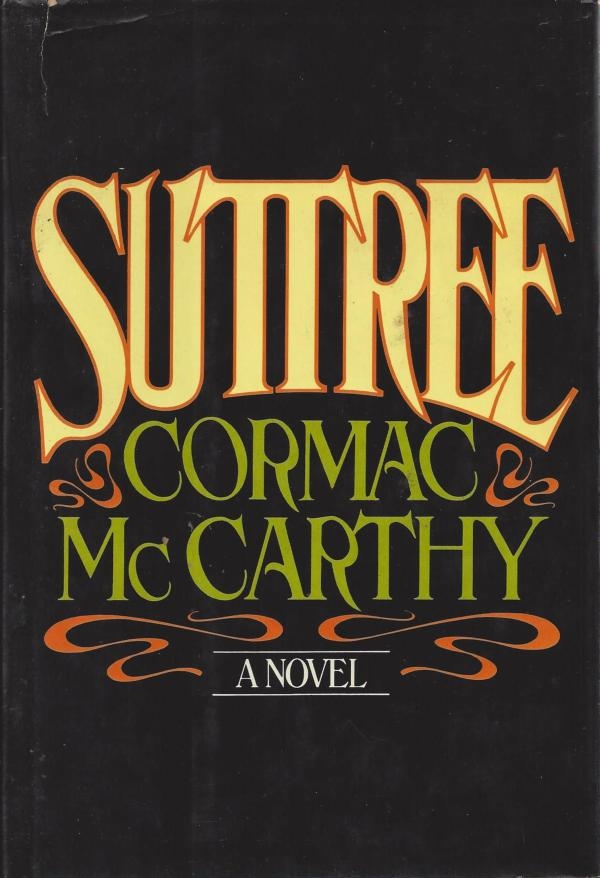
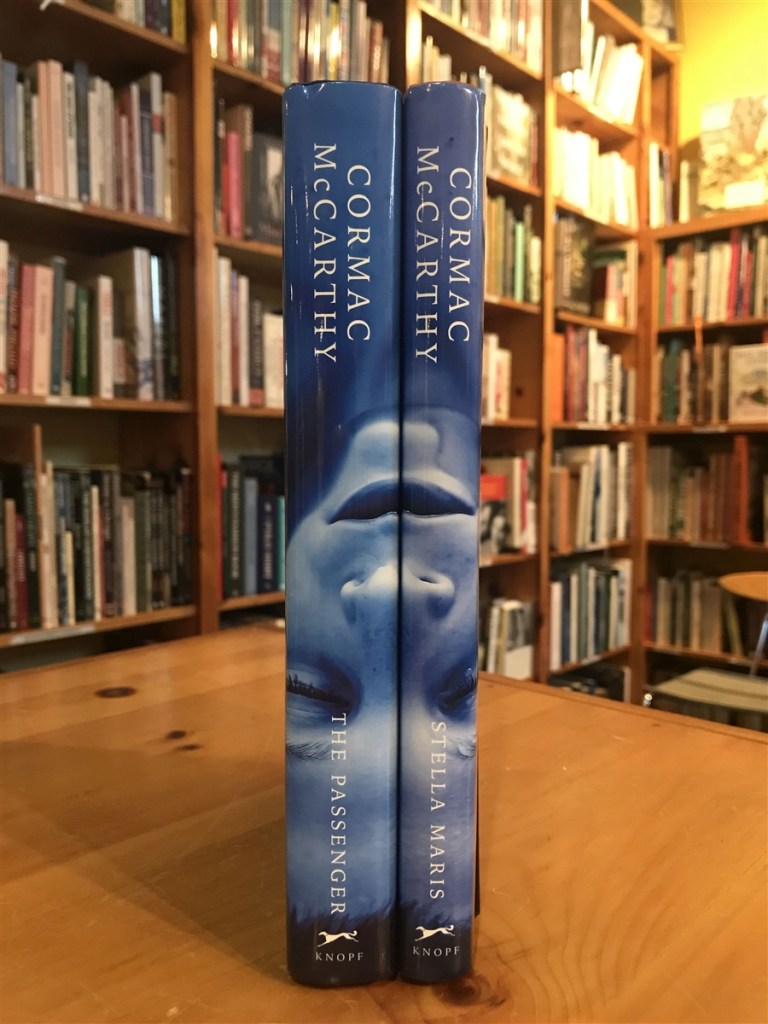








 The Domains of the Emperor Owl
You must be logged in to post a comment.