About six hundred meters from the house, in the opposite direction of the emperor owl’s refuge, I no longer recognized the curves of the road along which I had come years ago. Why had I forgotten them? Had I been sleeping and only awakened as we neared the house? Had the route been erased from my memory because I assumed I’d never leave? What awaited me a kilometer or two away? The neighbors’ lands?
I leaned against the soft moss and ashen lichen crusts that covered the trunk of an oak. I could smell my cold sweat. The muscles in my legs had tensed, poised to sprint at every sound. I was venturing through a jungle teeming with predators. If I let my guard down, a pack would burst from the undergrowth.
I marched on, clutching the swollen portfolio against my side like a shield. Five minutes later I sensed a shadow. As I shifted my gaze toward it, it slipped from trunk to trunk.
I veered off the road and crouched among clusters of prickly bushes adorned with yellow flowers. I drew a deep breath while keeping a fixed, unblinking watch on the road, which, in the distance, twisted through a grove of narrow, charred-looking trunks. They distorted the distances and masked the gaps with their mint-green foliage, which draped stripes of shadow over the path.
The ground trembled. A gaze fixed on the back of my neck. I turned. A thick shadow spread over the pebbles and earth of the road, cloaking them like a funeral veil.
I sprang from my hiding place among the bushes. I imagined sprinting, but my body froze. I wanted to scream, to call for help. The fading twilight exposed me like a mouse to a bird of prey.
At the edge of my vision, two columns of shadow emerged from mud-splattered boots. Father approached until a pair of denim trousers appeared in my sight. His breath heated my face like a bonfire.
“Are you lost?”
His voice barely contained a roar.
“I was watching the landscape, sir.”
“What are you looking for? What is it you need to see?”
When Father encircled me to block the path, I raised my eyes by a span. The man’s right hand—his arm bristling with hundreds of iron spikes—clutched the long handle of a headless tool.
I counted from one to ten to distract my heart as I fought against my muscles betraying me. My mind was growing hazy.
“You heard me,” Father said.
“I was watching the landscape.”
The man inhaled, drawing the air from my lungs. He straightened the tool’s handle and pressed its headless end against my sternum.
“You have too much free time. Have you finished your duties?”
“Yes, sir.”
“Surely you can help your mother.”
He shoved me with the handle, forcing me to step back. I turned and walked upright, but within seconds, I lowered my head. My lost gaze swept over a doubled path as Father’s bulk followed me and, with every stomp, the earth quaked.
Five minutes later I was clutching the portfolio and hobbling. The emperor owl refused to let me accompany him, and I would never leave this place. How could I have managed it? I only knew how to shear, to milk, to draw. Gifts and miracles were reserved for those who deserved them.
The twilight faded. Colors hung from the treetops, the branches, and the grass lining the road like a dress several sizes too large.
Father led me to the barn, where Mother, seated on a stool, was sharpening the axe with a pumice stone. From beneath her hair, a gray, angular face peeked out. Father jabbed the tool’s handle against one of my shoulder blades and pushed me to the back of the barn. He pointed to a stool beside the flank of a cow, whose swollen udders bore veins bulging like branches swathed in skin.
“It’s her turn tomorrow, but surely you can do it ahead of schedule.”
While clutching the portfolio, I sat like an abandoned puppet. The stone of my thoughts sank deeper and deeper into a black ocean.
With a snap, a pressure clamped around my ankle. A shackle. It was connected by chains as thick as a finger, bolted to the rock.
Father straightened. In one swift motion, he snatched the portfolio from me and held it under his armpit.
“Remember your duty.”
Author’s note: I wrote this novella in Spanish about ten years ago. It’s contained in the collection titled Los dominios del emperador búho.
Elena headed toward the gate to exit Bar Palace’s fenced patio, but I reminded her that we were supposed to pay for the coffees. She followed me inside through the sliding door, and we trod over broad boards. A dozen tables populated the room, around which distinguished older ladies and men sat in ornate chairs. Overhead fixtures burnished with amber light rectangular stone columns bolstering wooden beams. Another fixture spotlighted a stone fireplace and the ornament perched on its mantle: a metallic emblem bearing Irún’s coat of arms. Vigilantiae Custos. Guardian of Vigilance. We had entered a centuries-old retreat. I beelined to the marble counter layered atop dark wood paneling, then waited for a waiter in black garb to take my money. Elena trailed behind me, blue folder clamped under her arm, and surveyed the salon with darting eyes as if she feared some threat lurked in there.
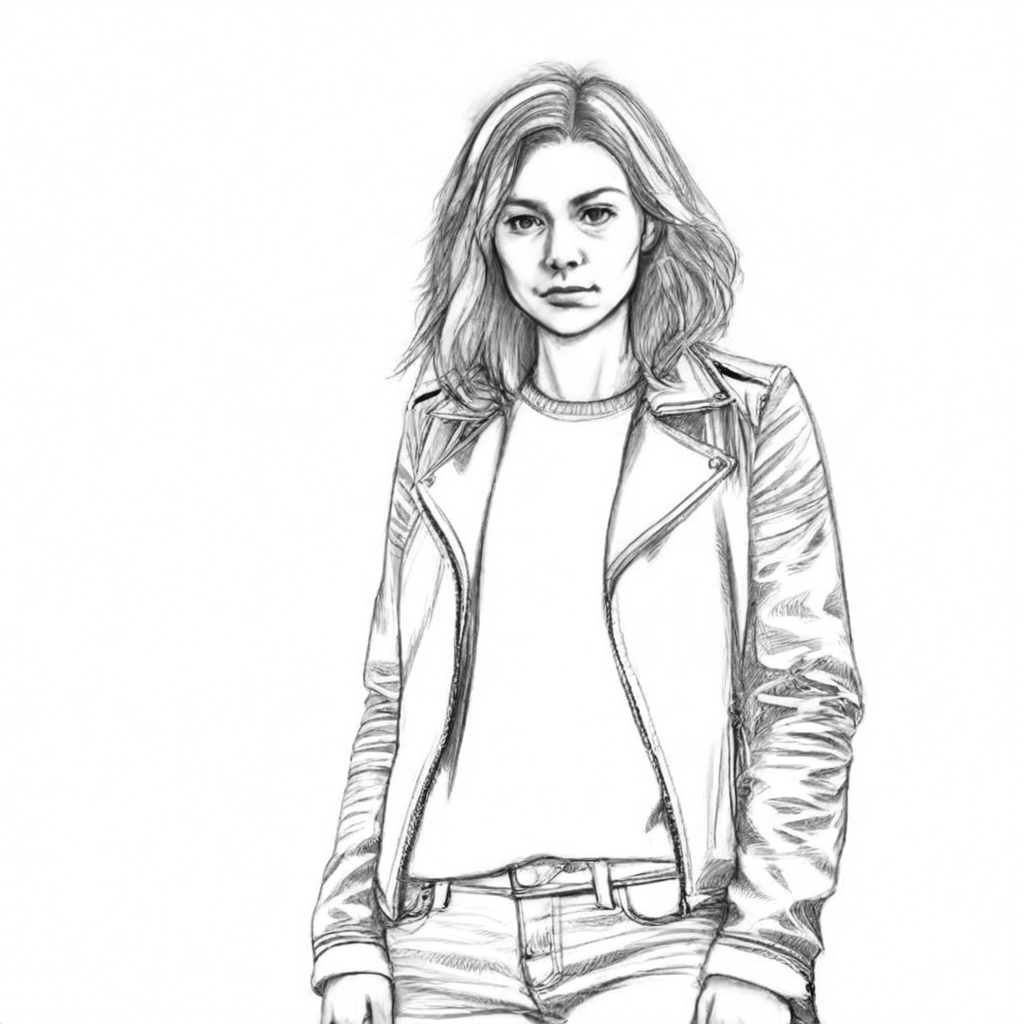
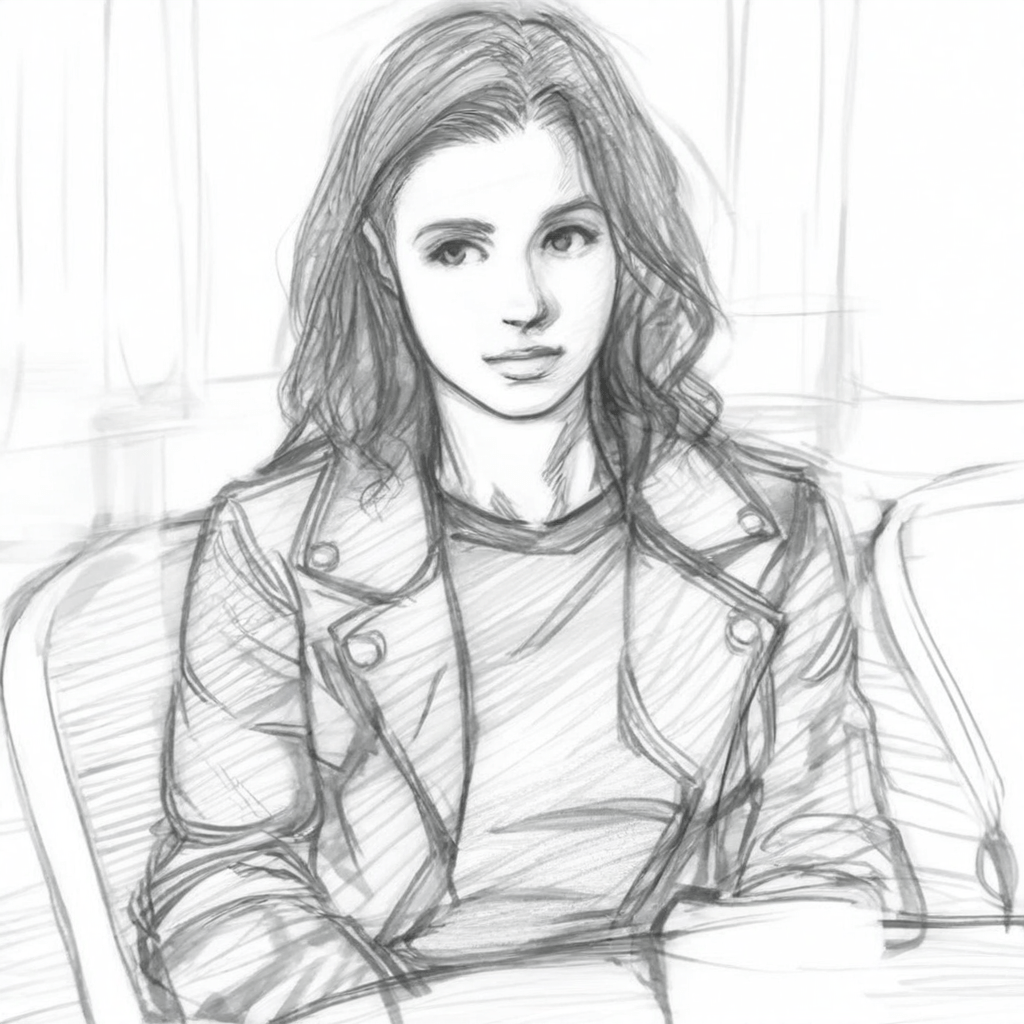
We emerged from Bar Palace onto Navarra Avenue, then stopped at the edge of the sidewalk for the traffic light to turn. After basking in the refuge of that patio, despite the intruding youth, this noisy intersection had hurled us back into civilization. Cars and buses growled past. Across the street, a cluster of teenage girls idled outside a candy store, chatting and giggling beneath a leafy tree. A cyclist avoided pedestrians as he passed the reddish-orange facade of a four-story apartment building. Beside me, the rain-scented breeze played ghostlike with Elena’s almond-blonde locks. She clutched her folder while her eyes flitted between strangers like an anthropologist visiting a foreign land. I resisted the urge to steal a glance at how her dark-wash jeans hugged her butt.
Had Elena intended for us to part ways the moment we left the coffee shop? I wanted to spend more time with her, so she’d have to dismiss me.
Although her eyes were averted, Elena’s thin voice reached out to me.
“Jon, do you like being around people?”
“Not particularly.”
“Often when I force myself to leave the apartment, I see all these men and women and kids and elders walking about like ants scurrying to and from their nest, and I think, ‘I have nothing in common with these beings.’ I must assume that minds operate behind their eyes, even though I can’t imagine their thoughts. But maybe I share the world with eight billions of shoddily-programmed automatrons that short-circuit when confronted with concepts more complicated than the weather, football, or whatever shit the mass media pumps into them. Maybe I’m the sole real person in a simulation built to trap me. It would explain the state of the world, wouldn’t it? If nobody had any fucking clue about what they’re doing.”
“As a fellow person, I can’t help but resent the implication. And that line of thinking can easily slide you into psychosis.”
The pedestrian light flicked to the walking man outline. Elena and I strolled ahead.
“As a child,” she said, “I wondered if everyone around me was acting out a role. Did they also have to put on a mask whenever they went out? Were they as scared and lonely as me? Even now, I can’t be around people for too long. When someone stares at me, I feel like a fly trapped in a jar. It makes my skin crawl. There are no common points in which I can make myself understood. When I engage people, they’re more likely than not to end up developing an instinctive dislike of me. They’re the normal ones. Always pretending, trying to impress others. Trying to impress themselves. Lying to get along, to fit in. Do they ever feel the walls closing in? Do they ever sense the void beneath their feet, or the cold, dead stars overhead?”
Iglesia Street unfolded into a downward-sloping plaza paved with gray stone. At its edge stood the white building of the Roman museum. In front, three towering cypress trees jutted upward like narrow spearheads. Elena continued her monologue.
“One of the things you discover when you’ve been alone for so long is how people can weigh you down. As if you had lived with a TV constantly on and loud, and once you turn it off, you realize that something had been drowning your genuine thoughts. That newfound silence allows contemplation similar to that our ancestors enjoyed in their so-called primitive societies. Alone, you’re free from having to conform to the expectations installed by the people you’ve allowed in, who intend for you to like and want the same things they do. Without that pressure, your true self emerges—unshackled, raw. You figure out what matters to you. What you’re willing to tolerate, sacrifice for, fight tooth and claw to defend. To get there you have to become one with the void inside. Otherwise it remains alien to you. And most people seem terrified of meeting that self, lest they end up pushed out of the collective and ejected into the cold.”
We were nearing the bronze statue of a San Marcial vivandière—a woman captured mid-stride, clad in a beret; a buttoned-down, tailored jacket; and a pleated skirt that draped over the tops of her laced boots. In her right hand, she held a fan aloft, frozen in her constant duty to wave, while she cast an unsettling smirk at passersby. Creeping verdigris etched stark contrasts along the pleats of her skirt.
“You’d think such a dynamic would be absent in couples, right?” Elena said. “Surely partners willing to accompany each other on this doomed journey would form a sanctuary in which both could grow as individuals. But no. Most couples seem like two dogs chained together. A romantic relationship censors you even worse, and before long, you end up defanged and declawed. Can’t risk upsetting your partner. Can’t risk losing them. No wonder some couples decide to have a kid, then another, and another. Filling the home with hostages. No, an individual’s freedom is too valuable to sacrifice for the sake of having a companion to fill the silence, and a warm body to fuck.”
As we descended the stairs, Juncal Church loomed fortresslike, built from sandy stone blocks, some bearing warm honey hues and others worn into ashen grays. Near the top of its bell tower, that had darkened as if singed by flames, a snow-white clockface stood out. The church endured as a relic from an era when people’s beliefs, however misguided, urged them to erect beauty that would outlive them by centuries.
Elena’s vacant gaze drifted along the stairs. She had tucked her folder under one arm, and that hand in the pocket of her jeans. When she spoke again, her voice came hoarse.
“Most people stick to you not because they’re interested, or care, but because they need that closeness, that shared warmth, the same way I need to be alone. They’d be comfortable gathered around a bench in silence, while their mere presence would desiccate me. You spoke about how many works of art have been lost because their potential creators wasted their talents, or died too young. But how many revolutionary ideas, how many discoveries we’ve missed in these societies that push their members to police each other’s thoughts? How many masterpieces have died in the womb because some nearby moron could consider them impractical or ridiculous or immoral? I’ve had to protect myself. Surely you noticed how guarded I was at the writing course, or when you first approached me at that bench. Always have a wall up. I ensure that a person will offer more than they’ll take away from me. To preserve the garden, one must first be a ruthless weed slayer. Without that, the flowers get choked and die.” Her jaw tensed as she swallowed, and she massaged her throat. “Life gets too complicated when people disgust you. You need them for the most basic things, and I endure those interactions while repeating in my mind for them to leave me the fuck alone. The responsibilities you accumulate with humans shackle you. From time to time I feel like I’ve matured enough, or grown enough callus, to tolerate experiences like that writing course, which could help me. But soon enough, everything that irritates me about human beings, their words, their noises, the myriad little humiliations, swell and swell until suddenly I can’t deal with a single extra minute of that shit. Then I need to hide from the world and everybody in it. My solution? I keep my rotten self away from others. That way nobody can hurt me, and I don’t pollute anyone else. A quarantine measure to keep the world safe, you could say. Isn’t that the epitome of altruism? The greatest good?” She sighed. “Yeah, I’ve given up. After that course, after my stories were deemed deplorable, after that fucking bitch Isabel called me out as a monster in front of everyone… I feel completely done. I hoped that other writers would understand. So I exist here, in this land, because I have no choice. I can’t just pack up and move to the forest, or the mountains. Well, I could, but I’d like to survive past twenty-eight. Honestly, I doubt I would have reached this far if my parents hadn’t taken care of me. Imagine their disappointment and regret at what I’ve turned out to be.”
I had stopped at the church entrance, and Elena, lost in her soliloquy, had copied me. The dark wooden doors split into four metal panels, each embossed with figures of robed saints or other biblical characters. Four sandstone columns with fluted shafts flanked the entrance. Their bases and capitals had eroded, exposed for centuries to the elements and the corroding darkness of the world. Above the door, a circular niche might have once housed a statue, but these days it would have been stolen. Higher up, near an oculus’ edge, some architectural oversight had forced the builders to chisel blocks and wedge them into gaps.
Elena cleared her throat.
“Man, my voice box is actually strained. I hadn’t spoken so much in years. Maybe I never had. I was holding back a shit-ton of stuff, it seems. I also like to stop and stare at beautiful buildings. To see their little details. The cracks, the mold, the weeds growing in between the stones. How much they’ve endured. And most churches beat modern monstrosities like the one built to replace the covered pelota court at Sargia.”
Elena’s pale blues stared at me with childlike interest. I held my breath as her loose locks fluttered. She arched an eyebrow, and I broke the silence.
“Elena, did our coffee meeting feel that overwhelming?”
Her fingers fidgeted with the edges of her folder, and she glanced away.
“If you’re asking whether I enjoyed your company, the answer is yes. I like talking to you, Jon. I can hardly believe you’re still willing to reciprocate. Most people that intrigue me for whatever reason, they’re like temporary bandages over a radiation burn—they stick around just long enough to realize that this broken toy can’t be patched up with positive thinking and empty platitudes and self-help books, and then they bail. But you… you don’t seem interested in fixing anything. You just want to, what? Watch the decay spread? Document the collapse? I’ve offered you a glimpse of my darkness, and you just dissected it. As if performing an autopsy on my soul and cataloguing every diseased part you found. And I was glad to let you peel back layers. That writing course debacle… Honestly, if you hadn’t come out of the experience, I may have holed up in my cave for weeks. So, did our meeting feel good? I’m not sure I know what that feels like, because I can’t get rid of this anxiety and dread. But it felt… necessary. Real. Like for once, with you, I don’t need to pretend I’m something other than a monster. Now I have to acknowledge that maybe I’m not as alone in this darkness as I thought. That maybe other people out there can look inside me and not flinch. I don’t… I don’t know what to do with that kind of understanding. In summary: congratulations, Jon. You’re the first person I’ve talked to for more than ten minutes that didn’t make me want to claw my skin off. What a relief to speak to a human being without having to pretend to be one.”
“I want to meet up again soon, Elena. I picture us visiting interesting, solitary places, and having long talks about whatever comes to mind. I also intend to read the rest of your work. Let’s see how far we can take our experiment.”
Elena slid her hands into her pockets, folder tucked under one arm. Although she tried to restrain her lips from curving upwards, they betrayed her. The muscles that framed her mouth and connected to her chin tensed, her lower eyelids pushed up, her pale blues gleamed. I yearned to induce more of her genuine smiles, drawing beauty into the world with each one. Little works of art just for me.
“That sounds an awful lot like you’re giving me permission to be exactly what I am,” she said.
“That’s exactly what I want.”
Elena glanced over her shoulder at the rounded archway, under two levels of balconies and their striped awnings, that led deeper into Erromes Plaza. She turned back to me and nodded.
“Anyway, I’m not sure if it’s morally right to inflict myself on another person, but let’s do this again.”
We’re like 25,000 words in, and we haven’t even reached the middle of the first act. This is going to be a long one.
Also, because I’m from this city and I mentioned the San Marcial festivities (even though that day I either work or stay at home), here’s a video about it. Some shots even depict the itinerary of our main characters; for example, at 0:40, the church appears on the left.
I descended the slope toward my refuge among the beech trees. A meter and a half above the circle of blackened grass levitated the emperor owl. Sunlight blazed on his conical crown. His folded wings peeked from the open sleeves of his purple dalmatic, and the drapery of his coiled sash hung beneath his talons.
Hobbling on trembling legs, I halted about five meters from the circle, and a gasp of surprise slipped out. I paced side to side, testing if a mirage deceived me, yet the emperor owl’s amber eyes tracked my every shift. I tilted my head, jaw slack.
The emperor owl raised a brow and parted his beak.
“Hello.”
When his cavernous voice swept through me, my face and hands prickled. My throat clenched. I fought the urge to leap for joy. Instead, I clenched my fists and pressed my knees together, tense like a spring.
“It’s you. Of course.”
I stepped closer. The emperor owl ruffled the black-and-olive striped feathers of his throat, eyes widening.
“You see me.”
I nodded frantically. A mouse-like squeak escaped me. I inched forward, but he unfurled one wing and stretched his neck.
“Remember. Keep your distance.”
I swayed, then crumpled to the grass, dropping my portfolio. Joy flooded me, stifling my speech—if I opened my mouth, laughter would stream out.
“You see me and do not fear me,” said the emperor owl, his tone like a man reassessing his world’s foundations.
“Why would I? You’re magnificent.”
The emperor owl flared his neck feathers, and a grin split his face.
I stood even though my legs threatened to buckle. My congestion made me dizzy; I shook my head to clear it.
“So, now I know. No more secrets. You’ve wandered from your land, lost, because we must have met by chance. But I think I’ll remember the path, or at least the direction.”
“What path?”
“I’ve seen the fleet waiting for you.”
The emperor owl gaped open his beak, his gaze wandering as a lemonade-pink tongue emerged, flickering faintly in the dark hollow of his mouth.
“Please,” I pressed. “How many kilometers separate you from your home? No one should have to live here.”
“Countless.”
“You can go back accompanied.”
“Girl, I don’t know what kind of world you’re imagining.”
“I’ve seen it, and miss it. You could have moved away from my refuge—you said so—but you had decided to stay for a while.”
“My world can’t be reached the way your kind travels.”
“I know. I’d follow you from land, and on the coast, I’d rent a boat—or steal one. Even if rowing wore me down, I’d know what lay ahead. And if I needed to sleep in the boat, you could alight and keep me company.”
The emperor owl narrowed his eyes. He snapped his wings open, shook them with a rustling whoosh, and folded them.
I rubbed my sweaty palms. My stomach tightened. Why was it so hard for him to accept that I recognized him? Did he distrust the person who would become his right hand? He must have met some of the inhabitants of this land and learned to avoid them. How could I convince him that I was worth the risk?
A meter and a half from the circle, near yesterday’s vomit—now a metallic crust—I swept aside rotten leaves and knelt on the grass.
“I swear allegiance to the emperor owl. I renounce all ties to this dark land into which I have unfortunately been born, and I vow that for the rest of my days, I will turn my back on it. I will obey the laws of the domains you rule and serve you in whatever manner you see fit.”
I furrowed my eyelids as I held my breath. The emperor owl would descend from his invisible pedestal and rest a wing on my shoulder.
A couple of fruits thudded into leaf litter; the narrow stream of the nearby creek hissed.
I stood. The emperor owl’s pupils quivered behind half-closed lids. I shook fragments of leaves and twigs from my palms. When I spoke, my voice faltered.
“Do you reject my oath?”
“What has happened to you?” asked the emperor owl, and though he had softened his tone, it reverberated like a cavernous echo.
“Too much. I must seem nervous, impulsive. Things are going badly for me. But test my loyalty however you wish. I swear I would leave today.”
The owl shrank and lowered his head.
“For now, I will stay.”
My muscles strained to keep me upright. I swallowed a lump of phlegm. How could I convince him beyond swearing my loyalty? Or was I striving in vain, because I could never deserve for the emperor owl to take me with him? But how could I ever deserve it, having been born here, among these people, tainted? What place could I belong to other than this darkness?
“Soon, right?” I whispered. “We’ll leave before long.”
The emperor owl inflated and deflated his chest beneath the dalmatic as he held my gaze with his amber eyes.
Author’s note: I wrote this novella in Spanish about ten years ago. It’s contained in the collection titled Los dominios del emperador búho.
I lowered the blankets down to my nose as bile surged into my throat. The bedroom had shrunk as if the missing furniture had been holding up its dimensions. From the mattress sprawled on the floor, the bedroom door towered, its jambs slanting toward the narrow lintel, resembling a monolith.
Feverish tremors rattled me. I sucked air into my lungs, but they rejected it.
I blinked, and the door burst open as if rammed by a battering ram. It swung on its hinges and slammed the wall, exploding into splinters. In the doorway loomed Father’s hulking frame. His inflamed breath illuminated black nostrils and a bristly snout.
I blinked again, and the door stayed shut. I strained to hear footsteps beneath the roaring gale in my ears, where screams floated like driftwood from a shipwreck.
As my vision prickled into blackness, I levitated in a void—but jolted awake, back to my starlit bedroom. I buried my head under the blankets. Once darkness swallowed me, nothing could hurt me.
My swollen bladder pulsed. I clenched my thighs to trap it. A lapse and I’d wet myself. I thrashed on the mattress—rolling onto one shoulder, the other, my back—shuddering as cold sweat glued my pajamas to my skin. Urine clawed to escape. When I imagined leaping from bed, sprinting down a kilometer-long hall to the bathroom, then emptying my bladder, relief flooded me.
Why hold back? Would it matter if I peed myself? Was I afraid of disturbing him?
I spread my thighs and relented. A hot stream soaked my crotch, fused my panties to the pajama pants, and pooled between my buttocks. My body from navel to thighs felt warm as if I were sinking into a bath.
I peeked from the blankets. In the view quivering like a tuning fork, the cork oak outside stretched toward the star-patched sky. An owl clung to a branch, hunched in black-and-olive streaked plumage, wind ruffling its citrine underfeathers. Its crest and beak-framing feathers had grayed; the rest of its head camouflaged with the forest. Two tufts spiked from its crown—antennae of a space helmet. Wide amber eyes locked onto mine as if commanded to witness what came next.
The owl spread its wings, flapped them, and swiftly soared out of sight. The branch and its sinuous leaves shuddered, then stilled.
Tears boiled in my ducts, glazing the oak. Even the owl wouldn’t stay. I cocooned under the blankets. Blind blackness greeted my opened eyes. I gulped stagnant, warm air that reeked of ammonia.
In the void, the owl’s outline gripped the branch. Its eyes warned me in a language to which I was born deaf.
I rose. The owl watched as I neared the window. When I opened it, cold air rushed in. The bird spread its wings, flapped them, and swiftly soared out of sight. I craned into the night, twisting to scan the roof.
“Wait.”
I climbed the window frame. Jumped, and found myself dangling between the facade and oak, suspended by an invisible thread tethered to the sky. I clawed upward through air, soaring past the roof as pine-clad hills and valleys shrank below.
The owl’s silhouette fluttered ahead, a black smudge against a spatter of stars.
My chest swelled. I chased the bird for ten minutes while muscles I never knew screamed in my limbs.
A hundred meters below, a greenish sea stretched horizon-to-horizon, waves wrinkling with reflections of the stars and moon. The owl glided toward a fleet of anchored galleys, and landed on the central ship’s deck. Two rows of figures flanked the bird. A delegation approached.
I swooped to the stern and landed feet-first, but momentum slammed me down, dragging me five meters across planks. I stood.
Two long-necked egrets in slashed doublets and ruffs slid a purple dalmatic over the owl’s wings and head. They wrapped its shoulders and torso in a sash embroidered with gold and silver filigree. Across its stripes glittered dozens of gemstones. Another egret wedged a conical crown onto the bird’s crest—silver adorned with raised reliefs of owls, runes, and geometric patterns.
The deck’s flanking figures converged on me, stalking like a cat encircled by hounds. Eagles clad in bronze helmets and breastplates tilted halberds my way.
“Sir, they followed you,” growled the lead eagle soldier.
A hiss echoed above. Bird silhouettes aimed crossbows from the crow’s nest and rigging.
The owl adjusted its dalmatic, waddled closer, and raised a wing. Lemon-sized amber eyes fixed on me.
“I recognize this human. She hails from that sorrowful overseas land.” His voice dropped. “You were born into a bleak country, girl.”
I shuddered. Swallowed to unclench my throat.
“It is, sir.”
The owl glanced at his guards, then lowered a wing. The eagles retreated, nodding.
It stepped nearer, wingtips resting on my shoulders, fanning black-striped feathers.
“I hoped you’d choose to follow me.”
I clasped my hands, voice shrill.
“May I accompany you, sir?”
“Of course.”
He encircled my back with a wing, and guided me toward the prow.
“Rest as long as you need. When you wake, you will breakfast with me. Tomorrow we reach my domains.”
In the morning, as I stepped out of the captain’s cabin onto the deck, the orange hole in the sky dazzled me. It bathed chalk-white cliffs. Salty air cleansed my lungs.
The fleet sailed through the mouth between two capes into a gulf, its shores teeming with houses, towers, and multicolored crops, while the sparkling waters were dotted with fishing boats and cargo ships. We docked at a harbor. The towering masts of hundreds of vessels rose like a forest of bare trees and tangled vines.
On the cobblestones of the harbor, the owl invited me to a carriage that would be drawn by six horses. The vehicle was decorated with golden garlands that gleamed in the sun, and up close, you could make out the stylized figures of birds perched on branches or in flight. The wheels were rimmed with gilt flowers, the interior of the carriage covered with purple velvet curtains. The cherrywood panels depicted the emperor owl and his retinue.
Inside, I settled onto a cushioned bench. The owl positioned himself across from me and drew the curtain across the window. I insisted on speaking, but utterly exhausted, I kept babbling incoherently. The emperor suggested I rest. I stretched out along the bench, burying my head in a feather pillow, and closed my eyes.
The carriage wheels glided over earth and grass, clattered along cobblestone streets. The clamor of villages poured in. The music of street performers emerged and vanished amidst vendors’ cries. Every few minutes, the uproar of crowds swelled around the carriage as they cheered for the emperor.
That noon, I dined in his castle, within a throne room as lofty as a cathedral. Rows of marble pillars supported a ribbed vault, its surface carved with rosettes and inlaid with colorful mosaics depicting heroic deeds. I sat beside the emperor owl at a table whose ends curved at the horizon. Bathed in the soft glow of candlelight, dozens of birds dipped their spoons into bowls of soup and purée. They pecked at pork ribs drenched in a tangy vinegar and lemon juice sauce. Between sips and bites, they chattered and laughed.
Seated across, a kingfisher dressed in a doublet, with an indigo head speckled in turquoise, poured cider through its long beak. To its right, a peregrine falcon, its head a smoky gray, adjusted a monocle that magnified one brown eye. Boasting, it boomed its deep, braggadocious voice over a plate of sea bass and potatoes.
As I savored the third bite of my lasagna, the emperor owl clinked a knife against his goblet. The clamor ceased. The guests turned their attention to him as if he were a revered professor.
“Listen.” His voice echoed through the throne room and returned as if a choir were mimicking it. “I thank you for having restrained your curiosity. This human, as you may have heard, followed me from the overseas land. Just as with the rest of its inhabitants, every day the shadows that ravage those lands hammered her body with mallet and chisel, and one day they would have reduced her to nothing.”
Emotion clouded my voice.
“But the emperor owl found me, and in his wisdom, he allowed me to accompany him to his domains.”
He pulled back the chair and settled in beside me. His warm wing draped over my shoulder. He gazed at me with amber eyes, their gleaming pupils reflecting the flickering flames of candles. The corner of his beak curved into a smile.
“And from this day onward, brave girl, you will be my right hand. Your belly will never writhe with hunger. You will forget fear. Never again will you endure pains you were never meant to know.”
Author’s note: I wrote this novella in Spanish about ten years ago. It’s contained in the collection titled Los dominios del emperador búho.
When I rounded the hallway corner toward my bedroom, my dresser blocked the path, its drawers slightly ajar as if they had slid forward while the piece was being pulled. I pushed the dresser aside until I squeezed through the gap between its edge and the wall. From my open bedroom spilled a harsh scrape. It was punctured by the footsteps of a hulking mass, their vibrations trembling the floor.
I crept forward on tiptoe, fingertips grazing the grainy texture of the wallpaper. Congestion glazed my eyes, and static fogged my mind. My mouth, through which I was breathing, tasted stale.
From the bedroom doorway jutted a hand’s breadth of desk. It inched outward in jerks until halfway. Father growled. With a shove, the desk emerged fully, revealing the man behind it, his meaty palms planted on the furniture. When his gaze flicked toward me, I ducked my head as if I risked turning to stone. The desk legs screeched against the wooden floor as Father wedged it flush against the wall.
I lunged to the bedroom threshold, arms flung wide to block it.
“No.”
Father marched toward me and swatted me aside like a curtain. The bristles of his arm pierced the skin of my shoulder and chest through my sweater, shirt, and bra. I staggered against the hallway wall and crumpled to the floor.
Father muttered in the gutted space. He yanked open the screeching doors of my closet.
I rose as if waking from a faint. I couldn’t stop this man, nor persuade him to leave me alone. What could I do? Had he warned Mother? Told her he planned to strip my room of furniture that might barricade the door? Was she absent because she objected, or because she didn’t care?
My vision blurred. After wiping my nose on a snot-crusted handkerchief, I hurried down the hall, descended the stairs, crossed the living room, and stepped into a dusk that chilled my face and hands. The moon and first stars pierced clotted clouds. I scanned the pasture for Mother’s gaunt silhouette.
Chains clinked. The cows.
I rushed to the barn, plunging into its musky, dung-thick air. The beasts, chained in their stalls, chewed hay. Mother sat hunched on a stool beside one of the cows, squeezing the swollen teats of its udders, which were ridged with bulging veins. Milk jets splashed into a half-full bucket. She tilted her face toward the wall, hiding behind straggly, unkempt hair.
I halted beside her, fists clenched.
“Tell him to leave my furniture alone. Please.”
Mother tugged another udder, spraying milk. I crouched to glimpse her profile: features scratched into rotted wood, lips a mere slit. She stared down at the milk-filled bucket, making it seem like she had closed her eyes.
I softened my voice as much as my trembling allowed.
“Mother, do you know what he intends? If he told you, I don’t know if you could’ve stopped him. But you have to help me.”
“Don’t call me that.”
The volume of her voice had matched the splashing in the bucket, her words as though I’d imagined them in the gurgle of aching guts.
When I placed a hand on her sweatered shoulder, a bony lump pressed my palm.
“Do you know why he’s taking my furniture? Do you know what he does to me?”
She shot upright, the stool clattering on stone. Mother clamped her hand around my cheeks and squeezed. It hurt as if she might rip my mouth off with a tug. Her tangled gray mane framed creased and shovel-colored skin, and the paint with which her eyes had been drawn threatened to flake away. Her breath smelled of garlic.
She let go of my face. With her other hand, she gripped my nape, then shoved me beneath the cow and plunged my head into the milk bucket. I gulped a mouthful that flooded my lungs. I convulsed, trying to sneeze the milk out, but each spasm swallowed more, drowning my eyes, drenching my brain. Mother pressed my head deeper, the bucket’s curved edge digging into my collarbones. I grabbed the cow’s hide—it mooed and thrashed about, the chains binding its legs clinking.
Mother yanked my hair, and I fell backward onto bits of straw. I coughed bursts of milk. Sneezes and hacking shuddered through me, raking my nostrils and throat raw.
When I lifted my gaze from the straw-strewn floor, Mother was gone. The bucket lay overturned by the stool, and a milk puddle spread around the cow’s hoof.
Rising would waste energy. Someone should chalk my outline.
The cow nudged its muzzle close and lowed. Its nostrils exhaled a cloudy breath that warmed my cheek, glassy eyes gazing at me as if I were a wounded calf.
Author’s note: I wrote this novella in Spanish about ten years ago. It’s contained in the collection titled Los dominios del emperador búho.
Before I stifled the sneeze, snot shrapnel sprayed my drawing, speckling the page with translucent blotches, smothering some strokes with globs. What did it matter? My trembling hand had sketched shaky curves. The scene I’d created was hazy, mirroring my mental fog, as if I were glimpsing a landscape through greased paper.
I crumpled the sheet into a ball. When I dropped it beside me, it rolled over the portfolio and lodged between chunks of bark. I blew my nose as if I were filled with liters of mucus, but ten seconds later, a trickle slid from one nostril. The wings of my nose were raw. My mouth tasted of phlegm. I should—and wanted—to lie in bed, but why stay under that roof when I could escape for a few hours?
I twisted my nose with the handkerchief, which muffled my voice.
“Can I ask you something?”
“Whatever you like,” said the man. “We’ll see what I answer.”
“Do you like me?”
The air thickened near the blackened circle, charged like static.
“You think I don’t?”
“Would you betray me?”
“Have you given me reason?”
“I don’t know. You might think I have, even if I didn’t mean to.”
“Is that cold of yours messing with your head? Why worry?”
“It is messing with me. I can’t think straight. But maybe you’re pretending to like me as a distraction.”
“A distraction from what?”
“From planning to hurt me.”
The man sighed, his breath prickling my face.
“I’m not planning to. Though if I were, I imagine I’d hide it.”
“If someone I thought cared for me switched sides, I assumed I would know.”
“It’s been years since anyone entertained me like you. Though, to be fair, I’ve never delved deeper into a relationship than telling someone to leave and watching them flee.”
I blew my nose until I needed a fresh handkerchief. The sight of the charred grass circle wavered, and the taste of my saliva sickened me. I set the cloth-covered tureen on my thigh, loosened the elastic, and lifted a corner of the fabric. If I could smell, maybe the aroma of marmitako inside would’ve stirred my hunger.
“Will it taste like anything to you?” said the man.
“Maybe it’ll taste like something to you.”
“Want me to try it?”
“I brought it to offer you. Even an invisible man needs to eat. What kind of person would let you starve?”
At the edge of my hearing floated the murmur of clashing thoughts, mingled with wind whistling, birds trilling, and the creek’s whisper.
“I should refuse.”
I crawled forward, but stopped a meter and a half from the circle to avoid the pins stabbing me. Bowing, I placed the open tureen on the grass. I jerked backward, then leaned on my hands, damp leaves and grass beneath my palms.
“If I ate, it’d be wasted. It’d taste like phlegm.”
“Charming word to hear while I consider eating.”
I opened my mouth to speak, but the image of the circle, the beeches, the tangle of branches beyond, slid toward the tureen as if painted on a stretching rubber band. The distortion coiled around the tureen like a claw, contracted, and swallowed it into a mirrored lake. The rustle of crumpled fabric. Chewing. A gulp.
A cough exploded, convulsing the beeches and the circle, the shockwave knocking me onto my back. The tureen flew past my head. My legs folded against my chest—firecracker-like coughs jolted me as if trying to make me roll. Needles stabbed my face and hands like a swarm of bees, their stings piercing my sweater and pants.
When the man stopped coughing, I lay supine. Above the quivering lattice of branches, a mass of gray-blue clouds slid south. I sat up. Snot bubbled in one nostril, and my exposed skin burned.
Before the circle of withered grass, a black, mercurial vomit had flattened the blades and buried the debris. I couldn’t smell, but the fumes attacked my nose like smoke-itch. The view of the blackened circle had stilled.
Had I poisoned the invisible man?
“Please, tell me you’re still there.”
“I’d forgotten how vomiting feels.”
I covered my mouth. I wanted to kneel and weep.
“I didn’t mean to. I swear. If I’d known it’d affect you like this, I’d have eaten it myself, even if it tasted like phlegm.”
“Relax. Years ago, I tried your food and it ended in another puddle. I thought this time might be different.”
Author’s note: I wrote this novella in English about ten years ago. It’s contained in the collection titled Los dominios del emperador búho.
The bathroom door opened with a click that rippled through the bathwater, mingling with the pressure in my eardrums and the submerged gurgle of bubbles rolling across my skin. A draft seeped through the door crack and slithered over my knees and shins, that jutted from the water like ice cubes. Light footsteps entered the room.
I shrank deeper while trying to avoid disturbing the water. Who’d entered, knowing I was bathing?
I lifted my head into the cool air. I expected the shower curtain to silhouette the hulking mass of thick arms and legs, but the lamp lightened the nylon. I peeled the curtain back a hand’s width. Mother, leaning against the sink, stared at me.
I loosened my shoulders. Better her resentful glare than Father’s.
“Hurry up,” Mother said.
She rummaged through my pajamas, bra, and underwear, heaped on the toilet lid. She bundled them. Snatched the folded towel from the sink, and added it to the pile.
As I hunched over the tub’s edge, my wet hair and face splattered the tiles.
“What will I wear when I get out?”
Mother tilted her head to address me but hid her ashen face behind her silver hair.
“If you want clothes, ask your father.”
She left the door ajar.
The chill prickled my skin as my heart galloped. She’d return, I thought, and toss fresh underwear and pajamas onto the toilet lid. But her footsteps faded into silence. The cold air invading the bathroom through the cracked door whispered that if I emerged from the warm water, I’d risk pneumonia.
I shut the curtain and submerged myself up to my nose. Had Father ordered her to steal my clothes? Why had she obeyed? Mother knew she’d condemned me to shuffle naked toward that man, clutching my breasts and groin. To beg.
A searing heat in my chest overwhelmed me. As I shut my eyes tight, my body jerked in silent, tearless spasms.
I shoved the curtain aside and clambered out, hunched, as droplets drummed the tiles. At the sink, I froze, legs trembling as if I’d bathed in an icy river. In the mirror, wrinkled strands clung to my forehead, and rivulets snaked down my pallid skin. I recognized the gaze of a lamb hearing the bleats of its kin as it’s dragged through bloodied puddles.
I swept the hair from my face. Wringing my mane, it dripped down my back and spattered my buttocks.
I nudged the door further, and its knob grazed the wall. To my left, the shadowed hallway led, past a corner, to the bedroom. To my right, Father’s silhouette clogged the far end like cholesterol in an artery. The ancient bellows of his chest wheezed, swelling and deflating. Though darkness veiled his face, his stare pierced mine as if pinning a moth to cork.
A shudder seized my legs. Dizziness blurred my vision. I fixed my eyes on the wallpaper ahead, its lumpy patterns like spider eggs. I stiffened. Swallowed. I shielded my breasts with one arm, cupped my groin, then strode into the hallway.
What did it matter? He’d already seen. That man assumed forcing me to parade naked would render me helpless, yet I’d barricade my room even as I became stiff from the cold.
I let my arms drop. As if sleepwalking, I turned toward my bedroom and marched stiffly. Father’s gaze scorched me from hair to Achilles’ heels. When I rounded the corner, his stare detached. I sprinted to my room, stomach acid searing my throat. I opened the door, closed it behind me, and pressed my back against it.
A threadbare sheet covered the mattress. I recognized it from the storage closet in the attic; the sheet had been buried beside a yellowed pillow and hole-riddled slippers. I rifled through the dresser drawers—empty. When I jerked the wardrobe open, the draft rattled unburdened wire hangers.
My jaw quivered. Cool droplets slid down the gooseflesh on my arms.
I shoved the dresser screeching across the floor to barricade the door. Dragged the desk and wedged it against the dresser drawers.
I switched off the lamp, but starlight and the pockmarked moon bled through the window. As I neared the glass, an owl burst from the cork oak’s branch, wings thrashing. I yanked the curtain shut.
Clambered onto the bed as if escaping lava. Slid under the frayed sheet, pulled it over my head. Faint light seeped through the fabric’s cracks. It reeked of mold and old clutter fermented in the closet’s depths. The damp sheet clung to my skin.
I shut my eyes, hugged my knees. Counted to four again and again to drown out my hammering heart and chattering teeth.
Author’s note: I wrote this novella in Spanish about ten years ago. It’s contained in the collection titled Los dominios del emperador búho.
This story is written in a manner that makes my skin crawl, and I don’t mean just the subject matter. I’ve long forgotten what headspace I was in at the time, but it reminds me of my teenage years, which were spent mainly slipping in and out of psychosis. Maybe that’s a huge part of why I didn’t want to revisit this story.
A group of six twenty-somethings swept in through the gate of Bar Palace’s fenced patio. At the forefront of that posse, two young men sported fitted T-shirts and jeans, while the leading lady wore a cream blouse layered under a fuzzy, warm-toned coat paired with ankle boots. The group sauntered between the tables and the low stone borders enclosing boxwoods and sago palms. Each face bore a pristine smile as if etched permanently. Had Elena continued talking, their booming voices would have swamped hers, and judging by their tone, she should have thanked them. They headed towards the back of the patio, where an open-sided marquee shaded a dozen tables.
Elena crossed her arms. She turned one ear toward the intruders’ youthful cackling, which caused curved locks of almond-blonde hair to slide from the collar of her jacket. Along with her wary gaze, she evoked a stray cat that had come across a human while prowling the streets at night.
She had been speaking so earnestly, but now she risked clamming up. I should hurry to cocoon her within a web of words.
“Are these novellas finished?”
Elena uncrossed her arms and let out a weary sigh.
“I wrote six stories back-to-back. Didn’t I tell you?”
“Damn. Have you sent them somewhere?”
Her pale blues softened with regret, eyebrows furrowed. She drew her shoulders in and lifted her slender index finger to her mouth. Her lips pursed around its tip, then the muscles at the corners of her mouth contorted as she nibbled on the nail. Her gaze drifted down. When she pulled her finger, its tip glistened with saliva.
“I wish I hadn’t. It would have been better to retain in the back of my mind the delusion that once I sent the manuscripts, these stories I worked so hard on, that meant so much to me, that I bled for, I’d get the call, some editor at a big house saying: ‘Oh, what a gem this is! Here’s your prize, your publishing deal, and your movie adaptation!’ If my stories were truly great, surely the world would notice them no matter what, right? Someone would care. So I divided the novellas into two collections, then went through the mind-numbing process of figuring out to what contests I could send them. Do you know that the terms and conditions of some contests specify that they’ll reject any submission that features profanity or violence? I mean, are you fucking kidding me? What world do they live in? Anyway, I sent my collections to a couple of the less stupid contests. They didn’t even reach the elimination rounds. What a bummer, huh? Afterwards I figured, well, I’ll send them directly to the publishers, those that accepted unsolicited submissions. Only a couple bothered to respond, a few months later. ‘We regret to inform you that your book does not meet our current needs.’ You know, much worse writers than me are getting published, so I had figured I could squeeze in. Fucking moron. I got my hopes up for nothing.” She tilted her head and stared at the leaden sky. “And I did it for money. I was trying to figure out how to make a living doing something that didn’t make me want to strangle myself with an extension cord. But realistically, if a professional of the industry recognized my work, I’d have to deal with editors, publishers, and other strangers. They’d try to fix in my stories whatever offended their sensibilities. And I’d have to care about marketing. How would you sell these stories, which are symptoms of the radioactive darkness that’s been growing in me since before I took my first breath? I would have to go on book tours, and attend conventions. I’d be expected to sit in front of a room full of people staring at me as if I were a human being instead of a monster afraid of the light.” Elena’s shoulders heaved. She shivered like shaking off a gruesome vision. “But I don’t have to worry about those horrors ever becoming reality, do I? My work has no professional future. The gatekeepers would react to my stories the same way Isabel did. Lacks empathy, they’d say. Too dark, cynical, depraved. And I don’t write about the Civil War, which vastly reduces your chances of being published around these parts. Besides, do I really want to give my stories to the world? I just need to get the words out, to stop them from eating me alive. It’s like vomiting. You don’t serve it on a plate and invite everyone over for dinner, do you?”
“I find your puke delicious.”
“Well, you’re a weirdo. Which I like. But they’ll just see it as another mess to clean up.”
Two women in their thirties, a blonde and a brunette, seized the vacant table at our left as they bantered in a torrent of Basque. The blonde’s laughter erupted, her jaw gaping like a shark snapping at prey. Even after they sat, she flailed her arm, clutching a smoldering cigarette that set curls of smoke pirouetting. Their voices carried the confidence of those who knew their place in the world and were making the most of it. As a waiter in a stark black uniform swept over to take their orders, Elena glanced sideways at the pair like they were aliens.
“Anyway, Elena, I’d love to read the full novellas.”
Her lips twitched. She tensed her shoulders and held her hands on her lap as if steeling herself. Then she lowered her head, brows knit.
“Not yet. These are… appetizers.”
“For what main dish?”
Elena bit her lower lip and shot me a hesitant look.
“Something I’ve never shown to anybody.”
Was she trying to prove whether I was worthy of reading her secret work? On her lap, the fingers of her left hand had retracted and curled into a claw, metacarpals jutting from her pale skin. That hand trembled. I lifted my gaze to her eyes, but her fallen lashes obscured the irises.
“I’m not used to being seen,” Elena said in a voice like a rusty gate opening. “It’s a lot to deal with.”
“Hey, whatever your secret story is, I’ll devour it. Can I ask for some details?”
“I don’t know if I’m still working on it, to be honest. It’s sort of… frozen. I just need to keep moving. Keep my mind from sinking back to where it left me.”
“Where was that?”
“Somewhere dark and cold and very far from here.”
Those pale blues, that seemed to have seen it all and wanted to see no more, teetered on the verge of thinning out and revealing some hidden passage. As if catching herself, Elena raised her palms to rub her face. A thick lock of shimmering almond-blonde hair tumbled from her ear and swayed. When she tilted her head back to rearrange her cascading hair, the overcast light of late afternoon sculpted her jawline, highlighted her cheekbones, and caressed the dusty-rose curve of her lower lip. In the span of her neck, the twin cords of her sternocleidomastoids, running down diagonally to her collarbones, flexed like silk ropes beneath her skin.
“Whenever you feel ready, Elena, I’ll be waiting. I’m not going anywhere.”
“Yeah. A week ago I was sure I’d never show that story to anybody. But now, I don’t know. Maybe you could handle it. What were we on about? Ah, right.” She massaged her temple with her index and middle fingers. “I had been trying to find a way to make money that wouldn’t force me to interact daily with human beings. Otherwise I’m doomed to live at my parents’ until they kick the bucket. I could sell my body, I guess.”
“If you monetized it well, you’d make a killing.”
“And lose a part of myself with every transaction. So, Jon. Do you have a job, or do you live on an inheritance? Or in a cardboard box under a bridge?”
“Is this the part where you determine my value to see if you should stick around?”
“You’re the only person in the world who’s willing to listen to me babble. And you even wait patiently at the end of a sentence to see if I’m done talking. But if you turned out to be a murderer, then I’d have to weigh the pros and cons, the enjoyment of our conversations versus the risk of ending up as a severed head in your freezer. Does that defensiveness mean you’re also a failure?”
“I’m an IT technician at Donostia’s main hospital, fixing network issues, granting users access, etcetera.”
“Sounds like a nightmare.”
“It’s a shit job, but it keeps me afloat. And as you suspected, I’m indeed a failure. I never dreamed of ending up tied to such a job.”
“At least you have access to the medical records of most people in the province. That should give you an advantage over the common murderer, and it might be fun to look up people from the past and see if they’re now riddled with STDs.”
“If you pry into someone else’s medical record when not authorized to do so, you’ll receive a call from HQ, and if you can’t justify yourself, you may end up in jail.”
“They take the fun out of everything, huh?”
“What about you? Want to share your work history?”
Her head dipped in a timid bow, brow creased. Her pale blues tried to hold my gaze, but her lids flickered, then her eyes darted down. A slight grimace pulled at her lips as she clutched the moth pendant.
“I’m not proud of my job experience, Jon.”
“I hadn’t assumed otherwise.”
“Well, as I’ve established, I’m a leech that lives off her parents. They aren’t pleased with the situation, so they’ve pushed me to find work, even part-time. The issue is, when you’re born with radiation for blood and chaos for bones, you’re not exactly employable. After high school, I didn’t continue my studies, not even a vocational program. I couldn’t bear the thought of wasting more time in a classroom, pretending to be interested in whatever the teachers had to say, surrounded by people I had nothing in common with. For the next couple of years, I did little more than lie in bed and masturbate. I had my first taste of employment during my twentieth summer, as a waitress. Can you imagine? I don’t know how I lasted more than a day. The goons I had to consider my coworkers were a bunch of loud, obnoxious idiots who kept inviting me to hang out after work. Soon enough they started calling me a bitch behind my back. I also had no clue how to talk to customers, and of course I didn’t want to. I discovered that my troubles with basic math may indicate a mental retardation. Anyway, the manager fired me before I could quit. He said he couldn’t understand how someone could be so incompetent at serving drinks. He also called me a bitch, but to my face. Then, I worked at a bookstore. Seemed like a fitting job for an aspiring writer. Back then I still believed I could fake being human enough to fool everyone. I watched and mimicked until I mastered certain norms, although it exhausted me and made me hate people even more. I lasted three months, my longest stint, before the fluorescent lights and the noise and the forced small talk drove me to have a nervous breakdown in the poetry section. My boss sent me home early, told me to take a couple of days. But I never went back. Finally, the call center gig. Apparently I thought torturing myself with constant human interaction was a penance I needed to endure. I should have swallowed a bottleful of bleach instead. That job ended with me telling a particularly nasty client exactly how many ways the human body can fail before death takes pity on you. So yeah, I’m unemployed. Have been for a while. And those humiliating examples of my failure as a member of the species were interspersed with periods in which I did little more than lie in bed and masturbate.”
“Living the dream. Too bad I couldn’t join in.”
She smiled with the vacant, distant stare of a prophetess gazing into the embers.
“Jon, how do you compete in a world where everybody is expected to be whole and perform their role perfectly? It’s like trying to participate in a sprint while missing a leg. Five days a week, if not more, waking up at seven and forcing yourself to head into a workplace where you’ll be surrounded by people and ordered to carry out tasks. The clock felt like a guillotine blade dropping again and again onto my neck, chopping off pieces of my life I would never get back. For a paycheck that wouldn’t even allow me to buy my own place unless I paired up with another wage slave. The thought of enduring it for decades filled me with absolute horror. I’d wake up in a panic, thinking, ‘It’s morning. I have to do it again.'” Elena shut her eyes, then took a deep breath. “I would expect the majority of the population to be unemployed, or else quit or be fired after a week. That they go about their business without breaking down or having to drown themselves in meds emphasizes that I don’t belong among them.”
“You’re too sensitive, Elena, but that’s alright. The problem is that society favors psychopaths.”
“My parents… they try to understand in their own way, even though they must be sick of supporting a grown-ass woman. They send me job listings like maybe this time it’ll work out, like maybe this time the monster inside won’t rear its horned head and destroy everything. But we know how the story ends, don’t we? I guess that’s how normies became the blueprint. They get pissed on over and over, but they think, ‘Well, next time it may be water.’ A lack of pattern recognition, don’t you think? But that allowed them to out-reproduce the competition, and that’s how you end up with fiat currency. Meanwhile, I have trouble buying a toothbrush.” Her voice had dwindled to a hoarse whisper, as if her throat were clenching her vocal cords. She hunched over, elbows on the table, and clutched at her head with trembling fingers, tousling her almond-blonde hair. “I can’t. I can’t go through that again. I can’t spend the rest of my days trapped in an office or store, or any place that requires me to interact constantly with the human race. I can’t do that to myself. I’ll end up hanging from a ceiling beam.”
“We’ll find a better solution for you.”
Elena jerked her eyes upwards, suddenly realizing she had a witness. Loose locks framed her parted lips, her crinkled brow, her helpless blues that cast an apologetic glance. Then she lowered her head, spread her elbows, and pressed her hands onto the table. The wrinkled sleeves of her jacket clung to her arms, slender as birch branches. Through the cascade of her almond-blonde hair, only the soft triangle of her nose emerged from her pale face.
I spoke calmly.
“Those whose brains urge them to create new things shouldn’t have to compete in a rat race. Imagine if Michelangelo Buonarroti had been forced to work at bank, or if Beethoven had worked as an accountant and could only compose in his free time. How much beauty has been lost to the world because creative minds had to spend their lives chasing money, or simply surviving?”
“I’m neither Michelangelo nor Beethoven,” she said to the table, her voice creaky. “There’s no demand for what I do. And who would foot the bill for me to indulge myself, huh? Just because I’m broken doesn’t mean I deserve handouts.” She straightened her spine, then combed her locks back while avoiding my eyes. “Writing full-time would mean staying holed up in the cave that is my room, coming out only to eat and drink and piss and shit and bathe, if I could be bothered to bathe, and then back into the cave. Nurturing this darkness until it consumed everything. Until there was no Elena left, just a monster that feeds on the world’s misery and shits out words that no one will read.”
“Haven’t you been doing that already?”
“I wrote the six novellas in a frenzy, under pressure. I produced them longhand in the study room at the library, because if I did it at home I’d be dreading the next knock at my door, then either my mother or father would enter with a fake smile, sit beside me, and bring up some fucking course or job offer, while pretending not to notice how I shrank further and further into myself. If I had the license to write full-time and nobody hounded me to become a functional member of society, that’d be a different matter.”
“Either you refuse to write, which would cause you to fall apart, or you submit and create your stories, feeding the monster.”
“Fucked either way, you mean? The monster demands its tribute, whether it’s in words or pieces of my sanity.”
“You’ve envisioned your end a myriad times. You’re responsible for most of those demises, through pills, blades, nooses, or leaps into the void. We’re doomed to exit this world in an undignified manner, so you may as well produce as much beauty as you can along the way.”
“A tragic artist painting with her own blood before the inevitable end, huh? Something terrifies me, Jon… What if this pain, this darkness I’ve been carrying around like a tumor since I was a kid… what if it could actually mean something? Help me create a work of art worth remembering? That’s almost worse than believing it’s all meaningless.”
“How come?”
“Then I’d have a responsibility, right? To what? To whom? To… well, the artists I look up to, who don’t even know I exist, although they make me feel less alone? To some hypothetical future reader who might find solace in knowing they’re not the only monster trying to pass as human? I’d feel obligated to carry that weight as it crushed me.”
“You have a responsibility to your own uniqueness. You’re the only person in the entire world who can write your stories. They might not save you, but they may help someone else. And you will have contributed something unique to the world, which is more than most can claim.”
Elena stared off into the distance, lips pressed together. Her right hand twitched. Then, after dipping her head, the fingers of that hand spasmed as if typing in fast motion. She stayed silent, so I spoke again.
“Haven’t you ever come across a song or story and thought, ‘Shit, if this artist hadn’t wasted half of their life drunk, or if they hadn’t overdosed at twenty-seven, think about the amount of amazing art we could’ve gotten.'”
“Well, I’m past twenty-seven, thankfully or not.”
“You have a gift, Elena, even if it’s also a curse. So you must do your very best with it.”
“Maybe I do. How many times have I listened to her music and wondered what other masterpieces she could have created if life hadn’t beaten her down so hard? And here I am, letting this darkness eat away at me day after day, telling myself it’s inevitable. No one else has quite my flavor of fucked up. But this hope you’re trying to inject into me… It’s dangerous when you’re made of radioactive waste. It may make you think you’re worth something. In the end, though, I know what I was born to do: carve the world a wound in my shape.”
Laughter erupted from the open-sided marquee at the rear of the patio, and youthful voices tangled in a frenzied medley as if competing to be heard the loudest. Elena flinched—her shoulders shot up and her jaw clenched. She glared warily over her shoulder like a soldier scouting for snipers. Then she dropped her gaze and sprang to her feet, pushing the rattan chair back. Her jacket fluttered and her moth-shaped pendant, suspended from its chain, glinted in the late-afternoon light and patted against her breasts as she collected the printouts and inserted them into her folder.
“Let’s go. I’m getting real antsy.”
Author’s note: today’s song is “In the End” by Linkin Park.
The Deep Dive pair had a lot of interesting things to say regarding this part.
Bleats wafted through the fog. On the facade of the house at the meadow’s edge, the white paint had peeled like rotten skin on a corpse’s forehead, exposing walls built of mismatched rocks in precarious balance. Above six crooked windows, walnut-brown tiles crowned the structure like a sun-scorched straw hat.
I hastened through the overgrown grass, searching for a sheep’s four-legged silhouette. Beside me, a garment snapped in the wind with a crack of cloth. I kept moving until Mother clicked her tongue at me.
“Follow me.”
In her mane, ash-gray strands twisted like storm warnings. I trailed her, arms crossed over the portfolio I clung to. Shivers ran through me. I should’ve brought a scarf.
From the shed at the meadow’s corner came bleats like a tortured soul’s wails. Mother stopped by a fence where a lamb hung skewered by barbed wire, its neck and chest hooked. From its gaping mouth dangled threads of saliva. Eyes bulged grotesquely. With each twitch, its wounds spilled tongues of brass-scented blood that stained the wire and steamed. A dark pool grew at its hooves.
“Don’t bother claiming you’d penned all the sheep and this lamb slipped out,” Mother said. “You rushed your chores to vanish into whatever hole you like to hide in.”
She spoke as if forcing air through her larynx exhausted her energy, and at each word she questioned if the effort was worth it.
I uncovered my mouth and crouched near the lamb. Stroked the coarse fur along its back while its warm body shuddered under my palm.
As if the sun had eclipsed, darkening the world, I envisioned Father surging from the horizon and rushing across the meadow toward me, footsteps quaking the earth.
When I stood, a dizzy spell blurred my sight. I scanned the meadow, skin prickling. Mother’s bony fingers grazed the portfolio’s edge I clutched. I braced for her to snatch it, but she bent instead to grab a handle hidden in the grass.
“I’ll keep to myself what you’ve done.”
She pried open my right hand and placed an axe’s smooth wooden grip into my palm. The heavy metal head dragged my arm down.
“For what?”
“Kill it.”
Fire seared my gut. I gulped.
The lamb probed the air with its crimson, glistening tongue as if parched. Each spasm rattled the wire in metallic shrieks while blood oozed from the beast’s wounds thick as honey; surely its body held less than it had spilled. A bleat rippled from the shed in a cold current as if a ghost were weeping.
“I can’t.”
“You prolong its agony. And it’s suffering because of you. Do your duty.”
I knelt, pressing my brow to the lamb’s feverish chest, inches from wire barbs gouging flesh. My fingers tangled in its matted fur. Underneath, muscle fibers quivered.
I swallowed to steady my voice.
“Maybe it’ll heal. Give it time.”
Studying its neck wounds, I wondered how I could lift the lamb without slicing deeper, but Mother yanked my sweater’s collar, making me stumble back. As she snatched the axe, the momentum flung me onto slick grass, sprawling sideways. She glanced away through her ashen hair, as if seeing me pained her.
“You learn nothing. Your head always in the clouds. Nothing good’s going to happen to you.”
Author’s note: I wrote this novella in Spanish about ten years ago. It’s contained in the collection titled Los dominios del emperador búho.
This may be the worst conceived scene of all I’ve translated so far from my work ten years ago. I had trouble even envisioning what I meant in some of the original text.
I detailed the face of the man standing upright over the circle of withered grass, flanked by twin beech trees guarding him like sentinels. With a gray crayon, I shaded the segmented plates of his armor. I perfected the goose-feather quill jutting from his silver helmet. I erased the outline of his jaw and redrew it square, rock-hewn, to match that cavernous voice.
I stretched, then reviewed the drawing. Perfect. No detail to add, no stroke to erase.
I smiled, stifling a chain of laughter. I set the drawing atop my portfolio. When I uncrossed my numb legs, blood surged back in a torrent of prickling needles. I snatched the sketch, turned it toward the ring of blackened grass, and held it aloft.
“Do you like it?”
The man coughed. The circle and the beeches rippled as though I were peering at a painting submerged in churning water. My face and hands burned, but the sting would fade before blooming into rashes.
“You wear armor granted to honorable warriors,” I said, “those who’ve proven their valor defending the king and slaying scores of monsters. You’ve come on a secret quest to purge this land of darkness.”
“Did the helmet need a feather?”
Leaning over the page, I stole a glance at my drawing, hunting for errors I might’ve missed.
“I could erase the feather, but I’d have to redraw the helmet and part of that beech.”
“It’s a fine portrait of someone else.”
“I didn’t mean to insult you.”
“It isn’t me.”
I studied the scene. What other details could offend him? The man in the drawing would helm adventures where he’d always prevail, though bloodied and scarred. He’d slaughter beasts threatening those he loved.
“Maybe I’ve imagined it better than reality, but isn’t it lovelier this way?”
I slid the drawing between the portfolio’s pages, careful not to crease the edges. I lay on my side in the grass, dewdrops glittering like scattered glass.
“But it isn’t real,” said the man, as if he’d weighed the words for fifteen seconds.
“You can tell me. Truly.”
“Tell you what?”
“Why you’re here. What you seek. Do you think I’d hinder you? I want to help.”
He snorted, air whistling through a rusted pipe.
“You’re imagining that your knight has galloped here from distant lands, plunged into this forest, and awaits the stars’ alignment to fulfill his mission. Yet I appeared among these trees—this arbitrary speck in the cosmos—as I could have materialized on another planet, in the depths of a hydrocarbon sea. I linger because no corners remain worth moving out to.”
“Hydrocarbon?”
“Why are you here?”
“When I met you? To sketch this landscape. Today? Because I’ve met you.”
“On this planet, I mean.”
“I didn’t choose that.”
“Nor did I.”
I knelt. A beetle trudged past, legs ticking like a cuckoo-clock figurine. It wove through twigs and scaled dry leaves toward the border of blackened grass, but a meter away, its antennae groped the air like a blind man tracing a wall. The beetle pivoted and marched in perpendicular, bulldozing debris with its shell.
“How do you do that?” I asked.
“Do what?”
I hunched, palms sinking into the underbrush—crunching leaves, flattening grass. I stretched an arm toward the circle and crawled. A meter from the blackened grass, needles stabbed my fingertips. I jerked back. Though my fingertips tingled, no blood welled, and the pain ebbed.
“That.”
“Girl, I couldn’t explain it if I tried. Curious, though. Other creatures flee. Had another stumbled upon me—a disembodied voice in these woods—and heard me command for them to leave, they’d have bolted. Yet you persist. You lack instinct.”
“I’ve won.”
“Were we competing?”
“We’re talking. You’ve stopped ordering me away.”
The man sighed, his breath a stale gust.
“What I touch withers. All I near rots. What do you suppose that means for you?”
Author’s note: I wrote this novella in Spanish about ten years ago. It’s contained in the collection titled Los dominios del emperador búho.



You must be logged in to post a comment.