Review: Castration: Rebirth, by Miyatsuki Arata

Four stars.

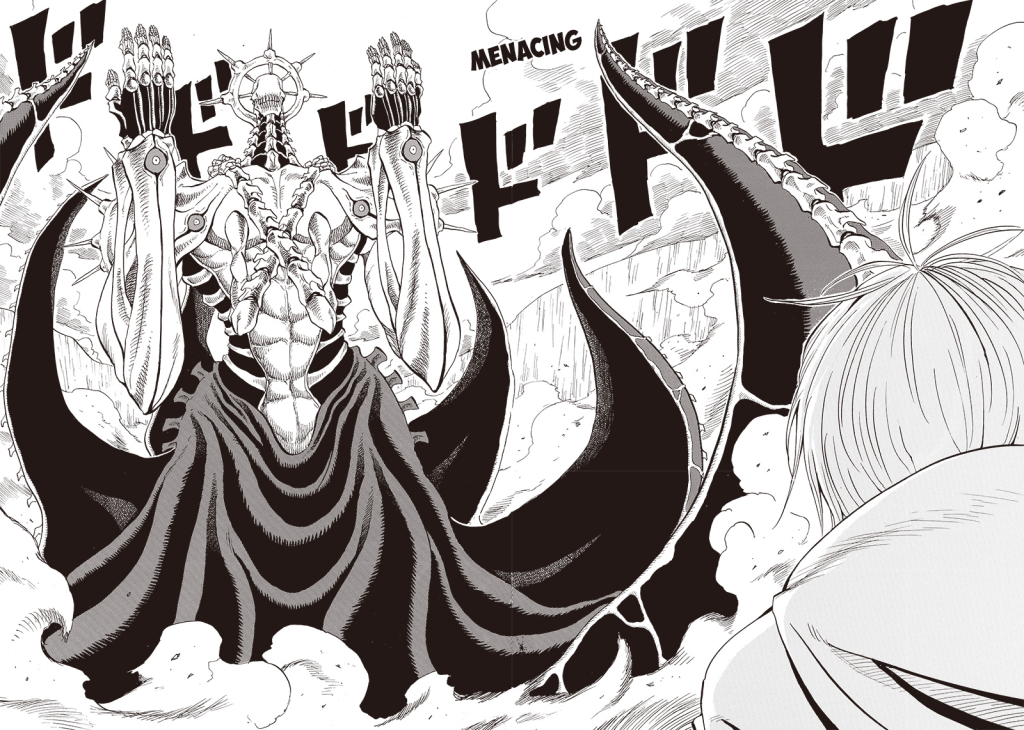
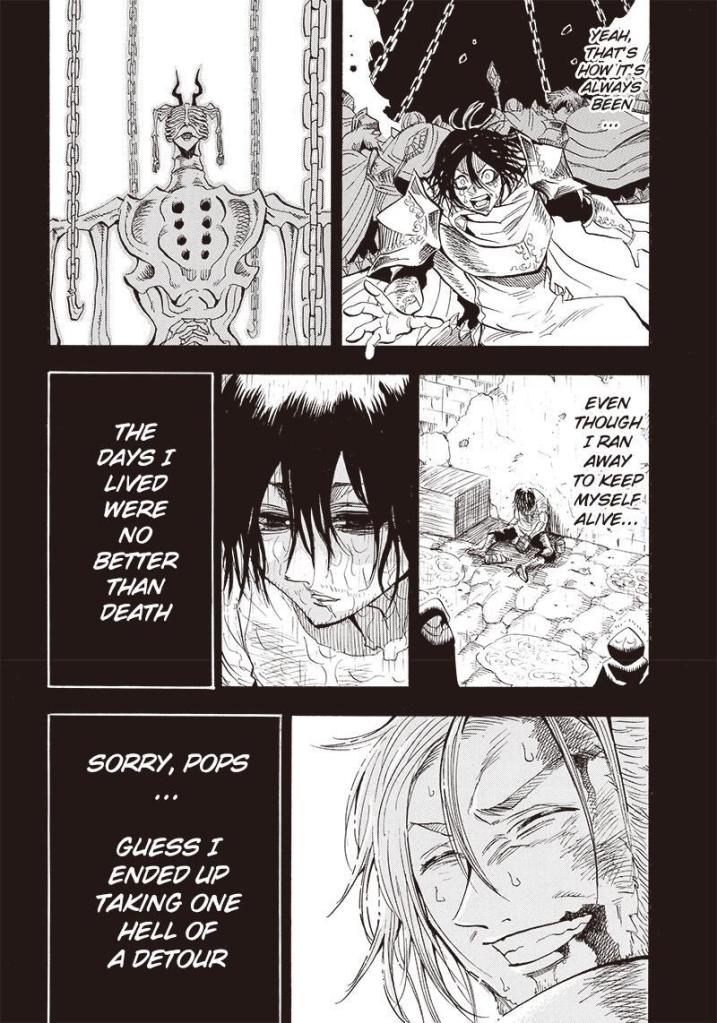
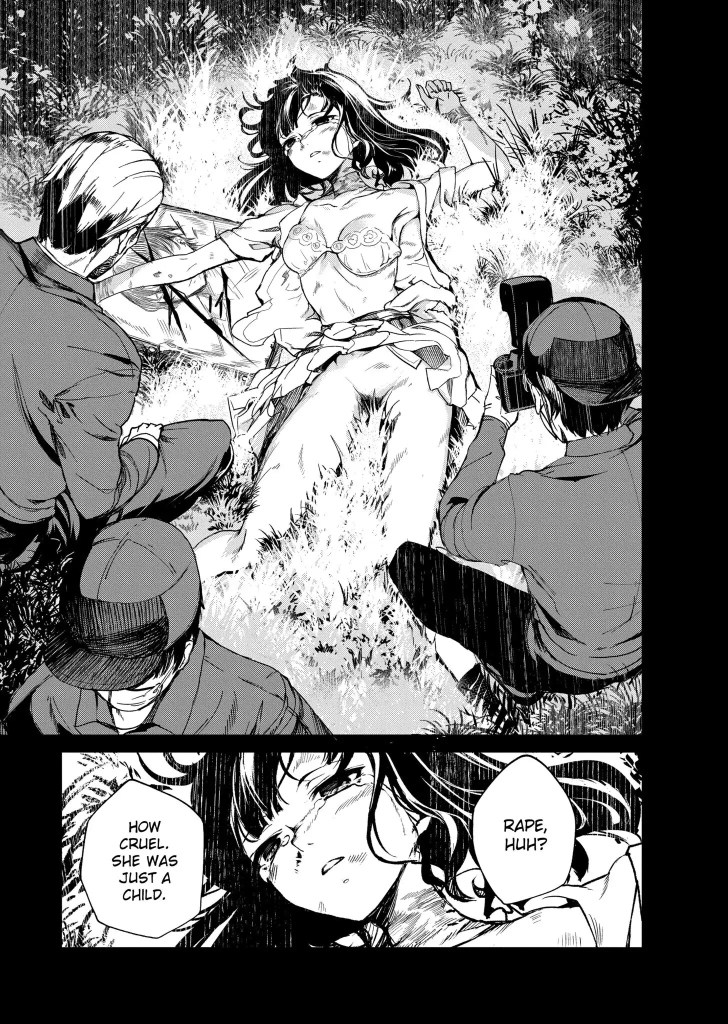
This manga starts with its protagonist being sentenced to death after having killed fifteen people. His childhood friend and love of his life was raped and murdered, so the protagonist took it upon himself to castrate and murder fifteen sexual offenders. I’m not sure if the rapist and murderer of his friend was among them.
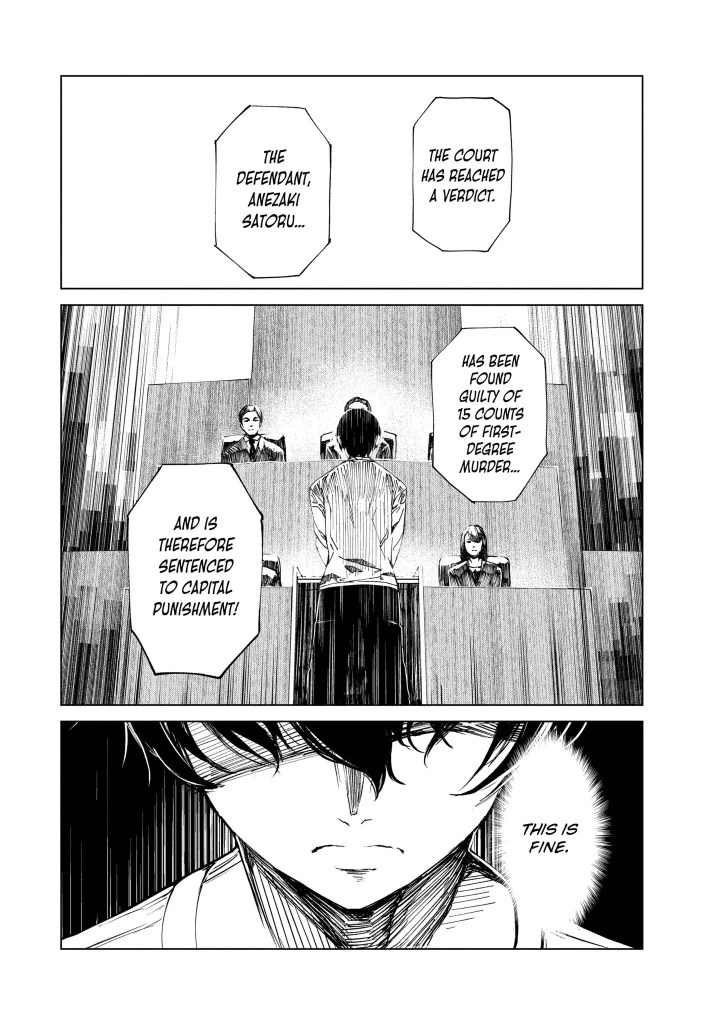
Anyway, the protagonist gets hanged to death.

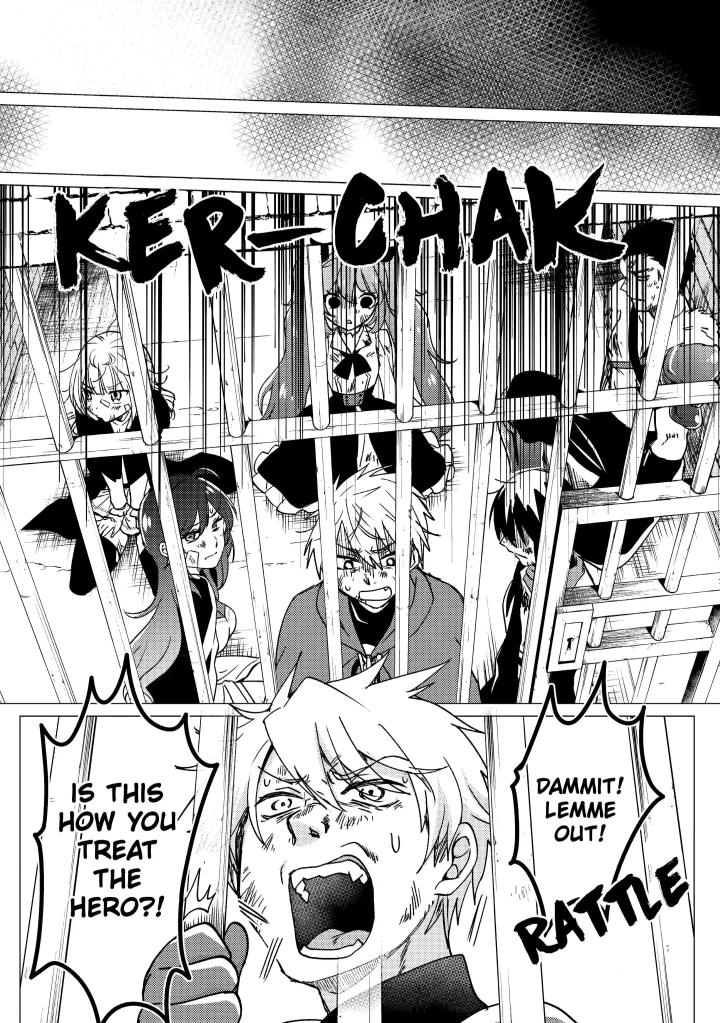
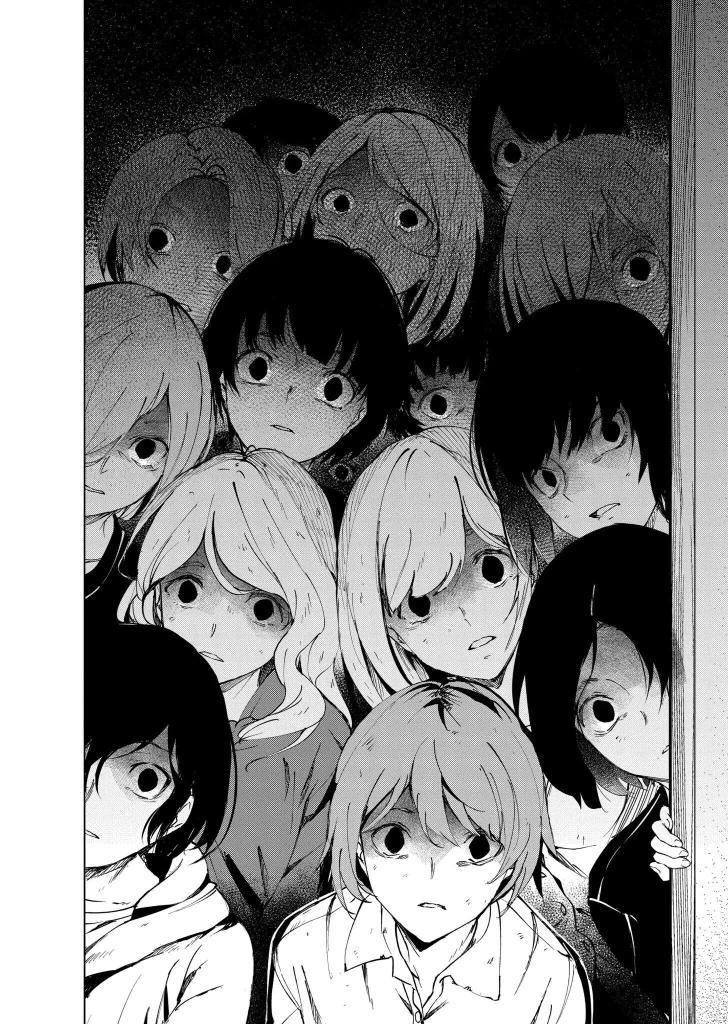
Turns out, this is an isekai, just an unusual one. The protagonist wakes up on a pile of corpses. In the sky, the sun is doing weird shit, looking like an out-of-control nuclear reactor. The first humans he sees are school girls, who proceed to freak out upon seen him, referring to him as a “beast.” One of them shoots arrows at him. After they realize that the protagonist is more or less sane, they agree to let him live by now. Shortly after, the girl who had shot arrows at our protagonist gets raped and devoured by a monstrous man.

We learn that in this alternate reality to which the protagonist got isekai-d, three months ago, a solar flare fucked up men’s DNA or something, turning them into mindless beasts solely preoccupied in what men want to do all the time but only flimsy self-restraint prevents them from doing so: rape, devour and murder women, sometimes simultaneously. All females that the protagonist comes across fear that the guy will do the same to them.

As if the reality that a flare had turned all men into rape-and-murder machines wasn’t enough, plenty of females in this story have complaints to offer about how they were exploited by men even before the world went to shit.

Other women see in the young protagonist a source of healthy semen, and therefore the chance for humanity to survive the apocalypse.

What follows is a mix of The Last of Us (the first game; as far as I’m concerned, the second game and TV series never existed), Attack on Titan, and most zombie stories. The protagonist and his companions come across different ways of trying to survive the post-apocalypse: family affairs; rigid, hierarchical structures; wild anarchy. Along the way, dozens or hundreds of people get raped, murdered, and eaten, sometimes not even by the mutated humans. This story is ballsy as hell when it comes to making even some main characters’ day quite terrible.

The manga touches upon interesting topics. Will the surviving societies be “equal” because only women are involved, or will they turn out to be new systems of exploitation? Does any sense of morality matter when at any point you can get raped and eaten by mutated men with enormous dongs? The protagonist is traumatized by the notion of sex, because his friend was raped and murdered, but isn’t his duty to provide semen to save the human race? In this case, would it be ethical to force him to do so?

I was surprised by how well the author handled the characters. They had distinct personalities and clear motivations, which often conflicted with one another’s. Some start out malicious only to end up sympathetic, or viceversa. Quite a few characters are memorable, including the protagonist, the childhood friend, a semen-obsessed teacher, a sociopathic teen, the anarchic biker girl who wanted to capture ten-year-old mutated boys for sex, etc.

In the end, this lovely tale dishes out what the title promised: rebirth (well, technically reincarnation) and castration. Lots of men lose their penises in creative ways. If any of this sounds like fun, you’ll probably enjoy this ride. I know I did.

Ongoing manga: Rebuild World, by Nahuse

Four-and-a-half stars.

For once, this isn’t an isekai: the story is set long in the future, after some apocalypse about which the survivors are still trying to figure out the specifics. Apparently their predecessors had become so advanced that they were mixing biological engineering with super-AI or some shit, until their industries went haywire and started mass-producing mutated monsters that overwhelmed the world. Those facilities seem to be still active somewhere, pumping out enhanced monstrosities. Seemingly the sole remains of humanity live in a megacity. More accurately, the wealthy live in the megacity. The rest of humanity (or just Japan?) endure in the surrounding slums. Among the unwashed masses, the local badasses are known as hunters, the only ones daring to venture into the wasteland to make their living. Killing monsters is profitable if they’re threatening the city or other hunters, but their main source of income are the relics of the old world: any random underground mall from the pre-apocalyptic world suddenly found attracts most hunters around, that won’t hesitate to murder each other for the loot if necessary.

Meet Akira. It’s a post-apocalyptic Japanese story set in the future, so someone named Akira had to be involved. We are introduced to him as a traumatized teenager who constantly gets robbed and generally bullied by local shitheads. During a monster attack, the guy has enough, and decides to defend himself with a gun against a group who are bound to kill him. Suddenly, a naked female spirit appears, and hovers casually toward him. Akira freaks out until she, who calls herself Alpha, explains that she’s an AI remnant of the pre-apocalypse, and that he’s the only one who can see her because his brain is attuned to the old-world networks still in place, so she can show herself to him as augmented reality. She’s not just a curiosity, though: she can offer Akira superhuman support, analyzing his environment, pointing out enemies, guiding his shots. After she manages to save him from explosions and monsters by telling him to stay put or move at times, he realizes that she’s trustworthy, and that this sexy ghost of the past is his ticket to a better life.

Alpha, as we piece together early on, isn’t that trustworthy. Apparently, for many cycles, she has been finding humans to support. All of those cycles have ended with the subject dying. In the latest one, the subject came close to succeeding in beating some final dungeon that Alpha wants her subjects to clear out, only for some information to have been revealed that made the subject turn against Alpha, who promptly took the subject out. What’s Alpha after, then? Is she on the side of the pre-apocalyptic humanity, who may only want to resurrect the old world no matter how many modern eggs need to be cracked? Is Alpha part of the same AI that mass-produces monstrosities? We still don’t know. Throughout the story, the friendship between Akira and Alpha is heartwarming, but as Akira becomes more and more dependent on her, in the back of your mind you know that she’s going to screw him over in the end. It remains to be seen, though, whether or not Akira would go along with whatever Alpha’s true objective is.

Akira is emotionally stunted. He was orphaned so young that he has no memory of his parents, and all he has known of people growing up is the need to protect himself from sentient wild beasts. As the story advances, he meets people who like him, and would even want to tear his clothes apart and mount him, but the part of his brain that ought to connect to people doesn’t work to any significant extent. Plenty of other compentent hunters see him as an uncaring loner who, despite his competence, is someone to be wary of. The exceptions are a few women in his life to whom he proved himself, and who are eager to take him under their wing and show him their delectable parts to get a rise out of him.

The gals in this story are delicious. Props to the author and the visual artist. From the teenage gang leader Sheryl to the redheaded murderess whose name I don’t remember but who was a super cyborg or something, you want to stare in awe and horniness. Thank you Japan for being you.

This is yet another one of those Japanese stories in which you follow the lives of the characters as they change and grow. Although some personalities clash, they have reasons for doing so. Some chapters are just about having a good time and hanging out with interesting characters that get along, and that’s something I think has been lost in Western stories, that are full of forced conflict and people acting like bastards to each other. As far as I’m concerned, you can rely entirely on the tension born from the story world and concept, as well as from some characters that are genuine bastards, and just have the rest of the crew navigating that while relying on each other.

I’m loving this story. I wish I could keep experiencing it, but I’ve run out of chapters. If you’re into Japanese stories with great action, careful worldbuilding, human stakes, and total babes, this is one of the greats as far as I’m concerned.

Also, why not, here’s an AI-generated short podcast about this review:

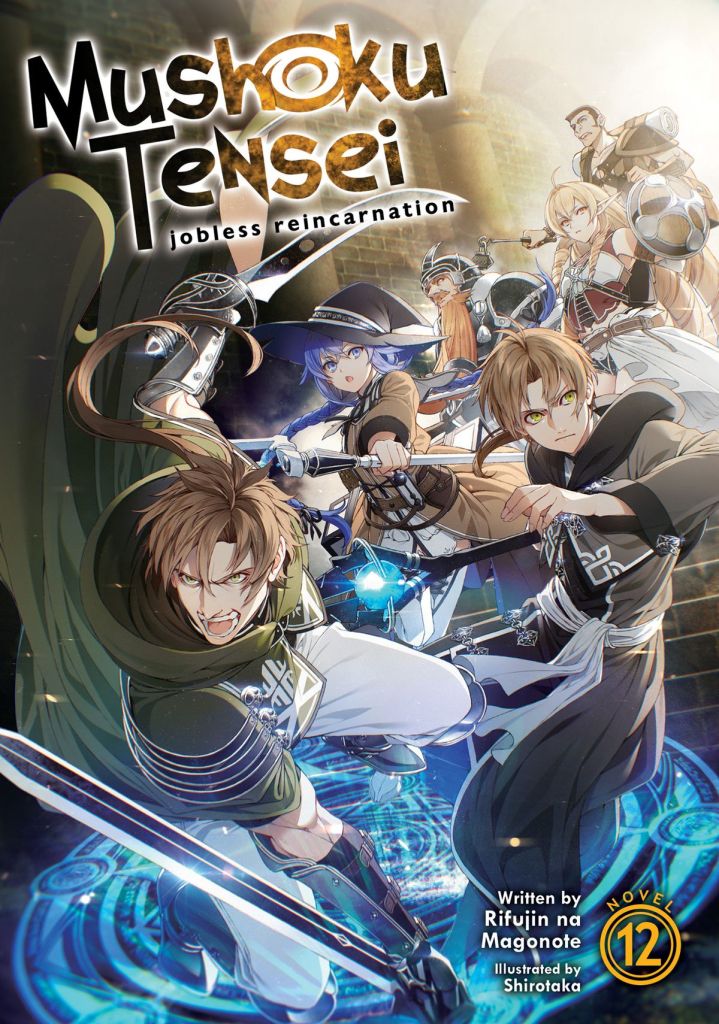
Review: Mushoku Tensei, Vol. 12, by Rifujin na Magonote

Three-and-a-half stars.

I love me some isekai. If you pay any attention to my words, you know this already. It’s the quintessential boys’ fantasy: explore some fantastic places cut off from this repulsive Earth; exploit newly-gained, generally undeserved powers; meet cool people mostly of the attractive, female persuasion then have sex with them; possibly marry one or more of those gals before or after impregnating them; enjoy the fact that you will never, ever have to deal with Earth and its people again.

This time, our hero starts at the lowest point of his life: after two decades of parasitizing his parents as a hikikomori due to relentless bullying in high school, his parents died. Instead of attending the funeral, he spent that day jerking off to child porn (or loli hentai), a fact that bothered his siblings enough to beat him up and throw him into the streets. As he wandered in a daze, the mythical creature known as Truck-kun deigned to make a visit and transport the protagonist, along with a couple of people nearby, to death, and later on to a fantasy world.

Our protagonist gets reincarnated as a baby that retains the memories of his harrowing past life. In this new one he’s Rudeus Greyrat, son of a horny swordfighter and a lively mage, who had retired from adventuring to start a family together. Rudeus is overjoyed by the fact that he’s been given a second chance at life, but mainly that he’s able to suck on a hottie’s tits on a regular basis, and that the grown-ups around him forgive him for his relentless perversion. The anime adaptation did a good job rendering this, as seen below:

Anyway, lots of shit happens, as it tends to do. I read this volume of the light novel to catch up with the anime adaptation, that has just finished its second season. I’m discussing spoilers from now on, so read on only if you already know what happens, or you don’t care to find out this way.

<spoilers>That whole magic displacement incident that teleported Rudeus’ family, as well as the redheaded terror and his childhood elvish friend, to random corners of the world, has led him to organize a spelunking raid to a teleporter labyrinth where his mother is supposed to be trapped. We accompany Rudeus along with his scumbag father Paul, blue-haired loli and magician Roxy Migurdia, their monkey-man scout, a gay dwarf, and a promiscuous grandma as they bond with each other and fight monsters. First they rescue Roxy, who falls in love with adult Rudeus because he saved her from the brink of death. Finally they face a hydra, and although they defeat it, they suffer a devastating loss. Rudeus also ends up maimed.

The biggest difference from the anime adaptation happens when they’re nursing their wounds back at the inn. Rudeus is depressed in a similar way as he’s been in the past (for example during his episode of erectile dysfunction). This time, Rudeus’ grandma-in-law suggests Roxy that she should fuck Rudeus to get him out of his funk. In the anime, Roxy drags Rudeus to bed and mounts him. In the original, she’s about to stand up when Rudeus pulls her down and fucks her roughly. He barely considers the fact that he’s cheating on his pregnant wife. Later on, his grandma-in-law deceives our protagonist by stating that he’s impregnated the blue-haired magician, in order for him to take responsibility, as the Japanese love to say, and make Roxy his second wife. Other than those significant changes that made me lose some respect for both characters, the anime adaptation is faithful to the rest, even verbatim for plenty of the dialogue. The author is involved with the adaptation, so maybe those changes are a very late revision of the original work.</spoilers>

What else can I say? If you like Mushoku Tensei, you’ve likely watched the anime, so you knew what to expect from this volume. This is a story about the pains and struggles of growing up, rising from rock bottom to becoming a more or less respectable family man, processed through the Japanese charm you know and love (if you know and love it), and free from the politics that have corrupted every aspect of Western culture. This story also makes polygamy quite appetizing.

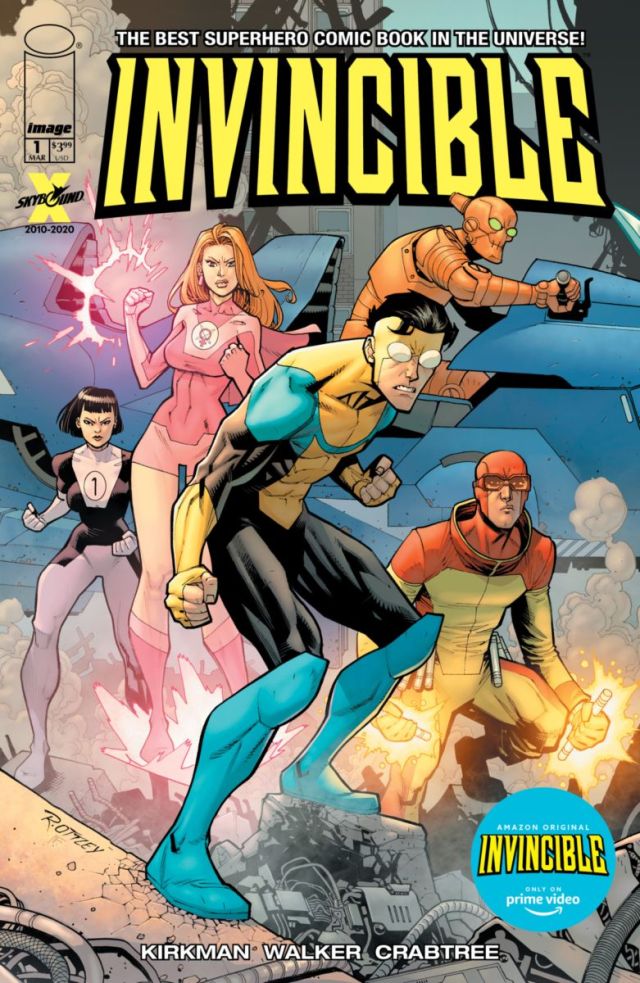
Review: Invincible, by Robert Kirkman

Five out of five stars. I’m reviewing the whole series.

Like many people, I first became aware of Kirkman’s Invincible through its animated adaptation. I was hooked on the show from the first episode, that set itself up as a charming, seemingly typical superhero narrative about a teenager, named Mark Grayson, whose dad is basically that world’s Superman, only to whack you with a brutal ending that promised a story far from normal. Here’s the clip of that pivotal scene, which serves as the story’s first major plot point. In case you want to spoil it for yourself. It gives you a good idea of the kind of superficially goofy but dead serious story Invincible is:

Getting through the animated series was a struggle at times: painful attempts at humor, cramming in woke points, race-swaps only in one direction (turning the very white, very blonde Amber into a black ballbuster whom comic-book Mark would have never dated was a particularly egregious one), and in general the kind of marxist garbage you can expect from any major cultural production these past couple of decades (if you agree with any of that, please go away). While the adaptation surpasses the original when it comes to the choreography of the fights, virtually everything else is worse, and now that I’ve read the original, that adaptation feels almost insulting.

Anyway, Invincible tells the self-contained tale of a powerful, brooding, and hot-headed young guy that strives to use his abilities to do good for others and protect the people he cares about, but he struggles with the fact that the world is far more morally complex than he’s prepared to accept: does someone who killed thousands, whether deliberately or through poor choices, deserve forgiveness if they repent? Is it right to exploit a villain’s abilities for good, despite their crimes? Can you forgive someone who endangered your loved ones for what they perceived as the greater good? At the core, many of the characters, starting with the protagonist, understand that their nature is dangerous, that a few unlucky events or misguided decisions could turn them into forces of evil ready to destroy everyone around them.

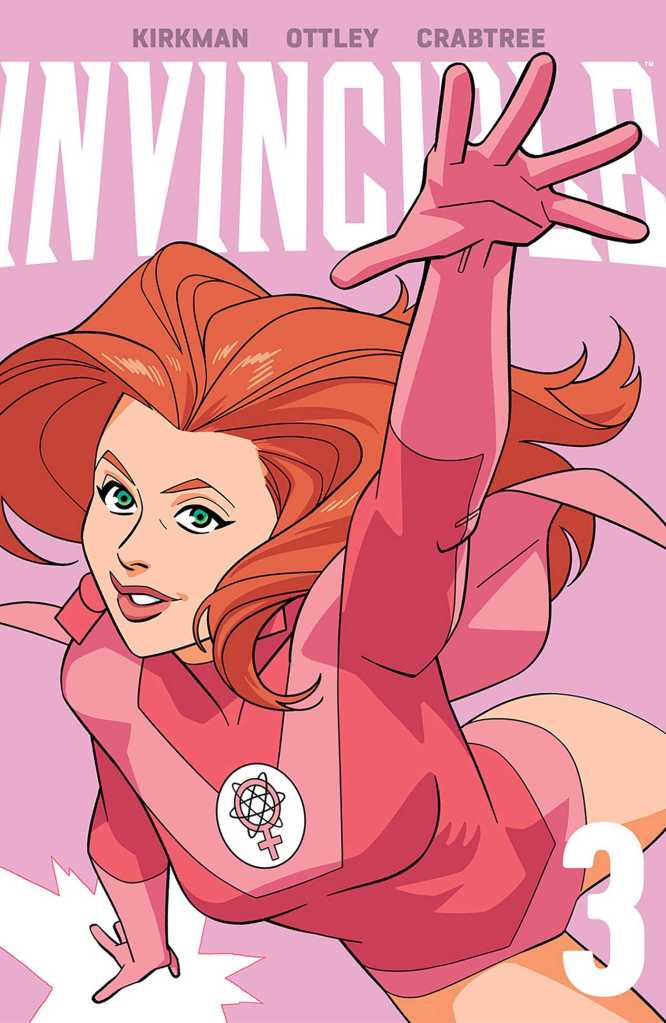
We first meet Mark Grayson as a high school student, but by the end of the story, it has brought you on an epic journey that makes the beginning near unrecognizable. Many of the characters feel real and have been given compelling character arcs. Notable among them are the gorgeous redhead Atom Eve, a headstrong, resilient woman who can alter the atomic composition of damn near anything; Rudy “Rex” Robot, a guy born extraordinarily intelligent yet hideously deformed, forced to interface with the world through mechanical constructs, who fears that his logical detachment will end up causing harm; Monster Girl, a no-nonsense thirty-year-old whose transformations make her younger each time (she’s also the most terrifying futanari in the universe); the protagonist’s father, who struggles with his upbringing in a Spartan-like space society that despises weakness, almost especially familial ones; an immortal dude who has lived for such a long time that he prefers to keep everyone at a distance, lest the mounting grief destroys him (he was also Abraham Lincoln); the government agent constantly forced to make unsavory decisions, potentially enraging his contacts, in order to save the world at any cost, etc.

Throughout the story, I often feared for the characters’ lives. Many meet permanent and often brutal ends. I wished for them to just get along and have a good time, only for the next crisis to bash against them. Plenty of times I echoed the protagonist’s words right after a tremendously costly battle, when he cried out, “Oh god, what now?!” because the next threat burst in immediately after. You experience these people building strong bonds with each other, only for disasters, threats, or their own conflicting decisions to pull them apart in painful ways. I was hooked, devouring the series day after day, nearly missing my train stop a couple of times.

The story isn’t exactly perfect to warrant a five out of five, although I don’t have much in particular to nitpick. At times it had me wavering between four and four-and-a-half stars. But looking back at the ride, from a teenager playing superhero with undeserved powers to a profound tale about family and the importance of building strong bonds, it feels so dense and carefully woven that it deserves nothing less than a five from me.

I wish there was more Invincible out there to consume beyond the bastardized adaptation, but the limited nature is part of its brilliance: this isn’t a corporate comic book with repetitive, resettable storylines. Mark Grayson’s fascinating story of hard-earned growth was one of real stakes and permanent losses, and it ended precisely when and how it needed to. For me, the ultimate superhero story.

Review: Sputnik Sweetheart, by Haruki Murakami

Three and a half stars.

Let’s focus on the most memorable character of this strange little tale: a young adult named Sumire, who dropped out of college to pursue her dream of becoming a published author. She’s disorganized both in her personal upkeep as well as her approach to writing: she can start or finish stories, but not both. She suspects she will never become a pro, but can’t imagine doing anything else, and when she turns twenty-eight, her parents will stop financing her lifestyle.

She’s used to calling the narrator at odd hours of the night to discuss her worries and seek his guidance, even though the guy is a school teacher and could use the sleep. However, they’re each other’s only friend in lives that have been characterized by solitude and detachment. Sumire is unaware that the narrator is in love with her, or pretends that she doesn’t know, but she can’t reciprocate his feelings because she’s in love with a Korean-born woman who’s about fifteen years older than her.

The little there is plotwise (not that I mind; I tend to dislike convoluted stories) involves the Korean woman, named Miu, hiring Sumire as an assistant; the lady runs a wholesale business that buys wine from fancy places and sells it in Japan. Even though Sumire fears that keeping a job will wreck her literary aspirations, she surrenders to the flow of a routine that allows her to spend her days with her beloved Korean mommy. Soon enough they’re jet-setting all over the world.

The narrator fears that he’s going to lose Sumire. She writes him a letter from Rome, but shortly after he stops receiving news from her. Suddenly, the Korean lady herself calls him: he’s to abandon everything he’s doing in Japan and hurry to a small Greek island, because something has happened to their friend.

That’s all I want to reveal about the plot. My favorite parts of this story take place in Japan, when Sumire and the narrator are interacting. Murakami knows how to weave a spell when he’s letting you experience the private lives and interactions of his characters, who are usually lost and trying to understand themselves as well as the world they have found themselves in. His Norwegian Wood reached the heights in that regard, as far as I know from his works. But as in plenty of his other stories, Murakami introduces supernatural elements that for me weren’t supported by the story, and that distanced me from the characters. Even though Norwegian Wood made Murakami a known author (and a millionaire), it’s perhaps one of the least Murakami-ish books of his. Worse yet for me: often the supernatural elements he includes feel random, as if he came up with them during freewriting but couldn’t make them fit in, or didn’t care to do so.

Murakami’s writing also has this thing in which he’s on the verge of saying something profound, of hitting some transcendental point, only to screw it up with a few lackluster phrases that don’t say much of anything. I don’t recall how common that was in Norwegian Wood, but I had that impression quite a few times during this story. The narrative also features texts written by Sumire, and it didn’t help that her style annoyed me.

My least favorite element of the story was the narrator himself. Murakami’s male narrators are often bland, tepid, non-committal, and the one from this novel I’m reviewing is the epitome of those, that I can recall. His opinions seemed vague, unconvincing, held because they wouldn’t require him to take a firm stance on anything. I had a hard time understanding why Sumire would care so much for him. Worse yet, his morals were beyond questionable: all his girlfriends were other men’s girlfriends or wives, and he let a shitty little kid get away with his kleptomaniac ways for reasons that for me had more to do with dislike of authority.

The main theme that Murakami was playing around with centered on the notion that some people are doomed to a life of solitude, and that their instances of true contact with other alike souls will be fleeting, like two satellites briefly passing each other. By the end, the story left me feeling empty, as if something important had been lost along the way, so good job for capturing that impression.

Here are some quotes from the book:

Why do people have to be this lonely? What’s the point of it all? Millions of people in this world, all of them yearning, looking to others to satisfy them, yet isolating themselves. Why? Was the earth put here just to nourish human loneliness?

I dream. Sometimes I think that’s the only right thing to do.

And it came to me then. That we were wonderful traveling companions but in the end no more than lonely lumps of metal in their own separate orbits. From far off they look like beautiful shooting stars, but in reality they’re nothing more than prisons, where each of us is locked up alone, going nowhere. When the orbits of these two satellites of ours happened to cross paths, we could be together. Maybe even open our hearts to each other. But that was only for the briefest moment. In the next instant we’d be in absolute solitude. Until we burned up and became nothing.

The answer is dreams. Dreaming on and on. Entering the world of dreams and never coming out. Living in dreams for the rest of time.

We each have a special something we can get only at a special time of our life. Like a small flame. A careful, fortunate few cherish that flame, nurture it, hold it as a torch to light their way. But once that flame goes out, it’s gone forever.

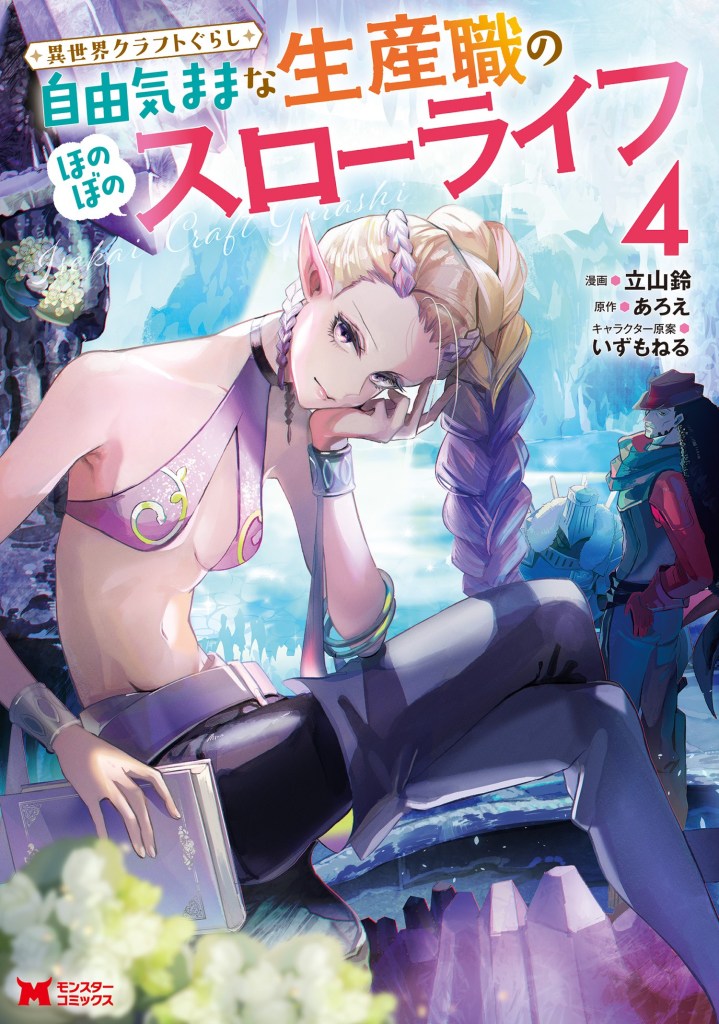
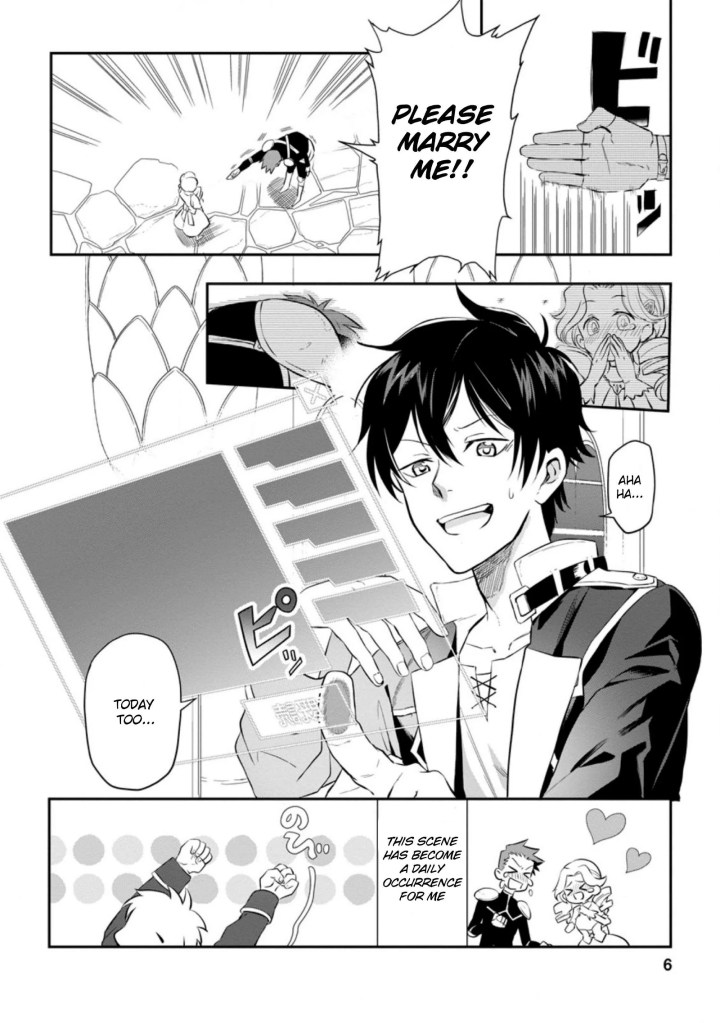
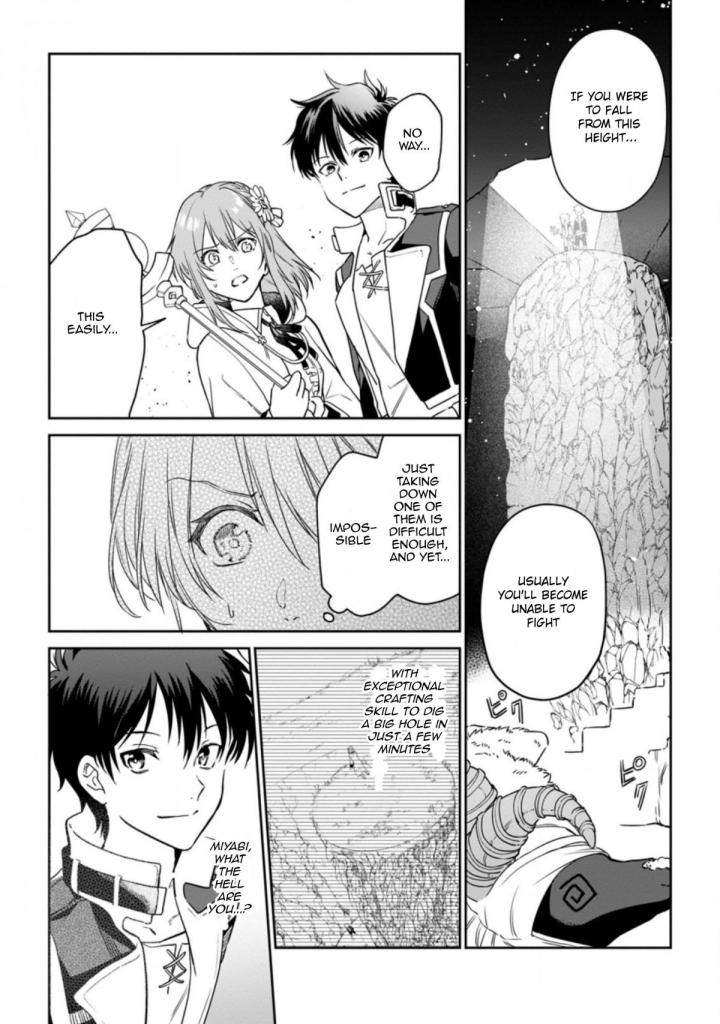
Ongoing manga: Isekai Craft Gurashi Jiyu Kimamana Seisan Shoku No Honobono Slow Life, by Aroe

Four stars. The title translates to “The Heartwarming Slow Life of a Free-Spirited Production Worker.”

This is yet another title in the isekai sub-genre of “let’s contrast how shitty my life on Earth was by having a good ol’ time in this fantasy world.” When this series started, I expected it to be completely mediocre, but it surprised me with its character work and sense of humor.

The story follows an overworked Japanese salaryman in his thirties, who works at one of those Japanese companies that require you to wear a suit and tie, and to die inside. Wanting to remain human, he exercises his architectural talents in an online VR game. His buildings are so popular that they’re regularly used as backgrounds for wedding proposals by the kind of people who would propose to someone in a video game. Anyway, the godess of love or some shit contacts the protagonist through the game and offers to send him to a new world where he may be able to have a good ol’ time.

He finds himself in your average isekai fantasy world, based on Central Europe during the post-medieval period, but including monsters and sentient fantasy races of the Tolkienesque variety plus beast people. His abilities back on Earth have been turned into vastly overpowered skills: previously a crafty fellow, he’s now the most talented builder person around. He has also access to a warehouse-size inventory in some private dimension, along with the kind of Minecraft powers that allow him to dig through a mountain easily. Although initially he’s a bit freaked out, and tries to remove the VR headset in front of confused fantasy people, he quickly gets used to a life that won’t involve working at a Japanese company.

Like in many other isekai, first cute girl he meets, who is usually the first female at all he meets, becomes the intimate option. In this case, with the guy in his thirties even though his new body doesn’t suggest it, they establish a sort of father-daughter relationship with no incestual undertones. Because she helped him, a broke guy with no ID, to get around in that new world, he imprints on her (or is it the other way around?), and is happy to follow her on her adventures as long as he has the opportunity to make her comfortable. By that I mean stuff like cooking restaurant-grade food for her every day, or producing entire houses out of his inventory whenever they need to take a rest in the wild.

Still, she doesn’t fall for him, which may have to do with the fact that she has a questionable relationship with the older female receptionist at the adventurers’ guild; this girl even calls “dates” her outings with the receptionist. Oh well, can’t fix nature.

Plenty of the plot so far involves the protagonist wanting to enjoy a slow life in this new fantasy world, only for people to take notice of him because of shit like stacking the processed meat of eleven orcs on the guild receptionist’s desk, or earning about a year of his previous salary in Japan with a single quest. Soon enough he attracts the attention of the local duke, and a troublesome party of adventurers.

This story is fun, and I like to have fun.

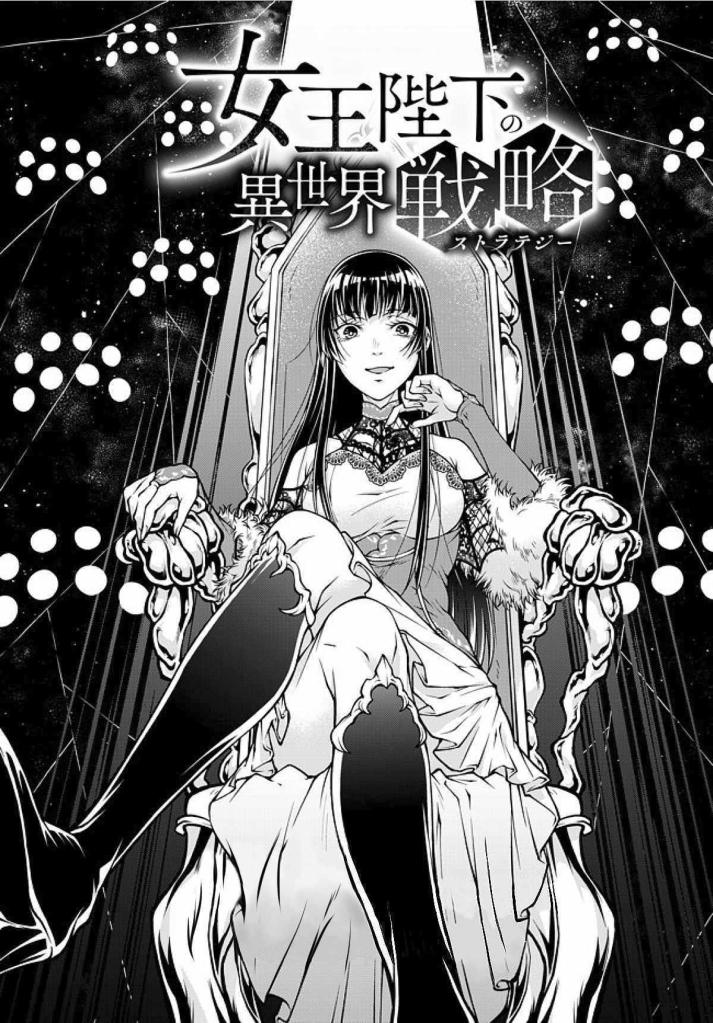
Review: Joou Heika no Isekai Senryaku, by Eiri Iwamoto

Four stars. The title translates to “Her Majesty’s Swarm” (supposedly; I don’t see the word “isekai” in there).

Our protagonist is an eighteen-year-old Japanese recluse who spends her days playing a strategy game set in a fantasy world. She’s particularly fond of the evil faction, one focused on “zerg rushing” with a horde of spiderlike monsters. Anyway, one random day, she either dies or just arbitrarily gets transported to a fantasy world (all these isekai stories are blending together).

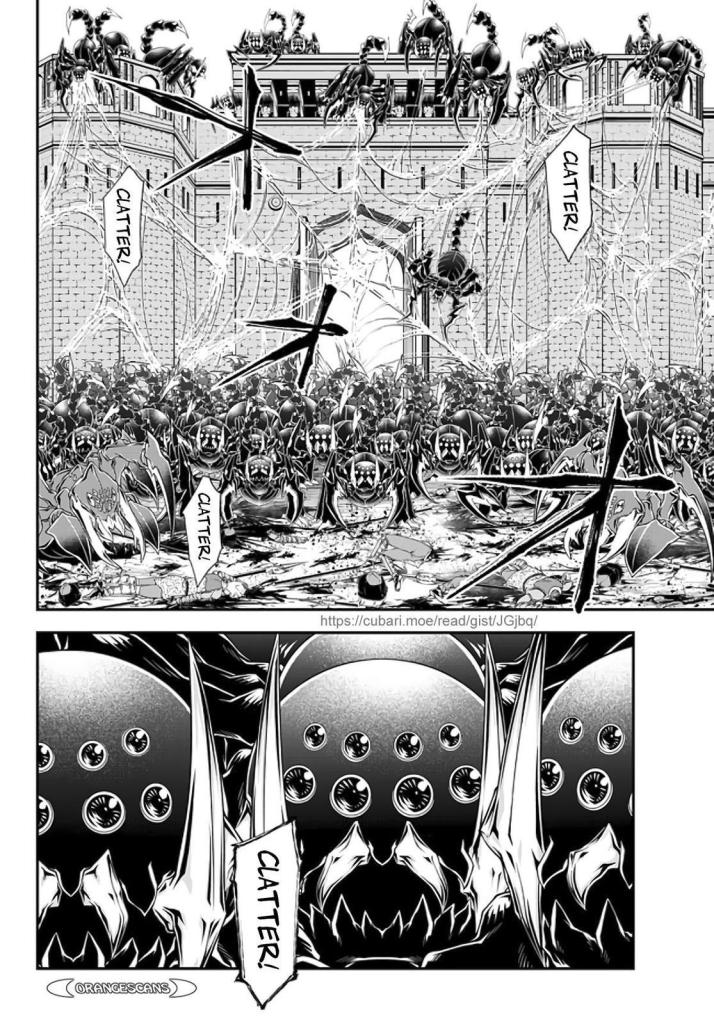
She finds herself as the real-life queen of a horde of spiderlike monsters, the same kind that she commanded to victory in the game. They operate as a hive mind, and she quickly realizes that with herself set at the middle of that web of consciousnesses, she may end up dissolving into the collective.

After an encounter with some local elves, she discovers that this world has never seen monsters like the ones she commands: she hasn’t only been transported to a fantasy world, but to one where her own game faction doesn’t belong.

What should be her goal in this fantasy world, where she has no business existing? She figures that she may as well focus on the same goal she pursued in the game: absolute victory. But is such a victory palatable when she’s going to look into the eyes of the people she’s supposed to slaughter?

The protagonist struggles to retain her humanity by dividing the world into victims and oppressors. She refuses to unleash her horde of spider monsters into someone merely because they annoyed her or because it would be convenient. However, one day, a neighboring country makes the regrettable mistake of fucking with her, and for the spider queen who increasingly cares less about losing herself to the collective insectlike hunger, that means one thing: a genocidal war that won’t spare even children.

Apart from the protagonist, the only other main person the reader could connect with is the queen’s spawned hero unit, her sole knight, a devoted half-woman half-spider who is more than eager to slaughter every single living thing in her path as long as her queen demands it. I found her quite enjoyable.

This story, determined to pull a “downfall” kind of arc for her initially normal protagonist, pushes us to empathize with the hapless human inhabitants of the kingdom that finds itself in the crosshairs of the horde. They’re a zealous bunch that believe themselves under the protection of a god of light, and they actually are, since their higher-ups can summon angels at will; they nonchalantly show up from the heavens to try to save the day. While bigoted against any infidel and heretic, their perspective allows the reader to feel the absolute horror of facing an onslaught of previously unknown monsters rushing through your lands, consuming everything and everyone in their path.

I found the ending quite haunting. In general, this shortish story (around forty chapters) left me feeling a bit ill, I don’t know if it was the constant gore, the extreme hopelessness of it all, that something I ate didn’t agree with my stomach, or a combination of such factors. I do recommend this story, but I vastly prefer isekai in which the protagonist has a good time without attempting to ruin the world in the process.

Ongoing manga: Grand Dwarf, by Saito Naotake

Four stars.

The story introduces a seventy-year-old master machinist who’s on his last leg as a professional, having to deal with corporate punks that intend him to accept unreasonable conditions.

He suspects he’ll end up on the streets soon, old and alone. How would he spend the rest of his life? Thankfully he doesn’t need to worry about it, because he suffers a heart attack and dies.

This story is one of the apparently millions of isekai out there. What’s an isekai, you ask? For whatever reason, the Japanese created a genre based on the notion of a Japanese person getting transported to a fantasy world, where they’re bound to enjoy a cooler new life. I don’t know what that says about Japan, but in my case, I love stories about exploring bizarre new worlds filled with colorful people and monsters, going along with a protagonist generally so overpowered that they might conquer the world if such were their preference.

Our seventy-year-old protagonist finds himself as a young man with vastly enhanced skills related to his decades of experience as a machinist, allowing him to surpass even the fabled Dwarves of legend (hence the title). For whatever reason, his workshop also gets isekai-d along with him; that’s a new one. Anyway, first fantasy person he comes across is a one-handed, scarred gal who was dismissed from a party of adventurers (a relatively common trope). A healer by trade, she has no choice but to train her offense if she’s to honor her late mom, one of the former heroes of this world.

The protagonist, charmed by her determination, asks her to lend him her magic staff. She’s a pushover, so she accepts. A couple of weeks later she finds out that the master mechanist has turned her staff into a futuristic gun capable of one-shotting the worst monsters around, and is even capable of healing for some reason. The protagonist’s overpowered skills allow him to gather and process the most hardcore materials easily, which he proceeds to turn into weapons of a quality that his new world has never seen.

One of the main joys of this manga series, apart from its art style and character designs, involves following a self-assured, old Japanese artisan that’s having the time of his life in this fantasy playground, to the dismay of the locals that he ends up dragging to face monstrous horrors.

Character work is quite strong so far, with a couple of redemption arcs that I enjoyed a lot. As in plenty of if not most other isekai, the protagonist and his team are gearing up to kill the demon king, whatever it’s called in this story. I don’t recall having actually seen such a feat achieved in any of the isekai I’ve read in the past few months, unless the story starts with the protagonist having already won. Oh, well; joy’s in the ride.

I recommend this one if you enjoy peculiar protagonists, cool designs, and having fun.

Review: Kimi wa Midara na Boku no Joou, by Mengo Yokoyari

Three stars. The title translates to “You, My Lewd Queen.”

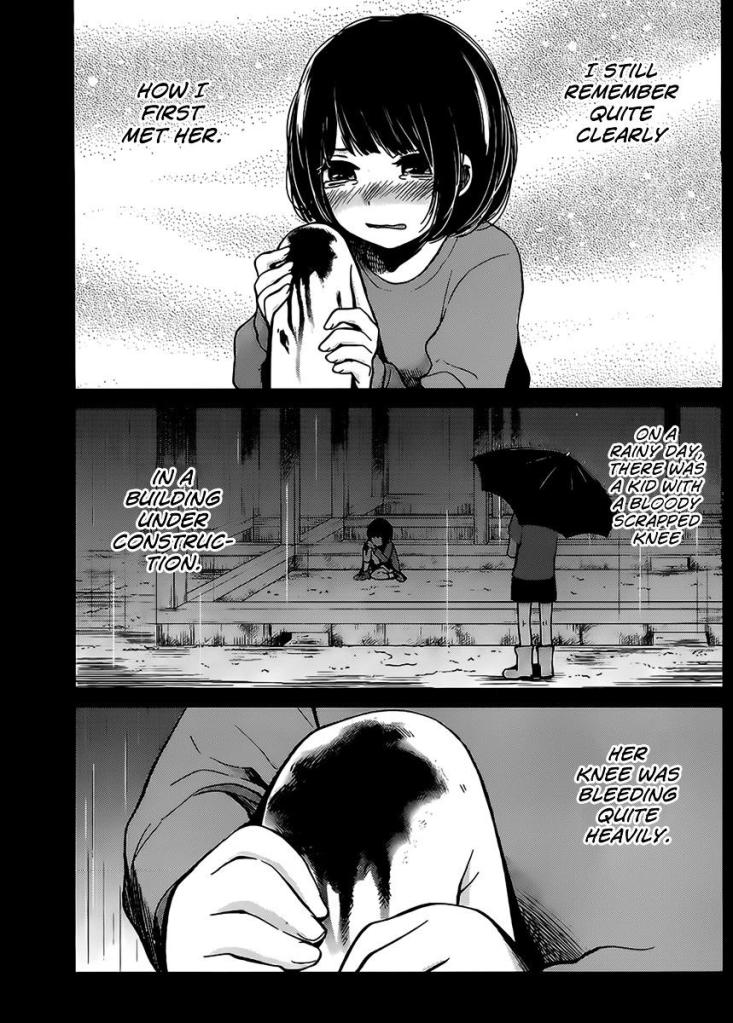
Picture an ordinary male teenager who, as a kid, met an injured girl and tended to her wounds when nobody else would. Such a pure act sparked love in the girl, who proceeded to spend most of her tomboy years with said dude.

Unfortunately, she’s the daughter of some rich man who intended to send her to a private school that our unremarkable protagonist couldn’t afford, unless he excelled at his studies. He did bust his ass, and ended up attending the same school as his love interest, only to find out that the previous tomboy had become a prim, beautiful lady that wouldn’t spare one second of her precious time for our ordinary protagonist.

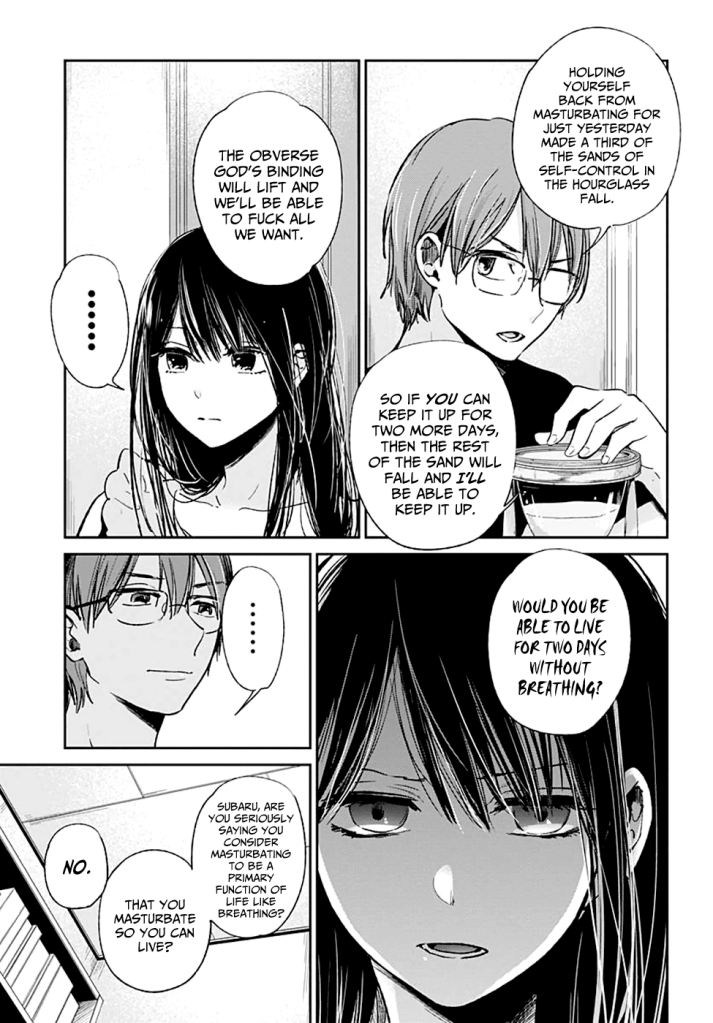
Cue the concept of this story: some dumb urban legend actually works, and his room ends up connected to hers even though they are in different dorms. The minor god who granted that wish possesses a pillow to inform them of the price to pay: because she was the one who asked first for their rooms to be connected, her self-control will be removed for an hour each day.

The male protagonist comes to learn that he’s in love with a single-minded gal.

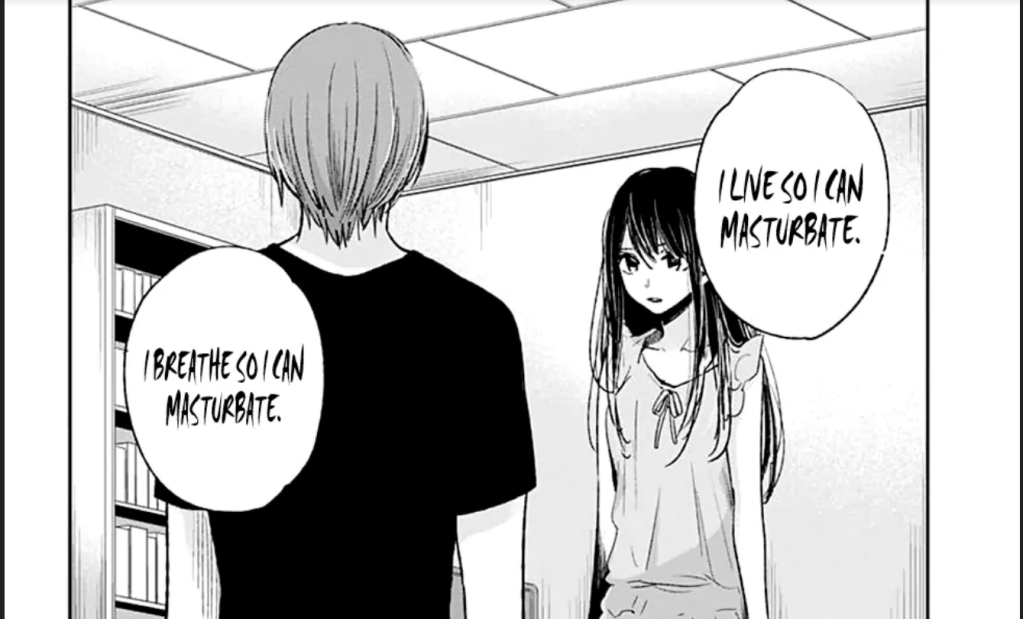
Our female protagonist, who is probably not even sixteen yet, masturbates compulsively about ten times a day, about three if she’s sick. She has remained madly in love with the protagonist; although her tsundere ways won’t allow her to admit it freely, once her self-control is removed, she happily proclaims to the world that she can’t wait to end up covered in our boy’s sperm. If he impregnates her, even better. We are treated with many creative scenes of her struggling to contain her compulsive masturbation, or finding artful solutions to satisfy it: for example, while her thumbs are zip-tied behind her back for reasons, she proceeds to rub her soaked parts against a table leg.

This isn’t the most ridiculous story I have ever read, but it does come close. And it just happens that I’m in the market for obscene silliness that doesn’t give a fuck about anybody’s boundaries.

Ongoing manga: I’m Glad They Kicked Me From the Hero’s Party… But Why’re You Following Me, Great Saintess?, by Renge Hatsueda

Three and a half stars.

So many stories get produced yearly on the Japanese internal market (made by the Japanese for the Japanese), that tropes and anti-tropes and anti-tropes for the anti-tropes have been explored. For example: using absurdly long titles for fantasy stories. This tale, like many others in its general genre, features a party of heroes that are supposed to save the world or whatever, but the story starts with the protagonist getting kicked out of that party because he’s perceived as useless.

I’ve come across a surprising number of manga series that feature that anti-trope, and most of them launch into a revenge-focused narrative. As the anti-trope for that anti-trope, our chill protagonist doesn’t give a shit about being kicked out of the hero’s party, or more accurately, he takes it as a father would if his annoying kids started flying the coop: he hopes they have learned enough for the horrors they’re about to face on their own.

In fact, the protagonist is far from useless: he was the strategist and god-tier buffer of the party, capable of turning an average party into a force to be reckoned with. One of the most entertaining parts of this story so far involves witnessing how the hero’s party, comprised mainly of mean-spirited idiots, slowly realize that they’re hopeless without the man they drove away.

Regarding the protagonist, as soon as he gets dismissed, he embarks on more or less episodic adventures loosely tied together by the notion that some unseen hand is manipulating the events. Even though the guy gets mocked and sneered at by most people once they learn that he got kicked out of the hero’s party, he calmly makes them realize his power through good deeds that unite the community. He’s quite an inspiration in that regard.

Anyway, this is yet another of those Japanese stories that fulfill the common daydream of amassing a harem of attractive and powerful women who will eagerly murder your enemies. The ladies in this case are a feisty dragoness in humanoid form, a big-breasted saintess, a mythical female wolf in humanoid form, and a disguised princess who was chosen by a holy spear. We are introduced to each of these ladies in episodic adventures, which goes a long way to get us acquainted with their peculiarities.

This manga series is a lot of fun so far, not a masterpiece or anything, but features cool action and entertaining interactions. As far as I know, it’s adapting a novel, so it should have plenty more to go. In any case, these uniquely Japanese tales serve as great bulwarks against the armies of night, for which I’m forever grateful.