
I’ve just posted chapter 118 of my ongoing novel We’re Fucked. Those of you who are fans of prehistory may have caught on to the fact that Leire stepped into one of the enclosures at Göbekli Tepe (technically, a mix of Göbekli Tepe and its sister site Karahan Tepe). I get the feeling that most people remain unaware of this ancient culture that was building fascinating stuff at the end of the Ice Age, and possibly during.
Göbekli Tepe is located in Anatolia, modern day eastern Turkey, and was unearthed in the nineties, but its significance wasn’t understood until later. They were able to carbon date the enclosures: they had been buried for ten thousand years, and therefore uncontaminated. The complex, only five percent of which has been unearthed (we know through ground-penetrating radar that the rest exists), had been in use for about a thousand five hundred years. 11,500 years ago points to the end of the Younger Dryas, the extremely anomalous climatic period that ended the Ice Age. It’s also, incidentally, the date that Plato set for the sinking of Atlantis, based on what Egyptian priests told to a Greek lawmaker and ancestor of Plato’s.
The Younger Dryas, that lasted from 12,800 years ago to 11,600, if I remember correctly, was the most deadly period of extinctions in the last six million years; about 65 percent of all animal species bigger than a goat went extinct. The global sea levels also rose about 120 meters.
An at least 11,500-year-old man-made complex, as it’s the case of Göbekli Tepe, was particularly troublesome because it looks like this:
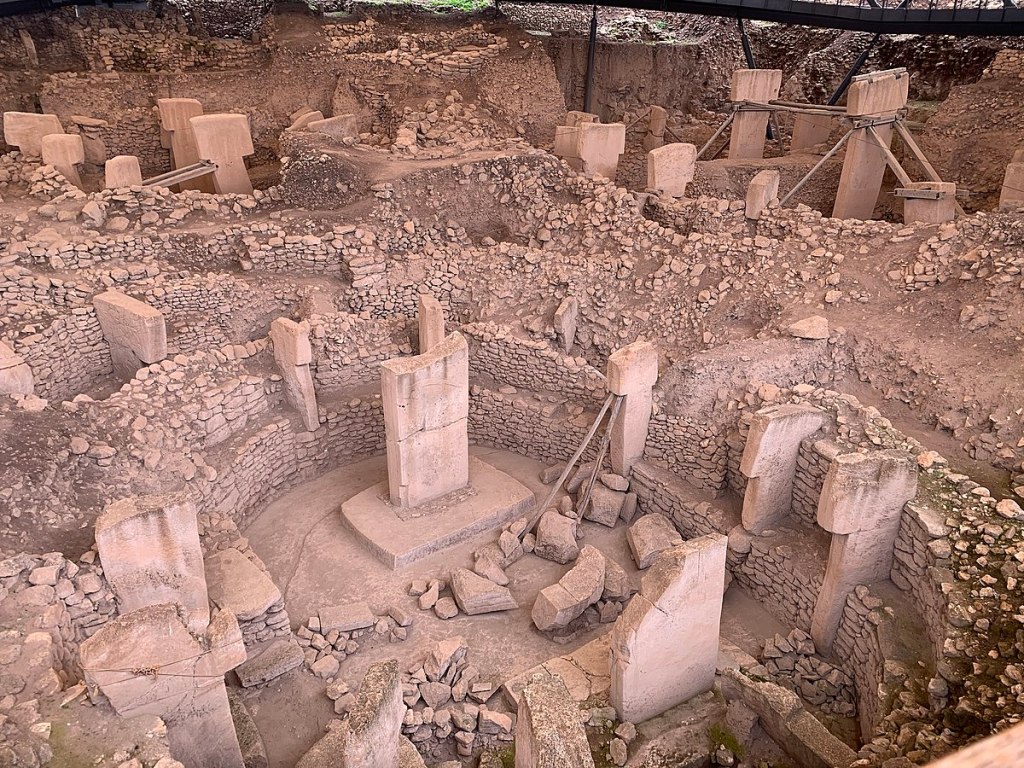
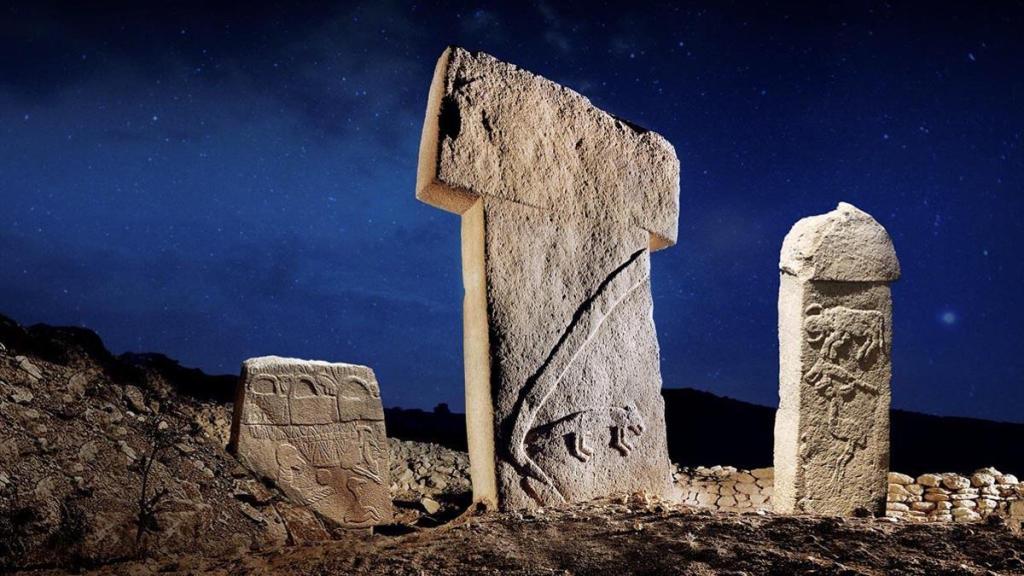


This site was built about six thousand years before the Sumerians existed, about nine thousand years before the pyramids of Giza were built (officially; I won’t get into that). Back during Göbekli Tepe times, people were supposed to be simple hunter-gatherers who followed migrating herds around; nowhere near sophisticated enough to sustain an artisan class capable of carving in relief such sculptures. That requires a civilization.
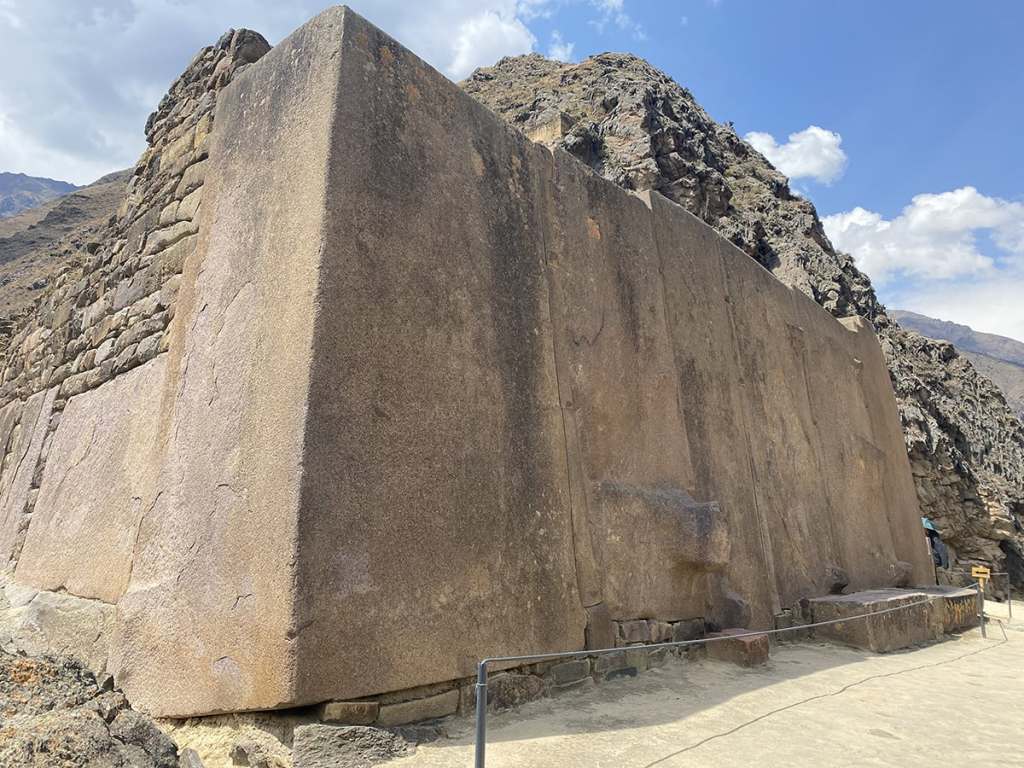
Due to the power that the Abrahamic religions exert over our shambling zombie of a civilization, religions for which the notion of things being six thousand years old is important somehow, the establishment will need to be dragged kicking and screaming to reality. There are many, many sites along the world that feature distinct architectural periods, with the oldest being the most sophisticated and hard to make (you can see this at Macchu Picchu, Ollantaytambo, Sacsayhuaman, Tiwanaku, numerous sites in Egypt, to list just some examples), that can’t be attributed to the level of technology that the inhabitants of the area were supposed to have. Also, the most sophisticated work appearing out of nowhere and immediately collapsing in quality goes against everything we know about technology.

As some have pointed out, the most striking pillars at Göbekli Tepe may be older than the enclosures; only the “mortar” found in the walls, made out of stacked slabs of stone, has been carbon dated, but the walls were built to support some of the pillars, and they feature benches made out of broken pieces of carved pillars, so necessarily, the T-shaped pillars were created before.
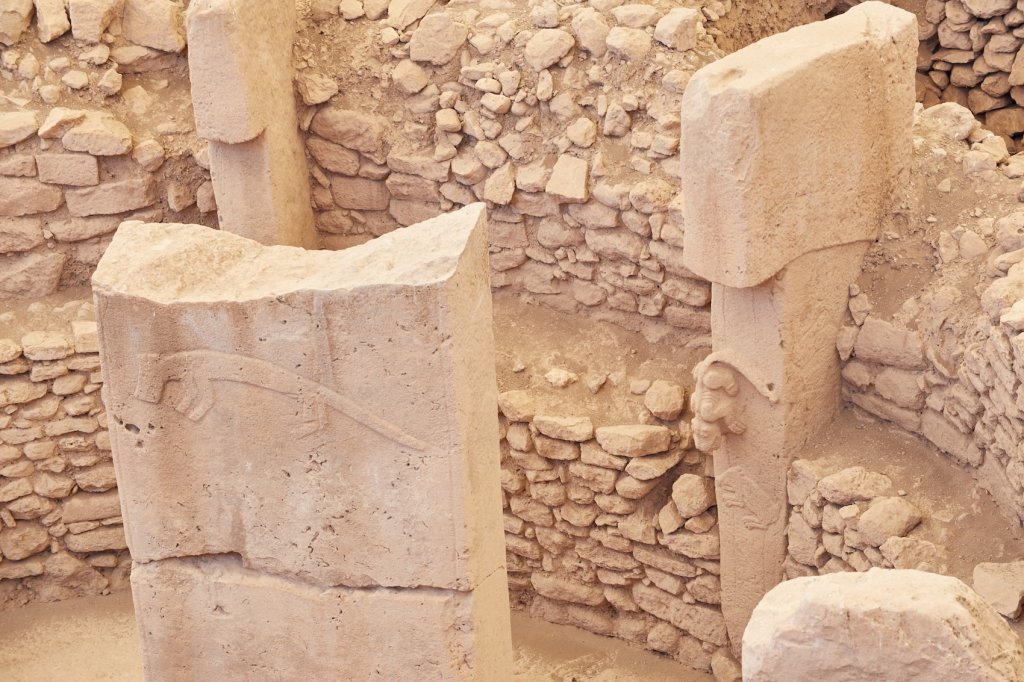
Could they have stood there for a long time until some local tribe found them and started venerating them? That same deal could have happened in Egypt; as plenty of researchers have pointed out, the hieroglyphs with which the old-kingdom statues are dated are much, much rougher than the quality of the statues themselves. Basically graffiti. Some suggest that those we know as Egyptians were larping as the people depicted in the amazing statues found in the area.
Regarding Göbekli Tepe, they originally believed it to be an isolated, ritualistic site, but partly thanks to LiDAR technology, they have discovered about 40-50 sites around Göbekli Tepe. That’s a full-blown culture, if not a civilization.
Graham Hancock suggested that Göbekli Tepe represents a transfer of technology; after the Younger Dryas cataclysm, the survivors brought their knowledge to the primitive tribes of the area and taught them how to build such monuments. However, the Natufian culture was present in that area for thousands of years around that time, and were making pottery and sculptures that, despite being much less sophisticated, featured similar motifs and styles, so I’m undecided.
In the chapter, that description of an emaciated statue holding its penis may have sounded like I was taking the piss. Nope.

Article about it: An Enormous Statue Of Man Appearing To Hold His Penis Was Just Unearthed At A Prehistoric Site In Turkey
That magnificent mofo was found in the sister site Karahan Tepe, that also features a garden of stone penises:
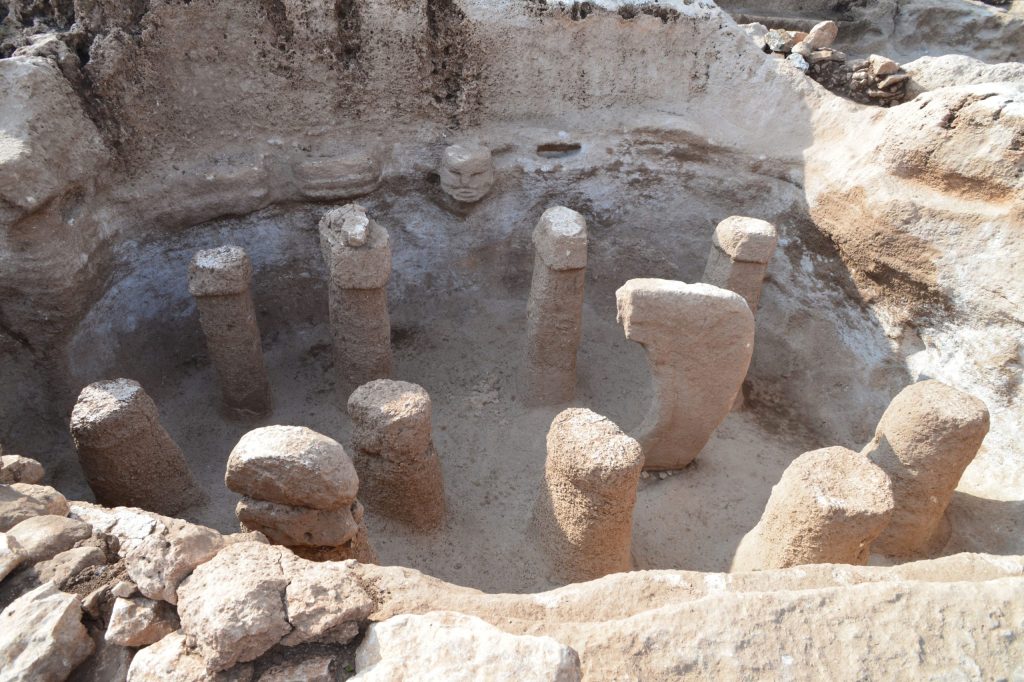

Article about it: Carving of man holding his penis and surrounded by leopards is oldest known depiction of a narrative scene, archaeologists say
An ancient civilization after my own heart.
I don’t know about you, but I can’t get enough of this prehistory stuff. Coincidentally, a week ago the wonderful, binge-worthy YouTube channel Why Files posted an hour-long video about the mystery of Göbekli Tepe and its ties to the Younger Dryas cataclysm, during which a cometary bombardment may have separated us from the previous 288,400 year-long chapter of anatomically modern humans.
I don’t necessarily agree with all the claims. I’d love to believe the hypothesis that the vulture stone refers to the Younger Dryas cataclysm; they claim that statistical analysis proves the alignment. But, as others have pointed out, the enclosures likely had a roof back in the day, so not much of an astronomical observatory, although they being open to the starry sky looks much cooler, which is why I’ve depicted them that way in the chapter. Also, I painted the sculptures because they have found pigmentation (concretely red, white, and black pigmentation) in some of them, particularly in this majestic boar:
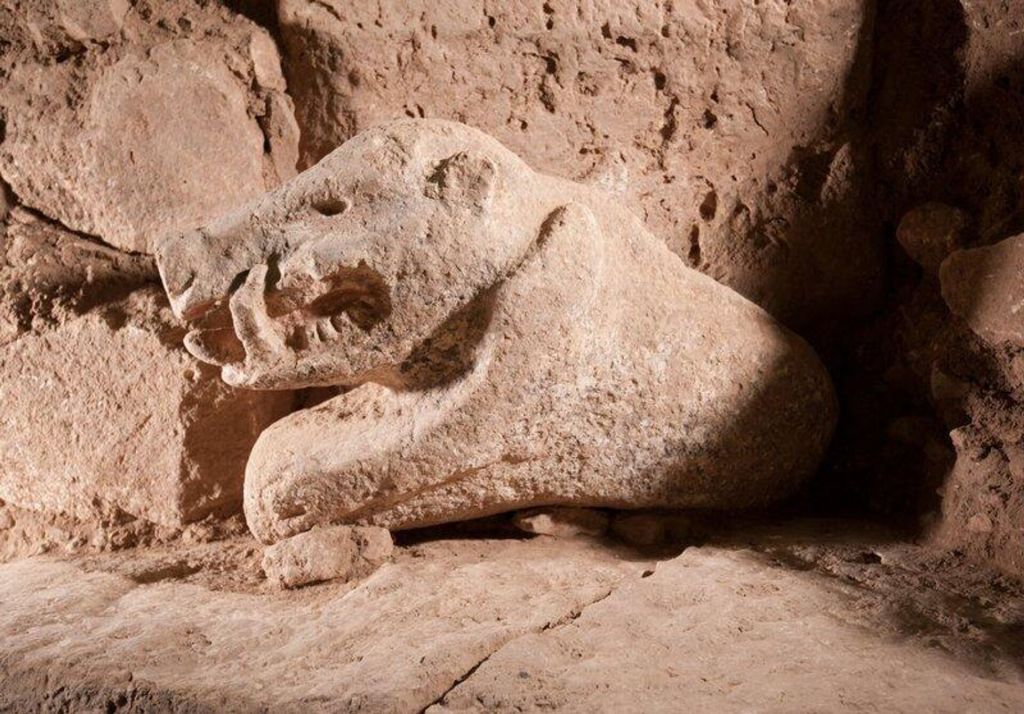
Article about it: 11,000-Year-Old Painted Statue of Wild Boar Unearthed at Gobekli Tepe
The statues made by the Greeks and Romans were also painted, by the way. We should also start painting our own statues; they would look fancier.
I think that’s all I wanted to explain for this chapter. I hope you enjoyed chapter 118, and if not, well, whoops.
 The Domains of the Emperor Owl
You must be logged in to post a comment.