I’ve woken up at three in the morning. Although I tried to fall asleep again, my brain started doing the rounds with sequences of intrusive thoughts which would have had me rolling around for hours, tangled with painful stuff, so I figured I could get to the computer and write some words about things that have crossed my mind recently.
It’s December, and temperatures have naturally gone down to the extent that most days I can’t sit outside to play the guitar, which I need to do for emotional regulation. I’m not comfortable doing it at home because it feels like I’m bothering the neighbors. Whenever we get a good enough day weather-wise, I take advantage of it to head to some nearby wooded area to play for about an hour and a half. I did that yesterday: went to one of the most deserted wooded paths I know and that I can be bothered to head to on foot, then sat down to play through my usual songs. A few people passed by, mostly folks with their dogs or running.
As I was playing, an old couple passed by, and the old man went out of his way to talk to me. He gestured to the surroundings and to the sky and said something like “We’re in nature.” I didn’t have much time to think about what this fool was on about as I played, so I just nodded at him so he would leave me alone. There’s something inherently wrong with people who interrupt someone while they’re playing an instrument. He must have taken the hint that I didn’t want to engage, but as he left, he said something like “Cheer up.” His quiet wife followed him.
What the fuck? I was objectively playing a sad song (Iron & Wine’s “Passing Afternoon”), but still. Do I look so sad that some random old idiot would go out of his way to comment on it? Perhaps I do look like that. I have lived with what feels like low-level depression ever since I was a child, which cyclically spikes into full-blown depression. It seems obvious from basic observation of other people that they don’t seem as down as I do on a daily basis. They must get some enjoyment out of being alive that completely escapes me. Most of my drive behind the complicated endeavors I engage with on a daily basis involves distracting myself from the feeling that life is an unbearable burden.
The objectively most positive reaction I’ve had to my playing the guitar (even though it bothered me) happened perhaps a couple of months ago, when I was playing at a park. I don’t play in the middle of it, but off the path, seated on my portable stool in front of a tree. Some woman in maybe her late twenties, maybe Central or South American (can’t tell easily these days), carrying a book, went out of her way to figure out where the guitar music was coming from, then she walked off the path and sat with her back against the nearest tree to read. That tree was at a distance of about what you would naturally place a bench from the next one. People don’t do this on this park.
She was clearly listening to my playing, which she did for the next full hour or so. Because I’m a maniac, I kept playing even though it was so dark I could no longer see the strings properly, but she was still sitting there. Once I finished, she also stood up and walked up to the path. I thought she was gone, but after I gathered my things and took to the path again, she was sitting on a bench. As I passed, she turned toward me smiling, and said “Thank you for your music.”
As usual, my instinctive reactions to people talking to me aren’t the kinds I can use; my instinct is either to stay quiet or to say something that wouldn’t be appropriate. In this case, what came to my mind was saying “It’s not my music.” Instead, I scrambled to figure out something fitting to say to someone who had gone out of their way to listen to me play. I said “Thank you… for liking it.” She laughed softly and said, “Yes, yes.” I turned around and followed the path heading out of the park, while I contained the creepy-crawly feeling I get on my skin half of the time that I interact with a member of this species.
I don’t know if the following is related, but it’s what my mind pivoted to: as I was lying in bed forty minutes ago, a vivid scene that years ago I used to play through regularly reappeared. It always started with sitting at the waiting room of a driving school only to find out that beside you sat the love of your life, the sole person in the world who understood how it felt to be born cursed by both your circumstances and your impulses. I’m talking about Oyasumi Punpun, which may be my favorite work of fiction in any medium. I daydream daily to survive psychologically, and years ago I used to revisit that connection over and over, giving it a more deserving outcome. Well, I don’t know if “more deserving,” but a better outcome.
That got me thinking that it feels like I’ve read through every single affecting manga that exists. Inio Asano, the author of Punpun, is clearly done: he’s only created jaded, bitter, and cynical shit for the last few years. It’s as if he no longer believes in honest meaning. While the aforementioned series is my favorite, my overall favorite author is Minoru Furuya (I wrote about his works on here). I immediately connected with the peculiar way his mind works in a manner that suggests to me that he’s also autistic and has OCD. Sadly, he seems to have retired back in 2016. Beyond manga, I can’t bring myself to read novels these days; the sole author I respected was Cormac McCarthy, but he’s dead. And it somewhat disheartened me to find out that McCarthy himself barely did anything new in the last twenty to thirty years of his life; his extremely-affecting last two novels, The Passenger and Stella Maris, were conceived back in the seventies and eighties, when he actually lived through some of the experiences those narratives refer to.
I find myself, as a forty year old, feeling that I have nothing to do with this culture and this world in general, which seems achingly obvious the moment I leave my apartment. It feels like I’ve already experienced all the works that could affect me meaningfully. All the artists whose works I genuinely loved have lost it, retired, or died. Talking to actual human beings does close to nothing for me (I’m lucky if it does anything positive for me, even temporarily), so I can’t rely on that either. I wonder if this is what happens to people in the last stage of their lives: they feel so completely detached from the world that there’s no point engaging with it in any way. I recall the last image I had of my maternal grandfather, being pushed around on a wheelchair after his wife’s funeral, his head down, not having said a word the entire day that I recall. Never saw him again.
I do get those regularly, too: sudden images of people from my past I’ll never see again. That girl from middle school whom I’ve talked about a few times, who received a nasty scar that bisected her forehead. That basketball player with whom I was involved very briefly when I was seventeen or so; I’ve never liked someone I knew personally more than I liked her. A different teenage girl I met while I was hanging out with people I shouldn’t have been involved with; she was extremely self-conscious about scars on her face she got as a baby because the family dog attacked her. I dated her for merely a week before my craziness convinced her to stay away. Curiously, I have to go out of my way to remember the woman I dated for the longest time. The regret I feel for that relationship isn’t the “I wish I could have done better for her” that I get for those other people. I’m glad I haven’t seen that last one in about twenty years.
I guess that’s enough. Half past five in the morning. I’m going back to bed, back to the daydreams that will hopefully slide me back to sleep and therefore save me temporarily from this absurd nightmare of being conscious.
With this cycle of fantasy stories, of which I’ve just finished the first arc (named “The Extraction at 12 Kiln Lane”), I intend to expand what’s allowed in its world one story at a time. That means I need to keep a reliable bible of what’s canon. I’ll post on my site the updates to the bible, both because they’ll be easier for me to access as well as because it may be interesting to others.
You shouldn’t be reading this, though, unless you’ve read “The Extraction at 12 Kiln Lane,” which is the first arc of my fantasy cycle. Links here.
CANON BIBLE
0) CHANGE LOG (this story’s impact)
Added:
Craft-based occult mishaps can originate an “entity/contamination” via a purchased grimoire fragment ritual, with catastrophic kiln failure and death as the pivot event. (Evidence: “ritual from a grimoire fragment I’d bought… firing went catastrophically wrong”; source: Perfect in the Ashes)
Burial is an attempted containment method for tainted ceramics, but it can fail over long time horizons as the shard “strengthens” and reaches living hosts. (Evidence: “I thought burial would contain it. I was wrong.”; source: Perfect in the Ashes)
“Living bodies anchor entities better than ceramic” is asserted as a key working rule for why corruption transfers into animals/humans and persists. (Evidence: “Living bodies anchor entities better than ceramic.”; source: Perfect in the Ashes)
On-page first-aid protocol is explicit: rinse/clean first, then disinfect with vinegar; linen strips are used for closure/binding. (Evidence: “need to rinse first… before disinfectant touches it” / “reaches for linen strips”; source: Perfect in the Ashes)
Expanded/Clarified:
Ceramic containment vessels may first appear as emergent outcomes of failed occult craft events, not only as planned tools. (Evidence: “my first functional containment vessel, sitting perfect in the ashes”; source: Perfect in the Ashes)
Salt practice extends beyond outdoor boundary lines: Aldous embeds salt into interior floor cracks as a persistent, domestic-scale measure (purpose not proven). (Evidence: “stone floor with salt worked into the cracks”; source: Perfect in the Ashes)
Flagged as conflict/ambiguous:
None newly introduced by this story (existing “primary-anchor cascade” conflict remains; see §11).
1) CORE PREMISES (high leverage)
[Proven] Mudbrook-on-the-Bend runs a centralized, written contract system for local needs, administered on-site. (Evidence: “our humble gathering spot, the Municipal Aid Registry”; source: The Municipal Aid Registry) Implications: Records and paperwork can drive plot turns; leverage lives in what’s written, not just what’s said.
[Proven] The Registry’s administrator (“Copperplate”) is nonhuman and operates with visibly slow, ritualized record-keeping. (Evidence: “the tortoise-person behind the counter. Copperplate.”; source: The Municipal Aid Registry) Implications: Bureaucratic tempo is a real obstacle; urgency can clash with process.
[Proven] Work and compensation are denominated in copper and silver, with meaningful spreads between petty tasks and higher-risk work. (Evidence: “2 copper”; source: The Municipal Aid Registry) Implications: Stakes can be signaled economically without exposition.
[Implied] The same hazard label (“possessed”) can encode different realities: folklore, euphemism, or technical breach language—depending on who’s speaking and why. (Evidence: “don’t know what ‘possessed’ means out here yet”; source: Fine Print & Featherbones) Implications: Mispricing risk is plausible; “translation” between local codewords becomes power.
[Proven] A Registry-linked job can have a socially recognized contract-holder while others participate as “backup.” (Evidence: “Vespera’s contract. I’m backup.”; source: The Girl From the North Road) Implications: Credit/blame attaches to the named holder; abandonment/betrayal stakes sharpen.
[Proven] Contract-holder status can control who gets briefed first by the client on sensitive procedures. (Evidence: “You took the contract, so you get the explanation first.”; source: Salt Lines) Implications: Information can be tiered inside a team; secrecy can be procedural, not just personal.
2) METAPHYSICS & SUPERNATURAL
[Implied] “Wards” exist as a practical concept (“ward breach”), and discussing them publicly can carry social risk (gossip). (Evidence: “without advertising a ward breach at the Registry”; source: Salt Lines) Limits/Costs: The story proves the term and the secrecy norm, not the ward’s objective mechanics. Implications: Occult work can be constrained by reputation management; “where you talk about it” matters.
[Proven] Salt is used in deliberate geometric layouts as a containment boundary around a worksite. (Evidence: “marked with geometric patterns in thick salt lines”; source: Salt Lines) Limits/Costs: The layout’s effectiveness is asserted by Aldous, not demonstrated on-page. Implications: Scenes can hinge on line integrity; wind, footsteps, animals, or sabotage become real stakes.
[Implied] Salt practice can be embedded into domestic architecture as a persistent measure (not just temporary perimeter lines). (Evidence: “stone floor with salt worked into the cracks”; source: Perfect in the Ashes) Limits/Costs: Purpose/effect is not proven; could be habit, superstition, or functional warding. Implications: Houses/workshops can carry “built-in” ritual infrastructure; old buildings can encode past incidents.
[Implied] Corruption/anchoring can produce “bleed-through” environmental symptoms (gloom/dim light/objects seeming wrong) that practitioners treat as diagnostic. (Evidence: “The gloom’s not aesthetic… It’s symptomatic.”; source: That Feathered Bastard) Limits/Costs: This is practitioner testimony; causality isn’t proven. Implications: Set pieces can telegraph occult presence via lighting/perception shifts without new creatures appearing.
[Proven] A ceramic containment vessel can receive extracted “wrongness/corruption” from a host, leaving the animal behaviorally normal again. (Evidence: “it’s in the vessel now.”; source: That Feathered Bastard) Limits/Costs: The procedure is physically brutal to the host during engagement. (Evidence: “The hen convulses…”; source: That Feathered Bastard) Implications: Craft-magic is an actionable option with choreography costs.
[Expanded/Clarified] Containment vessels may originate as emergent results of catastrophic craft-ritual events, not only as planned artifacts. (Evidence: “my first functional containment vessel… perfect in the ashes”; source: Perfect in the Ashes) Limits/Costs: This describes Aldous’s first case; generality beyond him is unproven. Implications: “Accident-born” artifacts can become coveted/feared; provenance matters as much as function.
[Implied] Extraction is geometry-driven (“gradient forms along geometric lines”), consistent with Aldous’s “etched geometry” framing. (Evidence: “The gradient forms along geometric lines”; source: That Feathered Bastard) Limits/Costs: Mechanism remains partially model-based. Implications: Magic stays materially legible (geometry, positioning) rather than incantation-based.
[Proven] Extraction has operational constraints: proximity is fixed to a “handspan,” restraint must not shift, and “eyes away” from the vessel opening is required. (Evidence: “exactly one handspan… any movement breaks the pattern” / “Eyes away from the opening.”; source: That Feathered Bastard) Limits/Costs: The reason for eye-aversion is not specified. Implications: Role specialization (restrainers, callers, vessel-handler) becomes necessary.
[Proven] Corruption can exert a direct “spiritual pressure” on targets; resistance is possible. (Evidence: “Pressure blooms behind my eyes—cold, invasive… it slides off”; source: That Feathered Bastard) Limits/Costs: The pressure can manifest as sensory assault. (Evidence: “scrapes against the inside of my skull”; source: That Feathered Bastard) Implications: Composure/resolve is diegetic defense; threats aren’t only physical.
[Expanded/Clarified] “Corruption” has a burnt-clay sensory signature, but odor can persist even after active pressure collapses post-extraction. (Evidence: “burnt-clay smell doesn’t fade but… pressure… collapses”; source: That Feathered Bastard) Limits/Costs: Smell alone can create false positives after cleanup. Implications: Investigations need multi-signal confirmation.
[Implied] Terminology alias: Aldous uses “primary vector,” overlapping earlier “primary anchor” talk. (Evidence: “this is the primary vector.”; source: That Feathered Bastard) Implications: Practitioner vocab can fork (vector/anchor/host), enabling misunderstandings.
[Proven] Tainted ceramics can act as long-term sources that “strengthen” and reach into nearby life, transferring corruption into living hosts. (Evidence: “The shard must have strengthened over time, reached out”; source: Perfect in the Ashes) Limits/Costs: This is Aldous’s account; broader ecology is not demonstrated beyond this incident. Implications: “Old mistakes” can become delayed hazards; excavation and renovation can trigger plots.
[Proven] Burial is an attempted containment method for a tainted shard, but it can fail. (Evidence: “I thought burial would contain it. I was wrong.”; source: Perfect in the Ashes) Limits/Costs: The story does not specify why burial failed (depth, site, time, ritual error). Implications: Disposal protocols become a high-stakes choice; “bury it” is not a safe default.
[Implied] Living bodies are treated as better anchors for entities than ceramics, explaining why corruption transfers into animals/humans and persists. (Evidence: “Living bodies anchor entities better than ceramic.”; source: Perfect in the Ashes) Limits/Costs: This is a practitioner rule-claim, not experimentally proven on-page. Implications: Triage shifts toward protecting living beings from exposure; quarantine logic becomes biological.
[Proven] Occult practice can be learned/applied via purchasable text fragments (“grimoire fragment”), and misuse can cause lethal kiln disasters. (Evidence: “ritual from a grimoire fragment I’d bought… she died in the kiln fire”; source: Perfect in the Ashes) Limits/Costs: The market, legality, and prevalence of such fragments are unknown. Implications: Black-market scholarship becomes a plot engine; “book access” is power and danger.
3) SPECIES & PEOPLES
[Proven] Cat folk exist and are recognized as a distinct people; in Mudbrook they are rare enough to draw attention. (Evidence: “a member of the cat folk”; source: The Municipal Aid Registry) Implications: Outsider presence can destabilize local routines; public scrutiny is constant.
[Proven] Cat-folk physiology differs in readable ways (fur/whiskers/tail) and facial expressiveness is harder for humans to interpret. (Evidence: “Cat-folk’s faces aren’t that easy to read”; source: The Municipal Aid Registry) Implications: Misreads are plausible in negotiation and conflict.
[Proven] Heterochromia occurs among cat folk and is explicitly described as uncommon (but not unheard of). (Evidence: “heterochromia’s not super common among cat folk”; source: The Municipal Aid Registry) Implications: Visible traits can be social hooks without implying destiny.
[Implied] Tortoise-people can hold civic authority and present as long-established community fixtures. (Evidence: “Been here before any of us showed up.”; source: The Municipal Aid Registry) Implications: Institutional continuity may be nonhuman-driven.
4) GEOGRAPHY & PLACES
4.1 Settlements
[Proven] Mudbrook-on-the-Bend is a compact canal-side rural town with clustered housing and workday emptiness. (Evidence: “Tightly packed houses along a blue-green canal.”; source: The Municipal Aid Registry) Implications: Encounters are conspicuous; anonymity is hard.
4.2 Notable Sites
[Proven] The Municipal Aid Registry operates out of a repurposed grain/warehouse structure that doubles as a social drinking space. (Evidence: “converted grain barn”; source: The Municipal Aid Registry) Implications: Civic business happens in public; eavesdropping and performance are always in play.
[Proven] Aldous’s site at 12 Kiln Lane is reachable by mid-morning travel and includes an exterior work yard used for controlled procedure. (Evidence: “We reach 12 Kiln Lane after mid-morning.”; source: Salt Lines) Implications: Travel pacing within town environs is narratively usable.
[Proven] The 12 Kiln Lane yard can be actively configured as a containment space (salt geometry; quarantine coop). (Evidence: “geometric patterns… salt lines” / “quarantined in the coop. Locked.”; source: Salt Lines) Implications: Locations can be “rigged” for supernatural procedure.
[Expanded/Clarified] Containment sites are vulnerable to mundane enclosure failure, allowing animals to escape mid-incident. (Evidence: “the latch doesn’t catch… finger-width gap of light.”; source: That Feathered Bastard) Implications: Carpentry/hardware reliability becomes part of containment doctrine.
[Proven] The chicken contract target location is Aldous’s workshop at a specific indexed address, tied to districting and legacy infrastructure. (Evidence: “twelve Kiln Lane… eastern district… near the old millrace.”; source: The Municipal Aid Registry) Implications: Addresses/districts exist; old infrastructure can anchor hazards and navigation.
[Implied] Aldous’s kitchen functions as a workshop-adjacent recovery/triage space with stored stoppered bottles and a basin for rinsing wounds. (Evidence: “pull down a stoppered bottle” / “approaches the wash basin”; source: Perfect in the Ashes) Implications: After-action scenes can credibly happen on-site; supplies/fixtures become tactical resources.
5) INSTITUTIONS, LAW, & POWER
[Proven] Registry participation involves documented postings and a ledger process that requires identity capture. (Evidence: “I require the contractor’s… full name… for the permanent record.”; source: The Municipal Aid Registry) Implications: Pseudonyms become legally meaningful; reputation can be tracked.
[Proven] Registry-recorded contract terms can be explicitly legally binding, including payment options. (Evidence: “Both options… are legally binding.”; source: The Municipal Aid Registry) Implications: Enforcement/expectation can drive consequences; “in-kind pay” can be a trap.
[Proven] The Registry appears to charge a posting fee (at least sometimes) and serves as a stabilization mechanism for disputes. (Evidence: “when I can spare the fee.”; source: The Municipal Aid Registry) Implications: Poverty pushes informal deals; fees create inequity and motive.
[Proven] Registry notices can circulate as portable paper outside the building, enabling third parties to audit terms. (Evidence: “I pull the posted notice… and extend it toward her”; source: Fine Print & Featherbones) Implications: “Who has the paper” matters; disputes can hinge on documents.
[Implied] Contractors/clients may strategically misframe a dangerous job in Registry language to control who learns sensitive details. (Evidence: “posting said ‘mother-in-law’ because I needed help fast”; source: Salt Lines) Implications: The Registry can incentivize euphemism; “official” postings may understate hazard.
[Implied] Copperplate’s record-keeping burden can be leveraged as social pressure (“an afternoon with his quill”). (Evidence: “spend a whole afternoon with his quill”; source: Salt Lines) Implications: Bureaucratic scrutiny can function as deterrence without arrests.
[Implied] A “local guard” exists as an institution distinct enough to be named, and it is expected to provide martial training. (Evidence: “Local guard’ll give you training.”; source: The Girl From the North Road) Implications: Mudbrook isn’t purely civilian; sanctioned force can shape arcs.
6) ECONOMY, CRAFT, & MATERIAL CULTURE
[Proven] Currency includes copper and silver; petty services can be priced in copper. (Evidence: “3 copper”; source: The Municipal Aid Registry) Implications: Denomination signals stakes.
[Proven] Compensation can be coin or in-kind property transfer (livestock) as a contractual option. (Evidence: “1 silver, or take the chickens.”; source: The Municipal Aid Registry) Implications: Payment can impose logistical burdens (transport, housing, resale).
[Proven] Skilled trades (e.g., tanning) are stable livelihoods; craft identity is socially legible. (Evidence: “I’m a simple tanner, alright”; source: The Municipal Aid Registry) Implications: Craft networks can carry authority without guild exposition.
[Proven] Tobacco smoking exists as a routine adult practice; matches enable quick ignition. (Evidence: “He lights it with a match”; source: Fine Print & Featherbones) Implications: Portable fire is commonplace.
[Proven] Taverns are a known income stream for traveling performers. (Evidence: “get money off taverns”; source: Fine Print & Featherbones) Implications: Bard circuits can be an economic engine.
[Proven] Lock-and-key hardware is in common use for animal containment/quarantine. (Evidence: “He fits the key into the padlock.”; source: Salt Lines) Implications: Physical security is practical; keys become plot objects.
[Implied] Advanced pottery knowledge exists as spoken technical literacy, at least among master artisans. (Evidence: “cobalt oxide… salt-fired stoneware… fired at cone ten”; source: Salt Lines) Implications: “Magic by materials” can feel grounded through real craft talk.
[Proven] Common household alcohol types include cider and mead stored in clay jugs. (Evidence: “There’s cider here” / “the other jug—the mead”; source: Perfect in the Ashes) Implications: In-home hospitality scenes can be materially specific; intoxication/sterilization myths can be leveraged.
[Proven] Stoppered glass bottles are used for stored liquids (e.g., vinegar) and kept in household cabinetry. (Evidence: “pull down a stoppered bottle from the shelf”; source: Perfect in the Ashes) Implications: Reagents can be kept ready-to-hand; theft/sabotage of bottles becomes plausible.
[Proven] Field-expedient first-aid uses vinegar as disinfectant and linen strips for wrapping/closure. (Evidence: “let the vinegar soak into the wound” / “reaches for linen strips”; source: Perfect in the Ashes) Implications: Wound-care resources are part of kit/household stock; scarcity of clean linen can matter.
[Implied] “Medicine skill” is a named competency that characters self-assess and can be “trained for.” (Evidence: “My medicine skill isn’t excellent” / “That’s what I’m trained for.”; source: Perfect in the Ashes) Implications: Expertise hierarchies can drive who leads triage; competence disputes become social conflict.
7) SOCIAL NORMS, STATUS, & TABOOS
[Proven] Explicit sexual services can be publicly posted and framed as pragmatic barter (by some locals). (Evidence: “I request a handjob, and offer one in return.”; source: The Municipal Aid Registry) Implications: Adult barter can be mundane; scandal is character-dependent.
[Proven] The Registry’s written system replaced (or reduced) ale-mediated bargaining because informal deals escalated into fights. (Evidence: “offer deals over ale… there’d be fights.”; source: The Municipal Aid Registry) Implications: Bureaucracy is peacekeeping tech.
[Proven] Nonlocal “exotic” bodies draw attention and commentary in public spaces. (Evidence: “eyes tracking the exotic cat-woman.”; source: The Municipal Aid Registry) Implications: Anonymity is harder for visibly nonhuman travelers.
[Proven] Gossip is treated as a real operational hazard in Mudbrook (information control matters). (Evidence: “You know how gossip travels in Mudbrook.”; source: Salt Lines) Implications: Secrecy can be logistical (where/when you speak).
[Implied] Within “weird” work, restraint over cruelty can be treated as a professional criterion, not just morality. (Evidence: “without improvising cruelty… killing is ‘simpler.’”; source: Salt Lines) Implications: Teams can fracture over method; “procedure ethics” can be a pressure point.
8) THREATS, HAZARDS, & VIOLENCE (world-level)
[Proven] Disease (“winter fevers”) can kill and is part of lived memory. (Evidence: “until the winter fevers took her.”; source: The Municipal Aid Registry) Implications: Seasonality can be lethal; grief and demographic shifts are plausible.
[Proven] Violent capability exists locally (scarred veteran with a longsword) and is treated as a resource for risky jobs. (Evidence: “always carrying around that longsword of hers.”; source: The Municipal Aid Registry) Implications: The town can field combatants; danger is credible.
[Implied] The region recognizes a class of rural anomalies (“pastoral weird”) that experienced contractors handle. (Evidence: “cleared pastoral weird before”; source: Fine Print & Featherbones) Implications: “Weirdness” can be an occupation; protocols and reputations matter.
[Proven] Occult incidents can weaponize small livestock into credible attackers, causing puncture wounds and head injuries; armor can mitigate but not remove risk. (Evidence: “beak straight into Rill’s torso. Right over her heart.”; source: That Feathered Bastard) Implications: “Harmless animals” can become lethal vectors; protective gear matters.
[Proven] Protective leather/quilting can blunt peck strikes, but exposed flesh remains vulnerable. (Evidence: “dull thud against her leather cuirass”; source: That Feathered Bastard) Implications: Partial armor creates tactical target selection (arms/face) and injury patterns.
[Proven] Occult extraction procedures can trigger extreme resistance from small hosts, creating injury risk without lethal intent. (Evidence: “she’s going to thrash when the extraction engages”; source: That Feathered Bastard) Implications: Violence can occur inside “nonviolent” plans; restraint competence matters.
[Implied] Infection risk is treated as a serious secondary threat after anomaly violence, shaping triage order and procedure. (Evidence: “before infection sets in” / “Need to clean these wounds.”; source: Perfect in the Ashes) Implications: After-action scenes stay tense; supplies/time pressure persist after the “fight.”
[Implied] Wolves are part of the threat vocabulary near town outskirts as mundane danger. (Evidence: “whacked a wolf’s head.”; source: The Girl From the North Road) Implications: Not all danger must be supernatural; travel carries predation risk.
9) WORLD RULES SUMMARY (1-page compression)
Nonhuman peoples exist and can hold civic roles. (Evidence: “the tortoise-person behind the counter.”; source: The Municipal Aid Registry)
The Municipal Aid Registry is a central, public contract institution with written records and identity capture. (Evidence: “full name… for the permanent record.”; source: The Municipal Aid Registry)
Registry terms can be legally binding, including payment in coin or in-kind property. (Evidence: “Both options… are legally binding.”; source: The Municipal Aid Registry)
Contract execution can be group-based even when one person is the named holder. (Evidence: “Vespera’s contract. I’m backup.”; source: The Girl From the North Road)
Hazard labels (“possessed,” euphemisms) can be strategic and misleading. (Evidence: “posting said ‘mother-in-law’… needed help fast”; source: Salt Lines)
“Ward breach” is a meaningful (and socially sensitive) concept; gossip shapes operational secrecy. (Evidence: “advertising a ward breach… gossip travels”; source: Salt Lines)
Salt is used in deliberate geometric containment layouts; it may also be embedded into buildings as a persistent measure (effect not proven). (Evidence: “geometric patterns… salt lines” / “salt worked into the cracks”; source: Salt Lines / Perfect in the Ashes)
Ceramic-vessel extraction can move “wrongness/corruption” out of a host. (Evidence: “it’s in the vessel now.”; source: That Feathered Bastard)
Extraction requires precise “handspan” positioning, stable restraint, and “eyes away” from the vessel opening. (Evidence: “exactly one handspan” / “any movement breaks the pattern” / “Eyes away”; source: That Feathered Bastard)
Corruption can exert “spiritual pressure” (sensory/mental assault), and some targets can resist. (Evidence: “Pressure blooms behind my eyes… it slides off”; source: That Feathered Bastard)
Burnt-clay odor is associated with corruption but can linger after extraction; smell alone is not proof. (Evidence: “burnt-clay smell doesn’t fade but… pressure… collapses”; source: That Feathered Bastard)
Tainted ceramics can “strengthen” over time and transfer corruption into living hosts; burial is not a safe containment default. (Evidence: “strengthened over time, reached out” / “burial would contain it. I was wrong.”; source: Perfect in the Ashes)
Living bodies are treated as better anchors than ceramic (asserted rule), shaping quarantine/triage logic. (Evidence: “Living bodies anchor entities better than ceramic.”; source: Perfect in the Ashes)
Occult practice can be triggered by purchasable grimoire fragments; misuse can cause lethal kiln catastrophes. (Evidence: “grimoire fragment I’d bought… she died in the kiln fire”; source: Perfect in the Ashes)
After anomaly violence, wound care follows rinse-first then vinegar disinfection; linen strips are used for closure/wrapping. (Evidence: “rinse first… before disinfectant touches it” / “linen strips”; source: Perfect in the Ashes)
10) OPEN QUESTIONS (canon-relevant unknowns)
What does “destroyed it properly” mean in Aldous’s practice (method, materials, risks), and who else knows it? (Evidence: “I dug it up and destroyed it properly”; source: Perfect in the Ashes) Why it matters: Determines whether tainted objects can be safely neutralized and who controls that capability.
How common/accessible are “grimoire fragments,” and what institutions (legal, illicit, academic) circulate them? (Evidence: “grimoire fragment I’d bought”; source: Perfect in the Ashes) Why it matters: Sets the baseline prevalence of ritual accidents and occult literacy.
Are containment vessels reproducible by craft once “learned,” or was Aldous’s first vessel a unique catastrophe-product? (Evidence: “my first functional containment vessel”; source: Perfect in the Ashes) Why it matters: Controls the scalability of extraction crews and the economy of containment.
Why is “eyes away from the opening” mandatory: safety, interference prevention, or geometry stability? (Evidence: “Eyes away from the opening.”; source: That Feathered Bastard) Why it matters: Determines training, PPE, spectator risk, and sabotage vectors.
Can a single containment vessel safely hold multiple extractions, or does it require swapping/renewal? (Evidence: “vessel cradled carefully”; source: That Feathered Bastard) Why it matters: Sets operational capacity and supply constraints.
Are “bleed-through” symptoms objective environmental changes or perception effects? (Evidence: “the way the roosting bars look wrong”; source: That Feathered Bastard) Why it matters: Affects reliability of atmospheric cues and witness testimony.
Does removing corruption from the “primary” host weaken secondary hosts quickly, or is the network model conditional/incorrect? (Evidence: “Rooster’s still active.”; source: That Feathered Bastard) Why it matters: Determines triage strategy during multi-host events.
What personal quality enables resistance to “spiritual pressure” (training, temperament, warding knowledge, prior exposure)? (Evidence: “hits resistance. Shatters”; source: That Feathered Bastard) Why it matters: Defines who can safely participate in close-range anomaly work.
11) CONFLICTS & AMBIGUITIES (only if needed)
Primary-anchor cascade model vs. observed persistence of corruption Side A: Aldous claims a primary host tethers secondaries; severing it should stabilize the rest rapidly. Evidence: “speckled hen is the primary anchor” / “other four… secondary hosts” (source: Salt Lines) Side B: After the speckled hen is extracted, other birds remain corrupted/active and continue attacks/pressure. Evidence: “Rooster’s still active.” / “black pullet locks eyes… Click, click, click.” (source: That Feathered Bastard) Hypotheses (NON-CANON):
“Secondary hosts” may require their own extractions even if the primary is cleared; the “rapid stabilization” claim was optimistic.
Multiple fragments/vectors were present; the “primary” was only one anchor among several.
A short “aftershock window” exists where secondaries remain dangerous before settling.
The working’s intended cascade can be disrupted by chaos (escape, micro-movement, injury), preventing clean stabilization.
12) DESIGN SPACE (NON-CANON) — future expansions that fit
Idea (NON-CANON): A black-market “fragment trade” with grades (copy, excerpt, true leaf), each with different failure signatures. Built-from-canon: §2 “grimoire fragment I’d bought”; §2 kiln catastrophe risk. Why it complements/contrasts: Turns one purchasable fragment into an ecosystem of access, fraud, and escalating disasters.
Idea (NON-CANON): “Proper destruction” as a three-step doctrine (isolation → re-firing → salted quench), with rare specialists who certify it. Built-from-canon: §2 “destroyed it properly”; §2 salt as embedded practice. Why it complements/contrasts: Makes disposal a procedural bottleneck that can be contested, outsourced, or sabotaged.
Idea (NON-CANON): Artifact provenance taboo: catastrophe-born vessels are powerful but socially/ritually “dirty,” affecting who will handle them. Built-from-canon: §2 “first functional containment vessel… perfect in the ashes”; §7 gossip as hazard. Why it complements/contrasts: Keeps power available while attaching social and moral costs.
Idea (NON-CANON): “Delayed-strengthening” contamination timeline models (weeks/years) used by practitioners to assess buried risks near old sites. Built-from-canon: §2 “strengthened over time, reached out”; §4 old infrastructure as anchors. Why it complements/contrasts: Enables long-fuse mysteries and makes archaeology/renovation inherently tense.
Idea (NON-CANON): Post-incident medical doctrine for anomaly crews (rinse tiers, vinegar alternatives, linen scarcity triage) with failure cases (infection, scarring, reinfestation). Built-from-canon: §6 vinegar + linen; §8 infection fear. Why it complements/contrasts: Extends grounded material culture into lasting consequences without adding new magic.
Aldous’ kitchen sits in warm, dim light. Rough plaster walls, heavy timber beams, stone floor with salt worked into the cracks. Plain table against the left wall, two clay jugs on top. Tall cabinet on the far wall—open shelf with glass bottles.
We file in. Still wearing the chicken fight.
Bertram’s temple is stained with dried blood—chicken peck and self-inflicted pipe strike both. Aldous has tongues of dried blood down his arm. Vespera walks like her ass is on fire. Rill’s work tunic shows a bloom of blood at the chest.
Bertram plods to a stool, one hand over his temple like that’ll help. Sits down heavy.
“I don’t know about you folks, but I’ve had enough of chickens for a lifetime. I don’t even want to eat one for revenge.”
Vespera settles onto another stool with a careful wince, trying to keep weight off the wounded cheek.
“Alright, everyone survived the Great Chicken Apocalypse, but we’re all leaking in various places. Bertram, your temple looks like you lost a fight with your own pipe—which, to be fair, you did. Aldous, that arm needs cleaning. And Rill…” Her ears flick toward the girl. “…that’s a lot of blood soaking through. We should probably handle these wounds before they decide to get interesting in the bad way, meow.”
Can’t treat what’s got chicken shit in it.
“Need to clean these wounds.” I look at Aldous. “You keep vinegar in that cabinet?”
I cross to the cabinet, pull down a stoppered bottle from the shelf.
“Right,” Rill says. “Let’s get this done.”
She strips her work tunic off smooth, no hesitation. The chest wounds are visible now—punctures where the beaks found the soft spots, red and raw.
Aldous reaches for one of the clay jugs on the table, lifts it.
“There’s cider here if anyone wants it. Not much, but it’s clean.”
Bertram reaches for the other jug—the mead. Brings it to his nose. Sniff test. His eyes narrow when he lowers it. Pain flash.
“I’m glad you don’t mind if we help ourselves to your alcohol, friend.” He looks down at the salt worked into the floor cracks, even under the table. “And I must say, I owe you my apologies. I thought you were just eccentric. No harm in it. Gods know men like us who live alone for a long time get that way. But what made those chickens move… wasn’t whatever passes for mind in poultry.”
Vespera winces getting off her stool, approaches the wash basin.
“Melissa’s got the vinegar, but we need to rinse first—blood and gods-know-what needs to come off before disinfectant touches it.” She looks at Rill. “Come here. That chest wound took the worst of it, and you’re not doing anyone favors by pretending it’s fine. Let me clean it before Melissa works her vinegar magic.”
Rill crosses to the basin. Vespera works the cloth, methodical, gets the blood and chicken-shit off. The wounds look cleaner. Raw, but clean.
I move to Bertram with the vinegar jar. Head wounds bleed dramatic but they’re usually shallow. He’s coherent—all good signs.
“This is going to sting. Don’t jerk your head back.”
I tip the jar, let the vinegar soak into the wound. His fist goes white against the table edge. He bites his lip hard enough I can see the pressure, breathing through his nose to keep the expletives down.
I work it clean, watch for deeper damage signs. Pupils look normal. No confusion beyond the pain response. Shallow cut, like I thought.
Rill’s trying to treat her own chest wound now that Vespera rinsed it. Hands steady—adrenaline or stubbornness, hard to tell with her. She may have watched enough patchwork to know the theory. Clean, close, cover. Practice is different than theory. Her hands fumble the angle. Can’t see what she’s doing properly, can’t apply even pressure. The wound edges don’t meet right.
Aldous strips off his quilted jerkin. The bantam got his arm during extraction—shallow, but from a possessed bird. He’s standing there like he forgot he had his own wound until everyone else started getting treated.
Bertram takes a long pull from the mead jug, lowers it slow.
“Maybe I shouldn’t want to know, Aldous, but…” He looks at the potter. “You said whatever got into your chickens came from buried pottery. An ‘entity,’ you called it. What damnable thing did we just fight that found itself in our town?”
“You’ve been hosting while bleeding, Aldous. Very hospitable, but let me take a look at that arm while you explain.” She gestures toward his wounded limb. “Sleeve needs to come up.”
Aldous is already moving to the basin. Rolls up the blood-stained sleeve on his left arm.
I move to Rill with the vinegar jar.
“Your turn. This’ll hurt worse than the rinse.”
She doesn’t blink. Just waits.
I tip the jar. Vinegar hits the punctures.
Her jaw locks hard. Fists clench. Breathing goes shallow and controlled, knuckles white against the burn. But she doesn’t jerk back, doesn’t make a sound. Just holds there while the vinegar works through raw tissue.
First serious wound she’s taken. From something that wanted to kill her. She’s not moving. Good.
Aldous starts rinsing his wound at the basin, water over the shallow bite.
“The entity came from something I buried. Eight years ago—piece of pottery from a failed firing. I thought burial would contain it. I was wrong.” His voice stays steady despite the sting. “The shard must have strengthened over time, reached out to the nearest living thing. By the time I dug it up and destroyed it properly, the corruption had already transferred into the hens. Living bodies anchor entities better than ceramic.”
He strips off his work shirt for better access to the wound.
“What you fought was something that shouldn’t exist—a contamination that moved from dead material into living hosts. That’s why extraction was necessary instead of slaughter. The birds weren’t the threat. They were just occupied.”
Bertram sets the mead jug back on the table. Then he looks at Aldous—long, grave stare.
“From a failed firing… eight years ago?” His voice drops. “You can’t mention ‘eight years ago’ and expect me not to know what that implies, my friend.” He rubs his temple where the wound is. Winces. “Did this entity have something to do with that sweet, studious apprentice of yours? What was her name…” Squints like recall’s harder with the head wound. “Mara, wasn’t it? First time you’ve referred to that year. Ever since.”
Vespera’s ears snap forward.
“Aldous, let me take a look at that arm while you tell us about Mara.” Her tone’s careful. “That kind of connection deserves the full story, meow.”
Bertram glances at her.
“I can see the bloodied hole in your breeches over your shapely ass right where that demon buried its beak, miss. Maybe you should let yourself be helped.”
Aldous’ arm needs disinfectant. Rinsed, exposed, accessible. Then closure. The wound’s not trivial—bantam peck, deeper than it looks. Blood loss makes people stupid. Infection risk is real. Vinegar will burn but he’s kept talking through worse today.
“Aldous. Hold still. Your turn.”
I move to him. Tip the vinegar over the wound, let it soak deep.
His jaw locks. Teeth grind—I can see the muscle flex. Fists clench white, breathing sharp through his nose. He holds still.
When I finish, he reaches for linen strips from the cabinet. Starts wrapping the wound himself. Hands steady despite the burn-ache.
“Yes. The entity came from Mara’s death.” First wrap secured. “Eight years ago I tried a ritual from a grimoire fragment I’d bought. Thought I was being careful, thought I understood the variables. I was wrong.” Another wrap. “The firing went catastrophically wrong and she died in the kiln fire. What came out of that kiln, other than burned shards, was my first functional containment vessel, sitting perfect in the ashes while she bled out on my workshop floor.”
He ties off the bandage. Small knot.
“So yes, Bertram—what you just helped me extract from those chickens has everything to do with my apprentice. Most of what I know about craft-based containment, I learned from the night she died.”
Bertram looks down at his lap. Lifts the clay jug to his lips, takes a longer gulp. Wipes his mouth with the back of his hand.
“That poor girl.” The edges of his eyes wrinkle. “Maybe I should say that… these things are not to be played around with. Whatever ‘entities’ exist out there that can be brought over through mysterious grimoires. But I guess… it happens. Despite our best intentions, life takes away the ones we care about.” He pauses. “Such a bright smile she had, that one.”
Vespera shifts her weight, ears flicking back.
“Right. Guess it’s my turn.”
She reaches back, works the torn breeches down over her ass. The wound’s exposed now—puncture, red, angry.
Bertram, seated behind her, makes a contemplative sound.
“Oh my. I can’t say I’ve seen many cat-folk butts in my long life, but yours is quite lovely, miss.”
Although Vespera’s tail twitches, she doesn’t turn around.
Last one needing disinfectant. Ass wounds are awkward but not complicated—muscle tissue, decent blood supply, low infection risk if treated properly. Vinegar will sting worse on tender flesh.
I cross to her with the jar.
“Vespera. This is going to burn.”
I tip it over the wound. Her spine goes rigid. Full-body shiver, tail jerking stiff. She sucks air through her teeth, claws flexing against the table edge. Holds still.
Rill’s trying to close her chest wound again. Hands working the angle, trying to bring the edges together. Can’t see what she’s doing. Fumbles the pressure. Won’t hold.
Aldous approaches her, methodical.
“Your wound’s been prepped correctly—rinsed and disinfected. Let me try to close it properly before infection sets in.” His voice stays level. “My medicine skill isn’t excellent, but the rooster got you helping with my problem. I owe you at least the attempt.”
Rill nods. He kneels beside her. Examines the punctures over her heart—copper-backed rooster hit the same spot twice. He reaches for linen strips, works the edges together carefully.
He tries to seat the cloth, then tries again. It slips. He pulls back, jaw tight, strips loose in his hands.
Bertram straightens. Sets the mead jug down on the table—solid thunk. Reaches behind his apron, extracts his pipe. He examines it like he’s checking for damage from the temple strike. Takes a long look at Rill.
“Kid, you did good. You went with us into that ambush. Kept holding tight to those chickens despite the bloom of blood in your chest. Despite the fact that you weren’t strong enough to prevent those feathered devils from escaping your grip. You’ve got grit is what I mean.”
He pauses. The pipe stays unlit in his fingers.
“Still… don’t know if that’s a good thing. There are worse things out there than possessed chickens, if you’re still willing to put your life on the line. Threadscar didn’t get her nickname from mopping floors, I’m guessing.”
Vespera shifts her weight, reaches down for the pooled breeches at her feet.
“Right, well. Can’t have a serious conversation about dead apprentices and entity corruption while my ass is hanging out. Not the aesthetic I was going for.”
She picks them up. Starts working them back over her hips, careful around the treated wound.
Rill’s chest wound is prepped—rinsed, disinfected, exposed. Both Aldous and Rill tried to close it already. Both failed. My turn. Rill’s young. Healthy tissue, good blood supply. Should respond well.
“Stay still. I’m closing this properly.”
I kneel and examine the punctures—rooster hit the same spot twice, over the heart. Worst wound of the group. Edges clean from the vinegar, good blood supply, no compromise visible.
I press the edges together—firm, even—and hold them while I seat the linen strip. Tension right, coverage right. I secure it and test the hold.
The bleeding’s checked, but nobody relaxes.
Aldous moves toward one of the empty wooden stools. Sits down careful, mindful of the arm wound.
“You all came here because I posted at the Registry about possessed chickens, and you stayed through an extraction that turned into a small battle.” His voice stays level. “I owe you more than cider. If anyone needs rest before heading back to town, the space is yours.”
Bertram produces a match, strikes his pipe. Flame catches. He lights the tobacco and takes a slow draw.
Smoke curls up. He’s watching Vespera work the vinegar-treated wound through the tear in her breeches.
“As for you, miss cat, I’m picturing a young life whole with fresh taverns in which to play, adventures to partake in.” Another puff. “Don’t know what brought you to our little nowhere-town, but I hope we didn’t make too bad of an impression on you. Possessed poultry and all.”
Vespera glances back toward the treated area.
“Melissa already handled the vinegar part—which hurt like absolute hell, by the way—so the wound’s disinfected. Let me see first if I can close this rooster wound properly.”
My hands are done. Now I watch.
Bertram’s managing his own pain—mead first, now pipe. Self-administered. Vespera’s struggling to handle her own closure attempt. Rill’s quiet, processing the first real wound she’s taken.
They’re talking about Mara again. Heavy conversation. Not my terrain. I patch bodies. I don’t patch guilt.
Bertram’s good at the social space. He reads people the way I read blood. I’ll watch for delayed shock. Infection signs. Anyone who destabilizes. That’s what I’m trained for.
The rest of it—the sharing, the bonding over tragedy—that’s their work.
Through this cycle of fantasy stories, I’m exercising in tandem my two main passions in life: building systems and creating narratives. Every upcoming scenario, which turns into a short story, requires me to program new systems into my Living Narrative Engine, which is a browser-based platform for playing through immersive sims, RPGs and the likes. Long gone are the scenarios that solely required me to figure out how to move an actor from a location to another, or to pick up an item, or to read a book. Programming the systems so I could play through the chicken coop ambush involved about five days of constant work on the codebase. I’ve forgotten all that was necessary to add, but off the top of my head:
A completely new system for non-deterministic actions. Previously, all actions succeeded, given that the code has a very robust system for action discoverability: unless the context for the action is right, no actor can execute them to begin with. I needed a way for an actor to see “I can hit this bird, but my chances are 55%. I may not want to do this.” Once you have non-deterministic actions in a scenario, it becomes unpredictable, with the actors constantly having to maneuver a changing state, which reveals their character more.
I implemented numerous non-deterministic actions:
Striking targets with blunt weapons, swinging at targets with slashing weapons, thrusting piercing weapons at targets. None of those ended up taking part of this scenario, because the actors considered that keeping the birds alive was a priority, as Aldous intended.
Warding-related non-deterministic actions: drawing salt boundaries around corrupted targets (which Aldous said originally he was going to do, but the situation turned chaotic way too fast), and extracting spiritual corruption through an anchor, which Aldous did twice in the short.
Beak attacks, only available to entities whose body graphs have beak parts (so not only chickens, but griffins, krakens, etc.). This got plenty of use.
Throwing items at targets. Bertram relied on this one in a fury. I got clever with the code; the damage caused by a thrown weapon, when the damage type is not specified, is logarithmically determined by the item’s weight. So a pipe produces 1 unit of blunt damage, and throwing Vespera’s instrument case at birds (which I did plenty during testing) would cause significant damage. Fun fact: throwing an item could have produced a fumble (96-100 result on a 1-100 throw), and that would have hit a bystander. Humorous when throwing a pipe, not so much an axe.
Restraining targets, as well as the chance for restrained targets to free themselves. Both of these got plenty of use.
A corrupting gaze. It was attempted thrice, if I remember correctly, once by the main vector of corruption and the other by that creepy one with the crooked neck. If it had succeeded, it would have corrupted the human target, and Aldous would have had to extract it out of them as well. That could have been interesting, but I doubt it would have happened in the middle of chickens flying all over.
Implementing actions that cause damage meant that I needed to implement two new systems: health and damage. Both would rely on the extensive anatomy system, which produces anatomy graphs out of recipes. What I mean about that is that we have recipes for roosters, hens, cat-girls, men, women. You specify in the recipe if you want strong legs, long hair, firm ass cheeks, and you end up with a literal graph of connected body parts. Noses, hands, vaginas exist as their own entities in this system. They can individually suffer damage. I could have gone insane with this, as Dwarf Fortress does, simulating even individual finger segments and non-vital internal organs. I may do something similar some day if I don’t have anything better to do.
Health system: individual body parts have their own health levels. They can suffer different tiers of damage. They can bleed, be fractured, poisoned, burned, etc. At an overall health level of 10%, actors enter a dying state. Suffering critical damage on a vital organ can kill creatures outright. During testing there were situations in which a head was destroyed, but the brain was still functioning well enough, so no death.
Damage system: weapons declare their own damage types and the status effects that could be applied. Vespera’s theatrical rapier can pierce but also slash, with specific amounts of damage. Rill’s practice stick only does low blunt damage, but can fracture.
Having a proper health and damage system, their initial versions anyway, revealed something troubling: simple non-armored combat with slashing weapons can slice off limbs and random body parts with realistic ease. Whenever I get to scenes involving more serious stakes than a bunch of chickens, stories are going to be terrifyingly unpredictable. Oh, and when body parts are dismembered, a corresponding body part entity gets spawned at the location. That means that any actor can pick up a detached limb and throw it at someone.
Why go through all this trouble, other than the fact that I enjoy doing it and that it distracts me from the ocean of despair that surrounds me and that I can only ignore when I’m absorbed in a passion of mine? Well, over the many years of producing stories, what ended up boring me was that I went into a scene knowing all that was going to happen. Of course, I didn’t know the specifics of every paragraph, and most of the joy went into the execution of those sentences. But often I found myself looking up at the sequences of scenes to come, and it was like erecting a building that you already knew how it was going to end up looking. You start to wonder why even bother, when you can see it clearly in your mind.
And I’m not talking about that “plotter vs. pantser” dichotomy. Pantsing means you don’t know where you’re going, and all pantser stories, as far as I recall, devolve into messes that can’t be tied down neatly by the end. And of course they’re not going to go back and revise them to the necessary extent of making something coherent out of them. As much as I respect Cormac McCarthy, one of his best if not the best written novel of his, Suttree, is that kind of mess, which turns the whole thing into an episodic affair. An extremely vivid one that left many compelling, some harrowing, images in my brain, but still.
I needed the structure, with chance for deviation, but I also needed to be constantly surprised by the execution of a scene. I wanted to go into it with a plan, only for the plan to fail to survive the contact with the enemy. That’s where my Living Narrative Engine comes in. Now, when I experience a scene, I don’t know what the conversations are going to entail. I didn’t even come up with Aldous myself: Copperplate brought him up in the first scene when making up the details of the chicken contract. It was like that whole “Lalo didn’t send you” from Breaking Bad, which ended up producing a whole series. From that mention of Aldous, after an iterative process of making the guy interesting for myself, he ended up becoming a potter-exorcist I can respect.
I went into that chicken coop not knowing anything about what was going to happen other than the plan the characters themselves had. Would they overpower the chickens and extract the corruption out of them methodically with little resistance? Would any of the extraction attempts succeed? Would any actor fly into a rage, wield their weapons and start chopping off chicken limbs while Aldous complained? Would any of the characters suffer a nasty wound like, let’s say, a beak to the eye? I didn’t know, and that made the process of producing this scene thrilling.
Also, Vespera constantly failing at everything she tried, including two rare fumbles that sent her to the straw, was pure chance. It made for a more compelling scene from her POV; at one point I considered making Aldous the POV, as he had very intriguing internal processes.
Well, the scene wasn’t all thrilling. You see, after the natural ending when that feathered bastard pecked Vespera’s ass, the scene originally extended for damn near three-fourths of the original length. People constantly losing chickens, the rooster pecking at anyone in sight, Melissa getting frustrated with others failing to hold down the chickens, Rill doing her best to re-capture the chickens that kept wrenching free from her hold. Aldous even failed bad at two extractions and had to pick up the vessel again. It was a battle of attrition, which realistically would have been in real life. I ended up quitting, because I got the point: after a long, grueling, undignified struggle, the chickens are saved, the entity is contained in the vessel, and the actors exit back to the warm morning with their heads down, not willing to speak for a good while about what they endured.
Did the scene work? I’m not sure. It turned out chaotic, with its biggest flaw maybe the repetition of attempting to catch chickens only for them to evade capture. There were more instances of this in the original draft, which I cut out. I could say that the scene was meant to feel chaotic and frustrating, and while that’s true, that’s also the excuse of those that say “You thought my story was bad? Ah, but it was meant to be bad, so I succeeded!” Through producing that scene, editing it, and rereading it, I did get the feeling of being there in that chaotic situation, trying to realistically accomplish a difficult task when the targets of the task didn’t want it completed, so if any reader has felt like that, I guess that’s a success.
I have no idea what anyone reading this short story must have felt or thought about it, but it’s there now, and I’ll soon move out to envision the next scenario.
Anyway, here are some portraits for the characters involved:
Plank walls stained deep brown, low ceiling beamed with simple timbers, two stubby roost bars mounted like a ladder on the left wall. Centered at the back sits a narrow shelf unit divided into three nesting cubbies. The floor’s covered in flattened straw and wood shavings, uneven underfoot, with two shallow bowls set directly on it. Morning light struggles through the wire-mesh opening. Corners stay shadowed; wood grain shows deep and dark. Burnt clay coats my throat with every breath.
We’re all inside now—Bertram, Aldous, “Threadscar” Melissa, Rill, and me, crowded into this glorified chicken prison. Five birds occupy the gloom: a black pullet with a crooked neck making tiny ceramic clicks from her beak, dust clinging to her pinfeathers like kiln sweepings. A copper-backed rooster with an impressive tail immediately positions himself between us and the other chickens, broad chest out like he’s got a chance. A buff hen with a startlingly pale face pecks the same exact spot in the litter, obsessive and drooping. A tiny slate-blue bantam circles the back corner.
And at the center: the speckled hen. Large, holding unnaturally still, staring straight ahead despite five humans invading her space.
The coop door scrapes shut, but the latch doesn’t catch. A finger-width gap of light. Bertram glances back at it, then scans the interior, jaw tight.
“This chicken coop of yours is way gloomier than it has any right to be,” he says.
Aldous moves closer, containment vessel cradled like glass.
“The gloom’s not aesthetic, Bertram. It’s symptomatic. The burnt-clay smell, the dim light, the way the roosting bars look wrong even though nothing’s physically changed—that’s all bleed-through from what’s anchored in the flock. Vespera, we’re starting with the speckled hen. I need you to position her exactly one handspan from the vessel’s opening when I give the word.”
The black pullet recenters its crooked neck with a sharp twitch. Click, click, click from the beak.
Melissa shifts beside me, moving into position without crowding my space. Support stance—sparring distance. Close enough to intervene.
The buff hen moves slowly across the litter, drooping like she’s sick, letting out soft clucks with a dry rasp underneath.
I move toward the speckled hen, keeping my movements fluid and deliberate. That clean focus I get before violence kicks in—except this time it’s aggressive chicken handling for occult pottery.
“I’ll hold her steady when you’re ready, Aldous,” I say, closing the distance smoothly. “Just tell me when to position her.”
The speckled hen holds that unnatural stillness, staring ahead while a milky film slides across her eyes—a second lid, slow and wrong.
Then, she jerks sideways, whole body yanked like an invisible wire pulled her. Her head swivels with mechanical precision, scanning. Seeking a target.
The hen’s eyes lock onto Melissa, and I catch the detail I missed before: concentric rings in the iris, like growth rings in cut wood. The gaze holds. Something passes between the hen and the veteran. Pressure drop before a storm.
Melissa doesn’t flinch. Her jaw sets, eyes narrowing, and whatever spiritual rot the hen’s pushing at her hits resistance. The veteran stands her ground.
The copper-backed rooster explodes into motion. Plants himself beside the speckled hen. His beak opens. Burnt clay rolls out on his breath—I taste it.
Then he lunges at Rill. The rooster jumps, surprisingly high for something that size, and drives his beak straight into Rill’s torso. Right over her heart. The impact lands wet and precise.
Rill staggers back. Her face registers the pain in a tight grimace, but her eyes stay locked on the rooster. Combat-ready despite the blood starting to seep through her linen tunic.
The black pullet’s making excited clicks now, rapid-fire ceramic taps that echo off the coop walls.
The slate-blue bantam explodes from the back corner, tiny legs churning through litter. She launches herself at Melissa, but the veteran sidesteps clean. The bantam’s beak snaps shut on empty air.
The buff hen, who’s been pecking obsessively at the same spot this whole time, suddenly lifts her head. Looks around like she’s just waking up. Then something clicks behind those pale eyes and she snaps alert.
She charges Bertram. The buff hen lunges with more speed than her drooping posture suggested possible, beak aimed at his face. Bertram throws his hands up, stumbling back—the hen overshoots, loses her balance completely, and hits the ground in a tumble of dusty feathers.
Bertram’s got his pipe out now, pulled from under his apron, gripped like a club.
“This was an ambush!” He edges closer to the fallen bird, keeping the pipe raised. “I guess the saying is true—no plan survives contact with the enemy!”
He drops down, gets his hands on the buff hen before she can right herself, and pins her. She thrashes but he’s got weight and leverage.
Aldous moves immediately. Not rushed—methodical. He crosses to Bertram and the restrained hen with the containment vessel still cradled carefully, his eyes already assessing angles and positioning.
“Bertram, keep holding her. I’m going to help her upright, and then we’re doing the extraction immediately while you’ve got her restrained. This is the best chance we’ll get.”
He sets the vessel down carefully, then gets his hands under the buff hen’s body. They wrestle the buff hen upright, Bertram maintaining his grip while Aldous adjusts her position with almost ritualistic precision.
Melissa lunges forward, going for the copper-backed rooster—the biggest active threat now that Bertram has the buff restrained. But the coop erupts into chaos of wings and movement. The speckled hen jerks sideways exactly as Melissa commits, the rooster pivots, and suddenly they’ve traded positions in that split-second scramble.
Melissa’s hands close around the speckled hen. She pins the wings tight against the bird’s body with both hands, adjusting her grip with practiced efficiency.
“Got her instead.” Melissa’s voice cuts through the noise, steady. “Aldous, proceed with your extraction. I’ll hold this one.”
The speckled hen thrashes, and that wrongness radiating from her intensifies. I can feel it like heat off sun-baked stone.
The rooster’s loose. He’s already drawn blood. Melissa’s got the primary anchor, Bertram’s locked down the buff—I need to handle this copper-backed bastard.
I move toward him, smooth and deliberate. I go in like I would in a clinch—hands sure, wings pinned, no room for him to spin. Mrow, let’s see if restraining a possessed chicken gives me the same edge as actual combat.
The rooster sees me coming. His head snaps toward me, tailfeathers flaring, and he sidesteps with surprising speed. I adjust my angle, reach for him, but he evades. Clean pivot, low to the ground, and he’s out of range before my hands close on feathers.
Rill, blood seeping through her tunic where the rooster pierced her, lunges forward. She’s going for him with both hands extended, trying to pin his wings the way Melissa demonstrated with the speckled hen.
The copper-backed rooster twists away from her too, wings beating hard. Rill’s hands grasp at empty air, and the rooster plants himself three feet back, chest out, guarding the space between us and Melissa’s captive.
The speckled hen’s thrashing intensifies. Melissa’s got solid grip, wings pinned tight, but the hen twists with unnatural strength, and the veteran’s hands slip just enough. The hen wrenches free, tumbling to the litter in an explosion of dust and burnt-clay stench.
The copper-backed rooster sees it. His head snaps toward the escaped hen, and then he’s airborne, launching himself straight at Melissa with focused rage. He drives his beak into her torso, right over the ribs. The impact makes a dull thud against her leather cuirass. Melissa doesn’t even flinch.
Movement from the shadows. The slate-blue bantam rushes out, tiny and fast, making a beeline for Bertram. She launches herself at him, beak aimed for exposed skin, but Bertram shifts his weight without losing his grip on the buff hen. The bantam’s strike goes wide, her beak snapping shut on empty air.
The buff hen thrashes harder, clucking with that raspy edge, losing feathers as she strains against Bertram’s hold. He pins her tighter. She can’t break free.
The tanner keeps his eyes narrowed, head angled to the side like he’s expecting another strike.
“Aldous,” he says, steady despite the bantam circling for another pass, “I would appreciate if you extracted whatever you need to extract out of this one, my friend.”
Aldous positions the vessel one handspan from the buff hen’s head. Hands steady despite the burnt-clay choke.
“Bertram, she’s going to thrash when the extraction engages. Don’t let go, don’t adjust your grip. The gradient forms along geometric lines and any movement breaks the pattern.” His eyes sweep the coop without moving his head. “Eyes away from the opening. I’m starting now.”
He shifts the vessel’s opening closer to the hen’s face. The buff hen starts shuddering immediately—not normal thrashing but something deeper, tremors running through her entire body. A prolonged screech escapes her throat, high and wrong.
The struggle lasts seconds but feels stretched. The hen convulses, Bertram holds firm, Aldous keeps the vessel positioned with mathematical precision—and then it’s done. The buff hen goes limp in Bertram’s grip, the wrongness bleeding out of her. Whatever corruption was anchored in that bird, it’s in the vessel now.
Melissa crosses the distance to the speckled hen in three strides. She gets her hands around the bird before she can scramble away—pins the wings against the body with both hands.
The hen thrashes, making garbled sounds that don’t belong in any chicken’s throat, but the Melissa’s grip holds.
The copper-backed rooster is still the biggest threat. I’m free to handle him.
I lunge forward, hands extended to grab him before he can attack anyone else. The rooster pivots. I reach for him, but my boot catches something in the litter, uneven wood shavings or straw, and my ankle rolls. I’m going down fast, hands grasping at empty air as the ground rushes up.
I hit the floor hard. Dust and burnt clay smell explode around me. The impact knocks the breath halfway out of my lungs.
The rooster, three feet away, broad chest puffed and tailfeathers flared, clucks territorial. His head swivels, sizing up opponents.
To my right, Rill lunges forward, going for the rooster with both hands extended. She’s trying to pin his wings against his body the way Melissa showed us. The rooster twists away from her. He’s out of range before her hands close on feathers. Rill doesn’t hesitate. She goes after him again.
The rooster launches himself at her. He flies straight for her chest—same heart region where her tunic’s already bloodstained. His beak drives into her flesh with unnatural accuracy, piercing through the linen again. I hear the wet impact even from the ground.
Rill staggers but doesn’t go down. Her jaw sets tight against the pain.
The kink-necked black pullet is suddenly right there, five feet from my face. Her crooked neck cants hard to the left, and she locks eyes with me.
Click, click, click. Sharp ceramic sounds from her beak, rapid-fire and wrong.
Pressure blooms behind my eyes—cold, invasive. I brace, and it slides off like rain on stone. The pullet backs away, clicks slowing.
From the back corner—the slate-blue bantam rushes out. She launches herself at Aldous, beak aimed for exposed skin. Aldous sidesteps without looking at her directly. The bantam lands in the dust.
The buff hen shakes her head in Bertram’s grip, confused, trying weakly to free herself. The extraction pulled the wrongness out, left her just a regular chicken trying to escape a human’s hold. Bertram struggles to scramble to his feet.
“Everyone still alive?” He glances around the coop. “What feathered demon are we handling next?”
He spots me on the ground, and his eyebrows go up. He rushes over, reaches down, grabs me by the front of my shirt even though that hand is still holding his pipe. The buff hen squawks indignantly under his arm.
“Floor ain’t made of catnip as far as I know, miss. Get up.”
He hauls me to my feet with more force than finesse. I find my balance, dust and wood shavings clinging to my clothes.
Aldous crosses to Melissa and the speckled hen, vessel cradled carefully, eyes already calculating angles.
He positions the containment vessel exactly one handspan from the hen’s head, where those growth-ring eyes show whatever corruption runs deepest. His hands stay steady despite the chaos still churning around us.
“Melissa, hold her firm—this is the primary vector.” His voice cuts through the burnt-clay stench without rising in volume. “The extraction will fight harder than the buff hen’s did. Don’t adjust your grip no matter how she thrashes. Eyes away. I’m extracting now.”
The speckled hen’s body goes rigid in Melissa’s grip. Then she screeches—garbled, wrong, a sound that would require vocal cords no chicken should possess. The screech scrapes against the inside of my skull like metal on glass.
Her body spasms. Not the panicked thrashing of a restrained bird—something stronger than her frame should allow. Wings strain with unnatural force. The veteran’s grip holds, tension cording through her scarred forearms.
The struggle stretches. The hen convulses, that screech rising and falling in waves that make my teeth ache. Aldous keeps the vessel positioned steady as a fixture.
Then it’s done. The wrongness bleeds out of the hen like heat dissipating into cold air. She goes limp in Melissa’s grip. Just a bird now. The burnt-clay smell doesn’t fade but the pressure it carried, that invasive spiritual rot, collapses. Melissa releases her; the hen settles onto the straw-covered floor, docile.
Melissa straightens, turns toward the copper-backed rooster who’s still loose and aggressive, chest puffed and tailfeathers flared.
I lunge for him again, movements sharp and controlled, aiming to pin his wings before he can strike. But the rooster jumps, and I’m grasping at empty air as he lands three feet away. My hands close on nothing.
The speckled hen, clean now, picks her way through the scattered bodies and debris. She avoids Rill, sidesteps Aldous’ boots, and heads straight for the coop’s entrance.
The copper-backed rooster’s head swivels, tracking movement across the coop. His eyes settle on me. That barrel chest puffs wider, hackles flaring rust-red in the dim light, and I can see the exact moment he chooses his target.
He charges. Talons churning through litter, wings half-spread for balance. I sidestep. He adjusts mid-charge, but I pivot. His beak snaps on empty air. Momentum carries him past me in a flurry of copper feathers and burnt-clay stench.
The kink-necked black pullet locks eyes with Melissa. Click, click, click. That spiritual pressure builds again. Melissa’s jaw sets, eyes narrowing. The pressure shatters. The pullet backs away.
The slate-blue bantam explodes from the shadows. Tiny legs pump through the litter as she launches herself at Bertram with surprising height. Her beak drives straight into his head—I hear the impact piercing skin.
Bertram’s hands fly to his skull, still gripping that pipe. He swings it up reflexively and cracks himself in the temple with his own weapon.
“Agh! You feathered cunt!” He releases the buff hen—she drops from under his arm, flapping indignantly to the floor—and presses both hands to his bleeding scalp. “I felt the vibration right through my gray matter!”
The buff hen shakes herself, confused and free, then waddles away.
Aldous moves. That same methodical precision he showed during the extractions, but faster now—crossing the distance to the copper-backed rooster. Not waiting for someone else to handle it.
“Hold still,” he says, reaching for the rooster with both hands angled to pin wings tight against body. “I’m not giving anyone an excuse to kill you when extraction is still possible!”
The rooster twists, wings snapping, and Aldous’ hands close on empty air. The bird plants himself three feet back, chest out, eyeing Aldous with focused aggression.
“Third time’s the charm, you feathered bastard,” I say, closing the distance fast. “Hold still so Aldous can fix you!”
I lunge at the rooster. He sidesteps—my boot catches the litter and I’m down again, dust and burnt clay exploding around me.
Rill’s shifting her attention away from the rooster. Her eyes lock onto the kink-necked black pullet instead, the one who tried to corrupt both me and Melissa with that ceramic-click gaze. She’s done chasing the copper-backed demon.
She lunges at the black pullet with both hands angled to pin its wings tight against its twisted body. The pullet’s neck cants hard to the left, beak opening for another click—but Rill’s already got her. Hands close around the bird, wings pressed flush to her sides before she can cast that corrupting gaze again.
Near the coop entrance, the large speckled hen settles into a corner. She watches the chaos with what looks like concern, head tilting like she can’t figure out why everyone’s so worked up.
The copper-backed rooster jumps, hits the wall with both talons, rebounds off the planks with surprising force, then swoops down on Aldous. Wings spread wide for the dive, beak aimed straight for his chest. The rooster pecks hard—I hear the impact against Aldous’ quilted jerkin, the dull thud of beak hitting padded fabric. The jerkin holds.
The black pullet in Rill’s grip thrashes harder, neck twitching violently, beak clicking against Rill’s hands. She’s trying to free herself with unnatural strength for something that size.
The pullet wrenches free from Rill’s hold, tumbling to the litter in an explosion of dust and that burnt-clay stench. Her crooked neck recenters with a sharp twitch—click, click—and she backs away fast, putting distance between herself and Rill’s hands.
The slate-blue bantam rushes out again from the shadows, tiny legs churning. She launches herself at Aldous, who’s still recovering from the rooster’s chest strike. The bantam’s beak drives into his exposed left arm with surgical precision. I hear the wet sound of piercing flesh.
Aldous grimaces but doesn’t cry out. Blood wells up where the bantam’s beak punctured skin.
The white-faced buff hen spots the coop door. It’s cracked open, light from the yard spilling through the gap. She clucks indignantly, ruffles her pale feathers, then waddles straight for freedom. Pushes through the opening and disappears into Aldous’ yard, leaving the coop behind.
Bertram’s got one hand pressed to his bleeding head where the bantam struck earlier. His eyes sweep the coop floor, searching. Then he spots the slate-blue bantam circling near Aldous’ feet, and his expression tightens.
He lifts his pipe-hand, the carved wood gripped tight despite the blood running down his temple.
“You accursed bunch of misbehaving poultry!”
He throws the pipe hard. It hits the slate-blue bantam square in her torso, enough force to send her tumbling through the litter. She rolls once, then scrambles upright, shaking herself with a chirp.
Aldous is approaching me, quick but controlled despite the blood sliding down his arm. He extends a hand down.
“Up—now. Rooster’s still active. I need your hands functional, not eating straw.”
I grab his hand and he hauls me to my feet. Pulled up again. Mortifying.
Melissa’s already moving, eyes locked on the kink-necked black pullet who’s been circling and clicking since she broke free from Rill’s grip. The veteran’s hands are angled low to pin the pullet’s glossy-black wings tight against her twisted body before she can cast another corrupting gaze.
She’s got her; the pullet thrashes, clicks muffled. But Melissa holds firm.
We’re bleeding for every inch, and I’m still dead weight. Rill’s chest wound seeps through her tunic. Bertram’s holding his head. Aldous’ arm drips.
The rooster’s still loose, barrel chest puffed and guarding his position like he owns this coop. And maybe he does.
The slate-blue bantam is tiny, wounded from Bertram’s thrown pipe. Better odds than the rooster. Smaller target, less dangerous, already hurting. I need to actually succeed at something.
The burnt clay smell coating my nostrils, the straw compressed under my boots, the chaos of wings and bodies and blood. This is what I’m good at. Violence with purpose. The bantam. Pin her tiny wings.
Mrow, fourth time’s the charm.
I move toward the slate-blue bantam, hands angled to grab her before she can dart back into the shadows or attack someone else.
The bantam sees me coming. She jumps—tiny legs pump hard—and twists mid-air. My hands close on empty air where she was a split-second ago. She lands three feet away, shakes her wounded body, and circles toward the shadows.
Movement beside me—Rill lunges at the bantam with both hands extended, going for the same target I just whiffed on. Her chest wound’s still bleeding but her eyes are locked on that tiny slate-blue body with focused determination.
The bantam jumps again. Rill’s hands grasp at feathers. She’s got contact, fingers closing around one wing, but the bantam thrashes hard and Rill’s footing shifts wrong in the litter. She’s going down, hands losing grip as her knees hit the straw-covered floor. The bantam wrenches free and darts away in a blur of slate-blue feathers.
Near the coop entrance, the large speckled hen takes a final look at the chaos. Then she turns and waddles straight through the cracked door, following the white-faced buff hen out into the yard. Two regular chickens escaping the violence.
I’m tracking the bantam’s movement as she circles back toward the shadows, when something massive and copper-backed fills my peripheral vision.
The rooster lunges at me. Lower. He drives his beak straight into my right ass cheek.
Pain explodes sharp and piercing. I feel the beak punch through fabric, through skin, driving deep enough to make everything clench involuntarily.
“Fuck!”
The rooster pulls back, beak dripping, and plants himself three feet away. Chest puffed.
My ass is on fire.
THE END
Check out this video I generated about this short. I hadn’t laughed that hard in a good while.
Should it come to blood, one needs to be ready. I’m finally implementing an anatomy-based health and damage system. Look out for beak attacks with damage type anatomy:piercing that add the anatomy:bleeding component to the anatomy node “left testicle.”
We reach 12 Kiln Lane after mid-morning. The house sits alone at the path’s end—low, old, thatch sagging. Stone lifts pale plaster, patched and hairline-cracked. No ornament. Just a heavy door set deep, dark-paned windows, terracotta jars crowding the step. The place is sealed—simple, sturdy, watchful.
A man kneels before it, hunched over a pottery jar, drawing careful marks on the clay. Must be Aldous. Slim, pale under clay dust. Short dirty-blonde hair, sleep-hollowed hazel eyes. Stained work clothes, reinforced knees, scarred hands rougher than the jar. The smell of kiln smoke and wet clay drifts over even from here.
Bertram steps forward, pipe in hand.
“Aldous, my good man! I’m glad to say that I can finally lift your spirits about the chicken problem.” He gestures at me. “You see, this exotic out-of-towner, Vespera’s the name, decided to take on your request to deal with your misbehaving poultry. I also got our local warrior Threadscar to help. Oh, and there’s this stray teenager we picked up along the way. So fret not, Aldous, about your poultry situation! This posse of killers will make short work of it all. Then we could all head to town and drink ourselves stupid in celebration.”
The moment Bertram says posse of killers and make short work, something tightens in Aldous’ expression. Worry.
He stands, brushes clay dust off his trousers with deliberate care.
“Bertram, I appreciate you bringing help. Truly. But this isn’t a culling. It’s an extraction.” He gestures toward the back of the property. “The infected birds are quarantined in the coop. Locked. It stays that way until we have a plan that doesn’t start with knives. Come to the yard—I’ll show you the setup and explain what needs to happen.”
He turns and walks toward the yard without waiting for acknowledgment. Melissa follows immediately. She moves like she trusts her own eyes. Bertram ambles after them, curious but unhurried.
I’m still standing at the front of the house like I missed the cue.
“Right behind you, Aldous,” I call, following with easy, prowling steps. “Let’s see what’s got you so spooked about your poultry, meow. I’m very interested in hearing about this ‘extraction’ you have in mind.”
The yard opens up behind the house—a wide stretch of grass marked with geometric patterns in thick salt lines. Twelve chickens peck and cluck like nothing’s wrong. On the far edge sits the coop: simple wooden frame, wire mesh opening into darkness that smells sharp and acrid. Burnt clay.
I catch movement—Rill, hurrying to catch up. She doesn’t want to be left behind.
Bertram wanders in, pipe still in hand, surveying the setup with mild curiosity. Aldous doesn’t acknowledge him. He walks straight toward me instead—close, closer than conversational distance—and drops his voice low.
“You took the contract, so you get the explanation first.” He gestures toward the wire mesh coop. “Those five birds in there are infected with something that came from buried ceramic. Not folklore. Not temperament. An actual entity that’s anchored biologically now. I have a containment vessel that can trap it if we extract properly, but the process will provoke violent resistance from the host. I need someone who can restrain a flailing chicken without panicking, without improvising cruelty, and without deciding that killing is ‘simpler.'” His hand moves to the leather thong around his neck. “The key to that coop stays around my neck until I’m standing there with the vessel, the geometry is stable, and everyone understands this is a procedure with rules. Can you work under those terms?”
He isn’t testing my strength. He’s testing my restraint.
My eyes—one ice-blue, one amber, both steady—meet his.
“I can work under those terms. Restraint. No shortcuts. You keep the key.” I flick an ear; the silver hoops catch light. “I’ve held plenty of things that didn’t want to be held, Aldous. Show me the geometry. Explain the procedure. I’ll follow your lead on this—it’s your vessel, your birds, your entity. I’m here to make sure it goes into the container instead of into someone’s throat.”
Melissa edges in to listen; Rill hovers behind her, intent.
Bertram wanders over to where Aldous and I stand. A few free-roaming chickens trail after him, pecking casually at his boots.
“Aldous.” His eyes narrow as he rubs his forehead slowly. He tilts his pipe to drop ash onto the grass, then slides it behind his apron. His gaze moves to the precise geometric patterns drawn in salt. “All these years I’ve known you, I’ve supported you on your artistic projects, but… this is a bit too much, don’t you think?”
The chickens keep pecking. One investigates Bertram’s heel with stubborn curiosity.
“That request at the Registry said…” Bertram continues. “How did you word it again? That the chickens were possessed by the spirit of your mother-in-law? I’ve never even known you to be married, but besides, you also said you wanted the chickens gone.” He gestures toward the coop. “What the hell is this now about birds getting infected with something that came from buried ceramic? What’s this ‘entity’ you speak of that lives in pottery? Are you sure you haven’t gone off the deep end, my friend?”
Aldous turns from me to face Bertram directly. His voice stays measured.
“The posting said ‘mother-in-law’ because I needed help fast without advertising a ward breach at the Registry where anyone could overhear. You know how gossip travels in Mudbrook.” He gestures toward the coop. “As for ‘gone’—smell that? Burnt clay. From chickens. That’s not normal, Bertram. You work with organic materials daily; you know what decay smells like versus what corruption smells like. This is the latter. I didn’t invent the geometric patterns for decoration—they’re containment boundaries that have kept twelve birds safe out here while five infected ones stay locked inside.” His eyes meet Bertram’s. “You’ve known me long enough to know I don’t do things without reason. I’m asking for procedural help, not validation. Vespera’s agreed to the terms. If you’re here to assist, I’ll explain the full extraction process. If you’re here to diagnose my mental state, you can wait by the fence.”
Bertram shifts his weight.
“You sound quite convinced, I admit, but… I mean, you misrepresented your request to Copperplate at the Registry. If he catches wind of this, he’ll spend a whole afternoon with his quill to the books.”
I let them have it. Bertram’s doubt. Aldous’ control. If the potter’s delusional, he’s functionally delusional.
Bertram nods, but his eyes stay worried.
“Sure, I know you to be a master craftsman at your particular trade. I value all the pots you sold me. They’re sturdy, and those drawings you make on them are quite nice.” He pauses. “It’s just… you’ve never been the same since the kiln explosion. Even you should be able to admit that.”
Bertram glances toward Melissa and Rill. “Anyway, you think there’s some ‘entity’ thing inside your chickens, then sure, let’s deal with it. So… you want the muscle here to help you contain your possessed chickens in that vessel? I mean, I guess you could squeeze a chicken into it if you pressed hard enough, but it will hardly take five. And they wouldn’t survive either.”
Aldous pulls the containment vessel from his satchel—glazed ceramic, intricate patterns catching the morning light. He holds it out toward the tanner.
“The vessel isn’t for the chickens, Bertram. It’s for what’s inside them.” His voice stays calm, precise. “Look at the glaze composition—cobalt oxide with salt-fired stoneware, fired at cone ten for structural integrity. The geometry etched into the surface creates a spiritual anchor. When we perform the extraction properly, the entity transfers from the biological host into the ceramic matrix.”
Aldous extends the vessel closer. “The chickens survive. The threat gets contained. That’s the difference between my work and what you’re imagining. This is craft, not butchery. Feel the weight of it if you don’t believe me.”
Bertram takes it. His hands turn it over slowly, examining the glaze patterns, the etched geometry, testing the weight.
“I’ve never known a better potter than you, Aldous. I recognize great craftsmanship. But when I spend hours making saddles, belts, boots… I don’t expect them to catch ‘entities.’ Whatever an ‘entity’ may mean in this occasion.”
He passes the vessel to me. Cool ceramic settles into my feline hands—heavier than expected, dense with that structural integrity Aldous mentioned. Bertram holds Aldous’ gaze through the potter’s glasses.
“You posted the request, and your chickens are in trouble. You’re in charge here. If you believe we should sing a chant or something while holding your chickens, I’m nobody to argue.”
Aldous doesn’t rise to it. He turns his full attention to me instead, steps closer so he’s addressing me directly rather than the whole group.
“Look at the etching along the rim—that’s the anchor geometry. When we extract, the entity will resist leaving the biological host. The patterns create a spiritual gradient, a pressure differential that pulls it toward the ceramic matrix instead of dispersing or jumping to another living thing.”
He points to specific glaze marks without touching the vessel.
“The extraction happens in stages. First, we isolate the primary vector—the large speckled hen. I’ll position the vessel near her head while you restrain her wings and body. The geometry does the heavy work, but she’ll thrash violently when it starts. Your job is to keep her contained without breaking bones or letting her escape the salt boundary I’ll draw around us. Once the entity transfers into the vessel, I seal it immediately. The other four birds should stabilize once the primary anchor is severed.”
His hazel eyes meet mine—ice-blue and amber both steady.
“Questions before we go to the coop?” the potter adds.
I turn the vessel in my hands, studying the etched geometry along the rim. I trace the glaze beside the etching, careful not to cross it.
“Where exactly do my hands go on her so I’m not blocking the anchor when she thrashes?” I meet Aldous’ eyes. “The other four—are they linked to her, or just infected? And timing—do you start the extraction the moment I have her secured, or should I watch for a signal?”
Behind me, Melissa stands positioned where she can hear clearly. Observing the procedural briefing. Calculating failure points and emergency responses without interrupting. The teenage girl is closer to Melissa than to us, absorbing every word with quiet intensity.
Aldous doesn’t pause. He pulls the leather thong over his head—key catching morning light—and moves toward the coop door.
“Proximity matters. The vessel needs to be within a handspan of her head for the gradient to engage properly. Your hands go on her wings first, folded tight against her body, then secure her legs so she can’t kick or claw when the thrashing starts. I position the vessel near her beak, angled so the anchor geometry faces her directly.”
He fits the key into the padlock.
“The networked effect—it’s more like removing the source infection. The speckled hen is the primary anchor. The other four birds are secondary hosts, tethered to her. Once we sever the primary connection, the entity loses its strongest foothold and the symptoms should resolve in the others within hours.”
Click. The lock opens.
Behind me, Bertram’s voice drops low, directed at Melissa.
“I’m guessing you’ve dealt with weirdness before. Gods know what you’ve had to kill through your mercenary work.” Brief pause. “But doesn’t this feel… This feels off to you too, right?”
Aldous lifts the padlock free. The burnt-clay smell punches out.
“Timing: I start the extraction the moment you have her secured and I’ve drawn the salt boundary around us.” He looks at me. “No signal to watch for—you’ll know when it starts because she’ll fight like she’s being burned alive. Keep her contained. Don’t let go. Don’t break the salt line. The geometry does the rest.”
“Feels off, yeah.” Melissa’s response comes flat. “But Aldous just opened the door. I’m going in.”
She moves past and steps through the coop entrance into darkness.


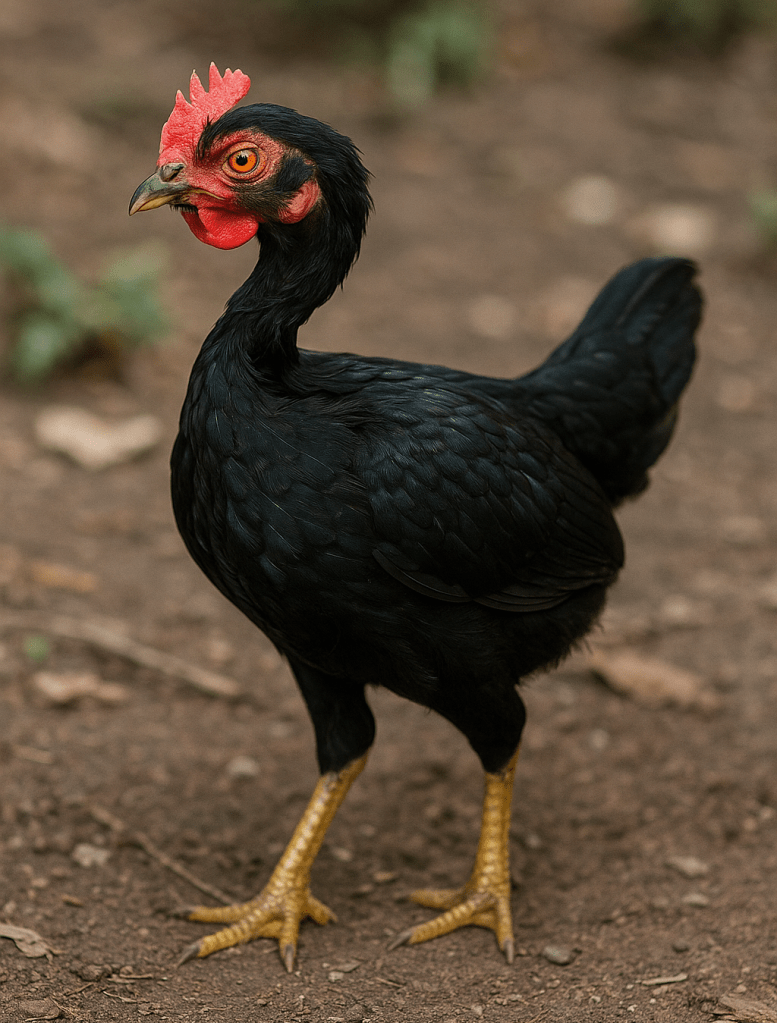

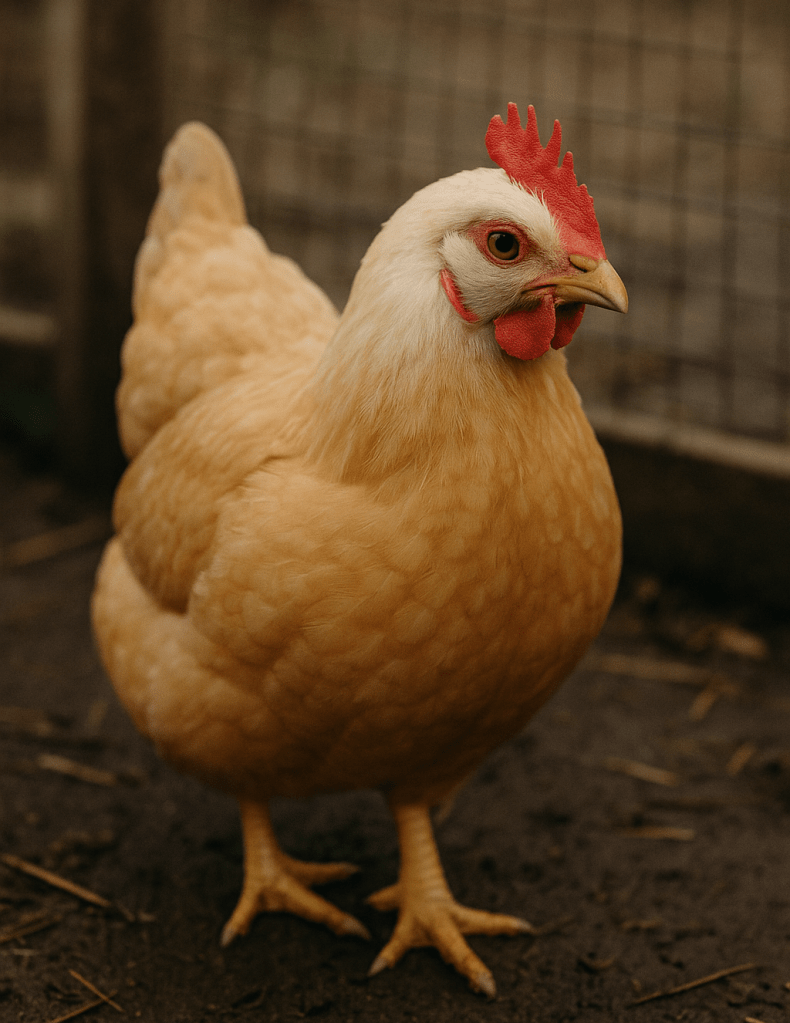
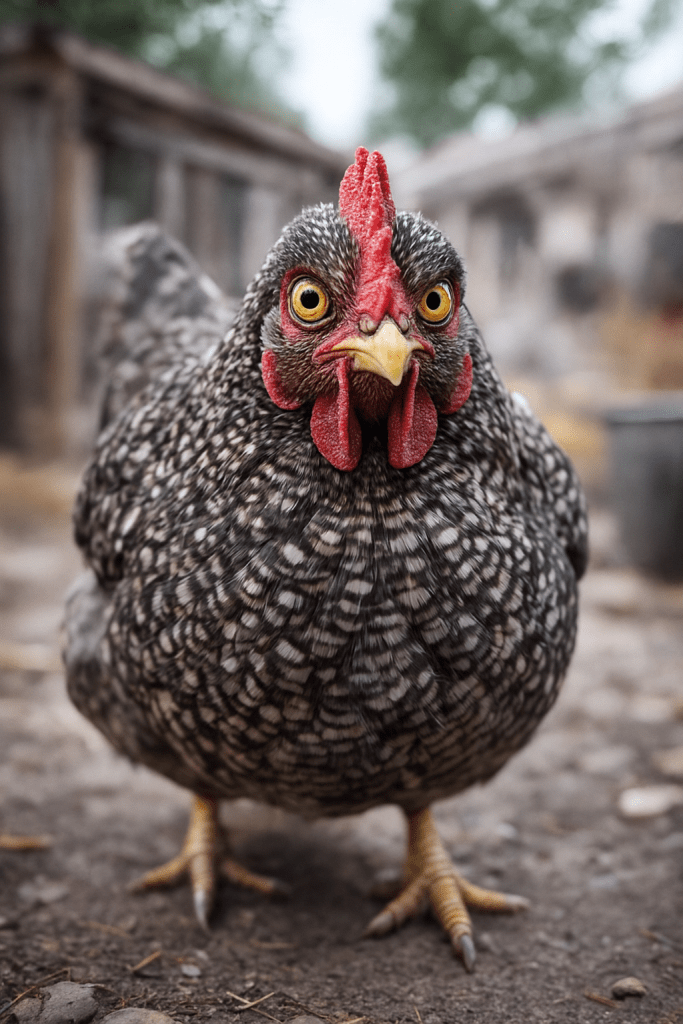

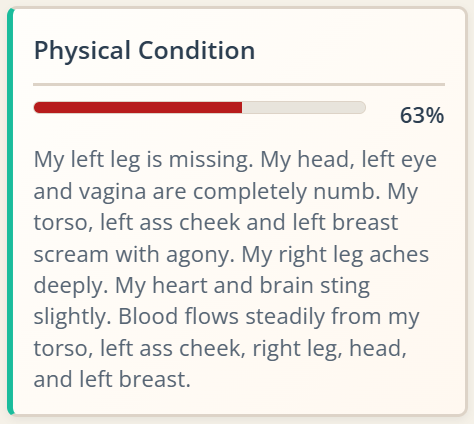

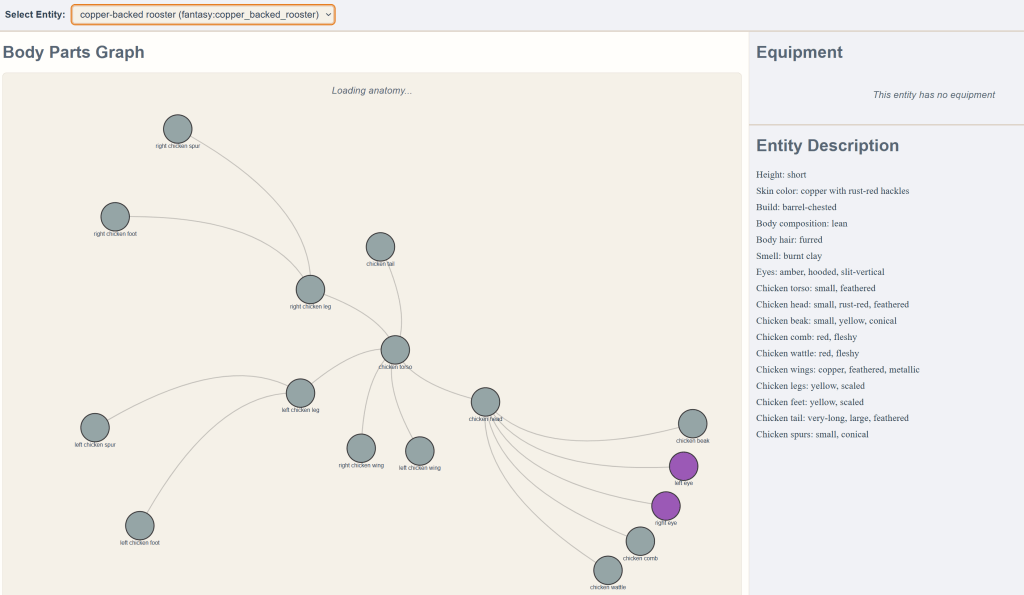


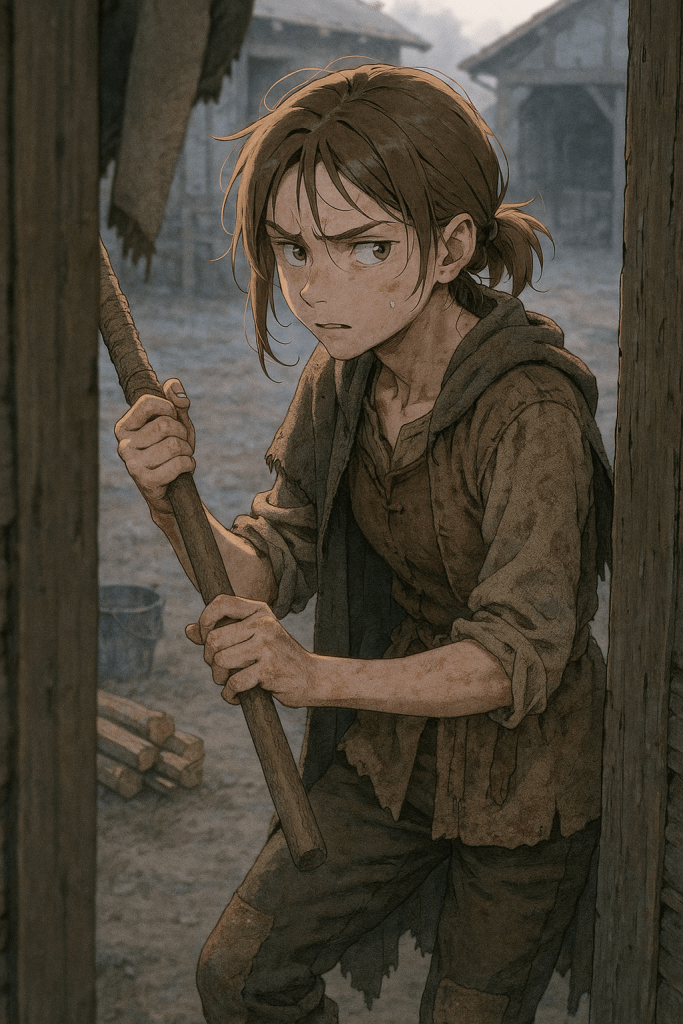
 The Domains of the Emperor Owl
You must be logged in to post a comment.